
Step outside after a summer rain in the Americas—from the pine flatwoods of Florida to the cloud-washed Andes—and look up. You might spot rosettes clinging to bark like sea stars, silver curls gripping a cactus spine, or a tassel of green streaming from a wire. This is the realm of Tillandsia—the air plants—masters of living lightly in places most plants would never dare.
From swamps to sky islands: the native range
Tillandsia spans an astonishing sweep of the Neotropics. Its native turf runs from the southern and southeastern United States through Mexico, Central America, and the Caribbean, down across South America to central Argentina. Within that range, the genus occupies habitats as different as:
- Coastal forests and mangroves that drip with humidity
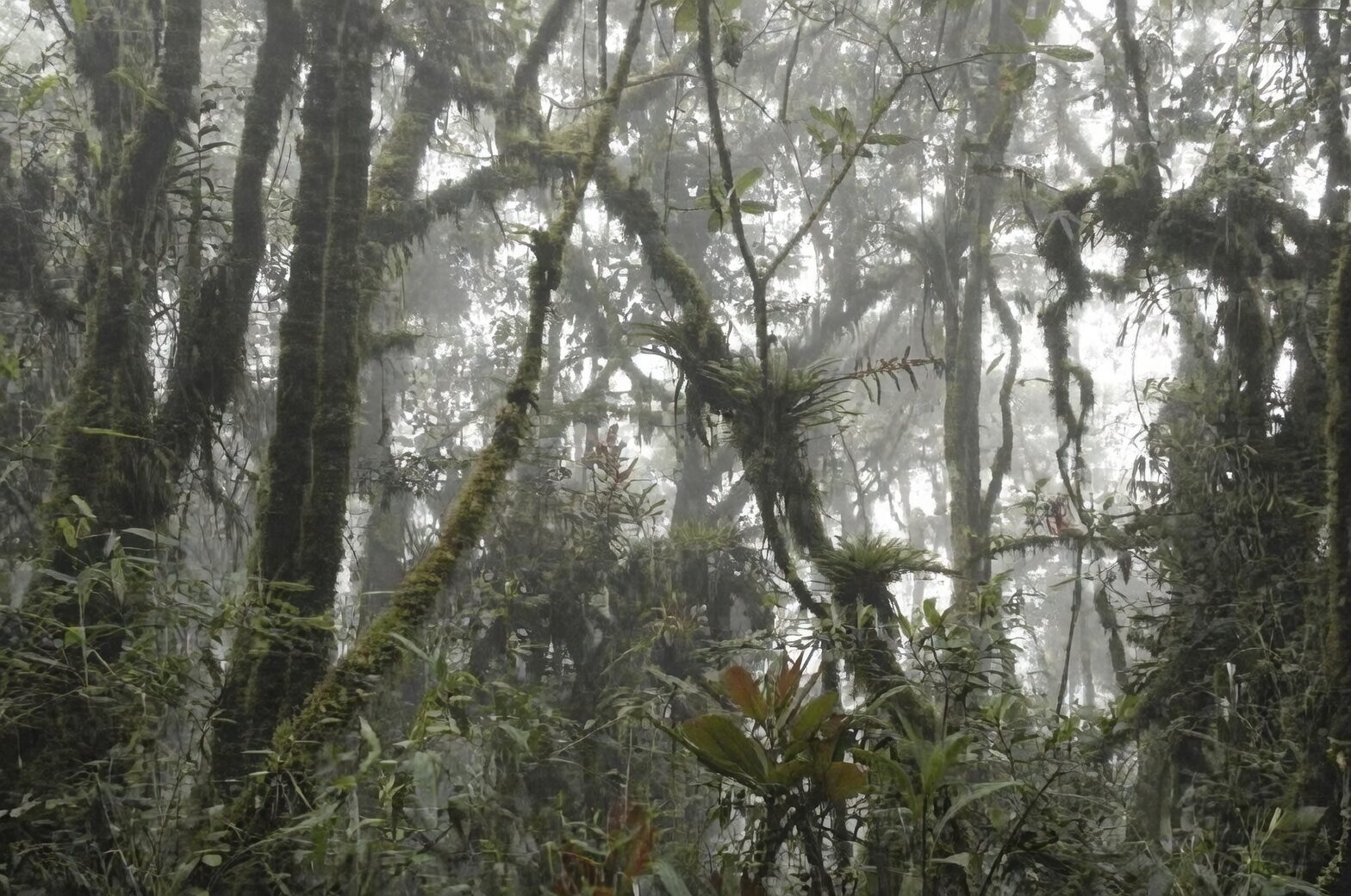
- Mountain cloud forests where mist is a daily visitor
- Open savannas and scrublands with glaring sun and wind
- Rock outcrops and canyon walls that bake by day and chill by night
- Even deserts, where fog substitutes for rain
And the perches? Almost anything that doesn’t stay soggy for long. Air plants anchor on tree branches and bark (epiphytes), tuck into rock crevices (lithophytes), and—showing their irrepressible opportunism—hang on cacti, fences, powerlines, and telephone wires. Their roots are mostly grappling hooks, not straws; nearly all of the drinking and feeding happens through the leaves.
Perches of opportunity: trees, rocks, spines, and wires
On trees: the high-rise with amenities
- In forests, Tillandsia rosettes lodge in branch crotches and bark fissures where leaf litter traps nutrients.
- Canopy breezes keep them dry between rains; dappled light fuels photosynthesis without scorching.
- Many species form tight rosettes that shed water quickly to avoid rot, with some broad-leaved types pooling a little water at the base.
On rocks: life between a stone and a hard place
- Lithophytic species endure wide temperature swings and thin pickings for nutrients.
- Their leaves often wear a frosty coat of trichomes—microscopic scales—that reflect harsh light and slurp up fog, dew, and passing showers.
- Crevices become both anchor points and cache sites for wind-blown dust and insect frass—air-plant compost.
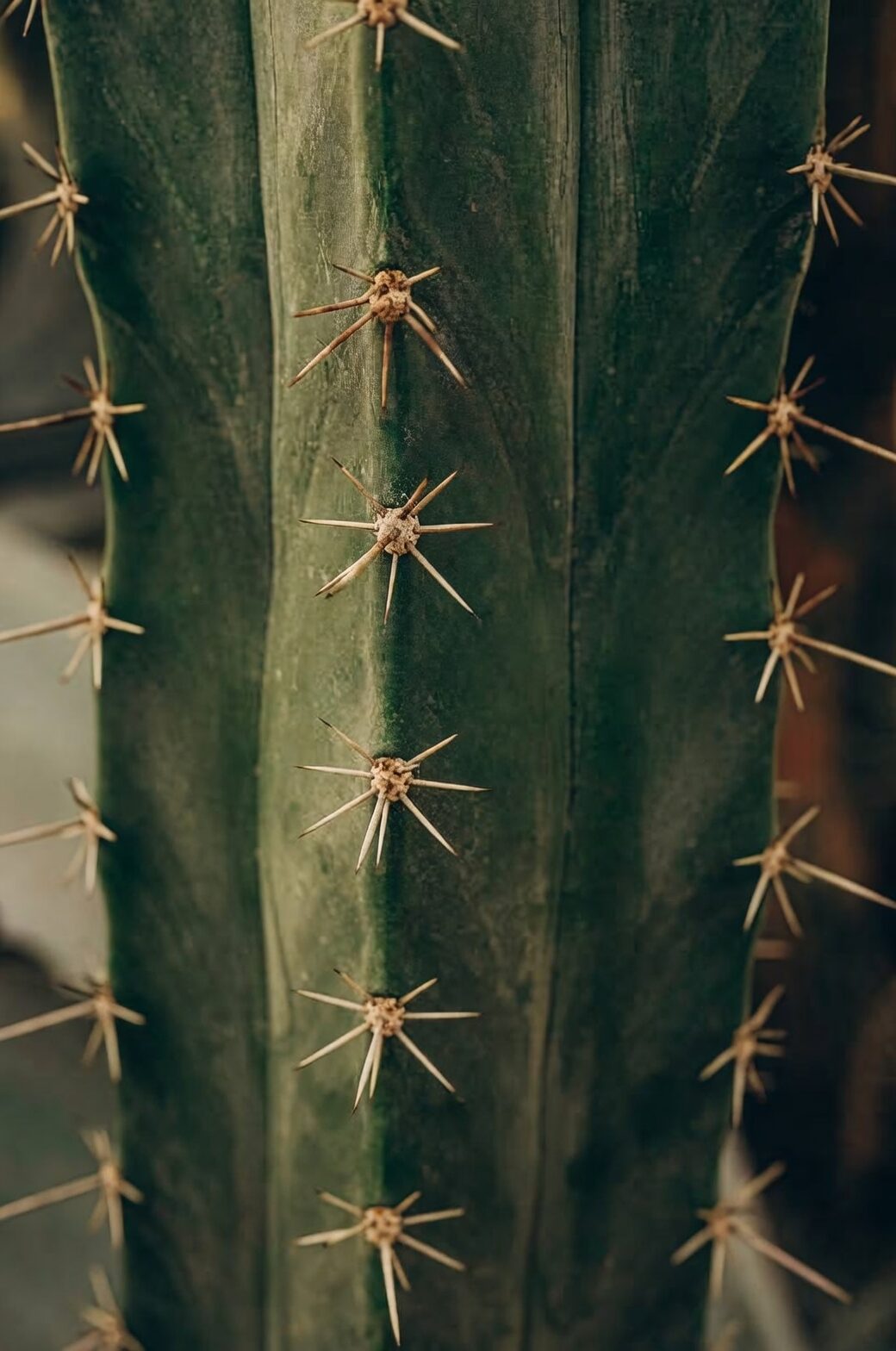
On cacti: a partnership of spines and silver
- In arid scrub, spines intercept windborne seeds. A rosette that lands safely can anchor with minimal roots and harvest nighttime humidity.
- The cactus provides elevation, airflow, and a bit of shade; the Tillandsia gives nothing back and takes nothing from the cactus—no parasitism, just clever cohabitation.
On wires and fences: the urban epiphyte
- Light, silky seeds equipped with a parachute drift across neighborhoods and snag on cables like birds on a line.
- Where climates are suitable—think frost-free, breezy, and not perpetually wet—powerlines can look like botanical beadwork.
The trichome revolution: how leaves became sponges
If you’ve marveled at an air plant’s silvery sheen, you’ve seen its superpower. Those shimmering leaf scales, called trichomes, are evolutionary marvels:
- Instant hydrators: Trichomes unfurl to absorb water and dissolved minerals from rain, mist, fog, and even dew. Then they flatten, sealing in moisture.
- Sunscreens and mirrors: Dense trichomes scatter intense sunlight and keep leaves cooler, a boon on exposed perches.
- Dirt catchers: They trap airborne dust and pollen—the raw ingredients of nutrition—then take them in as each wetting dissolves a fresh micro-meal.

Form follows place. Grayer, more silvered species tend to handle brighter sun and drier air; greener species, with fewer trichomes, prefer bright shade and steadier humidity. Many air plants “blush” red or purple when gearing up to bloom—an eye-catching shift that helps flag their flowers to pollinators.
Pollinators on the wing: hummingbirds, bees, and night fliers
Tillandsia flowers are tailor-made for couriers of nectar:
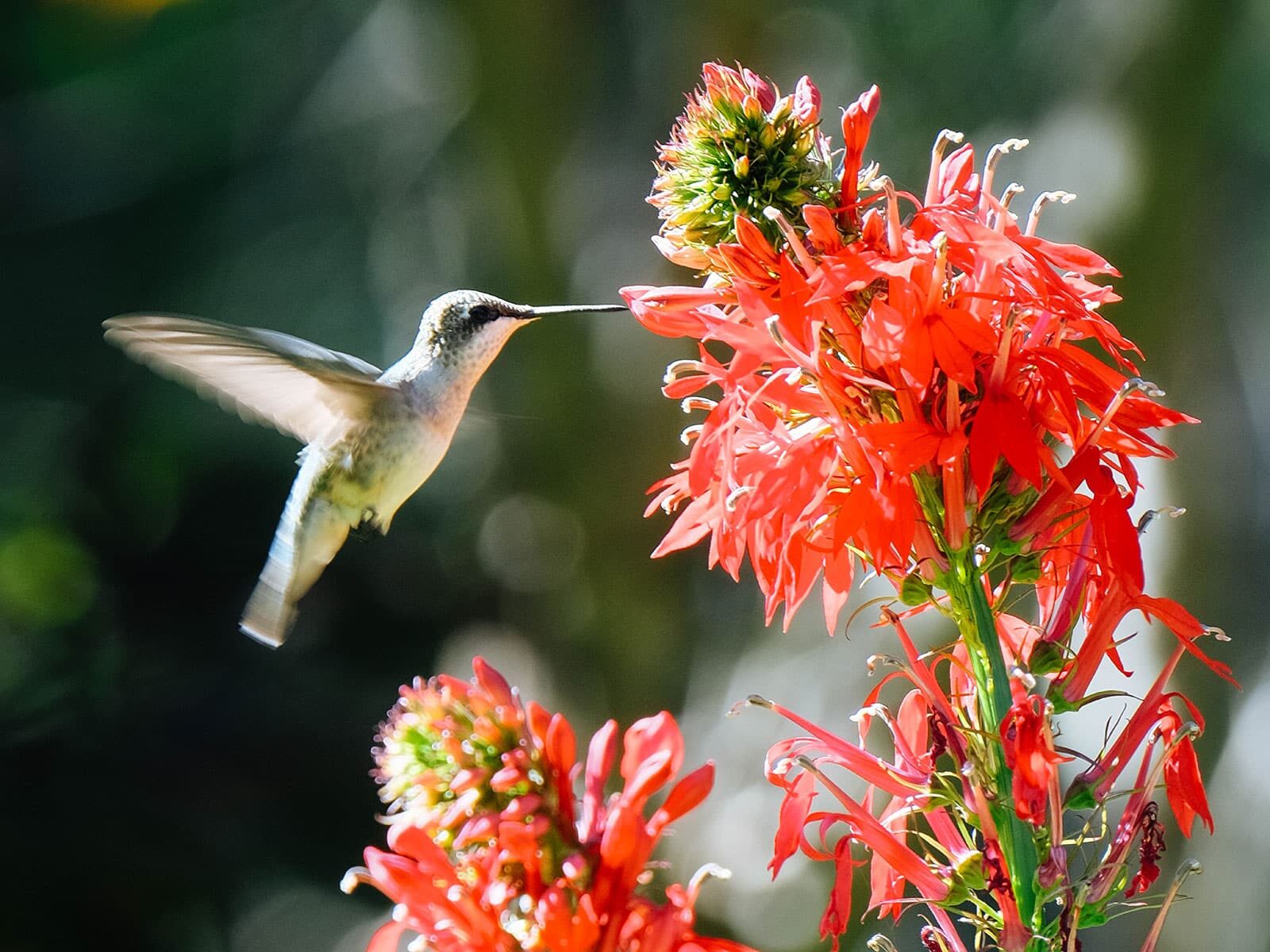
- Day-shift specialists: Tubular blooms in pinks, reds, and violets are favorite pit stops for hummingbirds in the Americas. Bees and butterflies also visit many species.
- Night-shift specialists: Pale, often fragrant, long-tubed flowers open in the evening for moths that hover and sip by moonlight.
- The show: Bright bracts—petal-like leaf structures—surround and extend the display, acting like billboards in a green landscape.
- The cycle: Most rosettes flower once, then channel their energy into producing offsets (“pups”) at the base. Over time, a single plant becomes a sculptural clump, the story continuing rosette by rosette.
Fog deserts and forest drips: extreme strategies
Across their range, air plants turn marginal moisture into a living:
- Cloud forests: In the Andes and Central America, Tillandsia gathers cloud drip and mist. Trees wear necklaces of rosettes, each capitalizing on the constant rain of water and nutrients from the canopy.
- Coastal and inland deserts: Some species are “aerophytes,” growing on shifting sand with only meager holdfasts. In the Atacama of Chile and Peru, Tillandsia landbeckii forms ghostly bands across fog-swept slopes—the famous Tillandsia lomas—living mostly on mist rather than rain.
- Open savannas and scrub: Species with strong trichome armor shrug off baking sun and quick-dry breezes, drawing sustenance from passing dew and sporadic storms.
- Humid lowlands: Familiar “Spanish moss” (Tillandsia usneoides), a threadlike species, drapes trees from the southeastern U.S. to tropical America, mopping up humidity and rain as it sways.
Riding the wind: seeds built to travel
Where roots don’t wander, seeds must. After flowering, Tillandsia capsules split to release featherweight seeds, each tipped with a silky coma—a parachute. Air currents loft them into new neighborhoods, and the first rough surface—a twig, a fence, a cactus spine, a phone wire—becomes a landing strip. From there, evolution’s silver toolkit takes over: trichomes hydrate; leaves feed; roots simply grab hold.
How the air plant got its name: a Swedish stroll
The genus honors Elias Tillandz (1640–1693), a Swedish-born botanist and physician. As the story goes, a violent storm so traumatized Tillandz with seasickness during his student days that he avoided boats thereafter—reportedly traveling “till lands” (by land) rather than by water. Decades later, fellow Swede Carl Linnaeus, fond of commemorating colleagues in plant names, christened this water-shunning, soil-free American genus Tillandsia in a bit of affectionate wordplay. The homage fits: these plants famously make do away from the usual lifelines of soil and steady water.
Shape-shifters: forms and colors across the genus
- Rosettes, curls, and threads: From tight, spiky stars (think Tillandsia ionantha) to arching fountains (T. fasciculata) and the drifting filaments of Spanish moss, form is wildly variable.
- Colors and cues: Silvery-gray species wear dense trichomes; greener ones are sleeker. Many blush vividly at bloom time, as if hoisting a flag to beckon a hovering hummer.
- Tanks and non-tanks: While many species shed water quickly, some broad-leaved types can briefly hold pools at the leaf bases—tiny, temporary cisterns in a storm.
Reading the wild to grow them well
Let the habitats teach the house rules:
- Light like a bright forest edge: Filtered sun or bright indirect light suits most. Grayer types tolerate gentle direct morning sun; greener ones prefer brighter shade.
- Water in spells, then wind: Soak or thoroughly wet the plant, then ensure fast drying with good airflow. In nature, rain is fleeting and breezes relentless.
- Feed as the mist would: Very dilute fertilizer via occasional misting or soaks mimics trace nutrients dissolved in rain and fog.
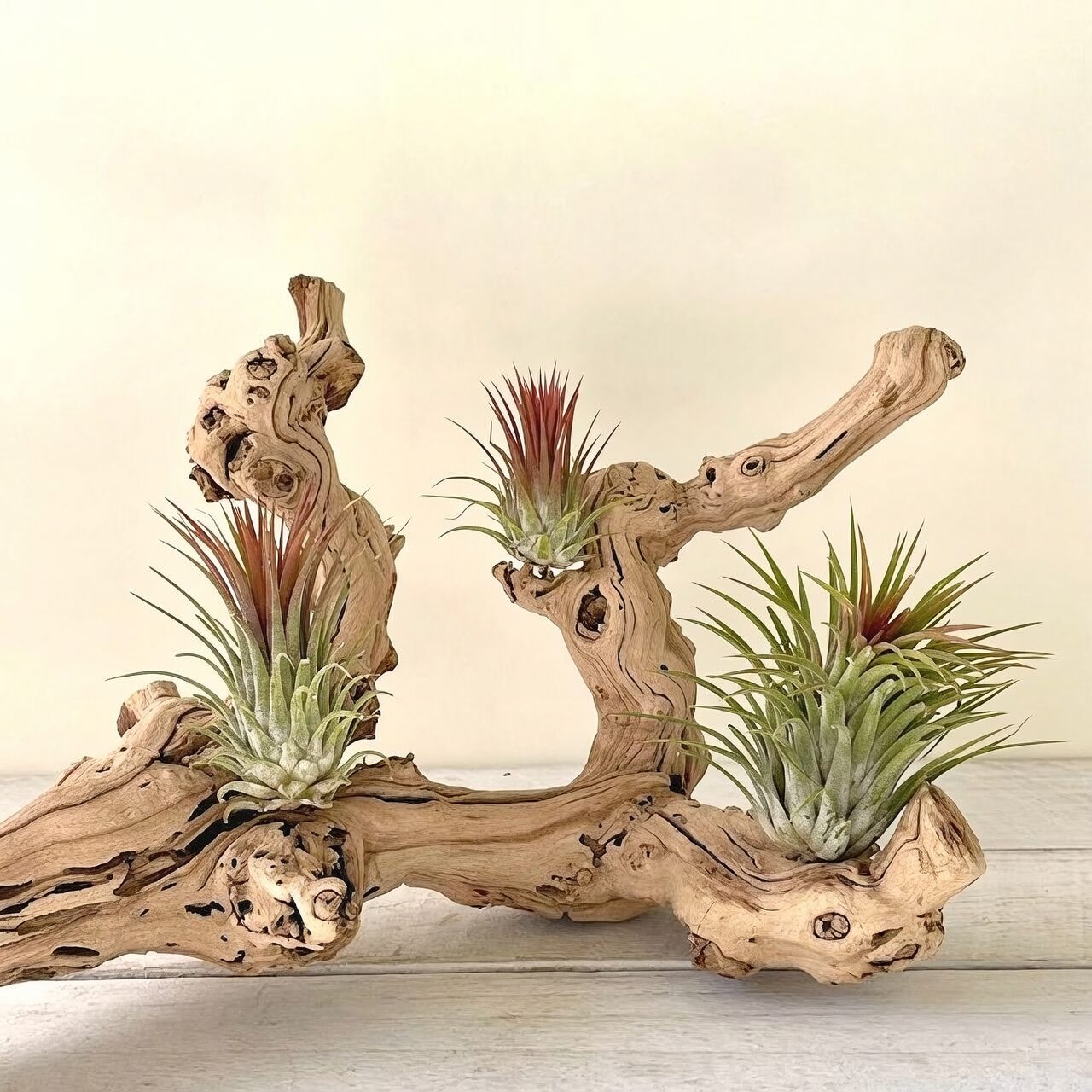
Indoors, imagine you’re placing a miniature perched on a branch: a mount of cork bark or driftwood, a wire cradle, a shell, or an open glass vessel that breathes. Above all, give it air—the invisible ally that keeps rot at bay.
Encounters along the trail: a few icons
- Tillandsia ionantha: A pocket-sized star that famously blushes scarlet to magenta with violet tubes at bloom time.
- Tillandsia fasciculata: Broad-leaved and bold, with flamboyant bracts—common in Florida pine lands and mangroves.
- Tillandsia utriculata: A larger “tankier” species capable of holding water at the leaf bases.
- Tillandsia usneoides (Spanish moss): A bearded vine of air, lacing live oaks and cypresses across the southeastern U.S.
Symbolism: freedom, resilience, and living lightly
Modern “flower language” often casts air plants as symbols of freedom, creativity, resilience, and a minimalist elegance—the art of thriving without clinging to the usual supports. Unlike age-old floriography tied to courtship rituals, these meanings are contemporary, inspired by the plants’ design and lifestyle:
- Freedom: Seeds that ride the wind and rosettes that perch wherever they please.
- Resilience: Survival on mist and dust, from rainforests to deserts.
- Creativity and perfection: The sculptural rosette—precise, balanced, and endlessly reconfigurable in display.
Treat these meanings as metaphors drawn from biology: they resonate because Tillandsia truly does more with less.
Why we can’t stop looking up
Tillandsia plants are equal parts science and story: trichomes engineered like micro-sponges; flowers tuned to hummingbird heartbeats and moth moonrises; seeds that parachute to improbable perches; a name gifted by a botanist who preferred land to sea. In the wild, they turn branch, stone, spine, and wire into homes. On our windowsills, they remind us—gracefully—that life’s essentials may be simple: light, a drink now and then, fresh air, and room to breathe.