

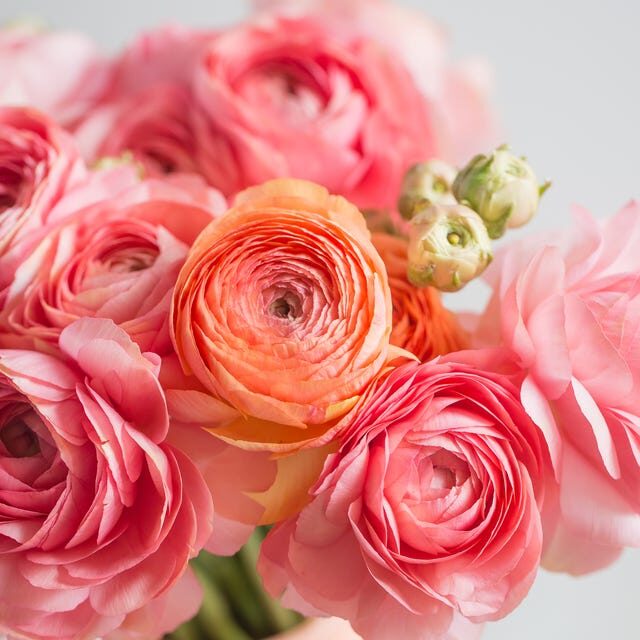
Persian buttercups are the drama queens of spring—rose-meets-peony rosettes stacked with satin petals, glowing in every color from sherbet to jewel tones. Gorgeous? Absolutely. Harmless? Not quite. Like many buttercups, Ranunculus asiaticus is mildly toxic if nibbled and its sap can irritate sensitive skin. Here’s your friendly, practical safety briefing—plus clever display hacks—so you can enjoy every bloom while keeping curious kids and pets safe.
Meet Persian Buttercup in a Minute
- Identity check: Ranunculus asiaticus (Persian Buttercup), family Ranunculaceae.
- Look and size: Compact clumps about 20–45 cm (8–18 in) tall with finely divided, bright green leaves and densely layered, rose-like flowers in a wide color range.
- Seasonality: A cool-season bloomer that shines in late spring to early summer, then naturally yellows and slips into summer dormancy as heat arrives.
- Best conditions: Bright light to full sun, cool air (roughly 15–20°C/59–68°F days, 7–10°C/45–50°F nights), and excellent drainage—especially in containers.
The Safety Briefing: Mild Toxicity and Skin Irritation
Persian buttercup is mildly toxic if ingested, and the plant’s sap can irritate sensitive skin. This is typical of buttercups and doesn’t make it a “no-go” plant—just one to enjoy with a bit of common-sense planning.
Who’s most at risk?
- Young children exploring with their mouths
- Pets that chew greenery out of curiosity or boredom
- Gardeners with sensitive skin (or anyone handling lots of cut stems/tubers)
What might happen if someone chews or handles it?
- Ingestion (mild toxicity): mouth irritation, drooling, nausea, vomiting, or diarrhea
- Skin contact: redness, itching, or a mild rash—especially if the sap gets on sensitive skin
Most pets and kids find the taste unpleasant, which naturally limits how much they’ll consume. Still, prevention is your best friend.
First Aid: Simple, Calm, Prepared
- Skin contact: Rinse with cool water and gentle soap. Avoid rubbing eyes. If irritation persists, seek medical advice.
- Eye contact: Flush with clean, lukewarm water for several minutes and consult a healthcare professional.
- Ingestion: Gently rinse the mouth, offer water, and do not induce vomiting. Contact your pediatrician, local poison center, or veterinarian for guidance. Keep the plant label or a photo handy.
Kid- and Pet-Smart Styling: Display Hacks That Work
Indoors: Out of Reach, Still on Display
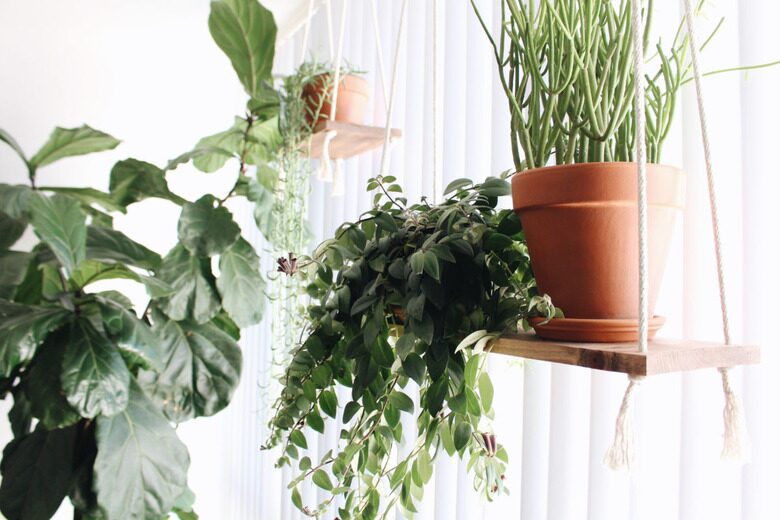
- High, bright windows: East- or south-facing sills are ideal. Use window shelves with an acrylic guard rail, or picture ledges with a clear lip to block little hands and paws.
- Behind glass: Stage a few potted ranunculus inside a glass-front cabinet or on a console behind a low-profile acrylic screen so blooms stay visible, not touchable.
- Elevated islands: Place pots on tall plant stands clustered in the center of a room—well away from jump-off furniture like sofas.
- Cloches and domes: A ventilated glass dome over a small potted plant adds a boutique vibe and a physical barrier. Lift for watering and airflow, then replace.
- Tidy equals safer: Deadhead spent blooms promptly and wipe up fallen petals so nothing “mysterious and tasty” hits the floor.
Pro placement tip: For toddlers, think “above shoulder height”—roughly 1.1–1.2 m (43–47 in) from the floor reduces grab-range dramatically.
Outdoors: Garden Layouts That Discourage Nibbling

- Rail planters and window boxes: Show off blooms where you can see them from indoors, anchored securely and facing outward.
- Raised beds: Position ranunculus toward the interior of a raised bed, surrounded by dense, non-toxic “buffer” plants to block easy access.
- Micro-fencing: Use low decorative edging, wire bell cloches, or peony supports turned upside-down over new plantings to create a visual and physical “no-go” zone.
- Path planning: Keep buttercups away from play zones, pet runs, and door thresholds. Put them along adult-only steps or at the rear of borders.
Cut Flowers: Party-Ready, Child- and Pet-Safe
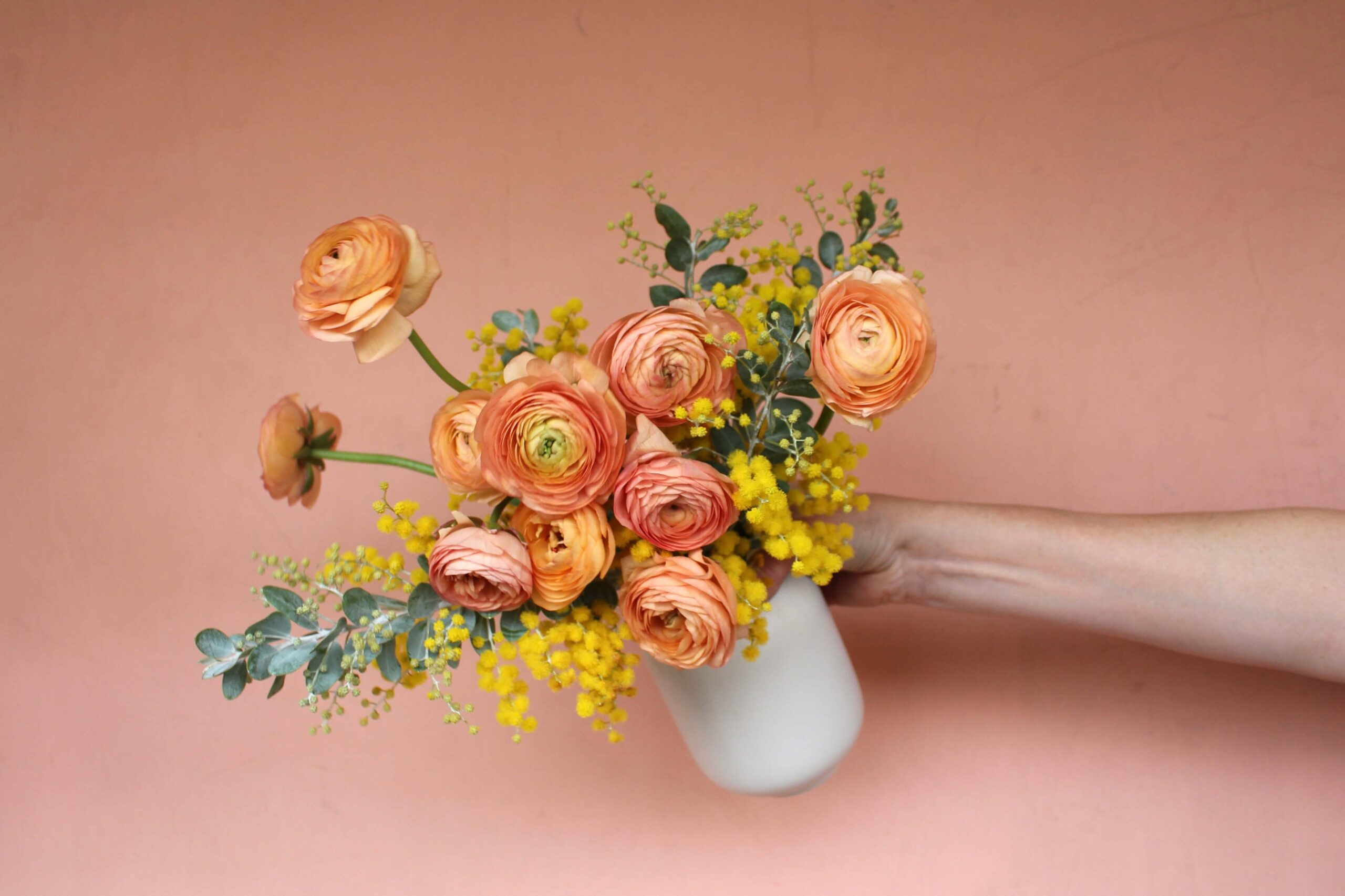
- High vases on mantels or shelves, not coffee tables.
- Weighted, tip-resistant containers; tuck stems into a floral frog or grid for stability.
- Pet-proof staging: Keep bouquets far from food and water bowls; fallen petals go straight to the trash.
- Transport tip: For events, bring a spare bag to collect all trimmings and spent petals—don’t leave debris behind.
Storage and Tubers: Out of Sight, Out of Munch Range
Ranunculus tubers look like little claws—intriguing to tiny hands and snouts.
- Store in a sealed, labeled container on a high shelf.
- Keep potting mixes and fertilizer out of reach, too.
Safe Care Routines for Blooming Success
- Wear gloves if you’re prone to skin irritation, especially when deadheading, dividing tubers, or cleaning sap-sticky stems.
- Wash hands after handling plants, tools, or spent blooms—before you touch your face or prep food.
- Water smartly: Keep soil evenly moist during growth and bloom, but never waterlogged. Strong drainage prevents rot and reduces messes that attract curious pets.
- Post-bloom: As foliage yellows and plants head into dormancy, reduce watering and let them rest. A sleepy plant isn’t a sick plant.
Quick FAQ: Safety Edition
- Is Persian buttercup safe for a child’s room? Best not. Enjoy it in bright common areas placed up high or behind a barrier.
- Are dried petals safe? Dry material is less tempting to nibble but can still irritate. Treat all plant parts with the same caution and keep out of reach.
- Can I grow them where my dog plays? You can—just design thoughtfully: raised planters, interior-of-bed placement, and decorative cloches significantly reduce risk.
The Meaning Behind the Bloom
Persian buttercups are often associated with charm, radiant beauty, and joyful celebration—no surprise given those lush, rose-like whorls. The “language of flowers” emerged from centuries of cultural storytelling and floriography traditions, later amplified by modern gifting. While symbolic meanings are poetic rather than scientific, they add a lovely layer to spring arrangements—especially when your display is staged thoughtfully for safety.
Bottom Line
Ranunculus asiaticus brings spring magic to windowsills, patios, and bouquets. Respect its mild toxicity and potential for skin irritation, style it just out of reach, and keep your care routine tidy. With a few smart barriers and good habits, you can enjoy every last petal—kids, pets, and peace of mind included.