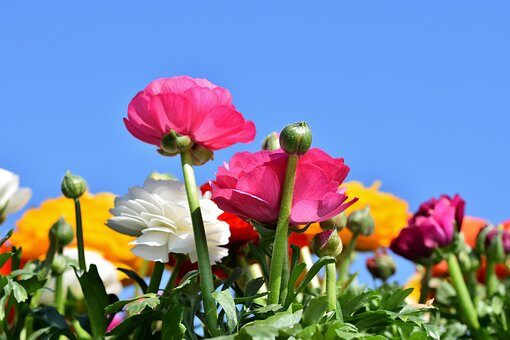
Think of Persian buttercups (Ranunculus asiaticus) as spring fireworks in a pot—compact plants loaded with saturated, rose-like blooms that light up patios, balconies, and window boxes. With the right container strategy—size, spacing, soil, and sun—you can turn even a small stoop into a flower-forward stage worthy of a florist’s window.
Here’s how to pack maximum bloom power into minimal space without sacrificing plant health or display longevity.
Know your star: cool-season, container-friendly, and gloriously layered
- Growth habit: Compact clumps from claw-like tubers; typically 20–45 cm tall with a 15–30 cm spread. Compact plants under 30 cm are perfect for pots.
- Seasonality: A cool-season bloomer. After the big show, leaves yellow and the plant slides into summer dormancy—totally normal.
- Color range: White, lemon, tangerine, lipstick pinks, reds, plums, purples, and painterly bicolors, many with a satin sheen.
- Best conditions: Bright light to full sun, cool air, and excellent drainage.
Pot sizes, spacing, and layouts (for lush displays in tight quarters)
The key to “florist-full” containers is thoughtful density without inviting rot. Use the guide below as a practical rule of thumb for showy yet healthy pots.
The quick formula
- Depth: Plant tubers 2–3 cm deep, claws pointing down.
- Density for impact: Aim for about 1 tuber per 4 cm of pot diameter.
- 12 cm (4.7 in) pot: about 3 tubers (a classic, full mini-cluster).
- 16–18 cm (6–7 in) pot: 4–5 tubers.
- 20–22 cm (8–9 in) pot: 5–6 tubers.
- Low, wide bowls (25–30 cm): 7–9 tubers for a lush “mounded” look.
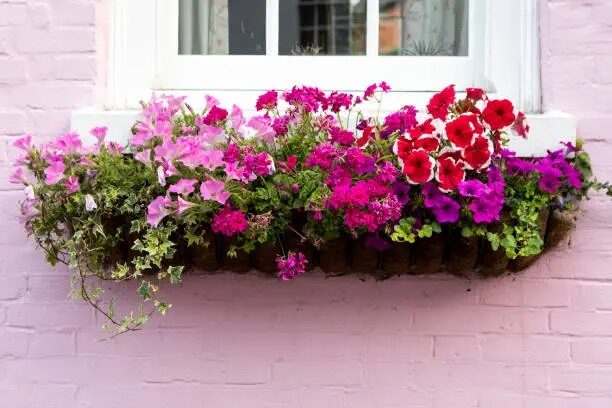
- Window boxes (15–20 cm deep): One staggered row, placing tubers close but not touching; think “snug buttons,” leaving a fingertip of space between each.
Pro tip: Denser plantings create a spectacular, short-season show. If you want longer bloom duration and slightly larger flowers, space a bit more generously and thin to 2–3 strong buds per plant once stems form.
The perfect pot and drainage setup
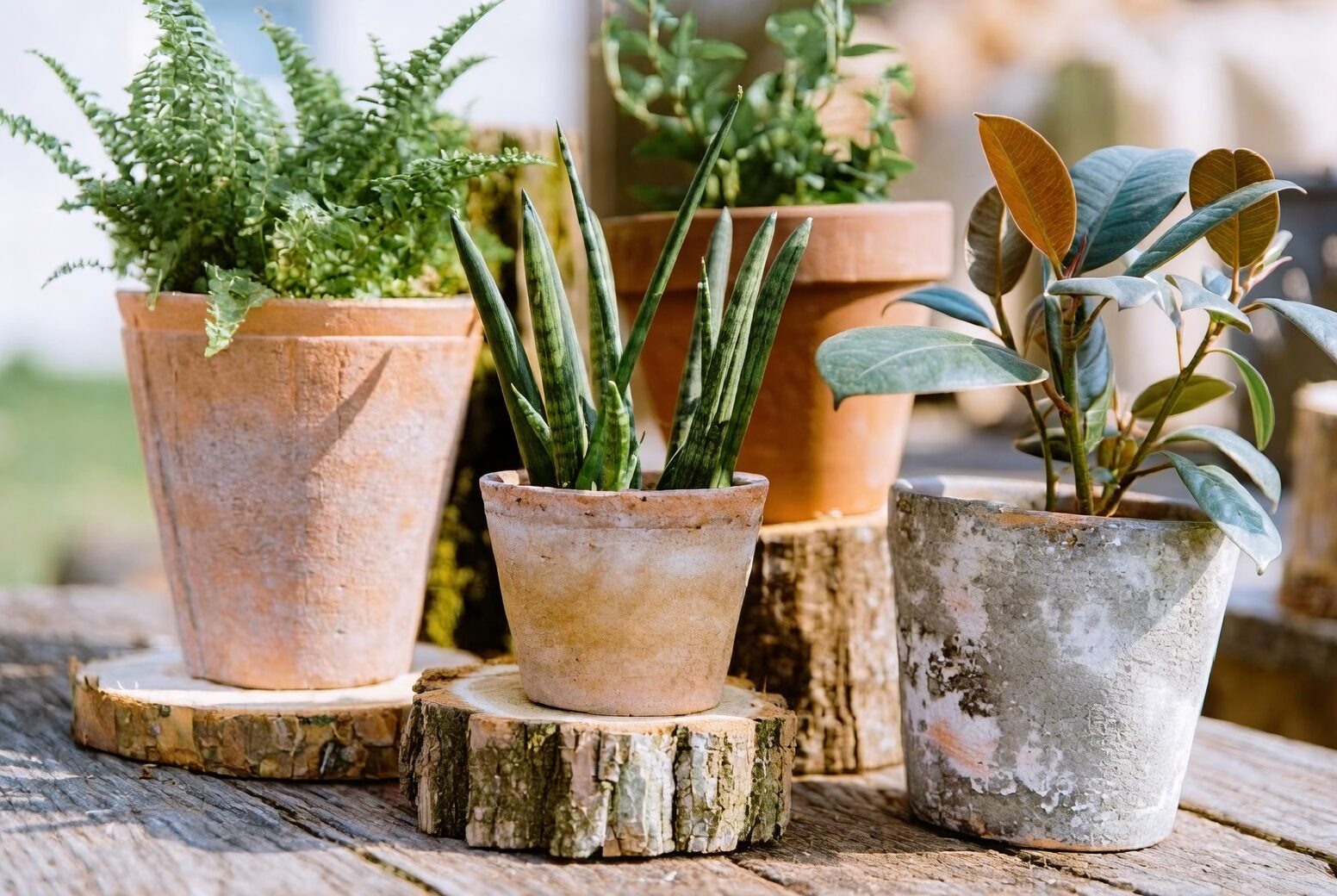
- Pot material: Terracotta breathes (great in cool, damp periods); glazed ceramic or fiberstone holds moisture more evenly (useful in windy balconies).
- Holes and risers: Ensure generous drainage holes. Elevate pots on feet so water exits freely after rain.
- Surface dressing: After planting, finish with a 1–2 cm layer of fine grit or coarse sand. It keeps crowns dry, discourages Botrytis (gray mold), and gives a tidy finish.
Soil mix that keeps roots happy (rich but fast-draining)
Persian buttercups want moisture during growth—just never a bog.
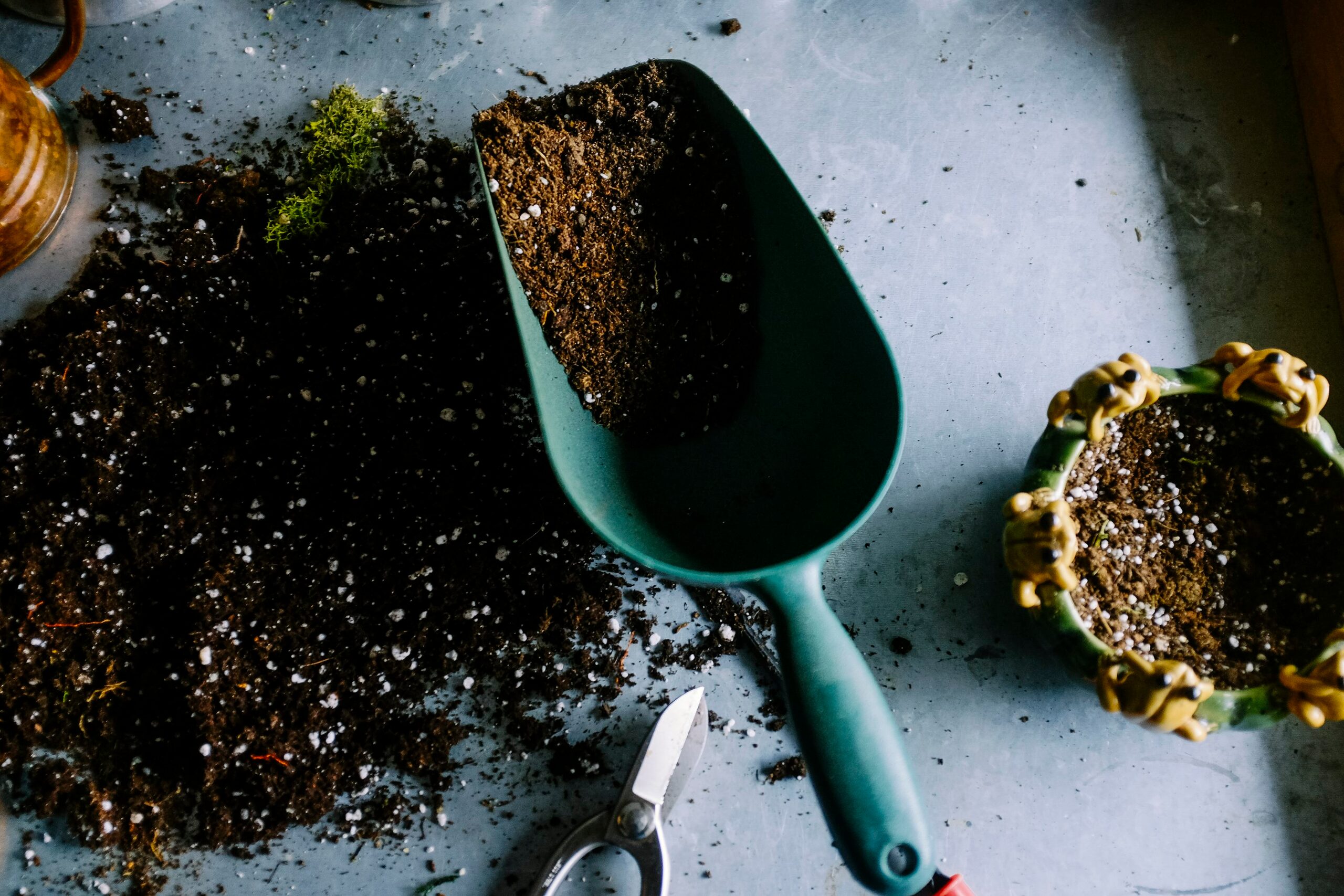
Try this simple, reliable blend by volume:
- 50% high-quality, loam-based potting mix
- 25% well-rotted compost or leaf mold
- 25% coarse mineral amendment (perlite/pumice/coarse sand)
Optional at planting:
- A small dose of slow-release flowering fertilizer mixed through.
- If rot has been an issue, disinfect tubers before planting and avoid overly deep planting.
Sun, temperature, and placement (the bloom-extending trio)
- Sunlight: Bright light to full sun. Aim for 6+ hours daily; in warm regions, shield from scorching midday sun to extend the bloom window.
- Indoors: East- or south-facing windowsills are ideal with excellent airflow.
- Temperature sweet spot: Cool days around 15–20°C (59–68°F), nights around 7–10°C (45–50°F). Heat hastens dormancy; as spring warms toward 21°C/70°F+, expect the show to taper.
- Mobility as strategy: In containers, you can shuffle pots—morning sun/afternoon shade—to prolong flowering.
Watering like a pro
- While growing and flowering: Keep the mix evenly moist, never waterlogged. Water in the morning and avoid splashing blooms/foliage.
- Drainage discipline: Empty saucers; buttercups hate “wet feet.”
- Dormancy pivot: As foliage naturally yellows after bloom, gradually reduce watering; stop entirely once top growth dies back.
Feeding for maximal petals
- Light, regular feeding is best: Once or twice before flowering, then once after flowering.
- Fertilizer type: A balanced-to-bloom feed (often higher in potassium), such as NPK 15-15-30, or a well-diluted organic liquid fertilizer.
Planting, pre-sprouting, and timing (for an early, even show)
- Orientation: Plant tubers 2–3 cm deep with the “claws” pointing down. Don’t bury too deeply.
- Pre-soak and pre-sprout: Many gardeners briefly soak tubers (2–4 hours, up to 12 max) to rehydrate, then pre-sprout cool (about 4–10°C/40–50°F) in barely moist medium for ~2 weeks until rootlets show. This evens and speeds bloom.
- Climate timing:
- Mild-winter zones (about USDA 8–10): Plant in autumn for late winter–spring flowers; protect from severe frost/winter wet.
- Colder regions: Plant in late winter–early spring for late spring–early summer display (or treat as a cool-season annual).
Design ideas to make small spaces sing
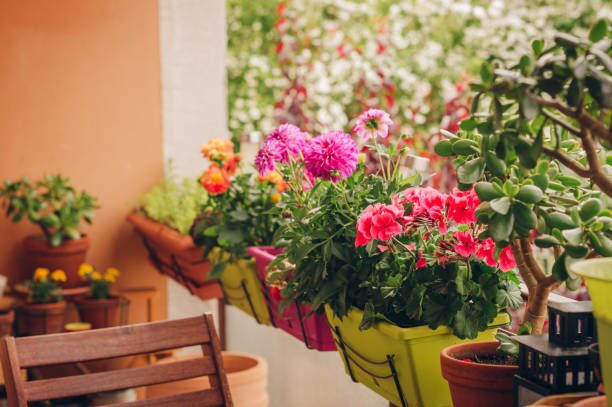
- Color blocks for impact: Mass a single color per container for a “florist’s pop,” then group pots in complementary hues (e.g., coral + cream + soft apricot).
- Tiered staging: Use steps, shelves, or plant stands to layer pots at eye level—the layered blooms look extra lush when viewed straight on.
- Window-box choreography: Alternate tall, double-flowered ranunculus with compact foliage accents (e.g., cool-loving silvery alyssum or low thyme) to frame the blooms while preserving airflow.
- Bud-thinning for statement stems: On super-double varieties, thin to 2–3 strong buds per plant to get larger, longer-lasting focal flowers.
Care calendar (container edition)
- Late winter–spring: Keep cool, bright, and evenly moist; ensure airflow; deadhead promptly.
- Peak flowering: Maintain steady moisture and light feeding; rotate pots for even light and straighter stems.
- Late spring–summer: As leaves yellow, taper water; allow a dry rest.
- Autumn: Divide and replant tubers; or refresh containers with new, firm “claws” and fresh mix.
Troubleshooting in tight plantings
- Gray mold (Botrytis): Shows up in cool, damp, still air. Increase ventilation, avoid wetting flowers/leaves late in the day, remove affected tissue promptly, and consider a suitable fungicide if needed.
- Aphids: Love tender buds. Rinse off, encourage airflow, or use insecticidal soap/targeted controls.
- Slugs/snails: Patrol, trap, or use barriers/baits—especially in shady, damp corners.
Safety note
Mildly toxic if ingested; sap may irritate sensitive skin. Keep away from pets and kids; wear gloves if needed.
Buying smart for container success
- Look for compact, sturdy plants (≤30 cm tall) with thick stems and bright, unblemished leaves; buds just showing color.
- Choosing tubers: Pick firm, plump “claws”; larger circumference often indicates better quality.
- Fresh, high-quality seed is also an option, though most gardeners prefer tubers for faster, showier results.
After the curtain falls: dormancy and next season
When heat arrives and foliage fades, your ranunculus isn’t “failing”—it’s resting. Let pots dry out, store tubers in a cool, dry, airy spot, and revive the show in autumn (mild zones) or late winter (cold zones) with fresh mix and a cool start.
What these flowers say (symbolism with roots)
Persian buttercups are widely linked with charm, radiant beauty, and joyful celebration—associations amplified by their rose-like, many-petaled form and frequent starring role in spring gift bouquets and weddings. While there’s no single ancient legend behind this symbolism, modern horticulture and floristry cemented their meaning: abundant petals = abundant happiness. In other words, a pot brimming with ranunculus on your balcony isn’t just a color splash—it’s a little chorus of celebration.
—
Pack them tight (but well-drained), keep them cool and bright, and let the petals do the rest. In small spaces, Ranunculus asiaticus proves that the most dazzling gardens can fit neatly on a windowsill.