
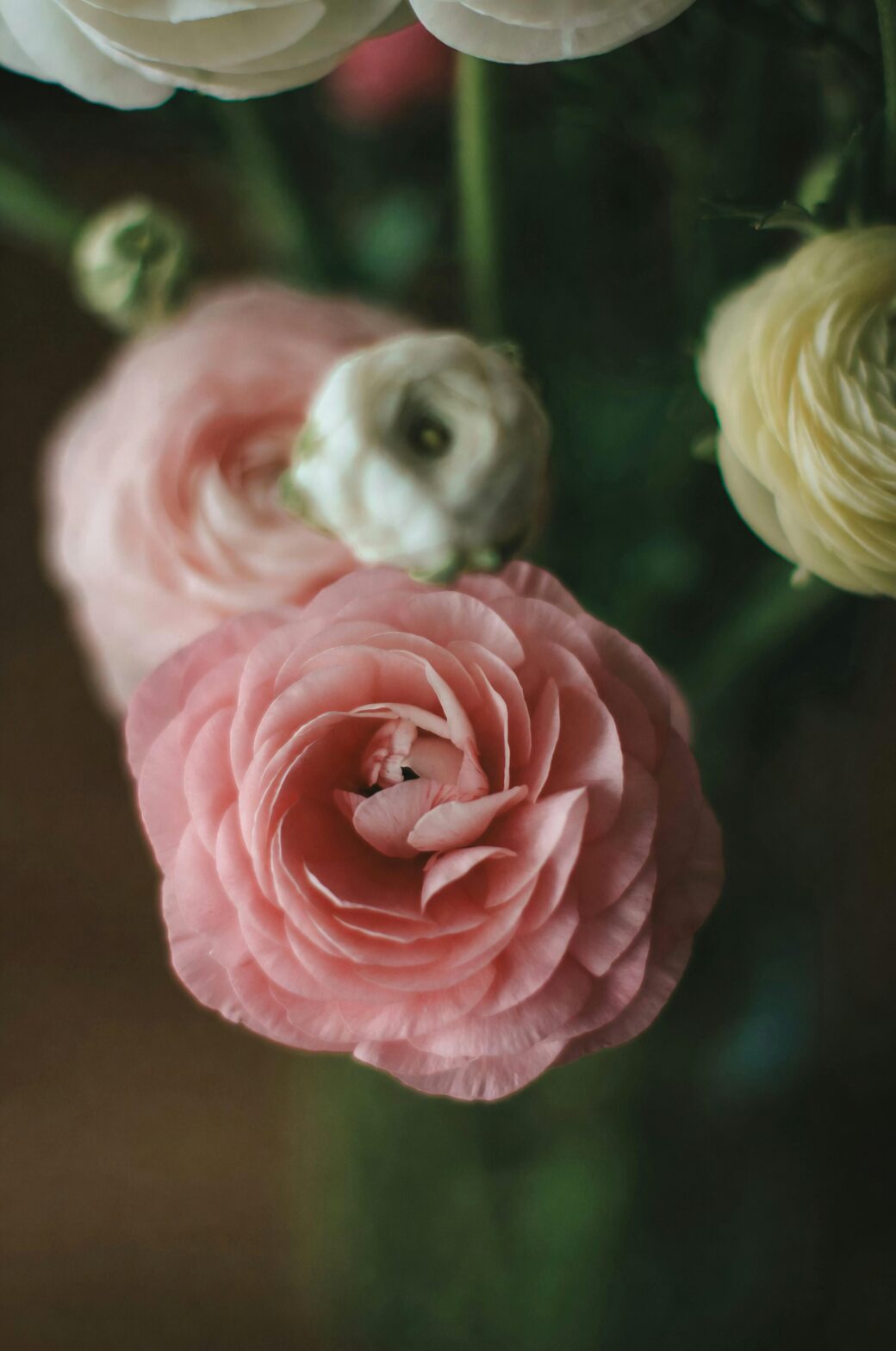
Imagine a rose that decided to reinvent itself for spring—sleeker, cooler, and infinitely more petal-rich. That’s the magic of Ranunculus asiaticus, the Persian buttercup: rosettes upon rosettes of satin-like petals that unfurl slowly, telling a story day by day. And like many beloved flowers, it also “speaks”—its language shaped in Victorian parlors, refined in East Asian aesthetics, and still whispered today in wedding aisles and gift bouquets.
Meet Ranunculus asiaticus: The Persian Buttercup
- Scientific name: Ranunculus asiaticus (family Ranunculaceae)
- Origins: Mediterranean coastal regions, northeastern Africa, and southwestern Asia
- Also known as: Persian buttercup, Florist’s ranunculus, Buttercup ranunculus
A cool-season, tuber-grown bloomer, Persian buttercup is famous for tightly layered, rose- or peony-like flowers in a wide color palette—white, lemon, tangerine, coral, lipstick red, raspberry, violet, and dreamy bicolors (even antique, brownish tones in some cultivars). It thrives in bright, cool conditions with impeccable drainage, stuns in patio pots and borders, and is a star of the premium cut-flower world. As warmth returns, it naturally yellows and slips into summer dormancy—part of its normal life cycle.
Modern breeding from France, the Netherlands, Israel, and Japan has pushed form and color to couture levels, making series like ‘Aviv’, ‘Tomer’, ‘Tecolote’, and others darlings of florists and growers worldwide.
How Ranunculus Learned to “Speak”: Victorian Floriography
The code of the parlor
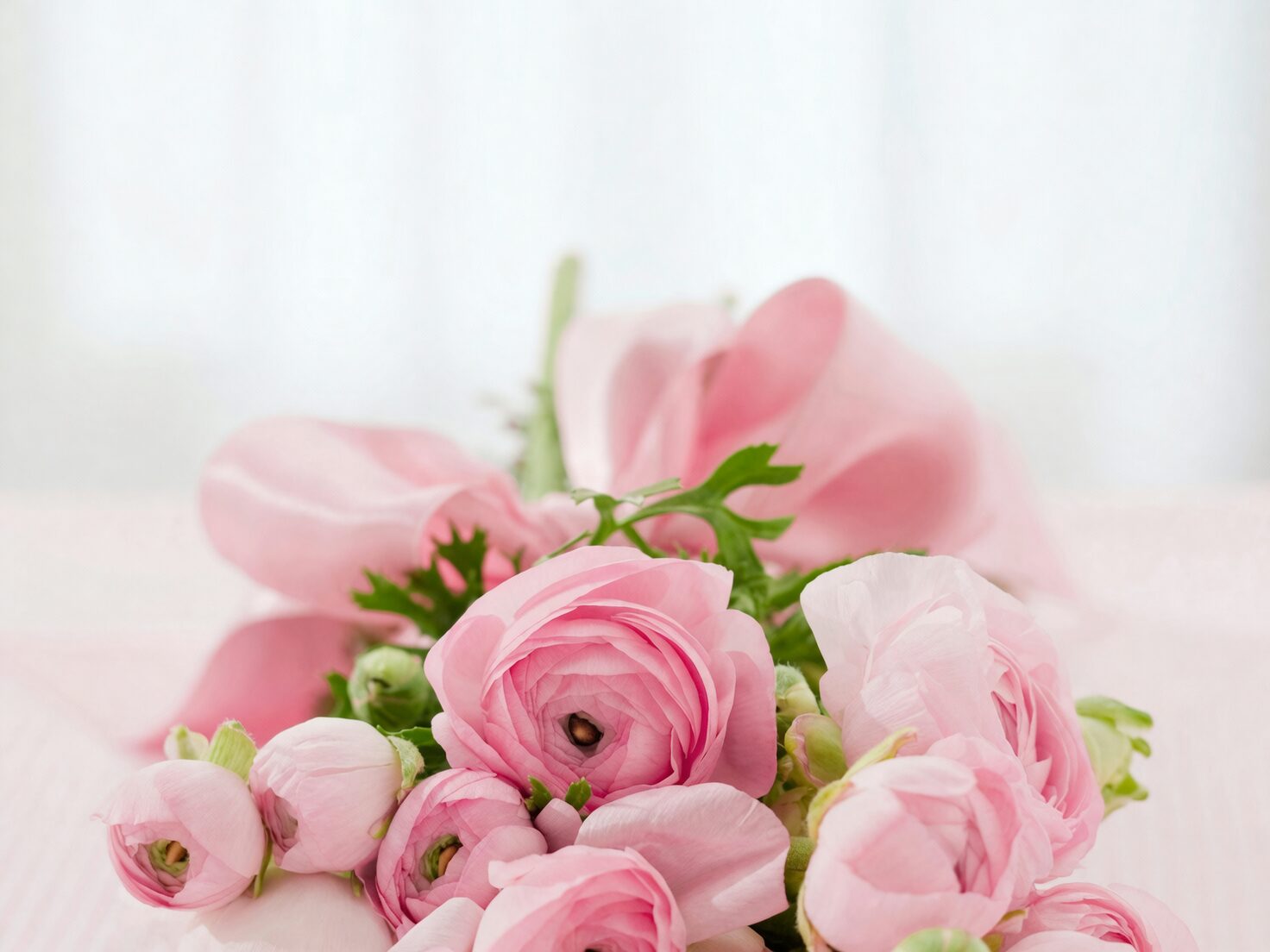
Victorian floriography—the 19th-century “language of flowers”—turned bouquets into love letters. Within that code, ranunculus conveyed a message that still feels fresh:
- “Radiant charm”
- “You are charming/attractive”
- “I’m dazzled by you”
Why this meaning? Look closely: ranunculus blooms carry a soft sheen, almost like satin, and pack astonishing petal layers. In a candlelit Victorian room, they caught and reflected light—literally radiant—so they became emblems of attraction and enchanting presence. A gentleman might send ranunculus to say, with decorum, “You leave me spellbound.”
A Victorian-style bouquet whisper
- Ranunculus (radiant charm) + myrtle (lasting love) + forget-me-not (remembrance) = admiration with sincerity and commitment
- Pale ranunculus with ivy and lily-of-the-valley = refined devotion and humility in love
These combinations feel timeless because the core sentiment—“your presence lights the room”—is evergreen.
Crossing Continents: Hanakotoba and East Asian Adoption
From European code to Japanese nuance
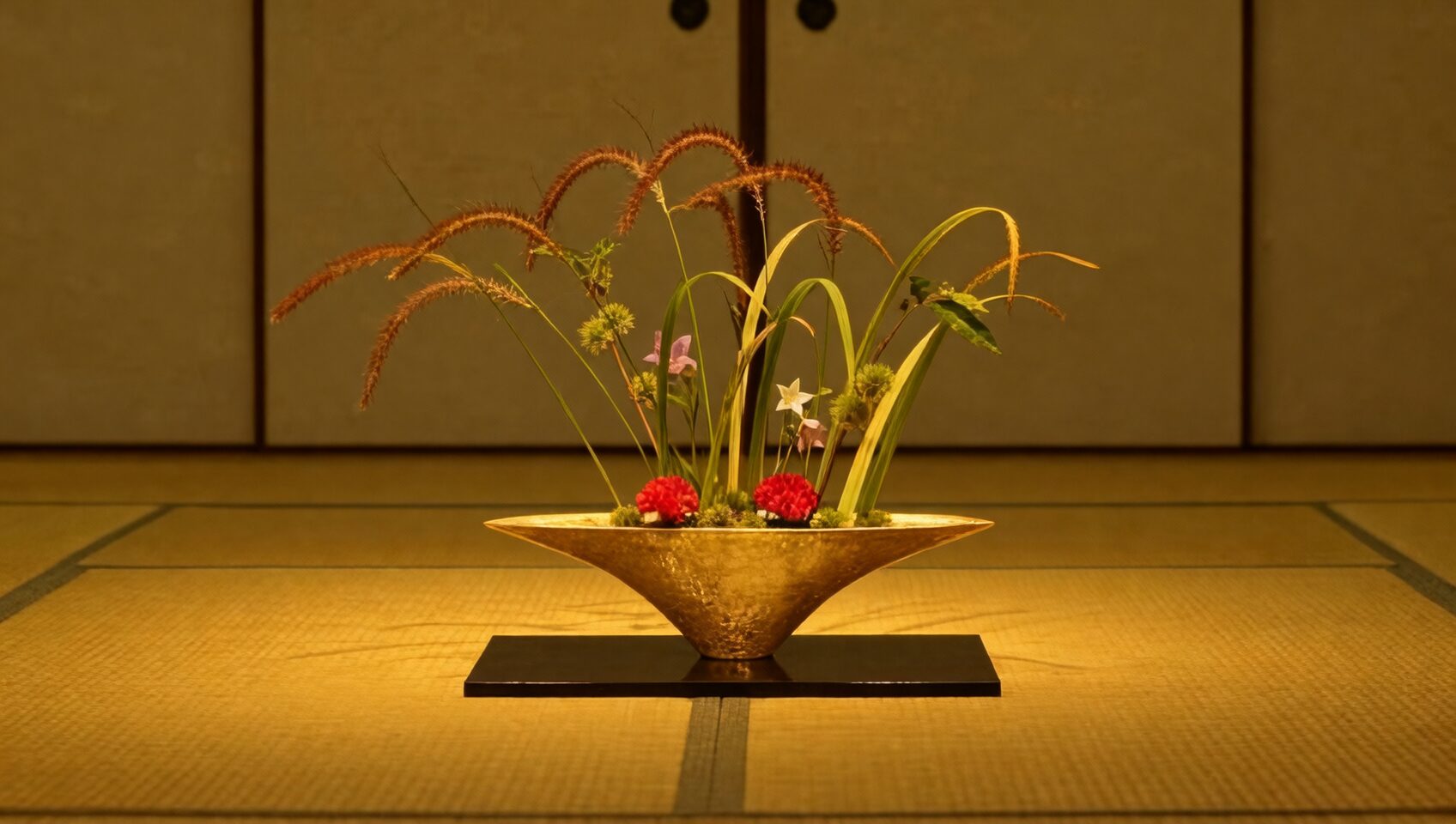
Japan’s flower language, hanakotoba (花言葉), developed in dialogue with European floriography during the late 19th century while drawing deeply on centuries of native symbolism in poetry, art, and seasonal aesthetics. Rather than a rigid cipher, hanakotoba is a cultural practice: meanings circulate through floristry, ikebana, fashion motifs, and popular media.
As ranunculus became a winter-to-spring floral staple in Japan’s markets and studios, it carried over its central idea—dazzling charm—into local usage. You’ll often see contemporary Japanese sources present ラナンキュラス (ranankyurasu) as expressing:
- Radiant beauty
- Bewitching charm
- Captivating presence
A gentle, important caveat
Hanakotoba isn’t a single, fixed dictionary. Meanings can vary by source, region, and context, and modern florists often lean into emotional tone and season rather than strict codes. The through-line for ranunculus, however—across Victorian salons and Japanese studios alike—is admiration for someone’s luminous allure.
Color nuances (use as guidance, not gospel)
- White: fresh start, sincerity, quiet brilliance
- Blush/pink: gentle affection, sweetness
- Red/berry: ardent admiration, romantic magnetism
- Yellow: cheerful praise, sunny encouragement
- Orange/apricot: enthusiasm, creative spark
Treat these as palettes for storytelling rather than hard rules. The feeling matters most.
Modern Meaning in Weddings and Gifting
Why couples say “I do” to ranunculus
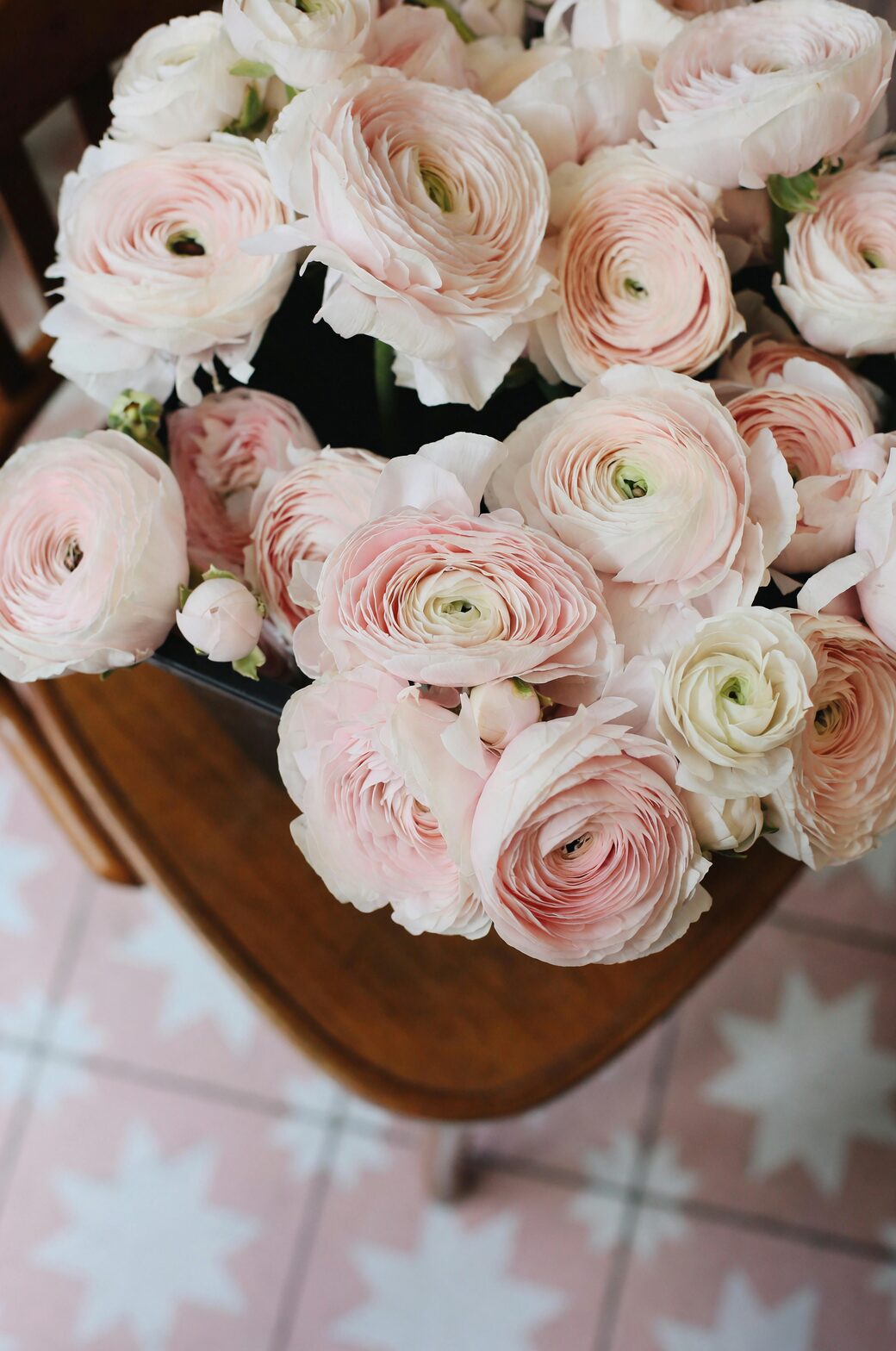
- Symbolism that fits: radiant charm, joyful celebration, and the sense of being “enchanted” by one another
- Luxe look, modern lines: peony-like fullness with a lighter, more tailored silhouette
- Photogenic: the bloom opens in stages, from tight rosette to full cup, looking fresh across a long wedding day
- Palette freedom: pastel romance, bold color-pop, or antique tones for vintage moods
Beautiful pairings:
- Garden-chic: ranunculus + anemones + garden roses + eucalyptus
- Minimal modern: all-white ranunculus with structured greens
- Sunset palette: apricot/orange ranunculus with toffee roses and caramel-toned accents
Seasonal tip: They shine in cool seasons (late winter through spring depending on climate), aligning perfectly with spring weddings.
Gift bouquets that say “you dazzle me”
Ranunculus make pitch-perfect gifts for:
- Anniversaries and romantic milestones (red to berry tones)
- Birthdays and congratulations (yellow, orange, and bicolors feel celebratory)
- New chapters: graduations, new jobs, housewarmings (creams and whites signal fresh beginnings)
Practical perks:
- Their light, often subtle scent is considerate for scent-sensitive recipients
- Sturdy stems and gradual opening make them dependable for at-home arranging
Small note for households with pets or young children: like many buttercups, ranunculus are mildly toxic if ingested and the sap can irritate sensitive skin. Display out of reach and wash hands after arranging.
Arrange Like a Florist: Buying and Care Tips
Choosing stems
- Look for buds showing color with the outer petals just starting to loosen (they’ll continue to open beautifully in the vase)
- Stems should be straight and firm; foliage fresh and unblemished
- For potted plants, compact growth, thick stems, and buds just cracking color make for longer display
Vase life essentials
- Recut stems at an angle and remove leaves below the waterline
- Use clean, cool water; refresh every 1–2 days
- Keep arrangements in bright, cool rooms, away from heat sources and direct midday sun
- Ranunculus unfurl over time—enjoy the daily transformation
A Quick Grower’s Snapshot (for the curious)
- Habit: tuberous perennial with distinctive “claw-like” tubers; often grown as a cool-season annual
- Best conditions: bright light to full sun; cool air (about 15–20°C/59–68°F days, 7–10°C/45–50°F nights); excellent drainage
- Soil: rich but fast-draining potting mix or garden loam amended with compost and coarse sand/perlite
- Water: keep evenly moist during active growth; reduce as foliage yellows; keep dry during summer dormancy
- Bloom window: late spring to early summer (earlier in mild-winter climates)
- Fun florist fact: petals often have a satin-like sheen and the blooms open gradually—ideal for arrangements that evolve over several days
Stories in the Petals: Etymology and Legends
- Name roots: Ranunculus comes from Latin rana (frog) + -unculus (little)—a nod to wild buttercups often found near streams
- Persian tale: a lovelorn prince, dressed in green and gold, becomes (or gives rise to) the ranunculus—mythic shorthand for longing and luminous beauty
- Across the ocean: some Native American stories call ranunculus “coyote eyes,” weaving playfulness and transformation into the flower’s lore
These vignettes echo what the flower communicates today: a presence so bright it changes the room—sometimes even the heart.
Quick Symbolism Recap
- Core meaning: radiant charm; captivating beauty; joyful celebration
- Wedding message: “Your light enchants me”
- Gift message: “You dazzle me” or “I admire you deeply”
From Victorian coded bouquets to hanakotoba’s refined sensibilities, Ranunculus asiaticus keeps saying what we often feel but can’t quite phrase: some people simply glow—and we’re lucky to be near their light.