
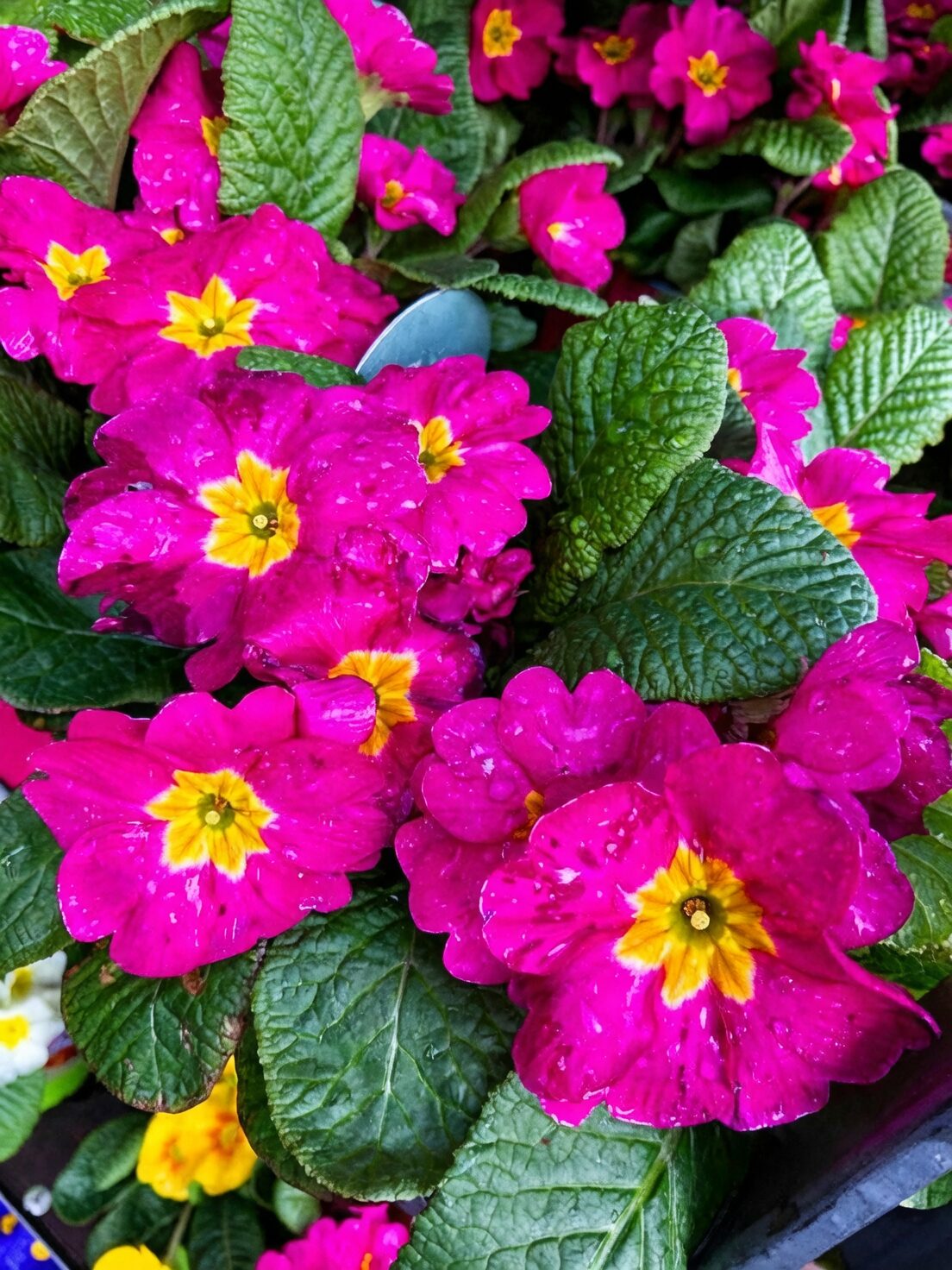
Polyanthus primrose is winter’s little firework—tight rosettes of deep green leaves sending up cheerful clusters of saturated color just when we need them most. Keep it cool, bright, and steadily moist, and it will bloom like a miniature bouquet for weeks. Fumble the heat or let the pot swing from soggy to bone-dry, and it will sulk. Here’s your month-by-month playbook to keep Primula × polyantha glowing from late winter through spring, comfortable through summer, and shipshape for an autumn reset.
The one‑minute setup that makes all the difference
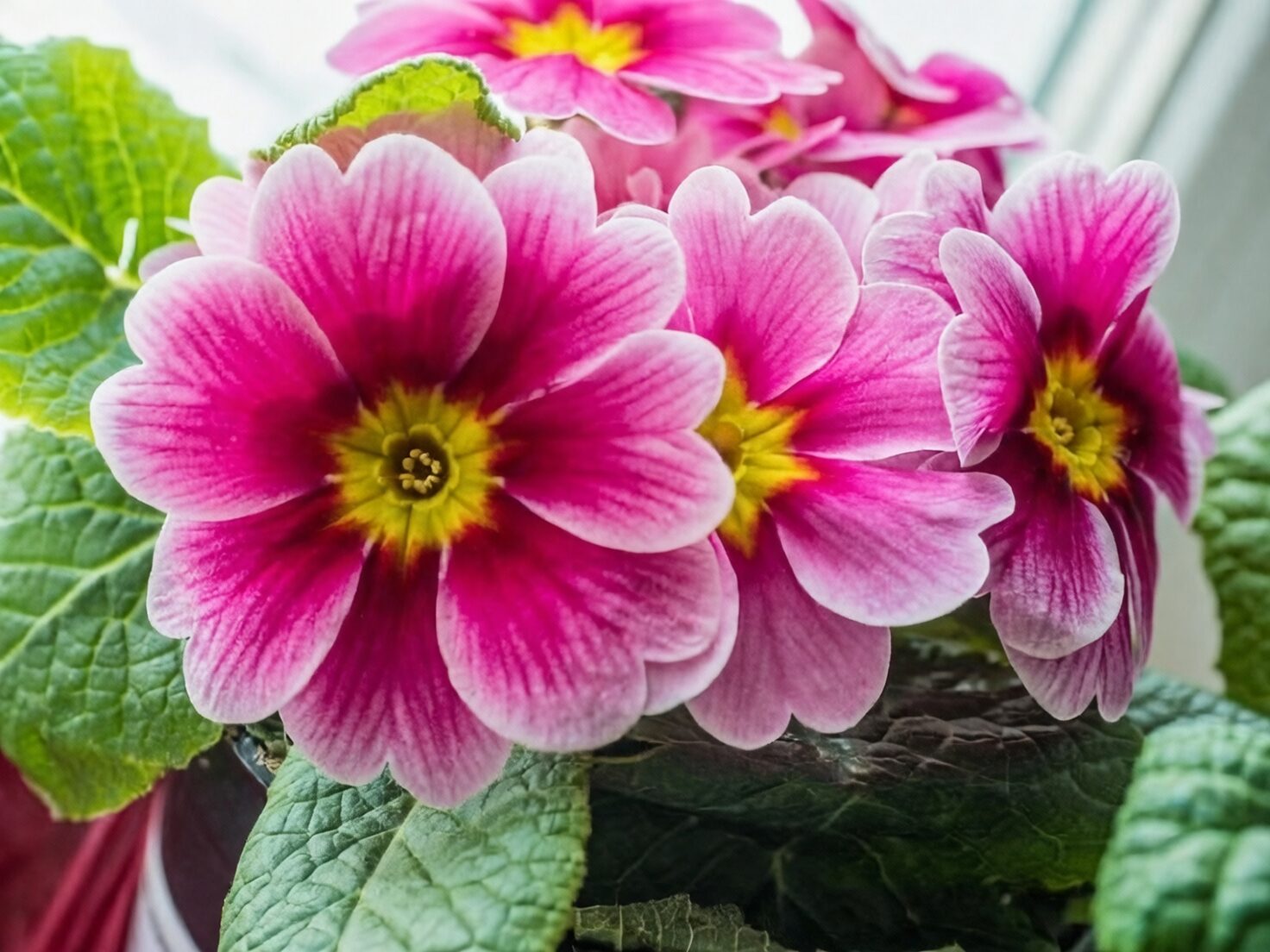
- Light: Very bright with gentle sun (east window or soft south light). Avoid harsh midday rays as days warm.
- Temperature: Cool is king—about 13–18°C (55–64°F). Keep above ~12°C (54°F) for reliable winter bloom; protect from cold injury below ~5°C (41°F).
- Moisture: Evenly moist, never waterlogged, never bone-dry. Water the mix—not the leaves or crown.
- Mix: Rich but free-draining (peat/leaf mold + perlite/sand). Crown set at or slightly above the soil surface.
- Air: Moderate humidity plus good airflow; keep splash off foliage to reduce leaf spot and gray mold.
- Placement during bloom: Keep location stable. Frequent shuffling breaks stems and shortens the show.
Month-by-month care (Northern Hemisphere)
December
- Light & placement: Bright, cool windowsill. Keep away from heaters and hot drafts. If buds are swelling, “park” the pot—minimal moving from now on.
- Water & humidity: About 2–3 times per week, as needed for even moisture. Water around the pot’s edge; drain fully. Humidify the air nearby (not the crown).
- Feeding: Every 10 days with a balanced soluble feed.
- Grooming: Remove yellowing leaves to keep the crown clean.
January
- Peak bloom joy
- Light & placement: Bright light with gentle sun. Avoid relocating or rotating—stability preserves trusses.
- Water & humidity: Typically 2–3 times per week. Keep the root zone cool and well-drained.
- Feeding: Continue every 10 days; give 1 bloom-boost application (higher P/K) early in the month.
- Deadheading: Snip spent flower stalks low at the base to push new buds.
- Temperature watch: Above ~12°C (54°F) for flowering; protect from cold snaps below ~5°C (41°F).
February
- Light & placement: Same bright, stable spot. Good airflow to deter gray mold.
- Water & humidity: Evenly moist; usually 2–3 times weekly.
- Feeding: Balanced feed every 10 days; one optional bloom-boost if buds keep coming.
- Deadheading: Keep at it; tidy foliage promptly.
March
- Light & placement: As days lengthen, keep bright light but shield from harsh midday beams.
- Water & humidity: Growth is active—often 3–4 times weekly as drying speeds up.
- Feeding: Every 10 days, balanced formula.
- Deadheading: Prompt removal keeps the display dense and clean.
- Disease prevention: Avoid wet foliage; ventilate to dodge Botrytis in cool-and-wet spells.
April
- Light & placement: Bright, cool, with gentle sun only. If outdoors by day, bring in before nights dip below ~5°C (41°F).
- Water & humidity: 3–4 times weekly is common—follow the pot’s drying rate.
- Feeding: Every 10 days; switch back to balanced if you used bloom boosters.
- Deadheading: Ongoing. Keep the crown debris-free.
May
- Show winding down
- Heat protection: Shift to the coolest, airy, lightly shaded spot you have. Avoid direct midday sun.
- Water & humidity: Reduce slightly but never let it crisp; water early morning (and, in extreme heat, lightly again at evening if the pot dries fast). Prioritize drainage and cool roots.
- Feeding: If growth slows in heat, lighten up—feed every 2 weeks or pause until it cools.
- Optional: May is a good month to surface-sow fresh seed indoors (for enthusiasts).
June
- Survival mode in warmth
- Heat protection: Bright shade, fans/open windows for airflow, clay pot to keep roots cooler. Keep away from heaters and sun-baked glass.
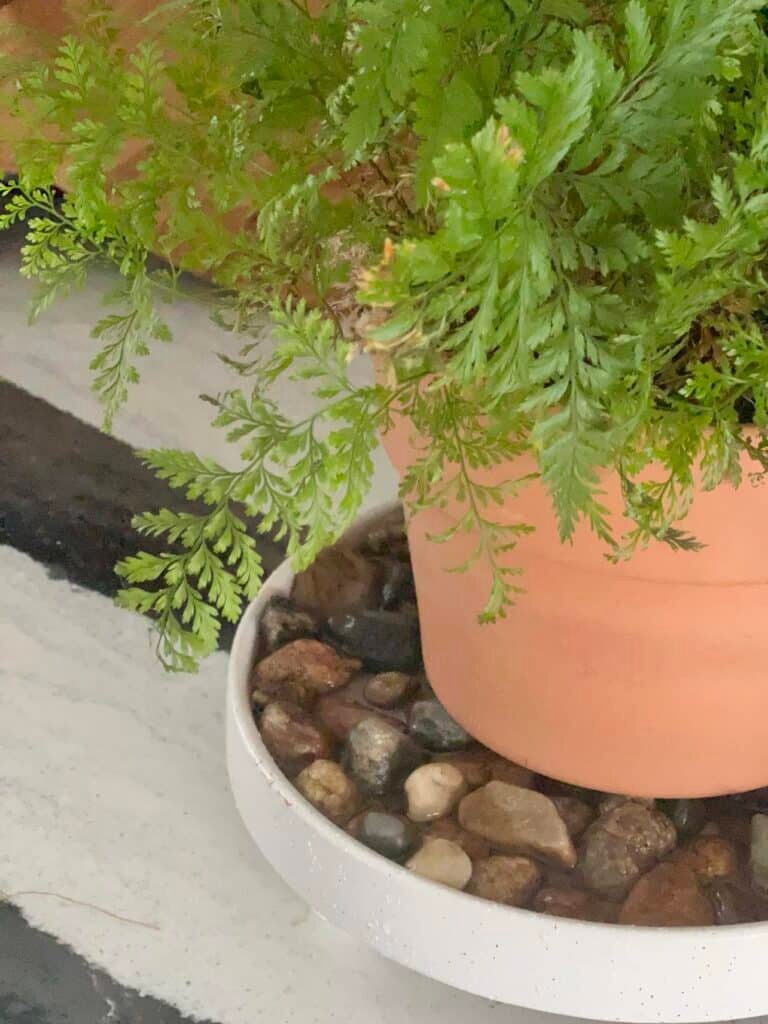
- Water & humidity: Water to maintain gentle, even moisture—never waterlogged. Humidify the air near (pebble tray with the pot sitting on stones above water line) but keep the crown dry.
- Feeding: Skip or keep very light while heat-stressed.
- Grooming: Remove lingering stalks and any spent foliage.
July
- Heat vigilance continues
- Heat protection: Same as June; consider morning-only filtered sun at most.
- Water & humidity: Consistent, cautious watering; drain thoroughly.
- Feeding: Usually none this month.
- Pests: Watch for spider mites (dry warmth invites them). Rinse gently, increase humidity around the plant, use insecticidal soap or horticultural oil if needed.
August
- Late-summer pivot
- Heat protection: Maintain bright shade and airflow; aim for cool nights if you can.
- Water & humidity: Even moisture without stagnation.
- Feeding: If nights cool and new growth resumes, reintroduce a diluted balanced feed every 2 weeks.
- Grooming: Keep the crown open and clean.
September
- Autumn reset
- Repot/divide: Prime time. Refresh the mix; keep the crown at or slightly above the surface. Divide congested clumps (see step-by-step below).
- Light & placement: Bright exposure; protect from scorching sun.
- Water & humidity: After repotting, water in and keep evenly moist (about 2–3 times weekly as needed).
- Feeding: Resume balanced feeding every 10 days once you see active growth.
October
- Bud initiation begins
- Light & placement: Bright with gentle sun; steady, cool airflow. Avoid big moves as stalks develop.
- Water & humidity: 2–3 times weekly, adjusting to conditions.
- Feeding: Every 10 days; this steady nutrition supports budding.
- Grooming: Keep spent foliage out to prevent disease.
November
- Pre-bloom care
- Light & placement: Park it in its winter show spot now to avoid moving during bloom.
- Water & humidity: Even moisture, often 2–3 times per week.
- Feeding: Every 10 days; one early bloom-boost next month can help.
- Temperature: Aim for 13–18°C (55–64°F). Keep above ~12°C (54°F) for reliable winter flowering.
Autumn repotting and division (your annual refresh)
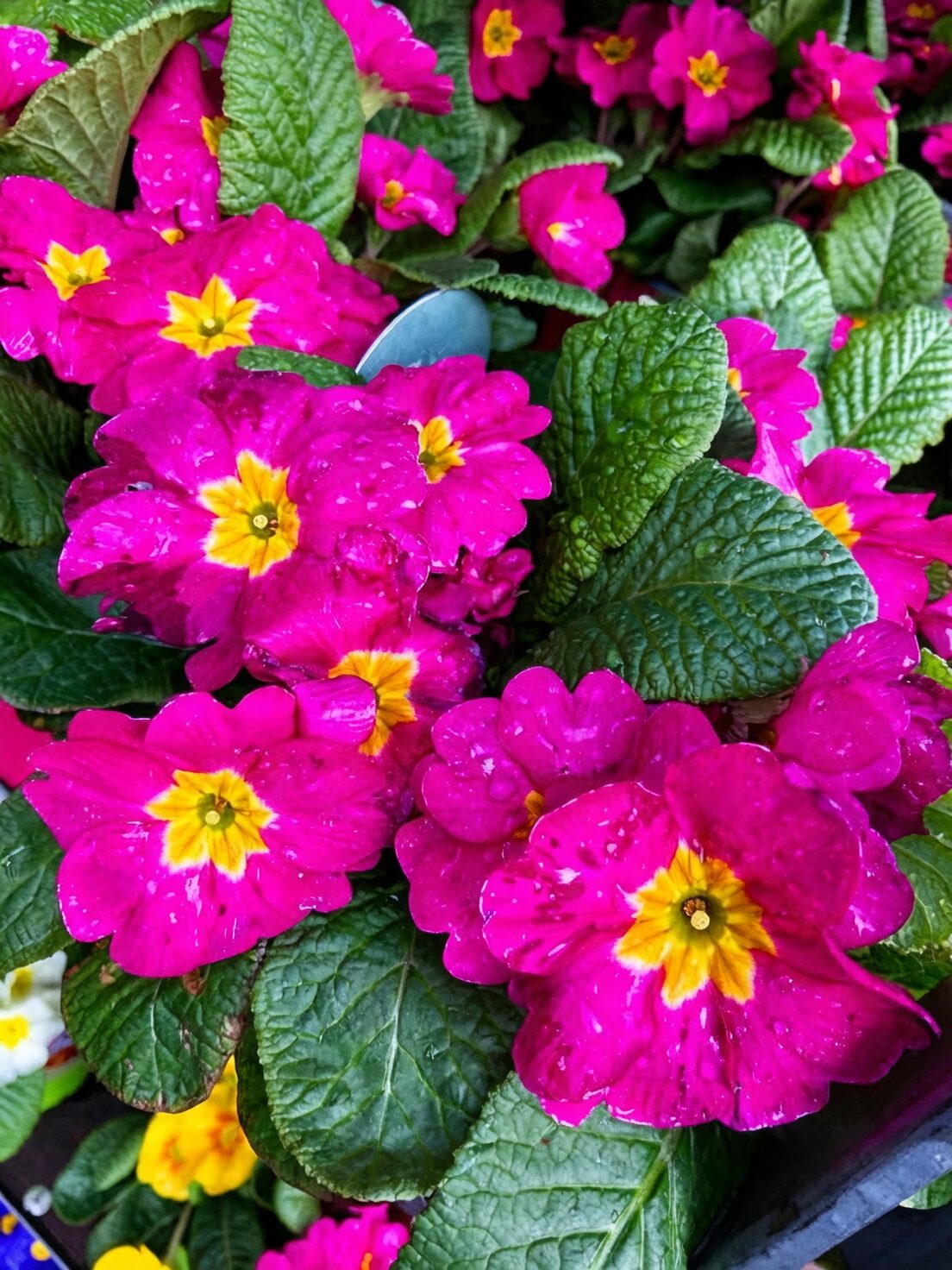
- When: September–October.
- What you’ll need: 12–15 cm (4.7–5.9 in) pots, rich airy mix (peat/leaf mold + perlite/sand), clean snips.
- Steps:
1) Unpot gently; remove tired soil and dead leaves.
2) If dividing, tease apart offsets, keeping roots intact. Trim only old, dead roots.
3) Pot singles or small groups (1–3 per pot) into fresh mix. Set the crown at or slightly above the surface—never buried.
4) Water in, drain, and keep in bright shade with good airflow. Resume regular light once new growth steadies.
5) Maintain even moisture; start regular feeding after you see active growth.
Watering and feeding—field-tested tips
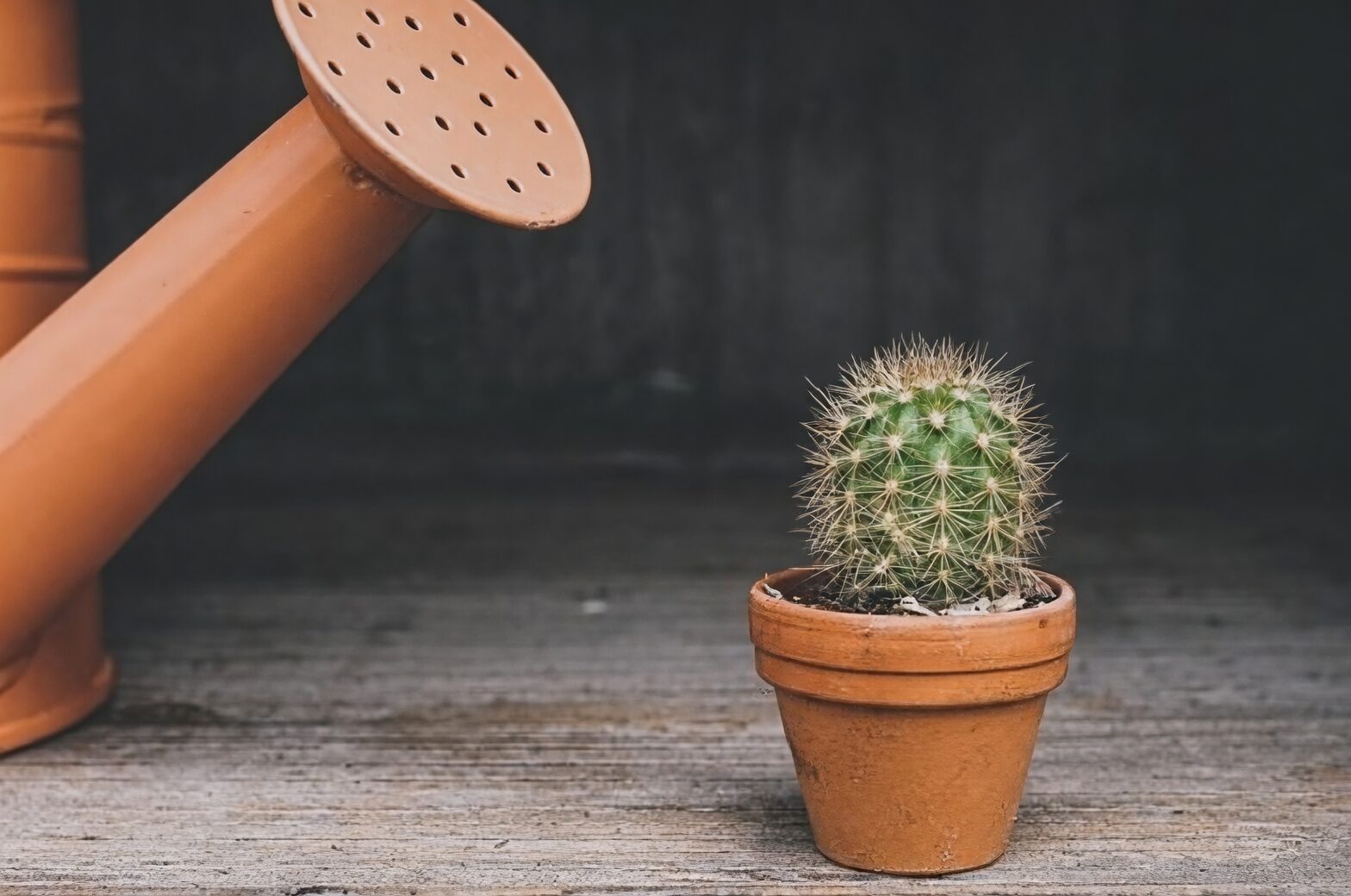
- Frequency targets (adjust to pot size, mix, and airflow):
- Winter bloom: ~2–3 times weekly.
- Spring flush: ~3–4 times weekly.
- Autumn ramp-up: ~2–3 times weekly.
- Summer heat: Water to keep the mix lightly, evenly moist; prioritize cool, airy conditions over frequent soaking.
- Technique:
- Water the substrate, not the rosette. Aim at the pot’s inner rim; pour slowly and drain completely.
- Bottom-water occasionally only if you pour off excess after 10–15 minutes—no standing water.
- Fertilizer rhythm:
- Active growth: Every 10 days with a balanced soluble feed.
- Bloom support: Add 1–2 bloom-boost applications early in flowering.
- Heat pause: Reduce or pause feeding in hot months; resume in cool weather.
Deadheading and grooming like a pro
- Spent trusses: Remove the whole stalk at the base—don’t just pick off petals.
- Leaves: Regularly pluck yellowing ones to keep the crown clean and airy.
- Hygiene: Snips and hands clean. This small habit is your best defense against leaf spot and Botrytis.
Heat protection playbook (when summer arrives too soon)
- Move: To the coolest bright-shade location with good airflow.
- Pot: Unglazed clay helps regulate root temperatures.
- Air humidity: Mist the air around the plant or use a nearby damp tray; keep water off leaves and crown.
- Water timing: Early morning; if heat is extreme and the pot dries fast, a light evening check/water is acceptable—never leave it sodden.
- Sun: No harsh midday sun. Gentle morning light only if temperatures are mild.
Troubleshooting quick cues
- Long, lanky stems and faded color: Not enough light. Move to a brighter, gentle-sun exposure.
- Sudden slump after a warm spell: Heat stress. Relocate to a cooler, airy spot; trim spent stalks; water coolly and drain.
- Mushy crown or gray fuzz: Overwet foliage/poor airflow. Clean up, improve ventilation, water the mix only, consider a labeled fungicide if needed.
- Aphids/spider mites: Rinse, adjust humidity/airflow, treat with insecticidal soap or horticultural oil (use targeted miticides only if necessary).
Safety note
Primulas aren’t usually highly poisonous, but they can cause skin irritation in sensitive people. If you’re prone to plant allergies, wear gloves, and discourage nibbling by pets and children.
Meaning, with a pinch of realism
Polyanthus primrose is widely linked with youth and renewal—one of the first splashes of color after the year’s gray months. This symbolism traces to its early-blooming habit: the “first rose” of spring in folklore and garden culture. Today the meaning holds up less as strict tradition and more as a resonant gesture—gifting a polyanthus says, “Here’s to a fresh start,” which feels exactly right when its bright trusses light up a windowsill in January.
With this calendar and a cool, bright perch, Primula × polyantha will repay you with weeks of saturated color, tight foliage, and that almost impossible winter cheer—no drama required, just even moisture, cool air, and a steady home base.