
If your balcony sighs with relief when the air turns crisp, Polyanthus primrose (Primula × polyantha) is your color-studded co-conspirator. These compact rosettes send up clusters of brilliant blooms just when we crave cheer most—late winter into spring. Pair them with equally cool-loving plants and you can map out containers and beds that stay lively through the chilly months, shrug off fickle forecasts, and glide gracefully into early summer.
Below are ready-to-plant companion maps for cool balconies and in-ground beds, plus the moisture, shade, and hardiness nuances that make the difference between “pretty” and “perfect.”
Know your Polyanthus, fast and true
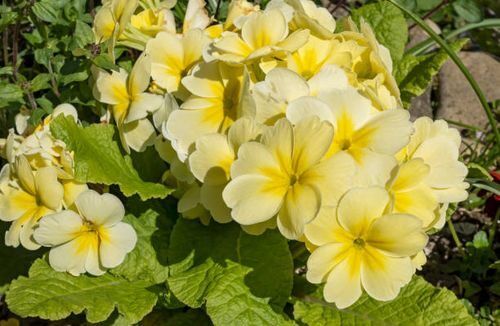
- Habit and size: Compact, clump-forming rosette; about 15–30 cm tall, 15–25 cm wide (6–12 in by 6–10 in).
- Light: Bright light with gentle sun (east or bright south). Avoid harsh midday sun as temperatures rise.
- Temperature: Thrives cool—about 13–18°C (55–64°F). Keep above ~12°C (54°F) for reliable winter bloom; protect from cold injury below ~5°C (41°F).
- Moisture: Evenly moist, never soggy; avoid wetting the crown and leaves.
- Container vs in-ground hardiness:
- Containers: Treat as not frost-hardy; protect from freezing and below ~5°C (41°F).
- In-ground: Hardiness varies by cultivar/parentage; many garden polyanthus types can be grown in cool-temperate climates (often roughly USDA Zone 4–8) when kept cool and evenly moist.
Companion-planting maps for cool balconies and window boxes
Map A: East-facing balcony bowl (the morning-sun jewel)
Container: 30–35 cm low bowl with excellent drainage; cool, bright mornings and gentle sun.
- Center ring (thrill): 3 Polyanthus primrose in a loose triangle (keep each crown at soil level).
- Quilt of cool color (fill):
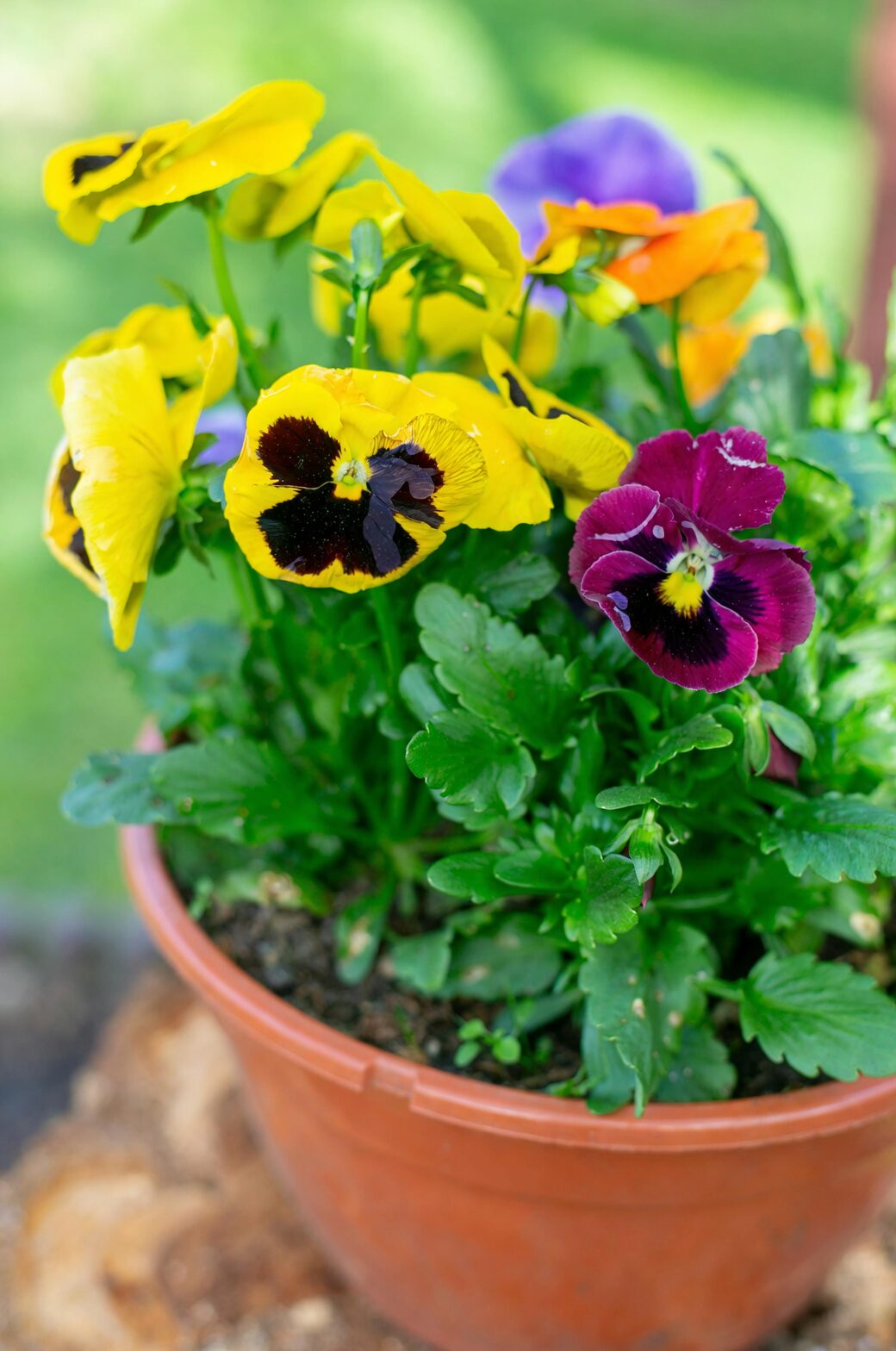
- 4–6 violas or miniature pansies tucked between primroses.
- 1 Pericallis (cineraria) in a separate, slightly taller cachepot nearby to cast gentle shade as days warm.
- Soft edge (spill): Trailing ivy (Hedera helix ‘Small-leaf’ types) or sweet alyssum for fragrance.
- Mix: Rich, free-draining potting blend (peat or leaf-mold base) with perlite/sand; airy but moisture-retentive.
- Watering: Keep evenly moist; water at soil level 2–3× weekly in winter bloom, up to 3–4× in active spring growth (adjust to drying speed). Never leave the crown wet.
- Cold note: If nights dip near 5°C (41°F) or lower, pull the bowl into a sheltered, bright, cool spot. Keep away from heaters—heat is the fast-track to sulky primroses.
Why it works: Primroses and violas love the same cool, bright conditions and even moisture. The Pericallis adds height and extra shade as spring advances without crowding the primrose crowns.
Map B: North-facing city balcony (bright shade, all-day poise)
Containers: A matched pair—one 25–30 cm bowl for primroses; one 20–25 cm pot for a shade “nurse.”
- Bowl (feature):
- 3–5 Polyanthus, spaced 15–20 cm apart.
- Underplant with moss top-dress for humidity and root-cooling; avoid moss smothering the crown.
- “Nurse” pot (microclimate maker):
- Hellebore (Helleborus × hybridus) or a small fern (Athyrium niponicum) positioned to create dappled shade.
- Texture accents:
- Carex or Acorus (miniature sedge/sweet flag) for grassy movement.
- Care cues: North light is softer—prioritize brightness. Increase airflow; keep foliage dry to prevent Botrytis.
Why it works: Hellebore and ferns thrive in the same cool, evenly moist niche and help buffer wind while raising humidity around the primroses without splashy overhead watering.
Map C: Slim railing trough (linear color for long views)
Container: 80–100 cm trough with full-length drainage.
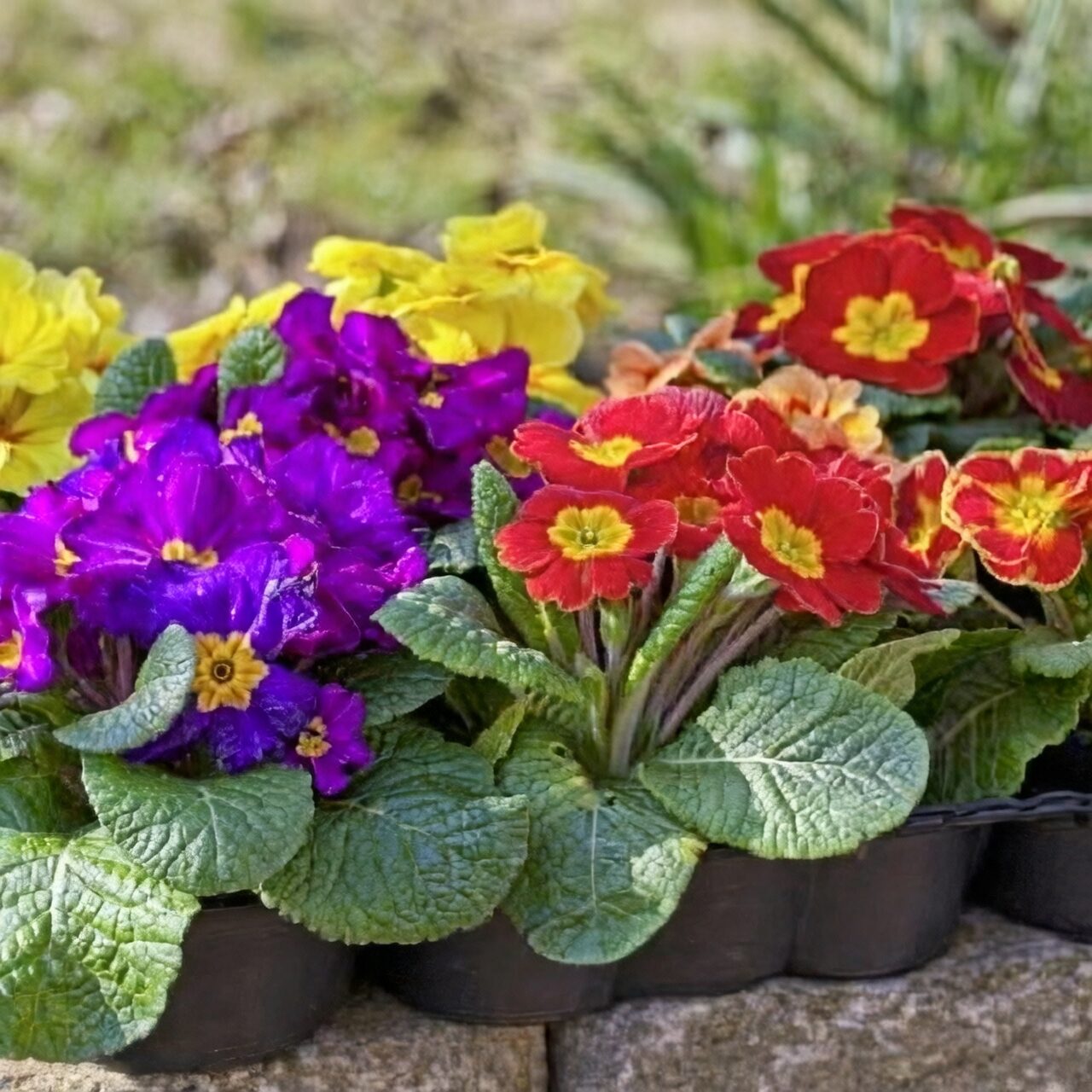
- Rhythm line:
- 4–5 Polyanthus, 18–20 cm apart.
- Tuck in forced mini daffodils, grape hyacinths, or crocus bulbs between clumps for a tiered bloom wave.
- Fragrant fringe:
- Edging with sweet alyssum or trailing viola.
- Practicals:
- Lightweight, well-aerated mix; add perlite for balcony-safe weight and drainage.
- Water along the trough length to saturate evenly; let excess run through.
Why it works: Bulbs pop up through the same cool, moist substrate and finish just as primroses hit stride—an easy, multi-layer spring show in limited space.
Container care fine print (applies to all maps)
- Keep crowns at soil level or slightly above; never bury.
- Avoid moving pots once budding begins—stems can snap and flowers drop.
- Feed lightly every 10 days in active growth; switch to bloom-supporting feeds sparingly once buds form. Keep fertilizer solution off foliage.
- Humidity/air: Moderate humidity and good airflow prevent leaf spots and gray mold.
Companion-planting maps for in-ground beds and shady borders
Map D: Dappled-shade woodland ribbon (under spring shrubs)
Setting: Morning sun, afternoon shade, or high dapple under deciduous shrubs.
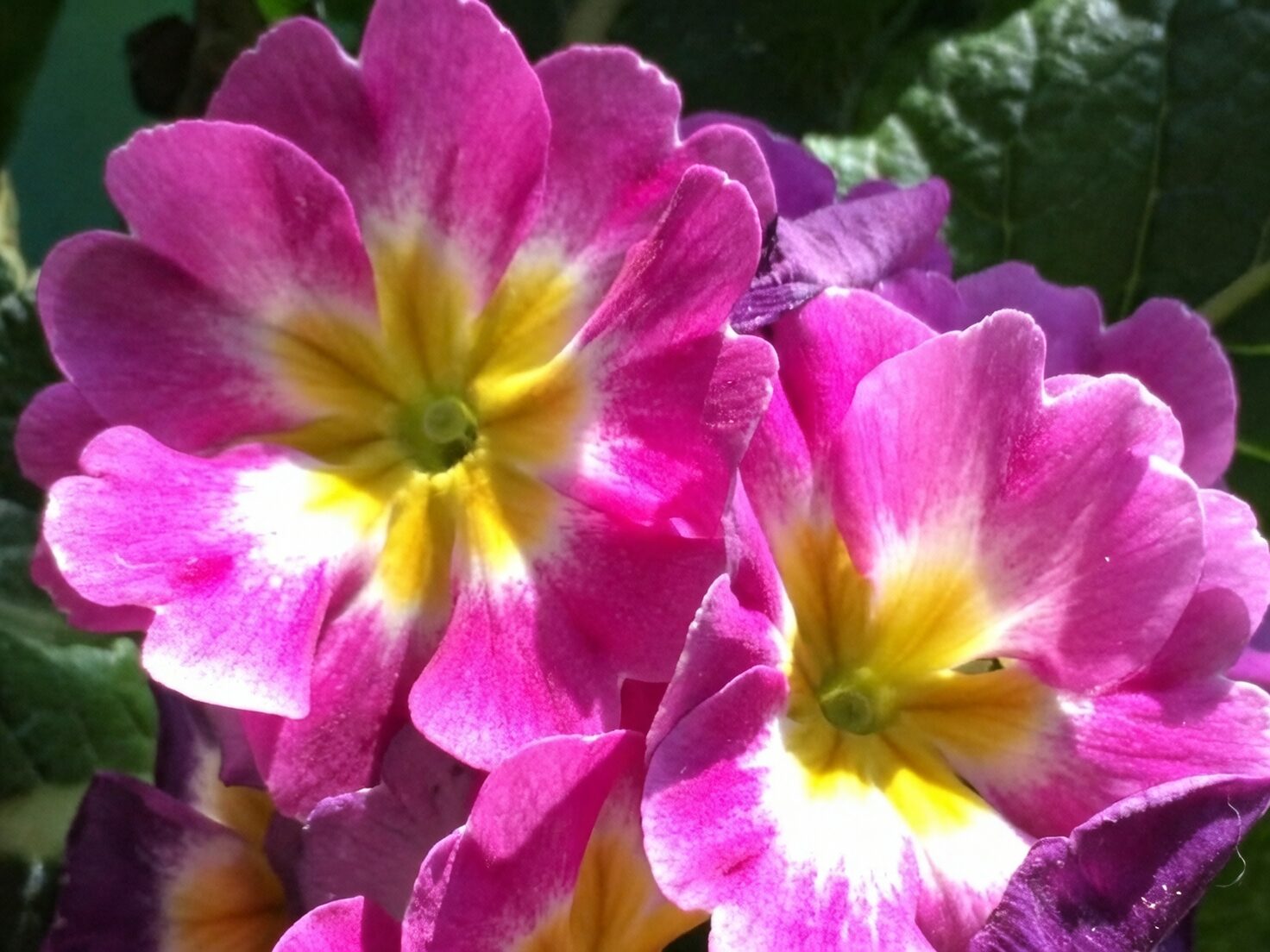
- Backdrop shrubs (choose 1–2): Azalea, rhododendron, pieris, or deciduous currant/dogwood that leaf out late, letting in spring light.
- Primary band: Drifts of Polyanthus at 25–30 cm spacing.
- Spring cohort:
- Hellebores, bleeding heart (Dicentra), foamflower (Tiarella), lungwort (Pulmonaria), Jacob’s ladder (Polemonium).
- Early bulbs: snowdrops, scilla, muscari, small-cupped daffodils.
- Summer cloak: Hostas, epimedium, and ferns emerge to shelter primrose crowns as heat arrives.
- Soil and moisture: Organic-rich, well-drained yet moisture-retentive soil (leaf mold is perfect). Water deeply to keep evenly moist; never waterlog.
- Frost tip: A lightweight fabric row cover on cold snaps preserves open blooms without baking plants.
Why it works: Deciduous canopies deliver just-right spring light; woodland perennials appreciate the same cool soil and even moisture, then offer leaf shade precisely when the primroses want it.
Map E: Pathside swale edge (cool feet, not soggy)
Setting: The upper shoulder of a rain garden or along a gently draining swale.
- Hummock planting: Set Polyanthus on slightly raised mounds to keep crowns high and dry.
- Companions: Carex, Acorus, and astilbe nearby for moisture affinity without smothering roots.
- Mulch: Fine shredded leaves or composted bark to buffer moisture and temperature—keep a ring clear around each crown.
Why it works: Primroses relish even moisture but resent stagnant wet. Hummocks and moisture-mates keep conditions steady with airflow to the crown.
Moisture, shade, and microclimate rules of thumb
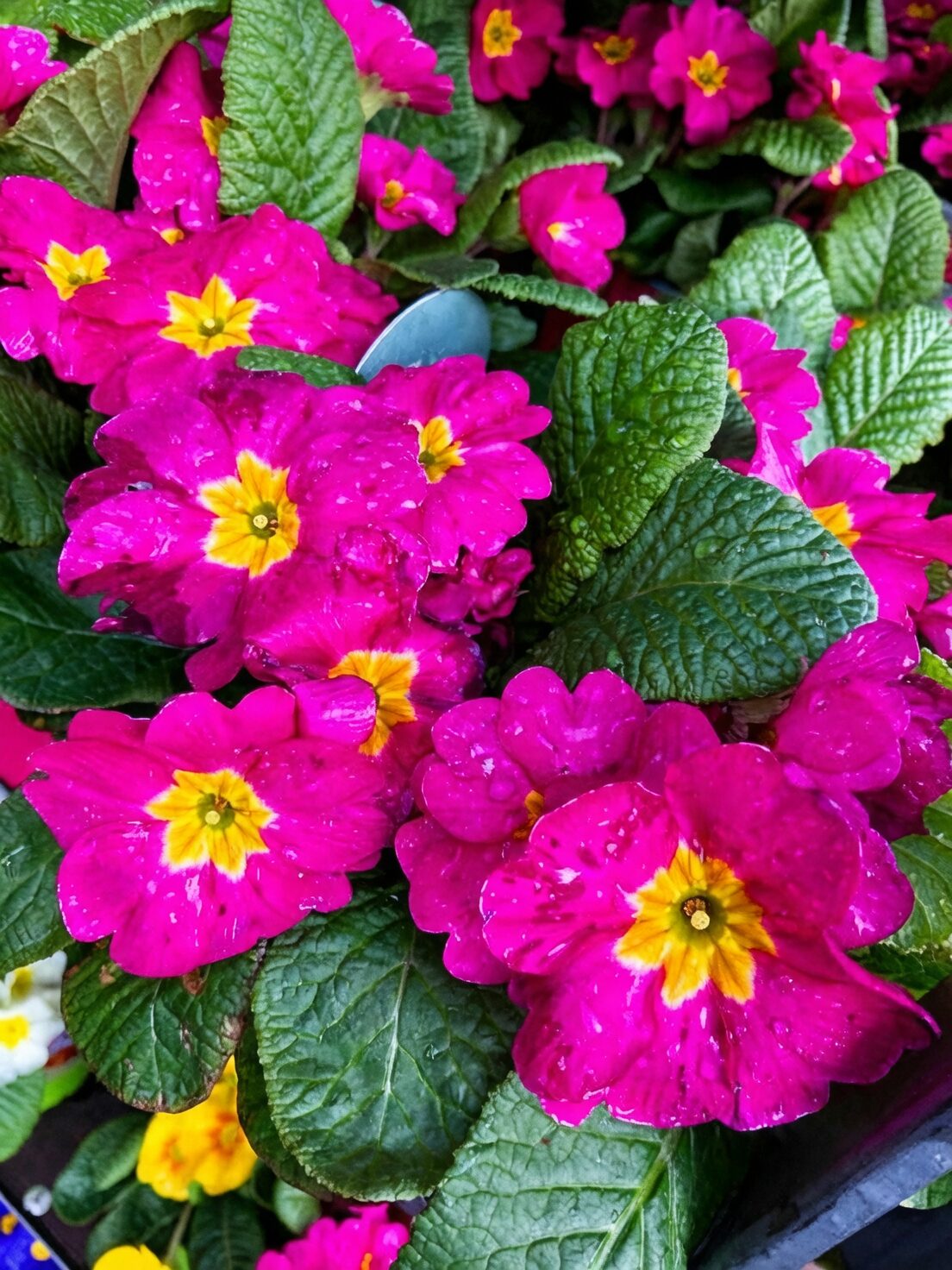
- Even moisture wins: Water when the top centimeter of mix feels slightly dry—aim for steady, cool roots, not constant wetness.
- Water the soil, not the rosette: Wet crowns invite rot and gray mold.
- Shade math:
- Winter to early spring: bright light and gentle sun build sturdy stems and vivid color.
- As temperatures rise: transition to dappled shade or morning sun only.
- Air cushions: Dense plantings should still breathe. Stagnant, cool-and-wet air breeds leaf spot.
- Mulch smart: Organic mulch cools roots, but keep it off the crown.
- Balcony hacks: Group containers to raise humidity, use light-colored pots to reflect heat, and shelter from hot drafts or heater vents.
Container vs in-ground hardiness: what changes?
- Containers:
- Treat as not frost-hardy. Protect from freezing and avoid exposure below ~5°C (41°F).
- On cold nights, shift to a sheltered, bright, cool spot (unheated porch, bright garage window).
- Insulate pots (bubble wrap, coir sleeves) to protect roots if you can’t move them.
- In-ground:
- Many garden polyanthus types can overwinter in cool-temperate regions (often roughly USDA Zone 4–8) with consistent moisture and good drainage.
- Flower buds and open blooms can be nipped by cold—use a light row cover to save the show.
- Site selection matters more than bravado: choose cool, moist-but-drained soil and dappled shade.
Seasonal choreography
- Late winter to spring:
- Bright light with gentle sun; water about 2–3× weekly indoors or in sheltered spots, more often outdoors as growth surges (3–4× weekly), adjusting to weather and pot size.
- Deadhead promptly to keep trusses coming; feed every 1–2 weeks.
- Early summer pivot:
- Heat is the enemy. Move containers to cooler, airy, lightly shaded locations; reduce watering frequency while still preventing full dryness. Prioritize root cooling and drainage, not constant wet.
- In beds, let hostas/ferns canopy the crowns.
- Autumn reset:
- Divide clumps and/or repot. Keep crowns at soil level. Resume steady moisture as flower stalks initiate for the next show.
Smart companions at a glance
- Containers: Pansies and violas, Pericallis, ranunculus, miniature ivies, sweet alyssum, small Carex and Acorus, and forced bulbs (crocus, muscari, dwarf narcissus).
- Beds and borders: Hellebore, bleeding heart, lungwort, epimedium, foamflower, Jacob’s ladder, hosta, ferns, astilbe, and a carpet of early bulbs.
- Shrubby partners: Azalea, rhododendron, pieris, oakleaf hydrangea, or redtwig dogwood—especially where spring light reaches the underplanting.
Avoid pairing with heat-lovers or drought-only plants (lavender, artemisia, most Mediterranean herbs) and bullies with dense, thirsty roots that will outcompete primroses in containers.
Troubleshooting and health
- Long stems and faded flower color: It needs more brightness. Move to stronger indirect light or morning sun.
- Yellowing leaves, gray fuzz, or leaf spots: Improve airflow, keep water off foliage and crown, remove spent blooms/leaves promptly. Use fungicides only if necessary and locally approved.
- Aphids or mites: Rinse gently, increase humidity/airflow balance, and follow with insecticidal soap or horticultural oil; targeted miticides only if needed.
- Safety note: Not considered highly poisonous, but some people develop skin irritation (often from primin). Wear gloves if sensitive and discourage pets/children from chewing leaves.
Color cues and planting palettes
- Jewel box: Deep violet primroses with sky-blue muscari and silver-splashed lungwort.
- Spring sherbet: Lemon-yellow primroses with peach ranunculus and blush hellebores.
- Woodland calm: Cream-edged primroses with soft green hostas and bronzy epimedium.
Group primroses in threes for punch, or drift them like confetti between bulbs for a meadowy look—all while keeping each crown free and clean.
A note on meaning
Polyanthus primroses are often linked with youth and renewal—fitting for a plant that opens spring’s first door. The sentiment traces to European spring festivals and Victorian floriography, where primroses signaled fresh beginnings. Today, gifting a pot of primroses still reads as “Here’s to starting bright,” which makes them ideal for late-winter housewarmings or balcony-wakening rituals.
Refreshingly cool, reliably radiant, and wonderfully companionable—Primula × polyantha thrives when you map moisture, shade, and microclimate as carefully as you pick colors. Get those right, and your balcony bowls and woodland ribbons will sing from the first thaw to the edge of summer.