
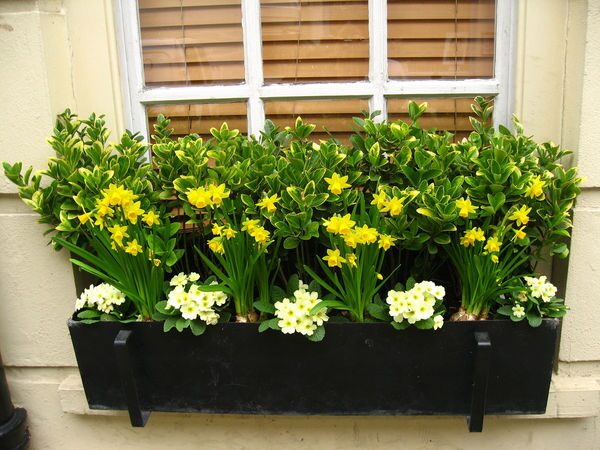
Imagine waking up to a windowsill that looks like a curated color bar—velvety solids, crisp bicolors edged like pastry, and glossy leaves pooling like dark satin. That’s the magic of Polyanthus Primrose (Primula × polyantha): a cool-season hybrid that brings winter-to-spring brightness to rooms while staying remarkably chic and compact. The trick? Pair the right flowers and pots, then stage them in gentle east or south light that flatters the blooms and keeps plants comfortably cool.
Meet the plant: compact color with poise
- Botanical profile: Primula × polyantha (Polyanthus Primrose), family Primulaceae
- Look: Tight rosettes of deep green leaves send up multiple stems topped with dense clusters of bright flowers—solid shades and smart bicolors abound
- Size: 15–30 cm tall, 15–25 cm wide (6–12 in tall, 6–10 in wide)
- Season: Peak indoors from late winter into spring (often mid-winter)
Design bonus: Flowers hold color best in bright light and cool air. Think “well-lit, sweater-weather windowsill.”
Light like a stylist: east and south windows done right
Bright light with gentle sun is ideal—and the quality of light shapes both color richness and plant habit.
East window: soft spotlight
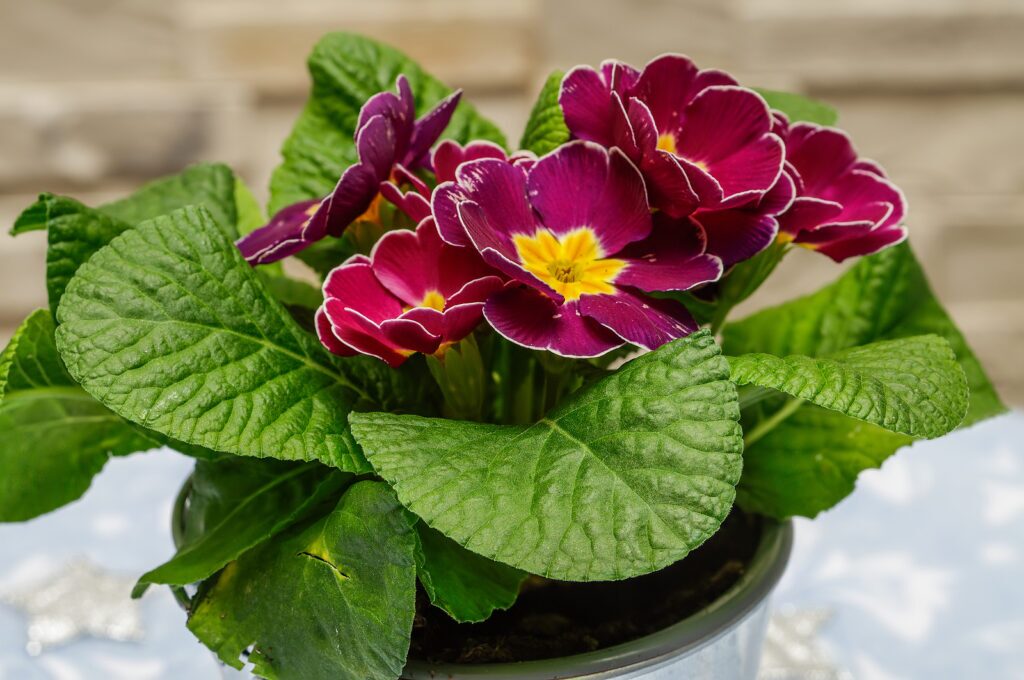
- Morning sun, bright afternoons: great for keeping blooms saturated and stems compact.
- Styling cue: line up a trio of pots so each clump reads like a bouquet “button.”
- Cooling move: crack the window slightly on mild days (above 5°C/41°F) to lower the night temperature.
South window: filtered brilliance
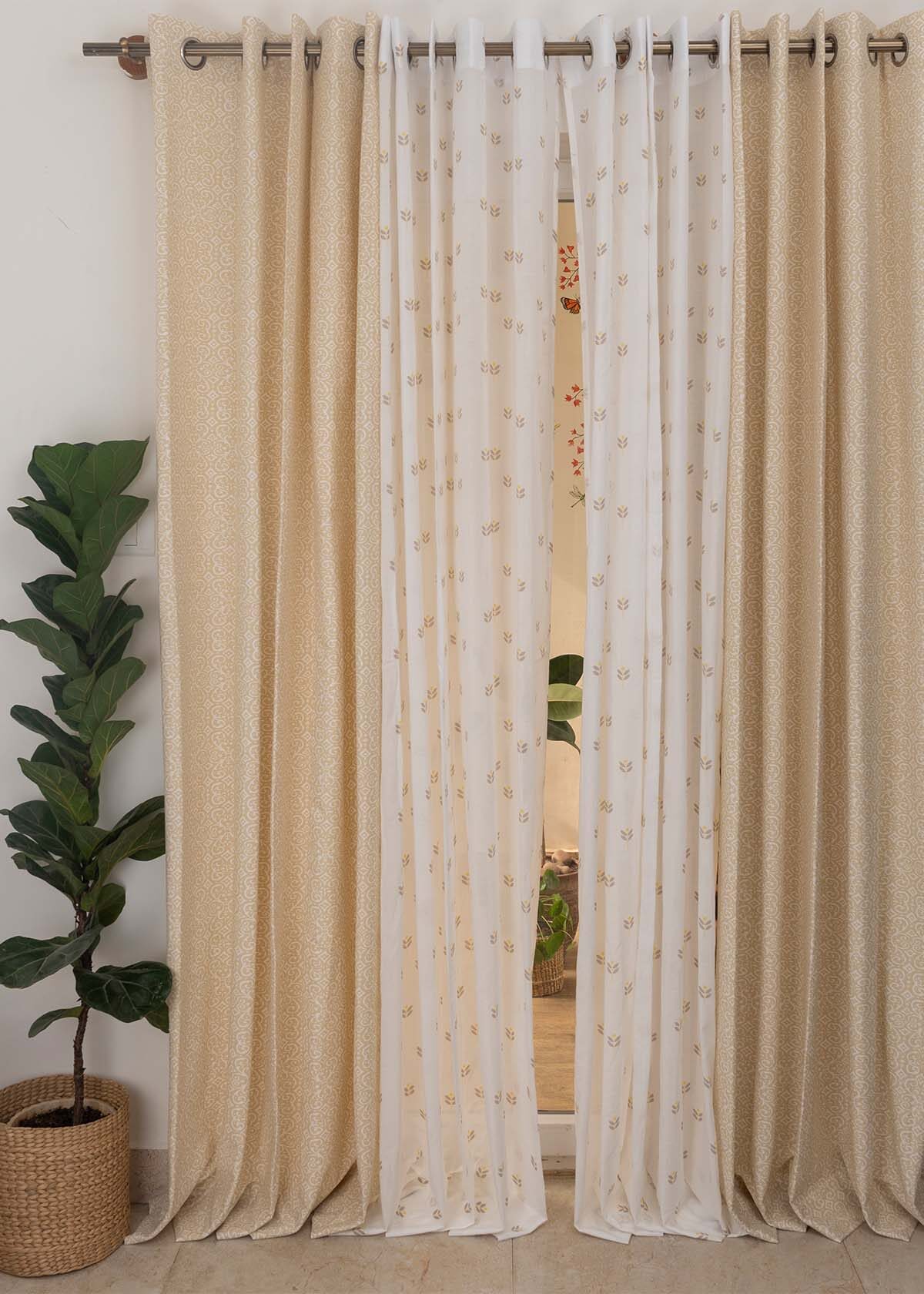
- Give gentle sun, but screen out harsh midday rays, especially as temperatures rise.
- Use sheer curtains, a plant stand set back 30–60 cm from the glass, or diffuse through a frosted pane.
- Keep away from heaters and hot drafts; warmth shortens bloom life and invites leaf problems.
Ideal temperature band: 13–18°C (55–64°F). Protect from cold injury below ~5°C (41°F) and keep it above ~12°C (54°F) for reliable winter bloom. Heat is their kryptonite.
Pairing solids and bicolors: palettes that sing
Polyanthus breeding has exploded the color wheel—making it easy to design like a florist. Mix one dramatic bicolor with supportive solids for a polished vignette.
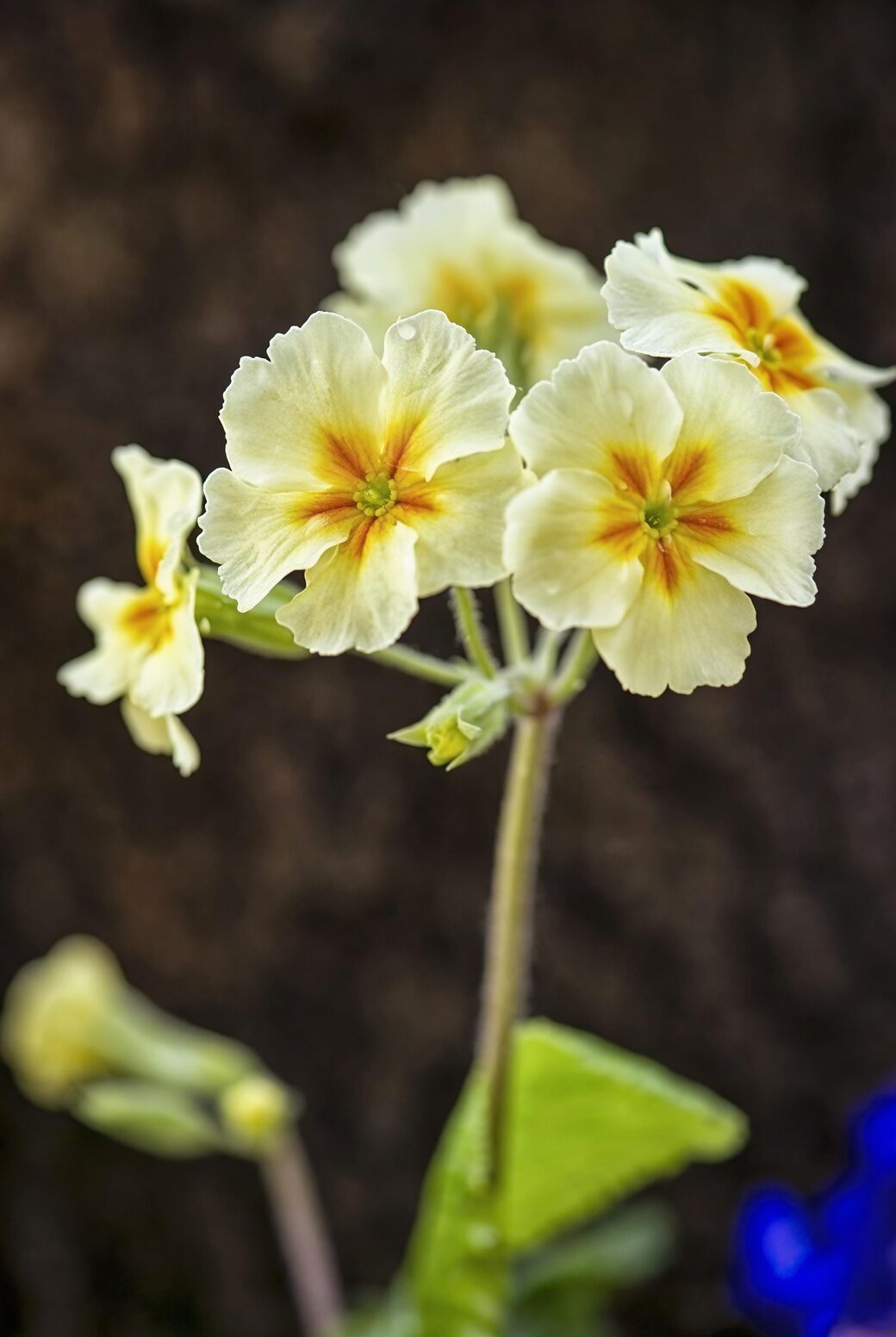
Spotlight bicolors (the “statement pieces”)
- Gold-laced classics: deep chocolate-maroon petals with a gilt edge and golden eye (e.g., Polyanthus ‘Victoriana Gold Lace’). Moody and glamorous.
- Champagne blush tones: soft creams kissed with apricot or blush (e.g., ‘Stella Champagne’)—airy, luminous, irresistible in morning light.
- Star-eye or picotee styles: clear petals rimmed or ringed with a contrasting edge; crisp and graphic.
Design tip: Give your statement bicolor the center pot; flank it with two complimentary solids.
Supportive solids (the “color anchors”)
- Jewel tones: saturated magenta, crimson, and royal purple hold their own on gray days.
- Citrus brights: lemon, clean yellow, and tangerine wake up dim corners.
- Porcelain pastels: shell pink and butter-cream layer beautifully with soft ceramic finishes.
Curated palette ideas
- Jewel box: ‘Victoriana Gold Lace’ + solid royal purple + crimson in matte charcoal and brass-accented pots.
- Citrus sorbet: tangerine bicolor + lemon + white in pale stone and sand-colored clay.
- Fire-and-ice: scarlet + white picotee + blush champagne in glossy white, smoke glass, and pale concrete.
- Monochrome modern: three shades of pink (blush, rose, fuchsia) in satin-finish porcelain for tonal depth.
Pro tip: Choose plants bristling with plump, just-opening buds so your color story lasts.
Pots, textures, and the art of keeping roots cool
These primroses adore steady moisture but loathe soggy mix or hot roots. Your container choices can do both aesthetics and plant health a favor.
Material matchups
- Glazed ceramic (light colors): reflects heat, holds even moisture—great for bright, warm rooms.
- Unglazed clay/terra-cotta: breathes and cools roots, but dries faster; line as a cachepot or monitor moisture closely.
- Pale concrete or stoneware: modern look, gently cooling; ensure excellent drainage.
- Woven baskets as cachepots: slip a plastic grow pot inside; the air gap insulates, the basket softens the vignette.
Smart container tactics
- Double-potting: place the nursery pot inside a slightly larger decorative pot. The air gap moderates temperature and drainage.
- Footed saucers or pot feet: lift pots so excess water clears fast—no wet, stagnant bases.
- Light-reflective surfaces: white trays or pale stone tiles under pots bounce light and reduce heat buildup.
- Soil mix: rich but free-draining—peat/leaf-mold base amended with perlite and a pinch of sand. Set the crown at or just above the soil surface.
Watering and feeding: the “evenly moist” rhythm
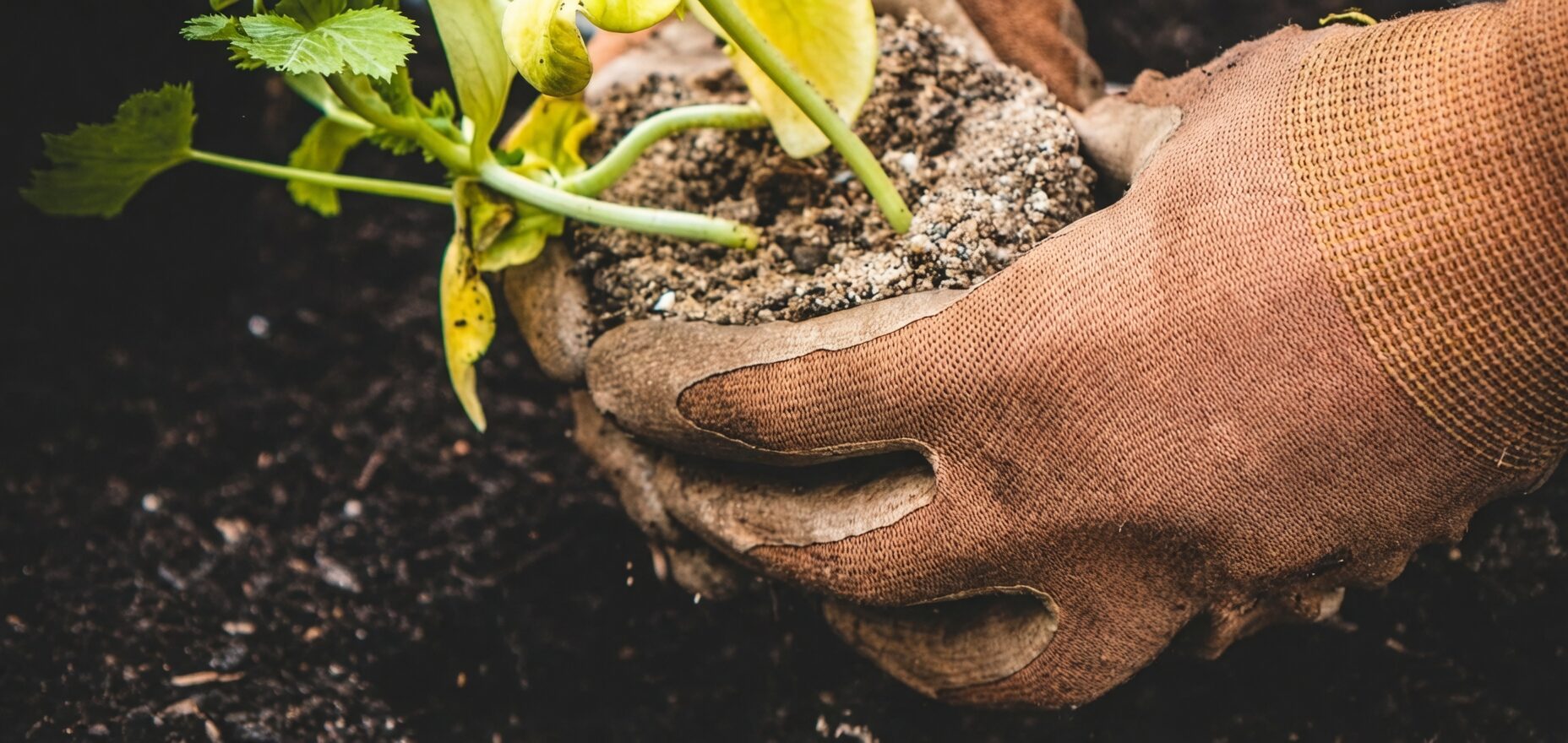
- Watering: Keep the mix evenly moist—never bone-dry, never waterlogged. Water at soil level and keep moisture off leaves and the crown whenever possible.
- Winter (peak bloom): about 2–3 times per week, adjusting to temperature and airflow.
- Spring (active growth): often 3–4 times per week.
- Autumn (bud initiation): about 2–3 times per week.
- Summer/after flowering: reduce watering, move to a cooler, airy, lightly shaded spot. In extreme heat, prioritize root cooling and airflow over frequency.
- Feeding: Every 10 days during active growth with a balanced soluble fertilizer. Once buds form, continue regular feeding and add 1–2 bloom-boost applications (higher P/K) early in flowering. Keep fertilizer off foliage.
Bottom-watering is fine if you drain fully; never let pots sit in water.
Buying guide and first-week placement
- Choose compact, sturdy plants with deep green leaves, a firm crown, and thick buds just cracking color. Petals should be vivid and intact.
- On arrival: park them in bright light with gentle sun (east or south exposure), away from heaters and hot drafts.
- During bloom: keep placement fairly stable; frequent moving can snap stems or trigger flower drop. If you must adjust, do it gently and infrequently.
Grooming for a long, luminous display
- Deadhead: remove spent flower stalks promptly to channel energy into new trusses.
- Tidy: pick off yellowing leaves to keep the crown clean and reduce disease pressure.
- Airflow: bright, cool, and well-ventilated beats damp and stagnant every time.
Styling recipes: small-space vignettes
- Windowsill runway: three 12–15 cm (4.7–5.9 in) pots—center a gold-laced polyanthus, flank with lemon and royal purple solids in matte charcoal, pale stone, and satin white.
- Coffee-table trio: one champagne bicolor + two blush solids in low, wide bowls; add a pale pebble mulch to cool the root zone and echo petal edges.
- Balcony moment (cool seasons): group five mixed polyanthus (try a Crescendo-type mix plus a standout bicolor) in a long trough; position for morning sun and bright shade thereafter.
Keep them happy: environment essentials
- Sunlight: bright light with gentle sun; avoid harsh midday rays as temperatures climb.
- Temperature: best at 13–18°C (55–64°F); keep above ~12°C (54°F) for bloom, protect below ~5°C (41°F).
- Humidity: moderate, with good airflow. In hot, dry spells, raise local humidity by misting the air around the plant—not the leaves/crown.
- Placement: bright, cool windowsill or sheltered balcony/patio in cool seasons; far from heaters and hot drafts.
Health check: common issues and quick fixes
- Long stems, faded colors: too little light. Move to a brighter east/south setup with filtered sun.
- Wilting despite moist soil: root/crown stress—ensure drainage, avoid waterlogged mix, and keep the crown at soil level.
- Leaf spots or gray mold (Botrytis): often from wet foliage and stagnant air. Improve airflow, remove affected tissue, avoid overhead watering; use fungicides only if necessary and as labeled.
- Pests: aphids, spider mites. Rinse gently, improve humidity/airflow balance, and use insecticidal soap or horticultural oil if needed.
Safety note: Not typically highly poisonous, but primulas can cause skin irritation in sensitive people. Wear gloves if prone to plant allergies and deter pets from nibbling.
After the show: short-term joy or long-term experiment?
Indoors, polyanthus are moderate to challenging because they want cool days and cool nights. Many people enjoy them as seasonal color, then:
- Transition to a cool, airy, lightly shaded spot as heat arrives.
- Repot in autumn into a fertile, airy mix; divide offsets then if needed (1–3 divisions per pot).
- Seed is possible (best sown very fresh around May on the surface of a sterilized peat/perlite mix at 15–18°C), but it’s finicky.
In the ground, outdoor hardiness varies by cultivar and climate; many garden polyanthus types cope in mild-to-cool temperate regions when kept evenly moist and cool. In containers, treat them as not frost-hardy—protect from freezing and from dips below about 5°C (41°F).
Flower language, thoughtfully unpacked
Polyanthus primroses are often associated with youth and renewal—a sentiment rooted in their timing as some of the first bright blooms of the year. Victorian floriography amplified these meanings, gifting primroses as emblems of fresh beginnings and hopeful affection. While not a scientific “language,” the symbolism resonates: after long, dim months, their clean colors and tidy rosettes read as a promise—of light returning and routines refreshing.
Quick specs for design planning
- Height/spread: 15–30 cm tall; 15–25 cm wide
- Light: bright with gentle sun (east/south), avoid harsh midday
- Temperature: ideal 13–18°C; protect below 5°C; keep above ~12°C for bloom
- Water: evenly moist, never soggy; avoid wetting leaves/crown
- Soil: rich, free-draining, crown at/above soil line
- Care level: moderate with the right cool, bright conditions; often challenging in warm, dry homes
- Best season indoors: late winter to spring
Bring them home for the color—stay for the calm. With the right pairings and a cool, bright perch, Primula × polyantha turns any windowsill into a small celebration of light, texture, and early spring optimism.