If your garden lives in the warm, forgiving band of USDA Zones 10–12, Arrowhead vine (Syngonium podophyllum) is the leafy understory star you’ve been waiting for. Think silky, arrow‑shaped foliage that morphs into more lobed, dramatic leaves with age; a plant that’s equally happy tumbling from a basket or marching up a moss pole. Best of all, it thrives in those humid, shaded nooks where many ornamentals sulk. With a container-first approach, smart pruning, and a watchful eye on cool snaps, you’ll have lush, controlled growth—no rampant takeovers, just tropical finesse.
Meet the plant: adaptable, shapely, and fast
- What it is: Syngonium podophyllum, commonly called Arrowhead vine, Arrowhead plant, Goosefoot plant, or Nephthytis. Family: Araceae.
- Where it’s from: Tropical America—from Mexico down to Bolivia and the West Indies—now widely cultivated and naturalized in warm regions.
- Growth style: Starts as a compact mound, then vines. Trails beautifully or climbs readily when you offer support.
- Leaf magic: Juvenile leaves are crisp, arrow-shaped; mature foliage often develops extra lobes for a more dramatic silhouette. Many cultivars sport creamy or silver variegation.

Indoors or out, it’s easygoing—fast to root from cuttings and quick to fill space. Kept pinched, it stays petite (about 6–8 in/15–20 cm); let it roam with support and it can reach roughly 35 × 24 in (90 × 60 cm).
Why Zones 10–12 gardeners love it
- It luxuriates in bright, indirect light and partial shade.
- Warmth and humidity suit it perfectly—exactly what shaded courtyards, covered patios, stair corners, and pondside walls often provide.
- It’s a natural candidate for containers and hanging baskets in sheltered outdoor spots, avoiding harsh sun.
Tip: Variegated types need brighter filtered light than solid green to hold their pattern.
Shade-loving style: where to place it outdoors
- Dappled shade under trees, or against an east-facing wall where morning light is gentle.
- Covered patios, atriums, or breezeways with high humidity and good airflow.
- Near water features (but out of splash zones that keep leaves wet late in the day).
Avoid harsh midday or afternoon sun, which can scorch or bleach foliage.
Keep it contained to prevent spread
Arrowhead vine can root where nodes touch damp surfaces and may naturalize in warm climates. For a beautiful, well-behaved display:
- Grow in containers or hanging baskets instead of open ground.
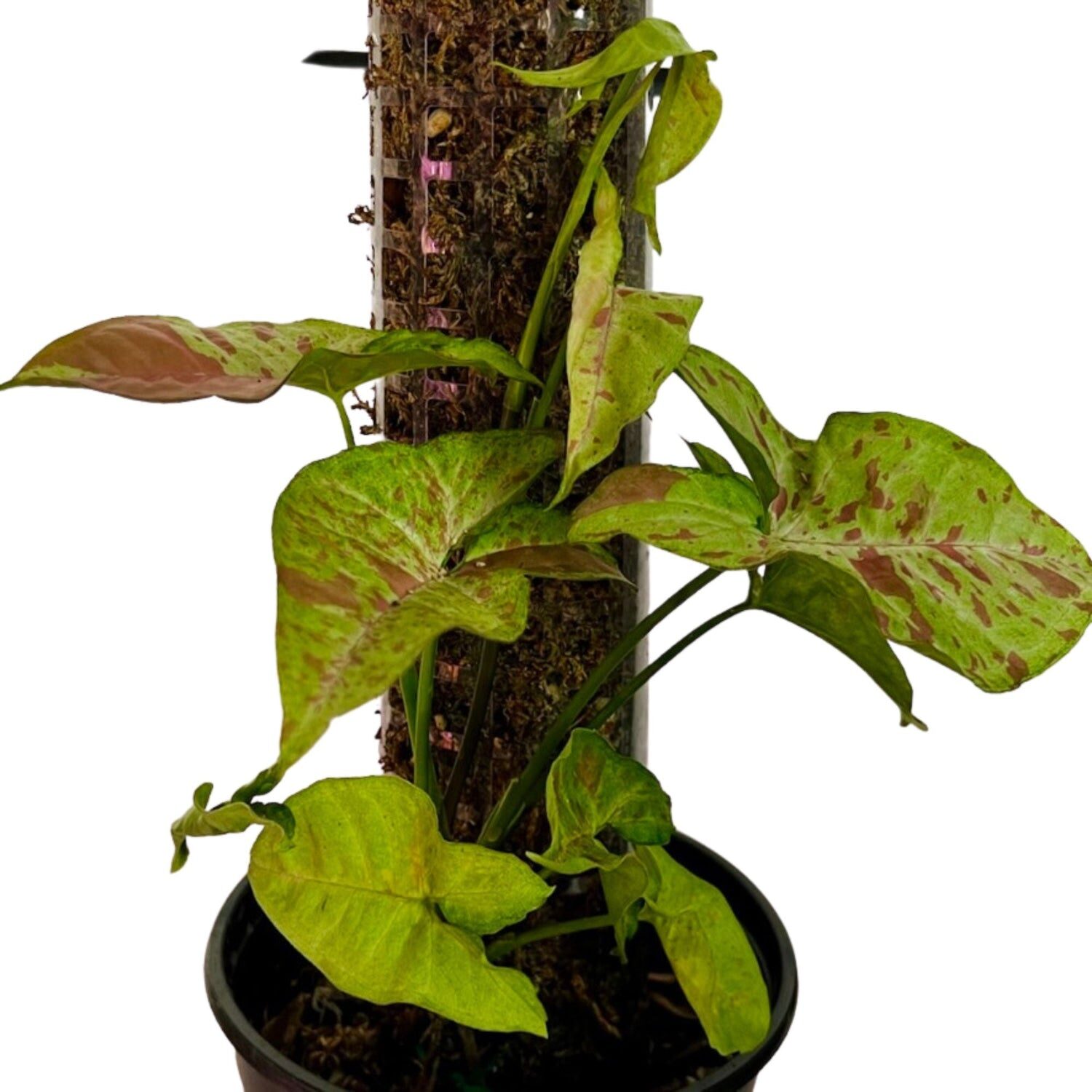
- Add a moss pole or trellis for an upright, tidy look; or let it cascade from a basket where stems don’t contact soil.
- Regularly prune back runners and promptly discard trimmings; don’t toss cut stems onto soil where they can root.
Container sizes that work well:
- Compact plants: 4–6 in (10–15 cm) pots
- Fuller plants or poles: 6–8 in (15–20 cm) pots
- Hanging baskets: 6–7 in (15–18 cm)
Temperature and the “bring‑in” rule
- Happy range: roughly 59–73°F (15–23°C), tolerates up to about 84°F (29°C).
- Chilling threshold: Keep it above about 54°F (12°C) to avoid cold damage. Yellowing and leaf drop become likely below ~41°F (5°C).
- Action plan: When a cool snap is forecast to dip near 54°F (12°C), move containers indoors or to a protected, warm alcove. Growth usually restarts when temps rise above ~50°F (10°C).
The perfect potting mix and moisture rhythm
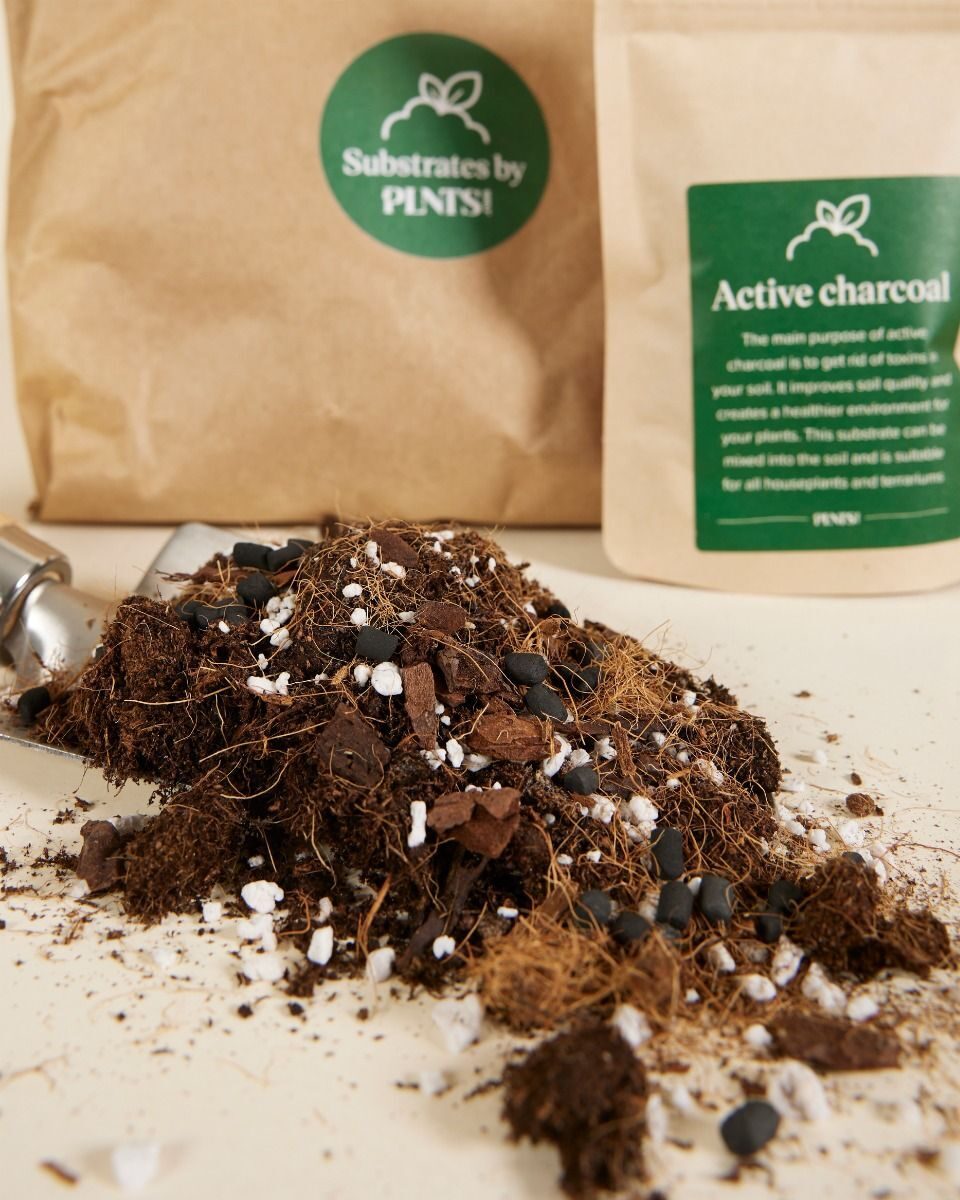
- Mix recipe: A loose, airy aroid blend—peat or coco coir plus perlite and/or fine bark; a small dose of leaf mold or compost adds richness. Aim for slightly acidic, well-draining, springy texture.
- Watering:
- Spring–autumn: Water when the top layer of mix just dries—keep soil lightly, evenly moist but never soggy. Empty saucers.
- Winter or cool spells: Water less often, allowing the top to dry a bit more between drinks.
- Stress signals:
- Overly wet roots: yellowing, drop, or mushy stems.
- Prolonged dryness: smaller, rougher leaves and limp stems.
Humidity: the finishing touch
Medium to high humidity keeps leaves glossy. Outdoors in Zones 10–12, ambient moisture often does the job. If your microclimate runs dry:
- Cluster containers together.
- Set pots on pebble trays with water (pot above, not in, the water).
- Mist early in the day so leaves dry before evening.
Pruning: your tool for size, shape, and vigor
- Pinch tips at 6–8 in (15–20 cm) to encourage branching and a bushy, compact form.
- Spring clean: Cut back leggy stems; remove yellow or damaged leaves anytime.
- Rejuvenation: Every 2–3 years, a harder cut stimulates fresh, dense growth.
- Training: Tie vines to a moss pole to encourage larger leaves and a vertical habit, or let them spill for a cascading effect.
Feeding and repotting
- Fertilizer: From spring through summer (often May–August), feed every two weeks with a balanced liquid fertilizer at half strength. Pause or reduce in winter. Avoid heavy nitrogen that causes weak, leggy growth.
- Repotting: In spring, move up a size when roots crowd the pot—or keep the same container and refresh the top 1 in (2–3 cm) of mix to hold the line on size.
Propagation: share the jungle
This plant roots with enthusiasm in warm conditions.
- Best timing: Late spring through early autumn when temps are above 59°F (15°C).
- How to:
- Take tip cuttings with 2–3 nodes; or segment a long vine into 2–3‑node pieces.
- Root in water or a moist medium (perlite/vermiculite/coco/peat). Expect roots in ~10–15 days in warmth.
- Cuttings with visible aerial roots can often be potted directly.
Pests, diseases, and leaf troubles
- Pests to watch: Spider mites (especially in dry air), mealybugs, scale, whiteflies, aphids.
- Prevention: Wipe leaves periodically, maintain gentle airflow, keep humidity steady.
- Treatment: Insecticidal soap or horticultural oil, repeated as needed.
- Diseases: Leaf spot and gray mold (Botrytis) appear with poor airflow and persistently wet foliage. Remove affected parts, increase ventilation, and avoid late-day wetting.
- Troubleshooting yellow leaves or drop: Often low light, overwatering/root stress, temperature shock, or disease. Improve light, adjust watering, and inspect roots if the pot stays wet.
Design ideas for shaded, humid corners
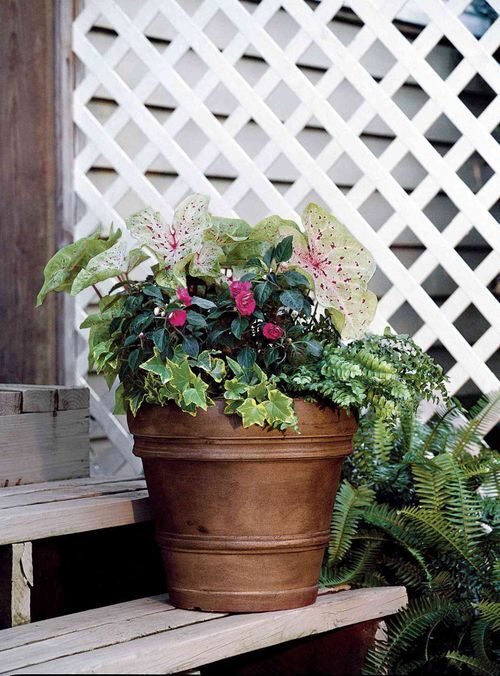
- The climbing column: Plant a variegated form in a 6–8 in pot with a moss pole. Position near an east wall where morning light filters in. Add ferns at the base for textural contrast.
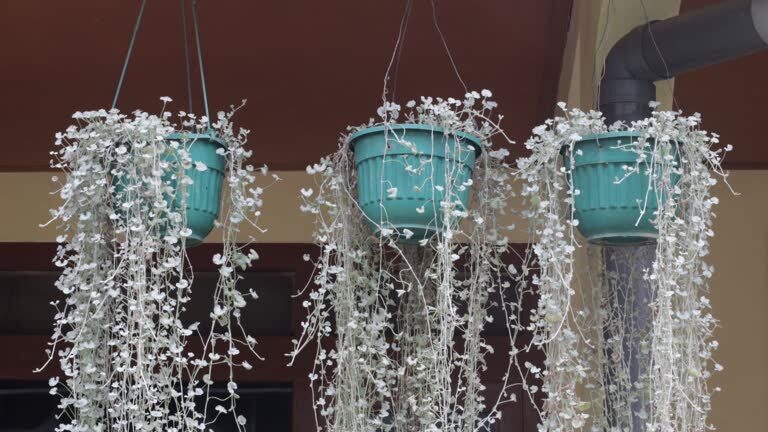
- The waterfall basket: In a covered patio, hang a 6–7 in basket and let green-and-cream vines drape. Rotate periodically for even growth; trim runners to keep the silhouette round and full.
- The courtyard cluster: Group Arrowhead vine with Calatheas and Philodendrons in matching containers. This raises humidity and creates a lush, layered, tropical vignette without planting in the ground.
Quick seasonal playbook for Zones 10–12
- Spring: Prune for shape; repot or refresh topsoil; resume feeding. Begin regular watering as growth speeds up.
- Summer: Bright, filtered light; steady moisture; bolster humidity in hot spells. Take cuttings for easy propagation.
- Autumn: Shift to a slightly brighter spot as day length shortens. Start easing off the watering frequency.
- Winter: Keep warm and above 54°F (12°C). Water sparingly; pause or reduce fertilizer. Shield from drafts and cold snaps by moving containers indoors when needed.
Safety first
All parts are toxic if chewed or ingested due to insoluble calcium oxalate crystals. Sap can irritate skin and eyes. Keep away from pets and children; wear gloves if you’re sensitive.
Flowering note
Mature plants can produce typical aroid blooms (a pale spathe around a spadix), but this is uncommon outdoors in containers and indoors alike. Arrowhead vine is cherished for its foliage, not its flowers.
Symbolism and “flower language”
Arrowhead vine is widely associated with growth, adaptability, and fresh beginnings—fitting for a plant that shifts form as it climbs and matures. These meanings come from modern houseplant culture rather than deep historical lore, but they resonate: it’s a living emblem of forward motion and flexibility. In some traditions it’s casually treated as a “good luck” greenery, especially when gifted as an easy starter plant.
—
With smart container culture, a little pruning, and a weather eye for chilly dips, Syngonium podophyllum turns the dim, humid corners of USDA Zones 10–12 into verdant, manageable jungles. Keep it contained, keep it warm, and it will reward you with fast growth and endlessly interesting foliage.