
Feather-fine and undeniably elegant, False Aralia (Polyscias elegantissima) can turn a hot-climate shade garden into a calm, tropical vignette. In USDA Zones 11–12, where frost isn’t a worry but blazing sun and sudden downpours are, this Madagascar native thrives when you give it what it loves most: filtered light, protection from drying winds, and soil that drains fast yet never swings bone-dry. Here’s your landscape guide to placing, planting, and pairing this beautifully textured shrub or small tree outdoors.
False Aralia at a glance
- Evergreen shrub to small tree; outdoors in frost-free climates it can reach roughly 3–6 m (10–20 ft).
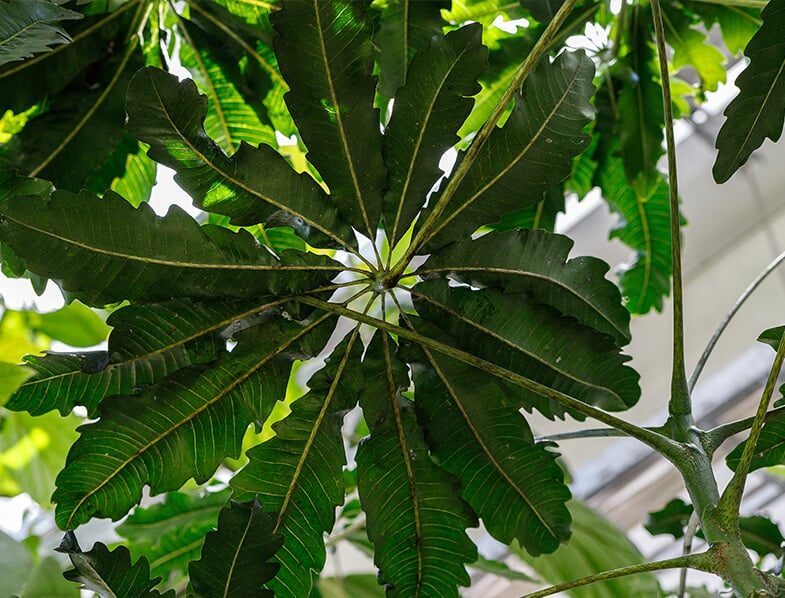
- Signature look: narrow, deeply cut, feathery leaflets that read as finely textured, lace-like foliage.
- Light: bright, filtered light to partial shade; harsh sun scorches. In summer, aim for about 70% shade.
- Climate fit: best in USDA 11–12; ideal temperatures 20–30°C (68–86°F), and keep above 13°C (55°F) in cool spells.
- Growth habit: naturally fast-growing and can get leggy if unpruned—regular shaping keeps it full.
- Common nursery names: False Aralia, Aralia elegantissima, “Ming Aralia,” Schefflera elegantissima.
Site selection in Zones 11–12
Light: dappled, not direct
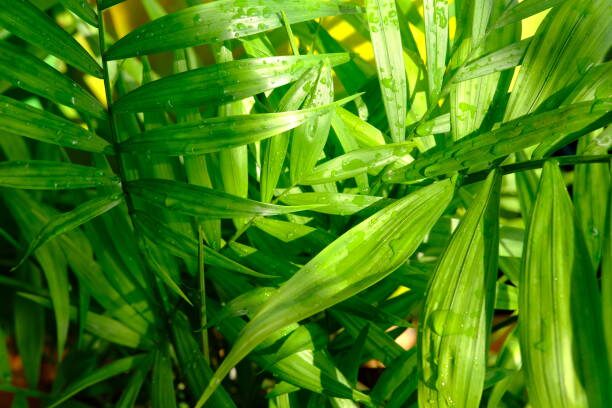
Think of False Aralia as a “bright-shade understory” plant.
- Best spots: east or northeast exposures, bright courtyards with high, open canopies, or beneath palms/trees that cast moving, dappled shade.
- Summer strategy: use 60–80% shade cloth or rely on a filtered canopy so leaves don’t crisp. Avoid reflective heat from pale walls or paving.
- Sun allowance: a little soft morning sun is usually fine; avoid midday/afternoon blasts.
Wind: guard the lace
Those delicate, cut leaflets lose moisture quickly in strong breezes.
- Choose sheltered microclimates: inner courtyards, the lee side of a hedge, or behind a lath screen.
- Design windbreaks that also filter light: Areca palm (Dypsis lutescens) or bamboo palm (Chamaedorea seifrizii) make excellent “green screens” that slow wind and provide dappled shade.
- Avoid wind tunnels between buildings and gaps that funnel trade winds.
Heat and microclimate
- Keep night temps above 13°C (55°F); cool drafts can trigger leaf drop.
- Allow air movement without buffeting gales—this reduces leaf spot while preventing heat buildup.
- If it’s planted near hardscape, offset scorching by using understory companions as living shade over the root zone.
Soil and drainage upgrades that False Aralia loves
False Aralia wants a loose, well-drained, organically rich substrate that never puddles. In monsoonal or storm-prone areas, build drainage into the site from the start.
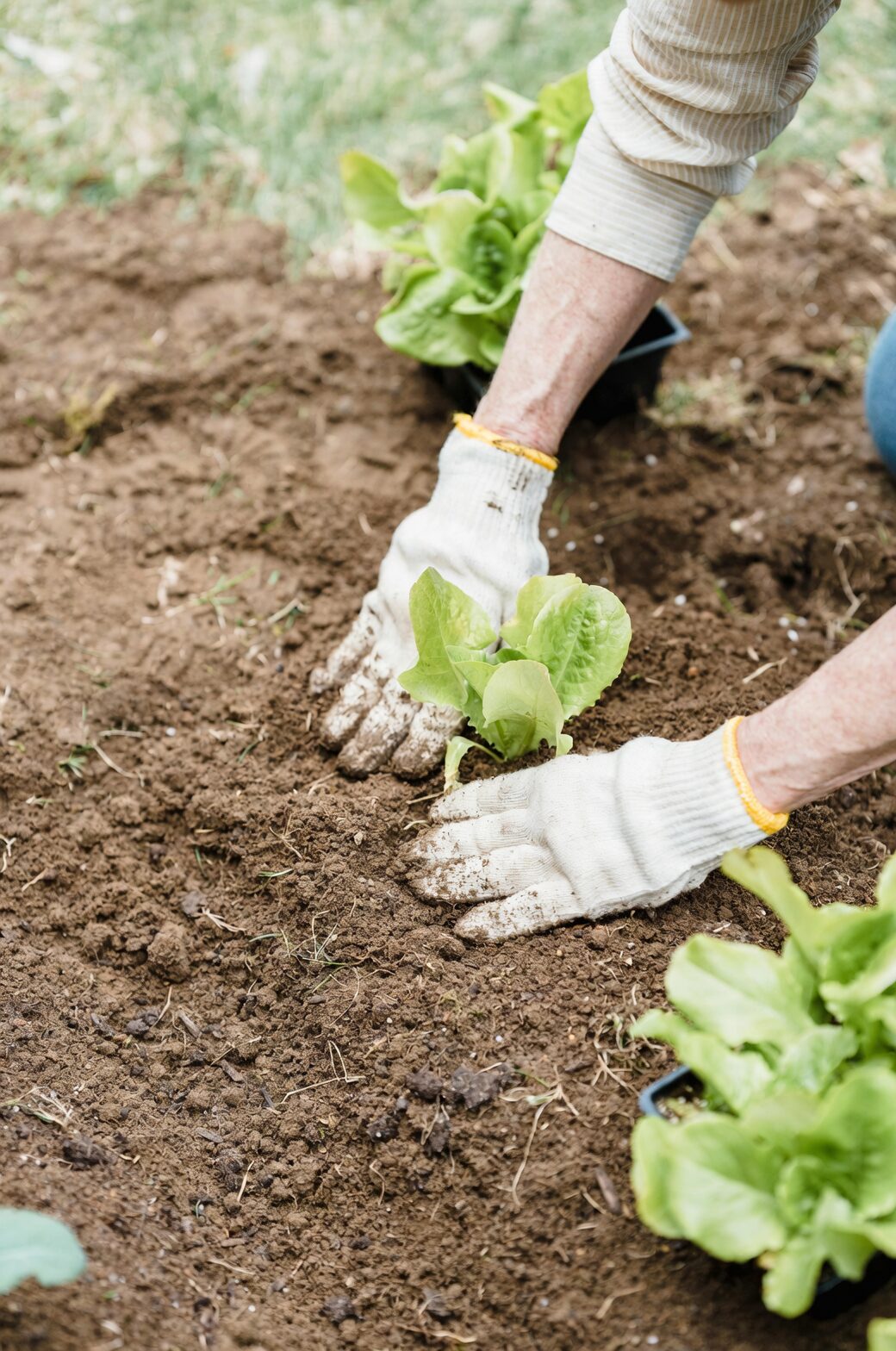
Proven approaches
- Raised mounds/berms: set plants on a 15–30 cm (6–12 in) mound so water sheds away from the crown.
- Soil recipe for planting beds: blend leaf mold or composted bark with a coarse mineral fraction.
- Practical mix: roughly 50–60% organic (leaf mold/composted bark/peat) + 30–40% coarse material (pumice, perlite, expanded clay, or coarse sand). Keep texture chunky, not silty.
- Planting height: set the root flare 2–3 cm (about 1 in) above grade; backfill with your amended mix.
- French drains where needed: in heavy soils or at the foot of slopes, install a trench with gravel and a perforated pipe to route stormwater away.
- Mulch smartly: 5–7 cm (2–3 in) of airy bark or leaf mold, pulled back from stems. Mulch conserves even moisture and keeps roots cool without staying soggy.
Watering rhythm
- Aim for even, slightly moist soil—never waterlogged, never extreme drought.
- Inconsistent swings from very dry to very wet can cause leaf drop. Deep-soak, then let the top layer begin to dry before the next irrigation.
- Avoid wetting foliage late in the day to reduce leaf spot risk.
Planting and early establishment
- Spacing: give each plant breathing room for airflow—about 1.5–2 m (5–6.5 ft) from broad-leaf companions is comfortable for a multi-stem shrub.
- Staking: in breezier sites, a discrete stake helps until roots knit into the mound.
- First-year care: maintain steady moisture and humidity around the planting zone; shield from hot, dry winds and harsh sun while it settles.
Shaping for a lush, full silhouette
A little seasonal discipline yields a much denser plant.
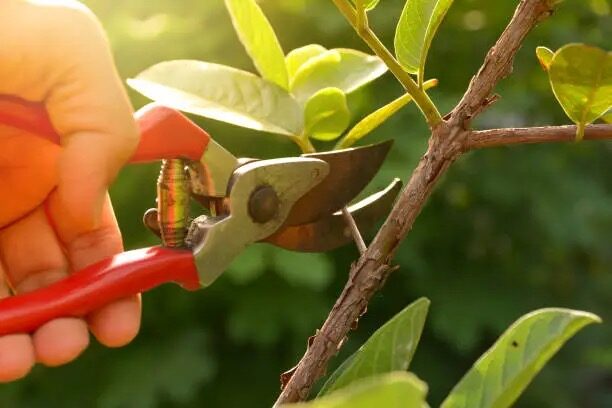
- Early summer: cut stems back by about one-third to stimulate branching.
- When new shoots appear: prune again. Repeating this 2–3 times produces a fuller crown.
- Ongoing: remove weak or leggy shoots promptly to keep the outline tidy and upright.
Design pairings: broad-leaf shade companions that make it sing
False Aralia’s fine texture begs for bold, glossy foils. In USDA 11–12, these broad-leaf shade lovers are reliable partners—mix them to build layered, humid, wind-filtered shade.
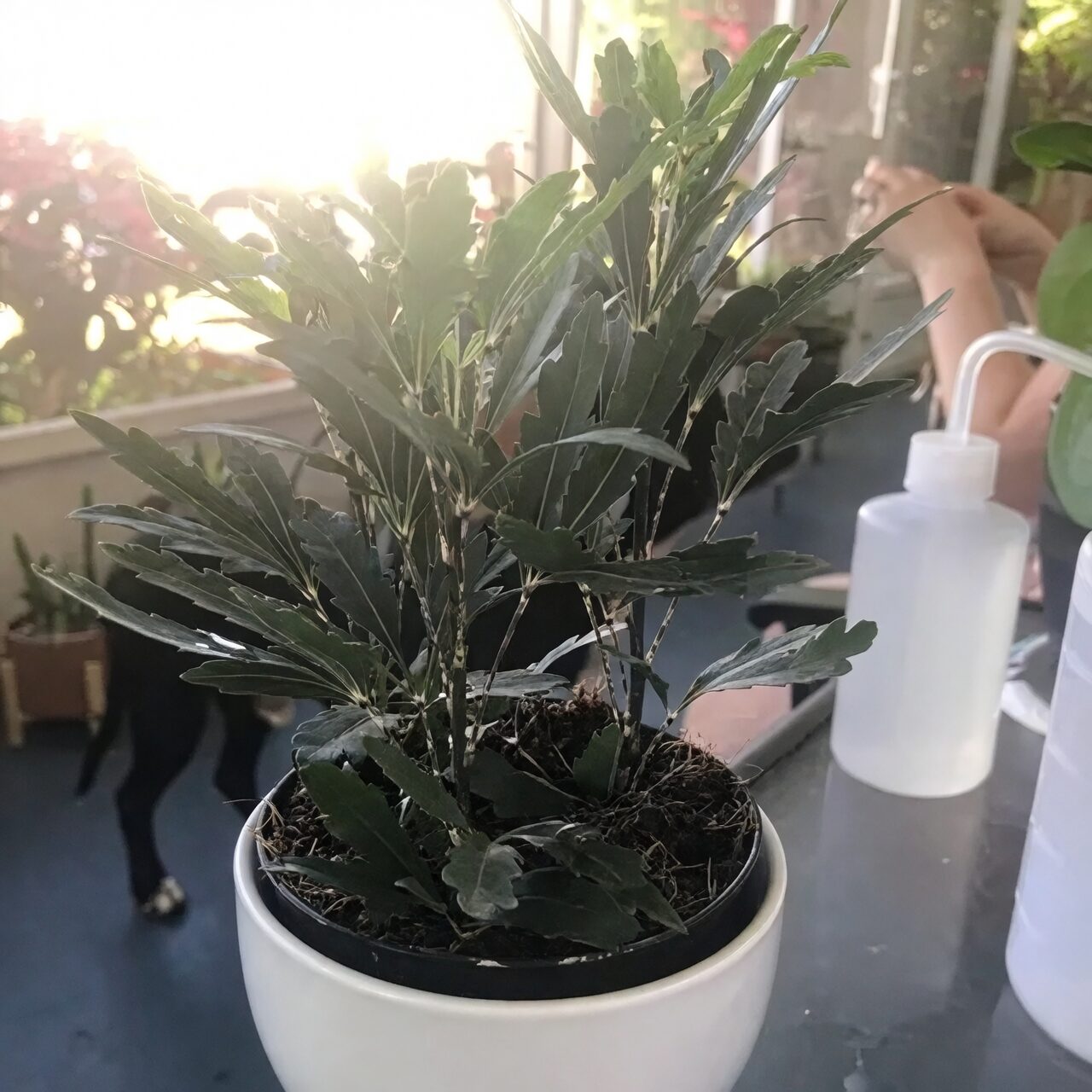
Overstory filters and windbreaks (light, lacy shade)
- Areca palm (Dypsis lutescens): soft fronds for moving shade and gentle windbreak.
- Bamboo palm (Chamaedorea seifrizii): columnar clumps that screen wind and glare.
Big-leaf anchors for contrast
- Monstera deliciosa: architectural splits and hearts offset False Aralia’s filigree.
- Thaumatophyllum bipinnatifidum (Philodendron selloum): huge, lobed leaves; place where its larger thirst won’t oversaturate False Aralia’s root zone.
- Alocasia macrorrhizos and select cultivars: dramatic blades; best in evenly moist pockets next to, not on, the False Aralia mound.
- Bird’s nest fern (Asplenium nidus): broad, glossy rosettes that read as living sculpture in deep shade.
Broad-leaf ground and midstory textures
- Aspidistra elatior (cast-iron plant): strap-like, tough leaves for dryish shade under eaves.
- Aglaonema hybrids and Dieffenbachia: bold leaves and patterning for sheltered nooks.
- Goeppertia/Calathea species (e.g., C. orbifolia): sumptuous discs and bands; give them humidity and consistently moist—not soggy—soil nearby.
- Neoregelia bromeliads: wide, flattened rosettes that love bright shade; perch in pockets or mass as a living mulch.
Combo recipes
- Dry-bright shade near walls: False Aralia + Aspidistra + Aglaonema + bird’s nest fern. Add a palm screen for filtered light and wind control.
- Moist-leaning shade: False Aralia planted high on a berm, with Alocasia/Colocasia in the swale below; tuck in Neoregelia clumps to finish.
- Color pop under dappled canopies: False Aralia as the vertical accent, edged with variegated shell ginger (Alpinia zerumbet ‘Variegata’) and a ribbon of Calathea for pattern.
Tip: Keep water-needy companions slightly downslope or in separate irrigation zones so False Aralia’s crown never sits in a wet bowl.
Seasonal checklist for Zones 11–12
Spring
- Plant or transplant; refresh mulch; begin monthly feeding with a balanced fertilizer during active growth.
- Check drainage before the rainy season; raise mounds if infiltration is slow.
Early–mid Summer
- Increase shade to about 70% if heat intensifies; prune by one-third to promote branching.
- Mist surrounding air on dry days to lift humidity, but avoid soaking leaves late.
Autumn
- Inspect for scale and aphids; treat early with horticultural oil or insecticidal soap.
- Keep moisture steady as temperatures ease; avoid big watering swings.
Winter
- Keep above 13–15°C (55–59°F) and out of cold drafts.
- Water less often, but don’t allow prolonged bone-dry spells. Pause fertilizing.
Troubleshooting outdoors
- Scorched or crisped edges: too much direct sun or reflective heat—add shade or move to a softer exposure.
- Sudden leaf drop: cold drafts or dramatic wet-dry swings—stabilize temperature and watering.
- Leaf spot: remove affected leaves, improve airflow, and avoid evening overhead watering; use a suitable fungicide if needed.
- Pests (scale, aphids): treat promptly with insecticidal soap or horticultural oil; repeat as required.
Safety and cultural note
- Safety: Toxicity isn’t consistently documented; treat as potentially irritating if chewed. Keep away from pets and children, and wash hands after pruning.
- Good‑luck symbolism: Often regarded as a prosperity charm in parts of East Asia, False Aralia’s “fortune” reputation likely comes from its evergreen vigor and finely furnished look—more a cultural reading of lush, thriving foliage than any flower‑language tradition (its flowers are small and inconspicuous). In design terms, that symbolism translates beautifully: place it where you want the garden to feel calm, abundant, and quietly refined.
With the right bright shade, a wind‑softened nook, and a bed that drains like a dream, Polyscias elegantissima rewards you with a tall, feathery silhouette that makes every broad‑leaf neighbor look bolder—and your garden, more effortlessly tropical.