
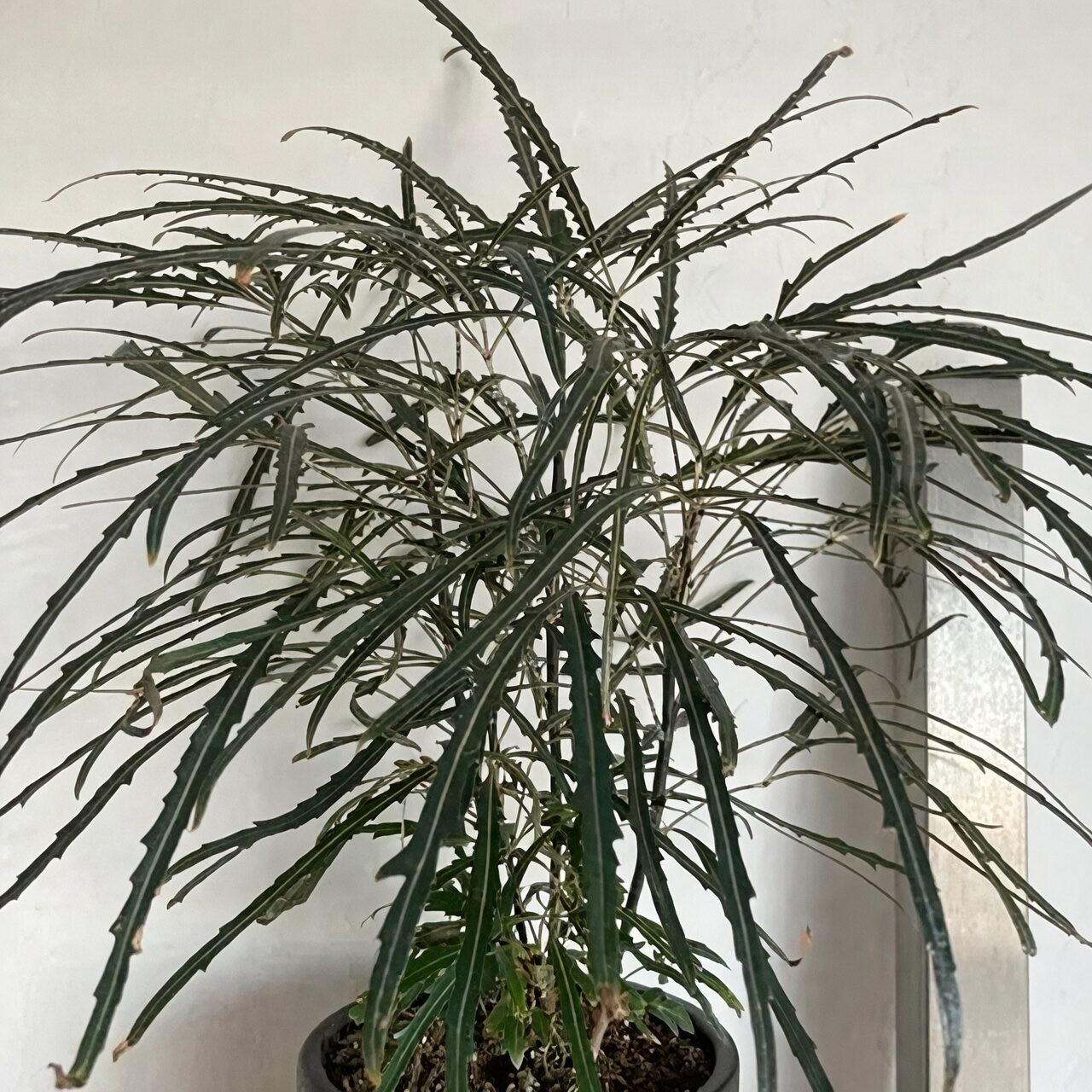
Meet the plant with feathered poise and tropical calm: Polyscias elegantissima, better known as false aralia. Indoors it offers a finely cut, lacy silhouette that instantly lightens a room; outdoors in frost-free places it’s an elegant, shade-tolerant shrub. The secret to keeping it lush isn’t a single trick—it’s a rhythm. Here’s a season-by-season timeline to carry your plant, and your confidence, through the year.
Quick ID and vibe
- Botanical name: Polyscias elegantissima (family Araliaceae)
- Common names and shop tags: False aralia, Aralia elegantissima, Schefflera elegantissima, Ming aralia (often seen on labels)
- Origin: Madagascar
- Habit and size: Evergreen shrub to small tree; indoors typically 1–2 m (3–6.5 ft); much taller in frost‑free gardens
- Look: Narrow, deeply cut, feathery leaflets; dense, decorative foliage; flowers are rare and inconspicuous indoors
- Light sweet spot: Bright, filtered light to partial shade; harsh sun scorches
- Care level: Moderate—warmth, steady but not soggy moisture, and decent humidity keep it happy
Your year-round care timeline
Spring: Repot, refresh, and propagate
Think of spring as your plant’s reset button.
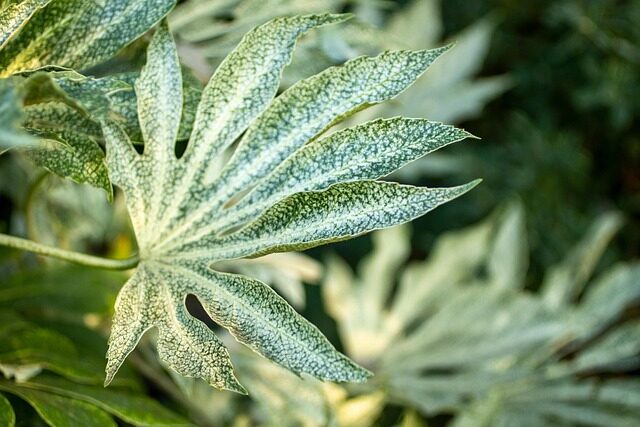
- Repotting (about every 2 years)
- When: Early to mid‑spring, as days lengthen.
- How: Move up just one pot size; a typical indoor specimen lives happily in a 15–20 cm (6–8 in) pot before stepping up.
- Mix: Loose, well‑drained potting mix based on peat or leaf mold, amended with coarse sand for drainage.
- Aftercare: Keep warm (20–30°C / 68–86°F), in bright, filtered light. Aim for 60%+ humidity to help it settle.
- Propagation (tip cuttings love spring)
- Take 10–12 cm (4–5 in) semi‑ripe tip cuttings; strip lower leaves.
- Root in very free‑draining medium (coarse sand or similar); keep around 25°C (77°F) with high humidity.
- Expect roots in 3–4 weeks. Water‑rooting and air layering also work; seed is possible with warmth (19–24°C / 66–75°F).
- Placement and moisture
- Best window now: East‑facing with sheer light.
- Watering: Keep the mix evenly, slightly moist—never waterlogged, never bone‑dry for long.
- Feeding: Begin monthly with a balanced fertilizer (e.g., 20‑20‑20). Hold off heavy feeding until you see fresh growth.
Early summer: Shape for fullness
This is the moment to turn a lanky youngster into a future showpiece.
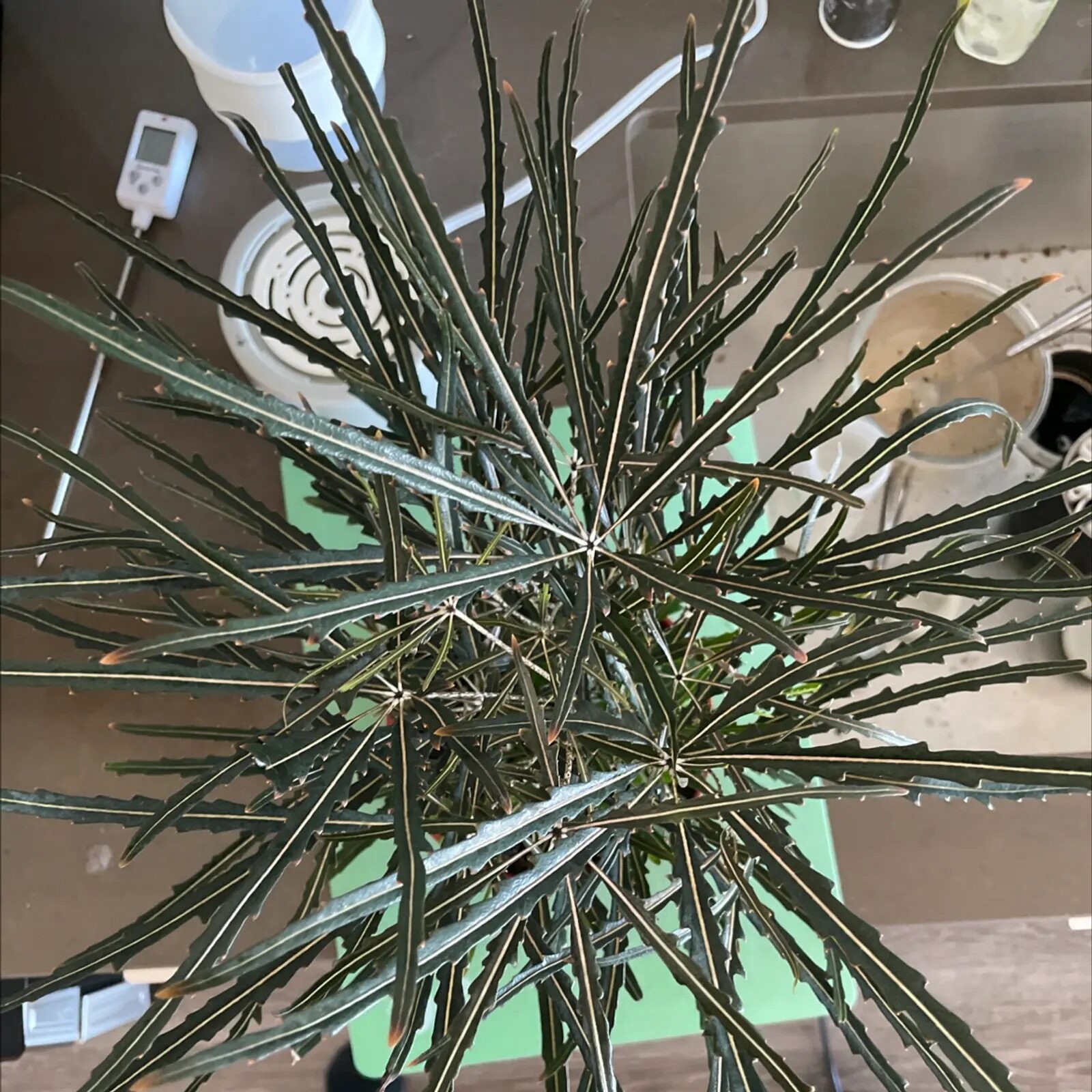
- Prune stems back by about one‑third to spur branching.
- When new shoots emerge, prune again; repeating this 2–3 times through early summer builds a denser crown.
- Remove weak or leggy shoots promptly to keep energy in strong growth.
Spring–autumn: Steady growth, steady care
From spring through fall, consistency pays off.
- Light and humidity
- Keep bright, filtered light; avoid harsh direct rays.
- Boost humidity to around 60%+, especially during dry spells—mist leaves and lightly dampen nearby surfaces.
- Watering and feeding
- Water to maintain slight, even moisture; avoid the yo‑yo of bone‑dry to sopping wet (a prime trigger for leaf drop).
- Feed monthly with a balanced formula; stop when winter arrives.
- Quick health checks
- Scan for scale and aphids; treat early with insecticidal soap or horticultural oil.
- If you see leaf spots, remove affected foliage, improve airflow, avoid wetting leaves late in the day, and treat with an appropriate fungicide if needed.
Peak summer: Shade management for crisp, glossy leaves
False aralia loves bright conditions—but not blazing heat.
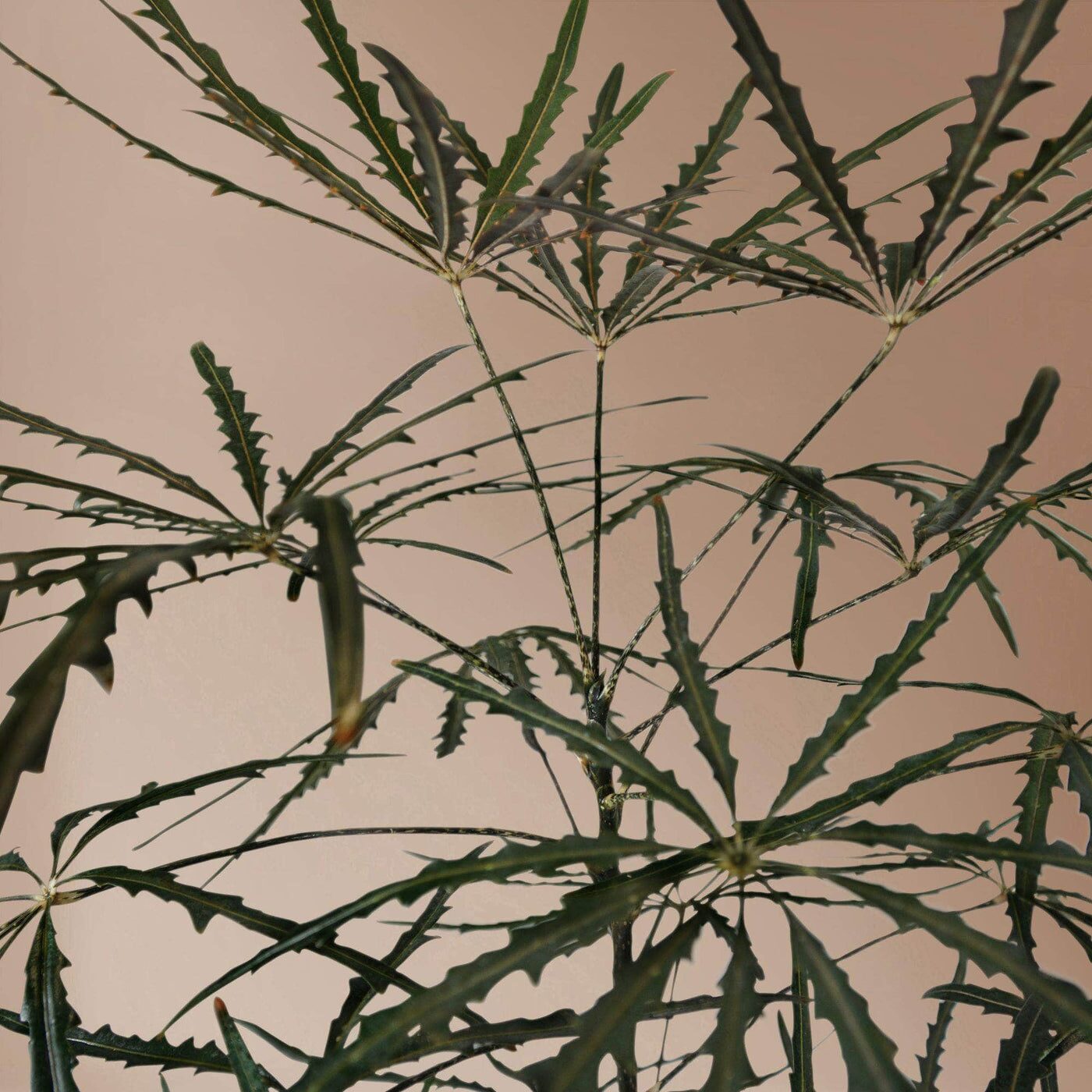
- Provide roughly 70% shade outdoors or behind sheers indoors.
- Indoors: A north‑facing window or an east window with a sheer is ideal in high summer.
- Keep temps in the 20–30°C (68–86°F) range and avoid hot drafts.
- Watering may be a bit more frequent in heat, but keep it measured—moist, not soggy.
- Mist during dry weather; aim for a gently humid microclimate rather than dripping foliage.
Winter: Brightest seat in the house, lighter watering
As daylight narrows, give your plant a front‑row seat to the sun.
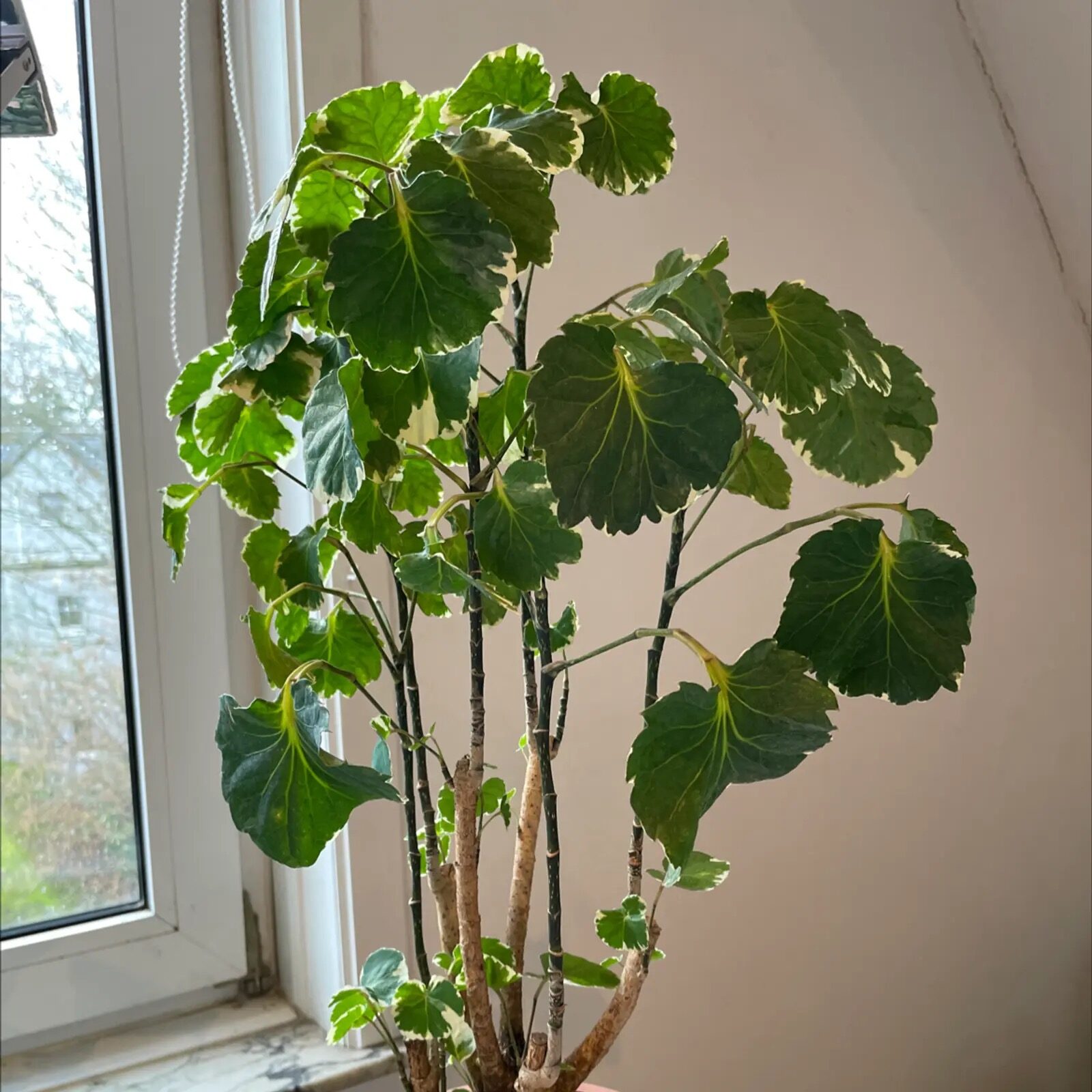
- Placement
- Move to the brightest spot you have—often a south‑facing window or bright balcony nook.
- Temperature
- Keep above 13–15°C (55–59°F); around 8°C (46°F) or below can cause damage and leaf drop.
- Shield from cold drafts and night chills.
- Watering and feeding
- Water less—keep the mix just slightly drier than in summer, but don’t let it sit bone‑dry for long periods.
- Stop fertilizing until spring returns.
- Humidity
- It tolerates slightly drier air better than staying cold and wet. If you mist, do so lightly and earlier in the day.
Light, temperature, and placement at a glance
- Light by season indoors
- Spring/autumn: East‑facing window with filtered light.
- Summer: Gentler north‑facing light or east with a sheer; aim for ~70% shade.
- Winter: Brightest possible spot, often south‑facing.
- Temperature: Ideal 20–30°C (68–86°F); protect from cold drafts.
- Outdoors (frost‑free only): Partial shade; never full, harsh sun.
Soil and potting pointers
- Mix: Peat‑ or leaf‑mold‑based potting mix with coarse sand for drainage.
- Pot sizing: Step up gradually; a snug root run supports steadier moisture and fewer overwatering mishaps.
- Hardiness: Frost‑tender; best suited to about USDA Zones 11–12.
Troubleshooting: fast fixes for common slips
- Scorched, crispy edges
- Cause: Too much direct, harsh sun.
- Fix: Move to bright, filtered light; add shade cloth or a sheer curtain in summer.
- Sudden leaf drop
- Causes: Cold drafts, prolonged dryness followed by soaking, or light too low.
- Fix: Stabilize watering, warm the site, increase light. Avoid big moves and abrupt environment shifts.
- Leaf spot
- Fix: Remove affected leaves, improve airflow, water at the soil line, and avoid late‑day misting; treat if needed.
- Scale or aphids
- Fix: Wipe or spray with insecticidal soap or horticultural oil; repeat as required and check neighboring plants.
Style it beautifully
- Indoors: A superb anchor for living rooms, bright studies, and windowsills where it delivers that “tropical but tranquil” feel.
- Outdoors in warm regions: A refined, shade‑tolerant foliage shrub or small tree that pairs well with broad‑leaf understory plants.
Safety, symbolism, and fun bits
- Safety: Toxicity isn’t consistently confirmed; treat as potentially irritating if chewed. Keep away from pets and children; wash hands after pruning.
- Symbolism (flower language)
- In many homes—especially in parts of China—this plant is embraced as a good‑luck foliage choice linked with prosperity and well‑being. The association grows from cultural naming and the plant’s composed, upright presence rather than floral lore (its flowers are insignificant indoors). Its finely divided, “prosperous” canopy and graceful habit symbolize a thriving, harmonious home.
- Fun to know
- Despite the “false” in its name, it’s in the ginseng family (Araliaceae), not a true Aralia.
- Regular early‑summer pruning is the secret to turning a tall, sparse stick into a compact, branched gem.
- You can propagate it several ways: spring stem cuttings, water‑rooting, air layering, or even patient seed raising.
Quick FAQ
How do I make false aralia bushier and fuller?
Prune in early summer, cutting stems back by about one‑third. When new shoots appear, prune again. Repeating this 2–3 times encourages branching and a much denser look.
How do I choose a good plant, and what should I do right after bringing it home?
Pick one with sturdy stems, a balanced shape, and deep green, glossy leaves free of blemishes or pests. Place it in bright, filtered light (often an east‑facing window), keep it above 15°C (59°F), maintain the mix slightly moist, and raise humidity to around 60%+. Feed lightly once you see new growth.
Follow this simple seasonal rhythm—spring repotting and cuttings, early‑summer shaping, spring–autumn feeding and misting, summer shade management, and winter’s bright, lighter‑watering reset—and your Polyscias elegantissima will reward you with year‑round poise.