
If you like your houseplants with a little drama but zero diva attitude, meet Polyscias elegantissima—the finely feathered “false aralia” that looks tropical-chic without needing full sun. Native to Madagascar and beloved in parts of China as a good-luck plant, this fast grower can be a slender supermodel or, with a few snips, a plush runway star.
H2: Snackable Highlights
- Why “false” aralia? It’s not a true Aralia—just a close cousin in the ginseng family (Araliaceae).
- Family ties: Related to ginseng; you’ll also see it sold as Aralia elegantissima, Ming aralia, or Schefflera elegantissima.
- Summer blooms, blink-and-you’ll-miss-’em: tiny, discreet flowers; this plant is all about foliage.
- Fast but leggy: grows quickly and can stretch thin; pruning turns it from spindly to sumptuous.
- Indoors vs outdoors: 1–2 m tall inside; up to 3–6 m in frost-free gardens with shade.
H2: The “False” in False Aralia
Despite the name, Polyscias elegantissima isn’t a true Aralia. It simply looks the part with its hand-like, finely cut leaflets. Botanically it sits in Polyscias within the ginseng family (Araliaceae), which explains those graceful, palmately divided leaves and its often-shared shelf space with aralias and scheffleras in garden centers.
H2: Foliage You Can’t Stop Staring At
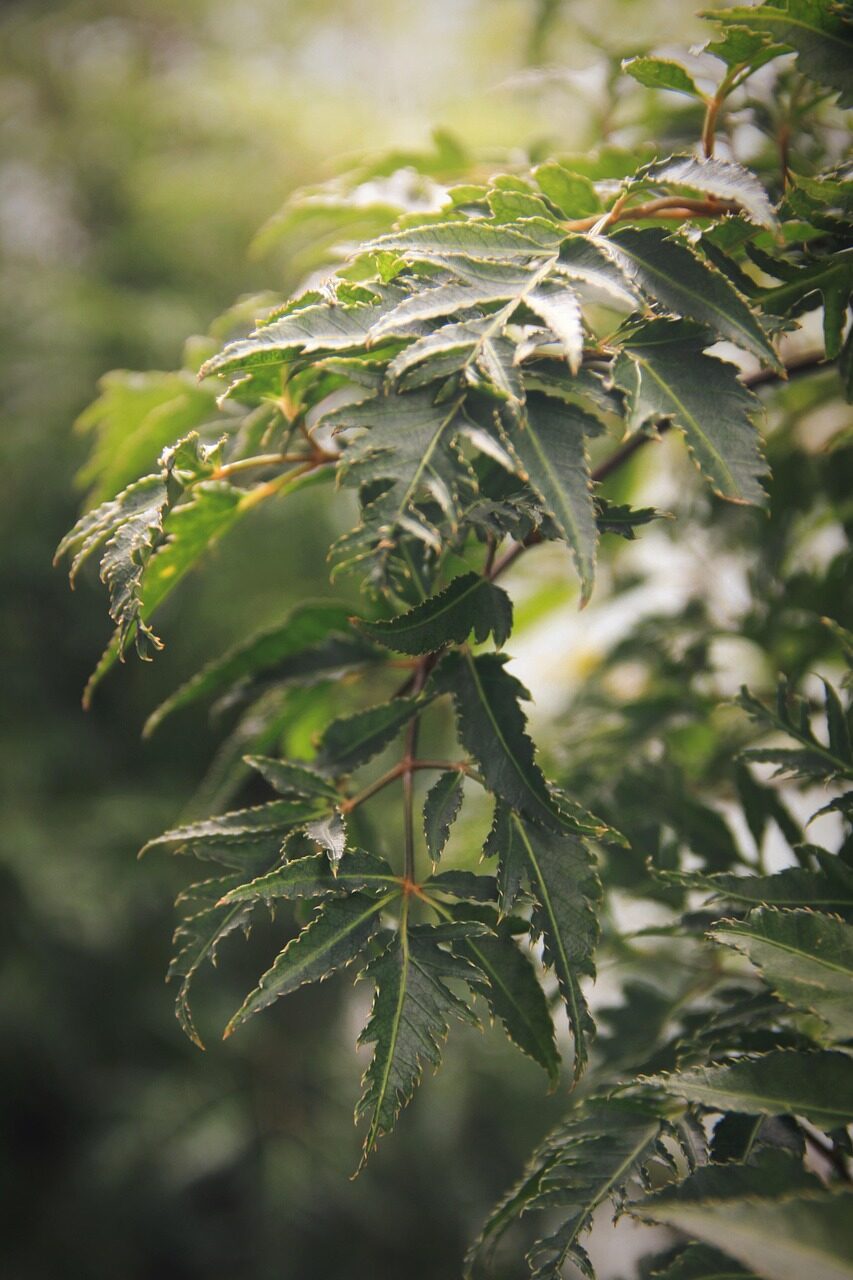
- Texture play: Narrow, deeply cut, feather-like leaflets give a lacey silhouette that looks tailored for modern interiors.
- Color story: New leaves can emerge with a slight coppery tone before settling into a deep, glossy green.
- Glow-up with age: Young plants show the narrow, jagged leaflets most dramatically; older plants often carry somewhat broader leaflets too—both can appear at once for layered texture.
H2: Fast, Tall, and… a Little Awkward? Here’s the Fix
Left alone, false aralia will often race skyward and go lanky. The cure is simple, strategic pruning:
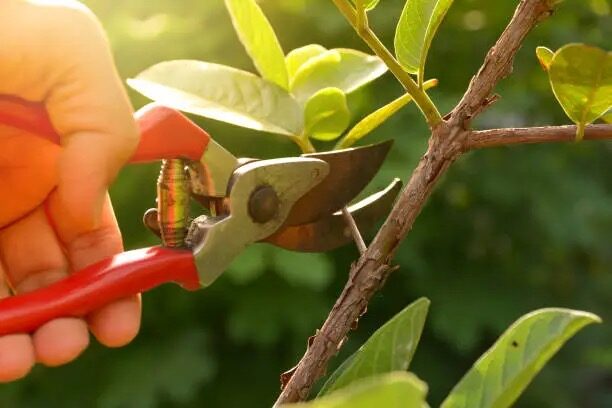
- Timing: Begin in early summer.
- The move: Cut stems back by about one-third.
- The magic: Once new shoots flush, prune again. Repeat this 2–3 times in the season.
- Result: Each cut nudges branching, converting a tall, sparse plant into a denser, more architectural specimen.
Pro tip: Remove weak, wispy shoots whenever you see them. Older, over-tall plants also tolerate harder height reductions.
H2: Light, Temperature, and Humidity (The Comfort Trio)
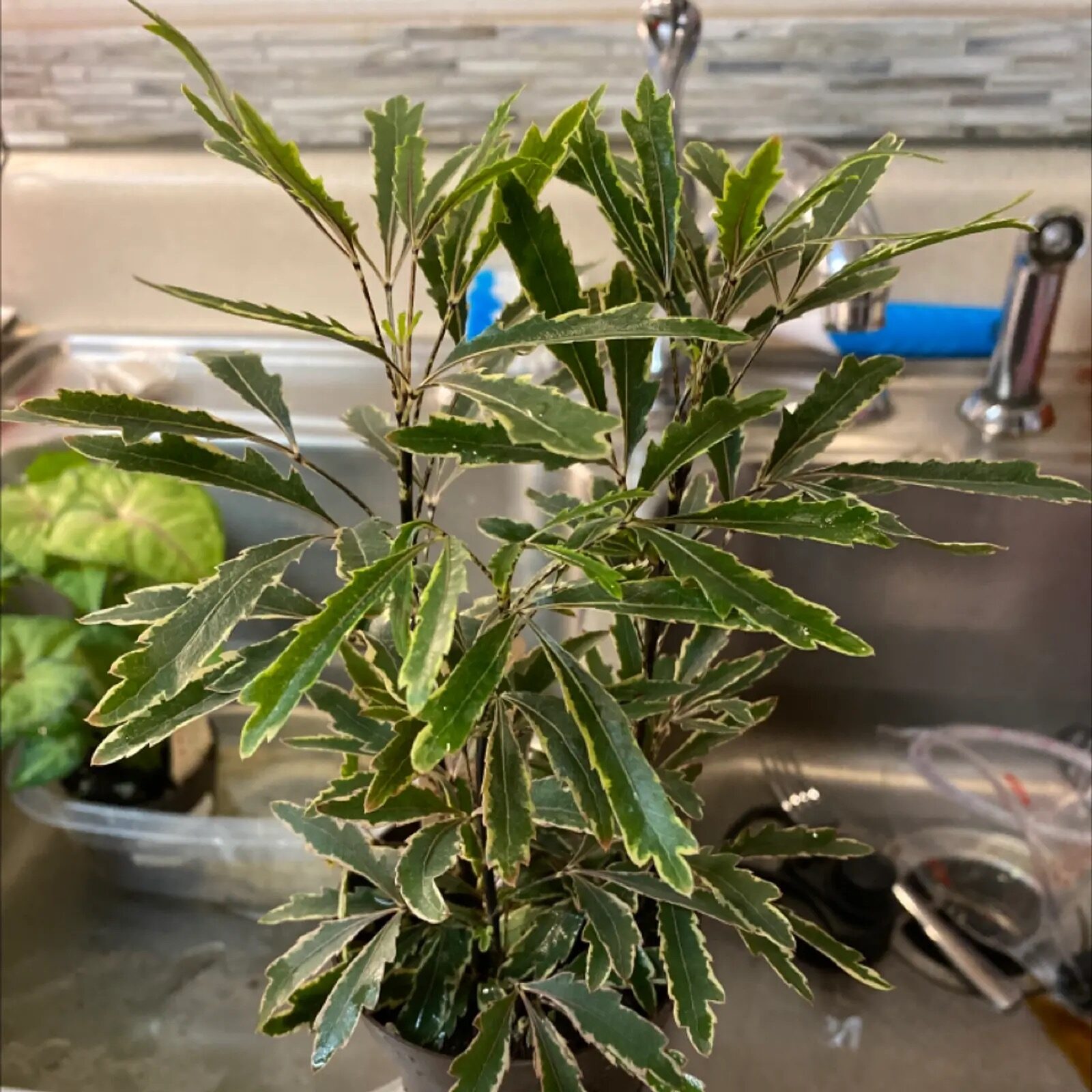
- Light: Bright, filtered light to partial shade; avoid strong, harsh sun. In summer, give roughly 70% shade.
- Indoors, rotate by season:
- Spring/Autumn: East-facing is ideal.
- Summer: Gentler north-facing light.
- Winter: Brightest spot you have (often south-facing).
- Temperature: 20–30°C (68–86°F) is the sweet spot. Keep above 13°C (55°F) in winter; around 8°C (46°F) or below can cause leaf drop.
- Humidity: Likes it humid—aim for ~60%+. Mist in dry spells and lightly dampen nearby surfaces. In winter, slightly drier air/soil is safer than cold + wet.
H2: Watering and Feeding Without the Drama
- Water: Keep the potting mix evenly, slightly moist in the growing season. Avoid yo-yo cycles from bone-dry to waterlogged—both trigger leaf drop.
- Winter: Water less; let the top layer dry a bit more between sips.
- Fertilizer: Feed monthly spring through autumn with a balanced formula (e.g., 20-20-20) or a diluted organic liquid feed. Take a winter break.
H2: Soil, Pots, and Repotting Rhythm
- Mix: Loose, well-drained medium—think peat- or leaf-mold-based potting mix amended with coarse sand.
- Pot size: Many indoor plants start happy in 15–20 cm (6–8 in) pots; upsize as needed.
- Repot: Spring, about every 2 years, stepping up one pot size.
H2: Indoors vs. Outdoors: Right Plant, Right Place
- Indoors: Typically 1–2 m (3–6.5 ft); compact with pruning. Ideal for living rooms, bright studies, and window spots with filtered light.
- Outdoors: In frost-free climates, it becomes a shade-tolerant ornamental shrub/small tree, roughly 3–6 m (10–20 ft).
- Hardiness: Frost-tender; best suited to around USDA Zones 11–12. Sensitive to cold, harsh sun, drought, and soggy soil.
H2: Flowers: A Quiet Summer Side Plot
False aralia may produce small, inconspicuous summer blooms—especially outdoors—but flowering is uncommon indoors. It’s grown for that fabulous foliage.
H2: Propagation: More Plants, More Texture
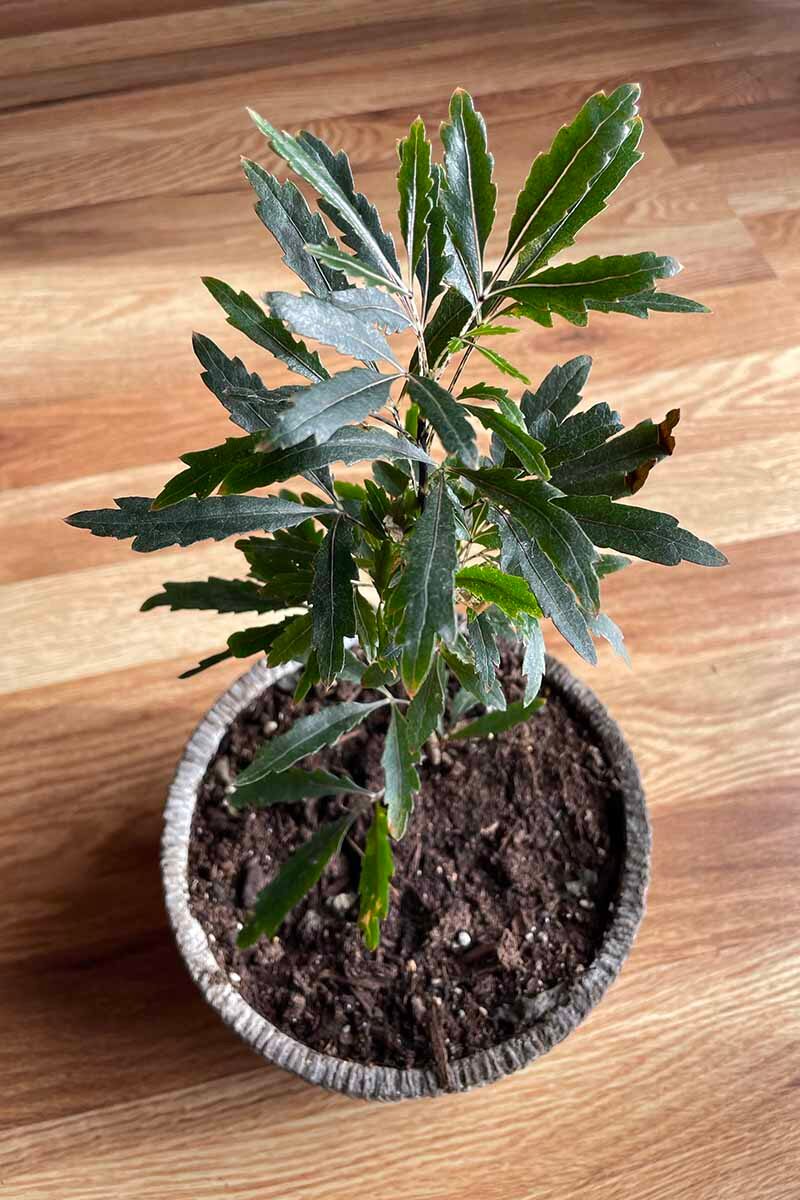
- Stem cuttings (spring): Take 10–12 cm (4–5 in) semi-ripe tips, strip lower leaves, and root in very free-draining media (sand works). Warmth (around 25°C/77°F) and high humidity help; rooting often in 3–4 weeks.
- Water-rooting: Tip cuttings will also root in water, then pot up.
- Air layering: Great for leggy, over-tall stems—roots form before you cut.
- From seed: Sow fresh or in spring at 19–24°C (66–75°F). Sprouts in about 3–4 weeks; transplant at ~10 cm (4 in) tall.
H2: Seasonal Care Cheatsheet
- Spring: Repot if needed; take cuttings or sow seed. Park near an east-facing window.
- Early Summer: Prune stems back ~one-third to promote branching; repeat after new shoots appear.
- Spring–Autumn: Keep slightly moist; feed monthly; provide ~70% summer shade; mist during dry spells.
- Winter: Brightest indoor spot; keep above 13–15°C (55–59°F); water less; pause feeding.
H2: Buying Guide: Pick a Winner
- Look for: Sturdy, upright stems; a balanced shape; dense, glossy leaves without tears, bare patches, or pest specks. Variegated forms should have crisp, bright patterning.
- Post-purchase: Bright filtered light (an east window with a sheer is perfect), warm temps (≥15°C/59°F), gently moist mix, and boosted humidity. Feed lightly once fresh growth appears.
H2: Troubleshooting, Pests, and Health
- Leaf drop? Commonly from cold drafts, harsh sun, or erratic watering.
- Pests: Watch for scale and aphids. Treat early with insecticidal soap or horticultural oil; repeat as needed.
- Leaf spot: Remove affected leaves, improve airflow, avoid wetting foliage late in the day; use an appropriate fungicide if necessary.
- Toxicity: Not consistently confirmed in major references. Treat as potentially irritating if chewed. Keep away from pets and kids; wash hands after pruning.
H2: Symbolism and Culture
Often kept as a good-luck foliage plant in parts of China, false aralia is linked with prosperity and a thriving, harmonious home. The “fortune” vibe likely stems from its common Chinese name (福禄桐), which evokes blessings and prosperity, not from historic flower language per se. Think of it as a modern, culturally affectionate reading rather than a classical, codified “floriography.”
H2: Styling Ideas
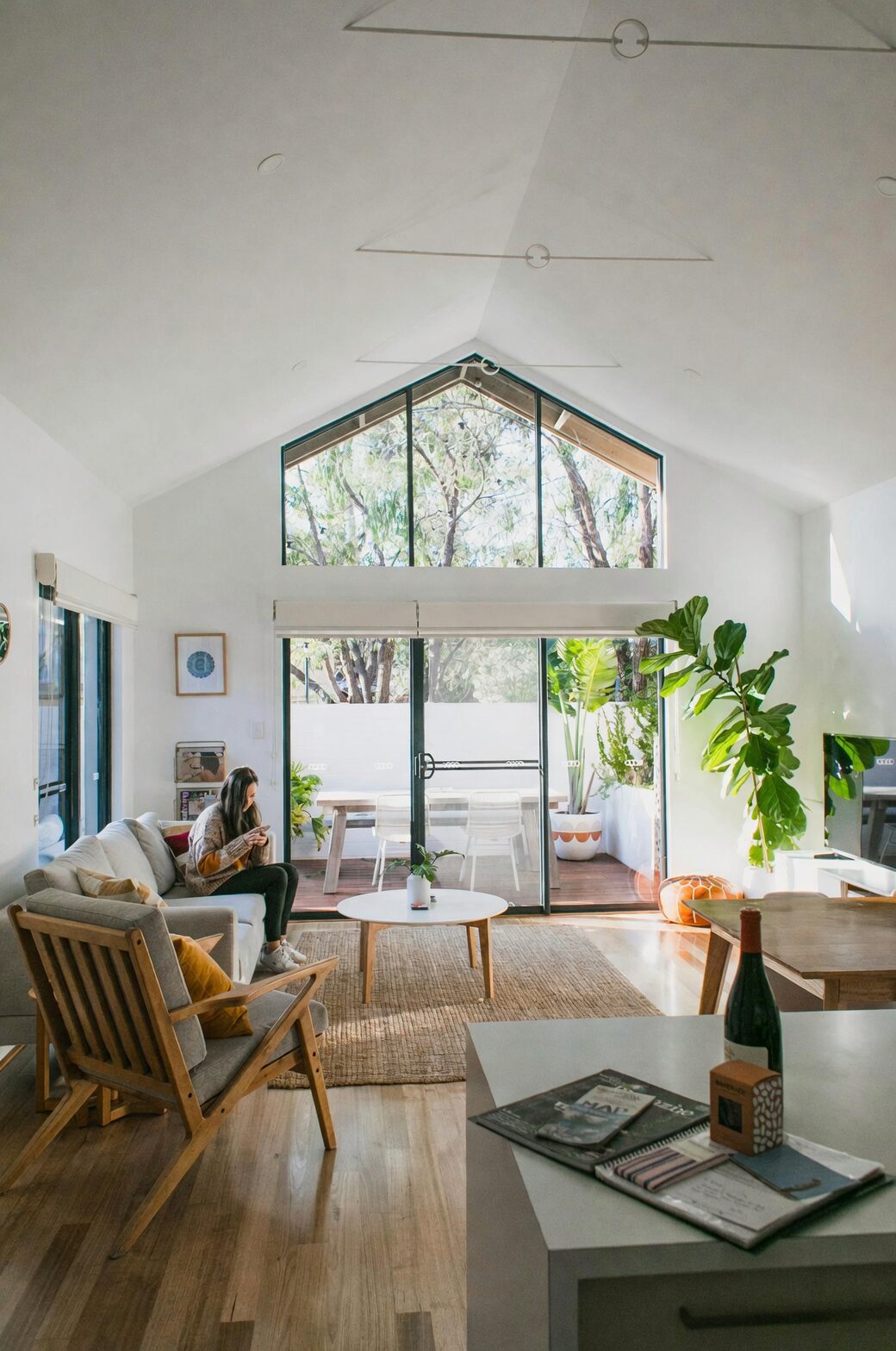
- Architectural accent: Use its slender, upright habit to frame windows or doorways without blocking light.
- Texture mixer: Pair with broad-leaved tropicals for a striking contrast.
- Indoor grove: Group two or three at staggered heights; prune each differently for layered canopies.
H2: Quick FAQ
- How do I make it bushier? Prune in early summer, cutting stems back by about one-third. When new shoots appear, prune again. Repeat 2–3 times to stack branching and fullness.
- What’s the best “homecoming” routine after buying? Bright filtered light, warmth above 15°C (59°F), keep the mix slightly moist, bump humidity to ~60%+, and give one light feeding once you see new leaves.
H2: Final Take
Polyscias elegantissima is the rare plant that looks couture but behaves like a sensible roommate. Give it bright, filtered light, steady warmth, and consistent moisture, and it’ll quickly fill your space with airy, feathery texture. Snip smartly in summer, and you’ll watch a lanky stick transform into a plush, sculptural showpiece—no catwalk required.