
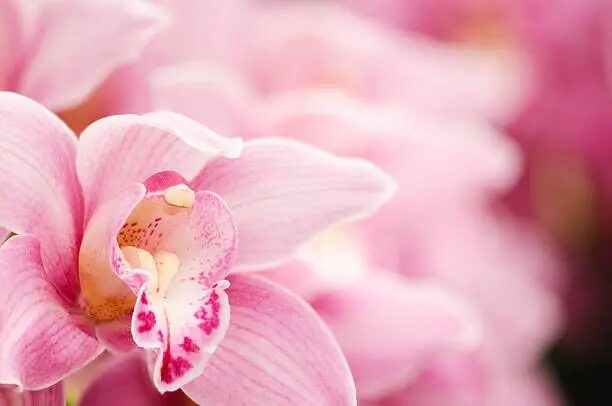
Cymbidium orchids are the cool-headed classics: arching, evergreen leaves, long-lasting sprays of waxy blooms, often fragrant, and happiest in bright, airy, mild conditions. When something goes wrong, though, it usually shows up fast on the leaves or buds. Here’s your rapid diagnostic guide plus a no-drama IPM playbook built on isolation, hygiene, airflow, and simple oil or soap sprays that actually work.
Fast diagnostics: what you see, what it means, what to do now
30-second visual triage
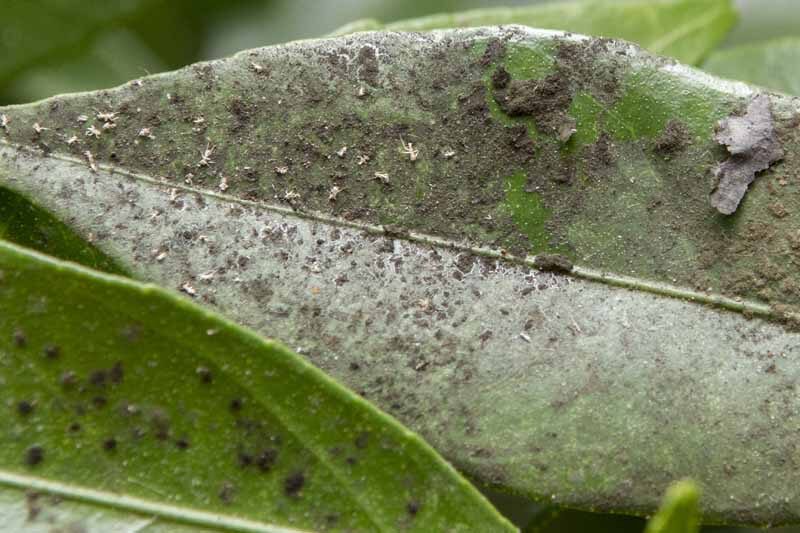
- Sticky leaves and black sooty film
- Likely sap-suckers (scale, aphids, whiteflies) producing honeydew. Expect ants nearby too.
- Do now: Isolate the plant. Rinse leaves with a strong, tepid shower to remove honeydew/soot, then plan targeted oil/soap sprays.
- Pinpoint to round dark spots with yellow halos; sometimes merging into patches
- Classic leaf spot/black spot in still, humid air or with wet foliage.
- Do now: Snip off worst-affected leaves, increase airflow, keep leaves dry.
- Brown to black, sunken or expanding lesions starting at tips/edges; may show a tan center with darker rim
- Anthracnose, often flaring up after overhead wetting or stale air.
- Do now: Remove affected tissue, boost ventilation, water early so leaves dry quickly.
- Orange to cinnamon powdery pustules on leaf undersides; may rub off onto tissue or your finger
- Rust.
- Do now: Remove and bin (don’t compost) infected leaves, separate the plant, and improve light and airflow.
- A tiny white “snowstorm” when you touch the plant
- Whiteflies.
- Do now: Isolate, rinse foliage, place yellow sticky cards, and prepare for repeated oil/soap sprays focused under leaves.
- Soft, pear-shaped insects clustering on spikes, buds, or new leaves; distorted tips
- Aphids.
- Do now: Pinch/wipe off, rinse, then oil/soap spray; repeat.
- Hard, stuck-on bumps on leaves or pseudobulbs; sticky honeydew and sooty mold may be present
- Scale insects (soft or armored).
- Do now: Dab individual scales with cotton swab + oil, then thoroughly oil/soap-spray; repeat to catch “crawler” stage.
- Buds yellowing and dropping after you brought the plant home
- Bud blast from sudden condition changes—very common with Cymbidiums.
- Do now: Give bright filtered light, cool nights, steady moisture (not soggy), and higher humidity with gentle airflow.
Quick confirmation tests
- The “wipe test”: Orange dust comes off a leaf underside? Rust. Black sooty film smears? Honeydew + sooty mold from sap-suckers.
- The “fingernail test”: Suspected scale usually flicks off with moderate pressure.
- The “flashlight check”: Look deep into leaf axils and around flower spikes for aphids, crawlers, or whitefly nymphs.
Why Cymbidiums get these problems
- Wet foliage + stale air = fungal leaf diseases (anthracnose, leaf spot, rust).
- Tender new growth + crowded, still conditions = aphids/whiteflies/scale flare-ups.
- Rapid changes in light/temperature/humidity = bud blast.
The Cymbidium IPM playbook: simple steps that work
1) Isolation and quarantine
- New arrivals and sick plants get their own bench or windowsill for 3–4 weeks.
- Water quarantined plants last; wash hands/tools afterward.
- Keep the plant out of hot, stuffy rooms. Cool-to-mild, bright, and airy is Cymbidium heaven.
2) Hygiene: clean plants stay healthy
- Remove and bag heavily spotted or rusted leaves; cut with sterile tools.
- After flowering, cut spent spikes to reduce energy drain and hiding places for pests.
- Rinse honeydew and sooty mold off with a tepid shower, then dry leaves quickly (fans help).
- Keep the crown dry—mist the surrounding air, not into leaf bases.
- Refresh tired, compacted orchid mix; Cymbidiums thrive in airy, bark-based media that never stay soggy.
- Empty saucers; don’t let pots sit in water.
3) Airflow and environment: your first antifungal
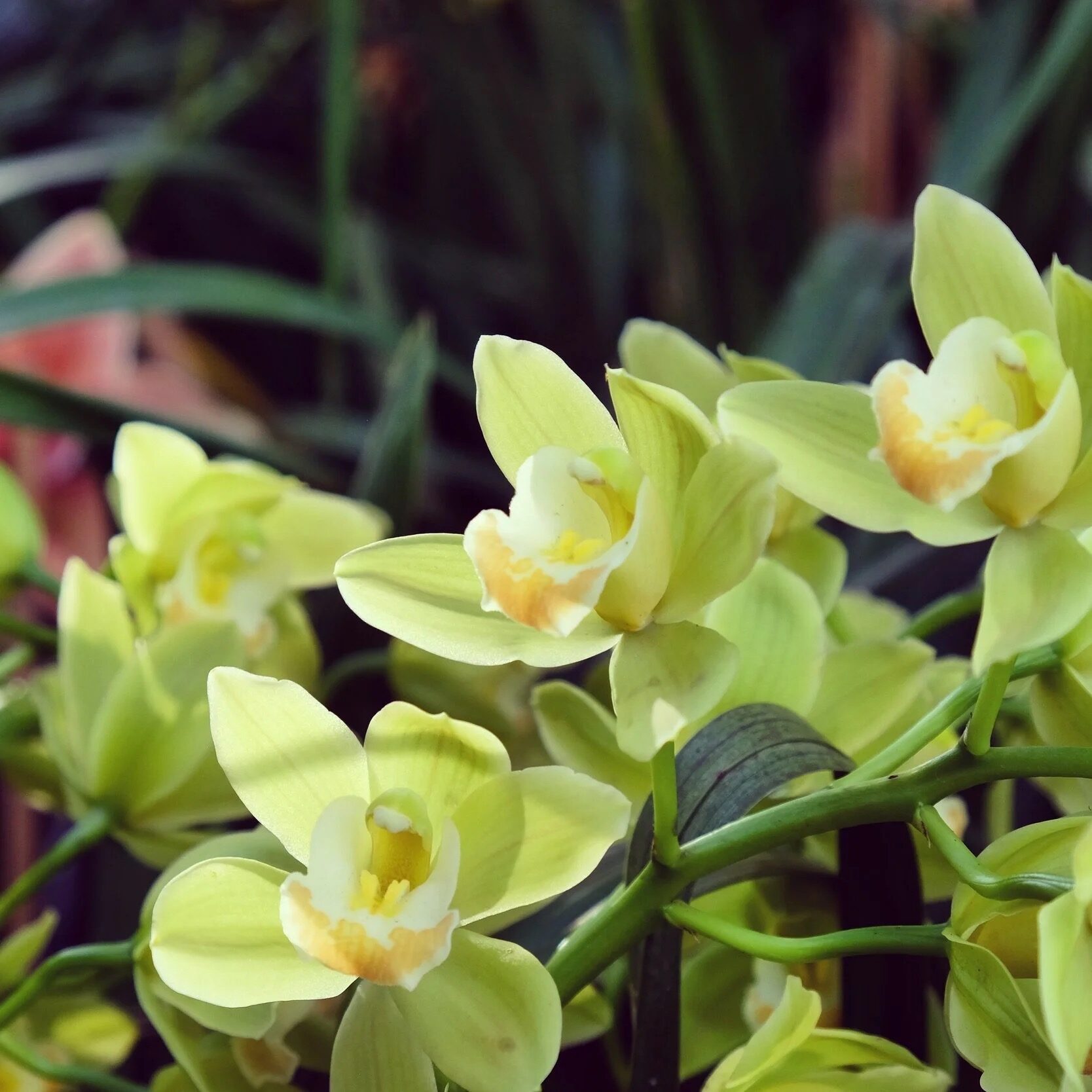
- Light: bright to bright filtered sun; give gentle morning sun and summer shade (~50–60%). In autumn, brighter and airy to support spikes.
- Temperature: 10–25°C (50–77°F). Cool nights help flowering; avoid hot, stagnant spots.
- Humidity: 70–80% is great, but always pair with gentle, constant airflow. A small fan on low is worth its weight in blooms.
- Water timing: early in the day so leaves dry by night. Evenly moist media—never waterlogged.
Strong ventilation is one of the simplest and most effective ways to prevent fungal leaf issues in Cymbidium.
4) Targeted sprays: horticultural oil or insecticidal soap
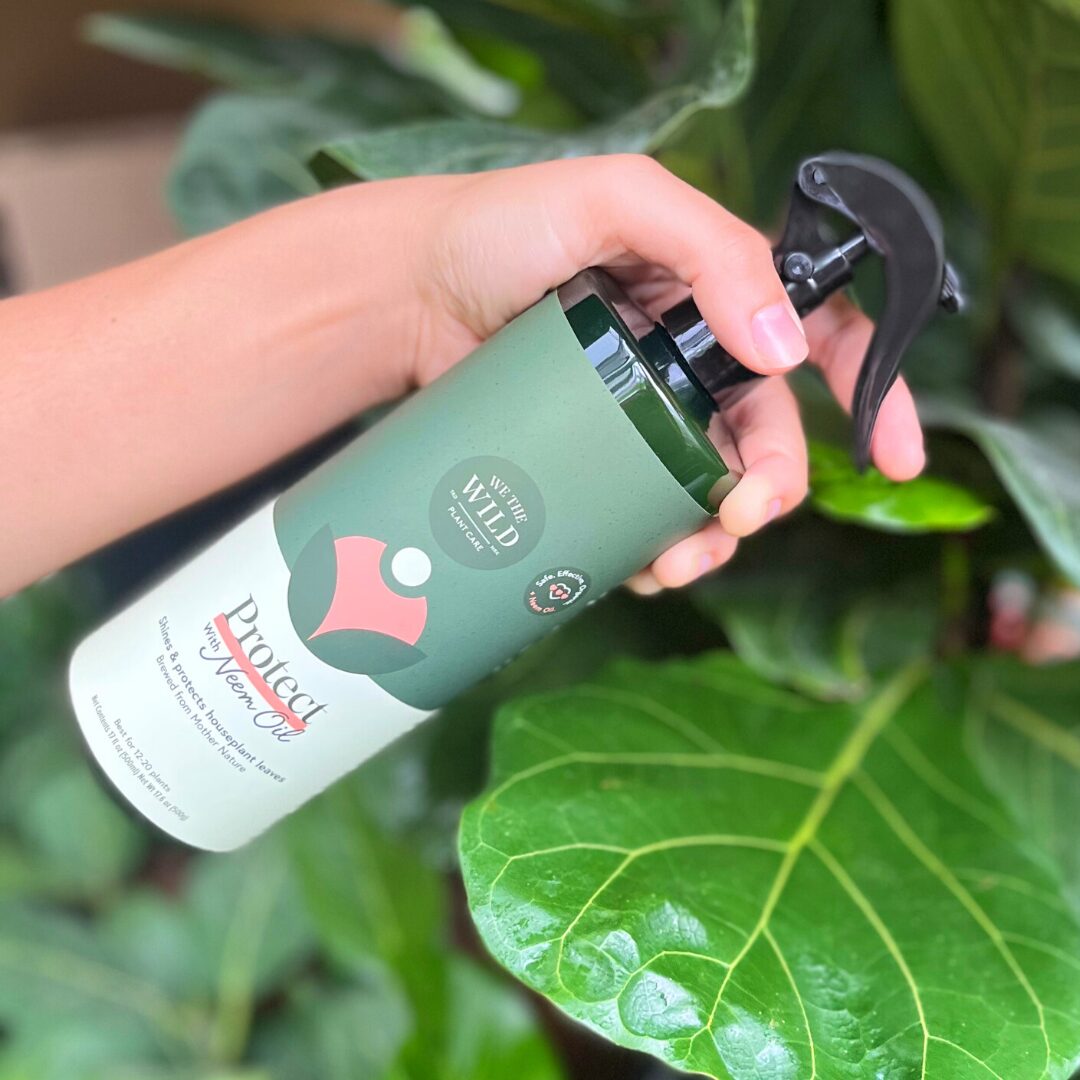
- What they’re great for: aphids, whiteflies, and scale (especially the mobile “crawler” stage). These sprays work by smothering pests; thorough coverage is essential.
- How to use
- Spray to glisten, especially leaf undersides, sheaths, and around spikes. Repeat every 7–10 days for 2–3 rounds to catch hatchlings.
- For scale, dab individual insects with oil on a cotton swab first, then spray the plant.
- Use yellow sticky cards to monitor whiteflies and gauge progress.
- Safety and timing tips
- Test-spray a small area and wait 24 hours before full treatment.
- Avoid spraying drought-stressed plants, buds about to open, or during heat spikes. Ideal window is within the plant’s comfort range (roughly 10–25°C/50–77°F).
- Oils/soaps have minimal residual activity—great for beneficials—but that means you must reapply and keep up the cultural fixes (airflow, hygiene).
Note: Oils can occasionally burn sensitive foliage if misapplied; thorough but sensible coverage, correct dilution, and good timing are key.
Disease cheat sheets
Anthracnose
- Symptoms: Expanding brown to black lesions, often starting at leaf tips/edges; may show defined dark margins. Spreads in humid, stagnant conditions and with wet foliage.
- First aid
- Isolate. Prune out affected tissue with sterile tools.
- Increase light and airflow; water early so surfaces dry.
- Keep crown/leaves dry; no late-day misting.
- Prevention: Space plants, run a gentle fan, and avoid soggy media.
Leaf spot / black spot
- Symptoms: Small black or dark brown spots, often with yellow halos; can coalesce into larger patches in still, wet conditions.
- First aid
- Remove worst-affected leaves.
- Improve ventilation and reduce leaf wetness.
- Prevention: Thin crowded clumps at repotting, keep medium airy, water at the base in the morning.
Rust
- Symptoms: Orange to brown powdery pustules on undersides of leaves; may leave rusty smears on tissue or fingers.
- First aid
- Remove and discard infected leaves; isolate the plant.
- Boost light and airflow; keep leaves dry.
- Prevention: Avoid overhead misting that lingers on foliage, especially late in the day.
Sap-sucker spotlight
Aphids
- Where you’ll find them: Clusters on new shoots, buds, and the tender necks of flower spikes; they can deform tips and foul buds with honeydew.
- Control: Pinch/rinse off, then insecticidal soap or horticultural oil. Repeat 7–10 days. Check spikes daily during active growth.
Whiteflies
- Tell-tale sign: A cloud of tiny white insects on disturbance; sticky honeydew and sooty mold follow.
- Control: Isolate, rinse foliage, add yellow sticky cards, then oil/soap sprays focused under leaves. Repeat cycles until traps stay quiet.
Scale insects
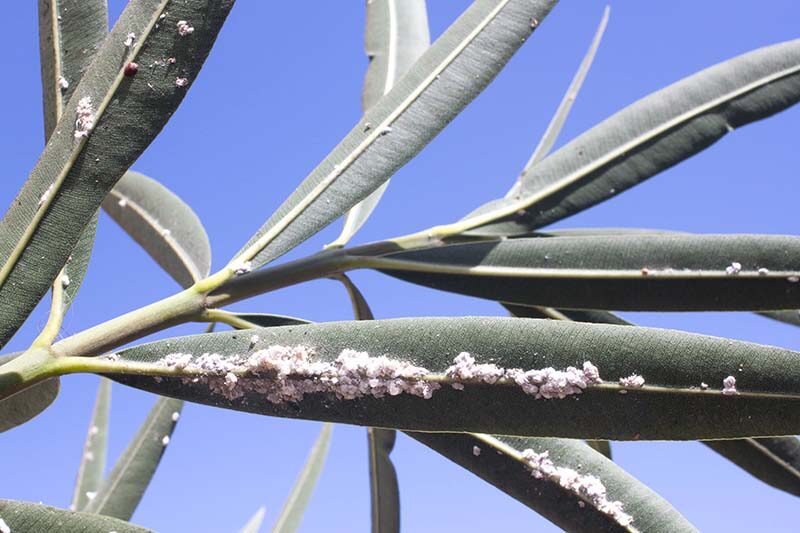
- Clues: Stuck-on bumps on leaves/pseudobulbs; honeydew and black sooty mold (soft scales). Armored scales may not produce honeydew.
- Control: Swab individuals with oil, then thorough oil sprays. Repeat to target crawlers. Good plant care and ant control reduce reinfestation.
Tip: Ants protect honeydew-producing pests. If you see ant traffic, manage it to give your biocontrols and soft sprays a fair shot.
Watering and feeding while recovering
- Water: Aim for evenly moist, airy media—never waterlogged. Typical rhythm:
- Spring/autumn: about 2×/week.
- Summer heat: water thoroughly in the morning (and again in the evening if the mix dries fast) while providing 50–60% shade and strong airflow.
- Winter: slightly moist; about every 4–5 days. Avoid sogginess.
- Fertilizer: During active growth, use dilute orchid fertilizer weekly. During spike/bud initiation, keep it light and adjust to growth speed; stop feeding in winter or whenever growth slows markedly.
Seasonal prevention checklist
- Spring: Feed lightly during new growth; maintain humidity with airflow; enjoy blooms.
- After flowering: Prime time to repot/divide, refresh mix, and remove yellowing leaves and dead roots.
- Summer: Shade 50–60%, prioritize ventilation, water more frequently, and avoid hot, stagnant corners where fungi and pests thrive.
- Autumn: Move brighter to support spike initiation; keep air moving and medium evenly moist.
- Winter: Keep above 10°C (50°F), stop fertilizing, and prevent soggy media.
Safety and pets
Cymbidium orchids are generally considered non-toxic to people and pets. Still, curious nibblers may get an upset stomach—best to keep leaves and flower spikes out of reach.
A note on symbolism (the “flower language” behind Cymbidium)
For centuries across Asia, Cymbidiums have stood for elegance, refined taste, and good fortune—traits tied less to folklore fables than to lived experience: cool-season blooms that light up winter, enduring flower spikes, and a quiet, architectural poise on the windowsill. Their “language” is really a cultural shorthand for resilience with grace—exactly what you’ll see from a healthy Cymbidium after you steady its environment and apply a calm, consistent IPM routine.
—
Bottom line: Most Cymbidium problems trace back to three fixable issues—stale air, wet foliage, and sudden environmental swings. Isolate fast, clean up the plant, move more air, and apply well-timed oil or soap sprays for sap-suckers. Do those four things well, and your cool-growing, bright-loving Cymbidium will get back to what it does best: weeks of elegant, fragrant blooms.