
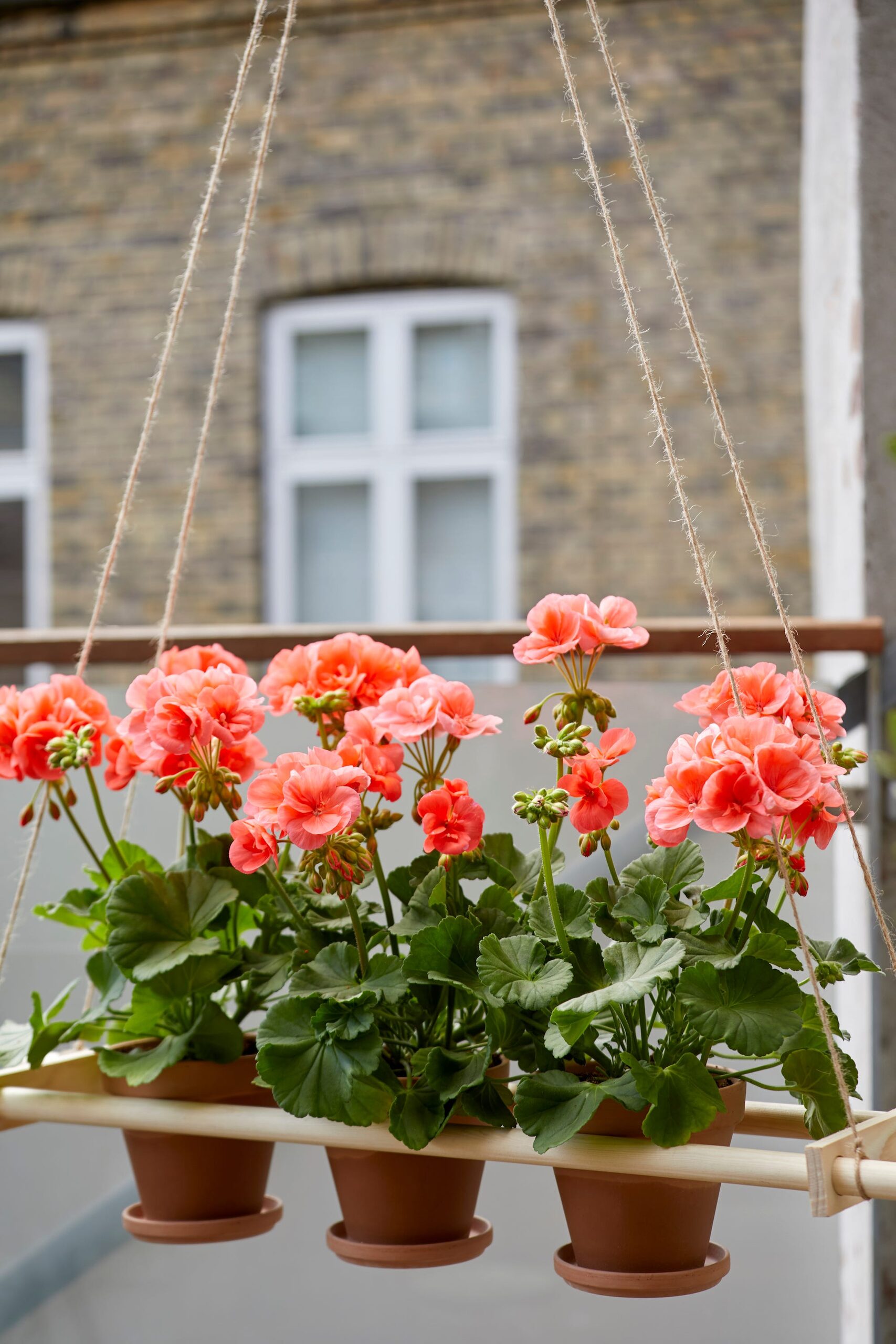
Brush a leaf, and your fingers bloom with perfume—that’s Pelargonium graveolens, the Scented Geranium, at its charming best. It thrives on bright light, quick-draining soil, and a smart, seasonal rhythm. Use this month-by-month checklist to time pinching, pruning, repotting, feeding, watering shifts, and overwintering so your plant stays bushy, fragrant, and floriferous from spring through fall.
How to use this calendar
- Baseline: Temperate Northern Hemisphere. In the Southern Hemisphere, shift the calendar by six months.
- Mild winter climates (about USDA Zone 10–11): You can keep plants outdoors year-round, but still follow the heat- and cool-season adjustments.
- Indoors: Prioritize your brightest window and excellent airflow all year.
Key care constants all year
- Light: Full sun to very bright light; a touch of bright shade in extreme summer heat.
- Soil: Very free-draining (light potting soil + coarse sand/perlite), never heavy or waterlogged.
- Water: Soak thoroughly, then let the top of the mix dry before watering again. Never leave the pot sitting in water.
- Temperature: Best around 10–20°C (50–68°F). Keep above 7°C (45°F) in winter. Pair warmth with airflow.
- Big seasonal quirk: In intense midsummer heat, many plants go semi-dormant—water less, don’t push feed, and shade lightly.
Month-by-month checklist
January
- Placement: Brightest, sunniest window; rotate weekly for even growth.
- Water: About weekly or less indoors. Water at midday on bright days; avoid cold water and splashing foliage.
- Feeding: Pause.
- Grooming: Remove yellowed leaves and spent stems to keep air moving.
- Pest watch: Check for spider mites, whiteflies, and mealybugs—dry winter air invites them.
February
- Placement: Stay bright; good ventilation prevents Botrytis.
- Water: Still sparing—roughly weekly or less, adjusting for pot size and sun.
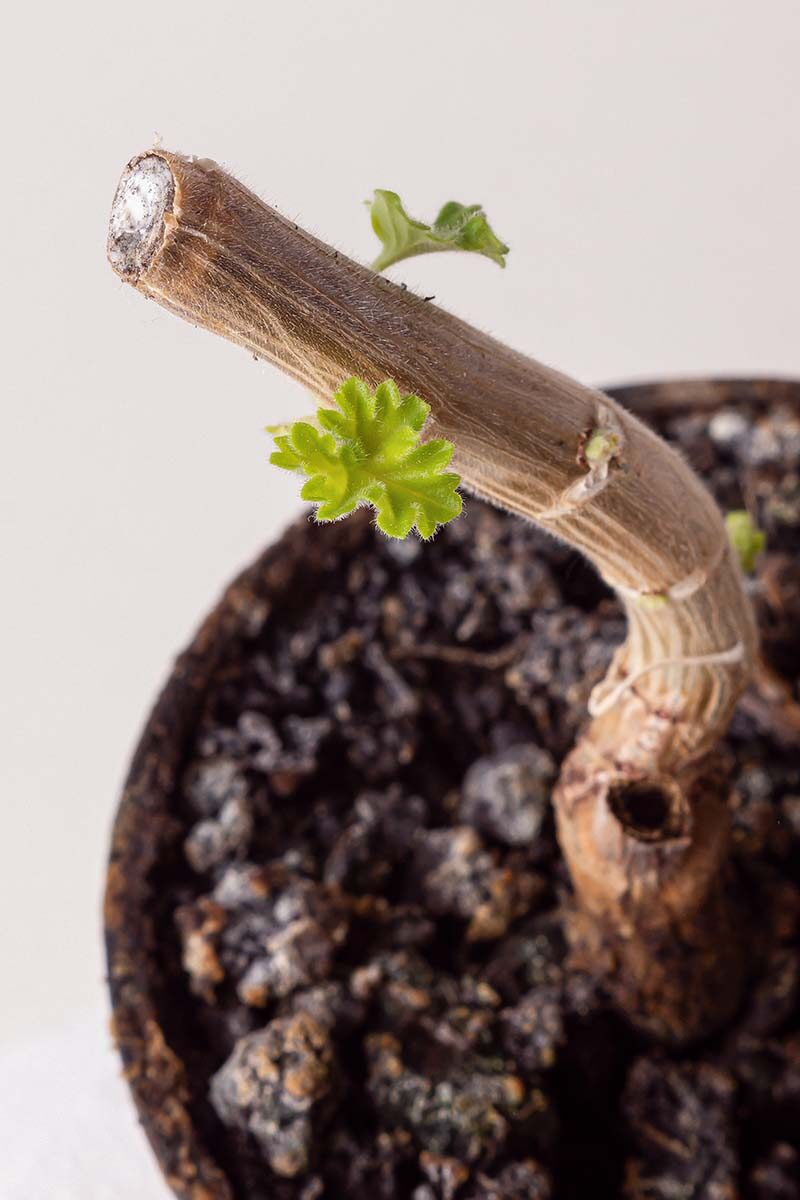
- Major shaping moment: Late-winter hard prune (reduce by 1/3 to 1/2) to reset leggy plants. Pinch tips on compact plants.
- Optional repot: Many growers pair the late-winter prune with repotting. After repot/prune, park the plant in bright shade/partial shade to recover.
- Feeding: Still paused until growth clearly resumes.
March
- Placement: Begin acclimating to outdoor sun if frost-free (start with morning sun).
- Water: Increase toward 1–2× weekly and rising; still let the top mix dry between waterings.
- Feeding: Lightly resume as new growth appears; a balanced liquid feed every 10–14 days once growth is steady.
- Pinching: Pinch tips to encourage branching and a bushy canopy.
- Propagation: Start cuttings from non-flowering shoots; allow cut ends to callus before sticking into very free-draining medium.
April
- Sun & bloom: Prime growth month—strong light powers fragrance and flowers.
- Water: Typically 2–3× weekly (adjust to pot size, sun, airflow).
- Feeding: Every 10–14 days during active growth.
- Pinch/prune: Continue tip pinching. Deadhead spent flower stems promptly.
- Airflow: Space plants; avoid wet foliage, especially late in the day.
May
- Placement: Outdoor balcony/patio sun is ideal; offer bright shade during early heat spikes.
- Water: Usually 2–3× weekly; water in the early morning.
- Feeding: Stay on the 10–14 day cadence.
- Shaping: Light trims after a flush of blooms keep it tidy and branching.
- Propagation: Cuttings root reliably now; single-node leaf-bud cuttings also work.
June
- Heat management: Improve airflow; consider bright shade during the hottest afternoons.
- Water: Still 2–3× weekly if conditions are warm but not extreme. Always allow the top mix to dry before watering again.
- Feeding: Continue every 10–14 days while growth is active.
- Grooming: Deadhead and thin congested growth for ventilation.
July
- Semi-dormancy alert: In intense heat, growth often pauses.
- Water: Reduce frequency; water early morning only when the top mix has dried. Keeping it wet now is a fast route to root rot and leaf drop.
- Feeding: Pause or reduce if growth stalls.
- Shade: Provide bright shade/filtered sun; avoid major pruning or repotting during heat stress.
- Watchpoints: Yellowing or leaf drop often signals heat + excess moisture; correct by reducing water and improving airflow.
August
- Easing heat: As temperatures moderate, growth restarts.
- Repot window: Popular time to repot (August–September). Trim long fibrous roots, replace roughly half the old mix, and consider cutting back top growth by up to half. Water once, then let it recover in bright shade before returning to full sun.
- Water: Increase slightly as growth resumes; still let the top dry between waterings.
- Feeding: Resume the 10–14 day feed if active growth is evident.
- Shaping: A post-repot pinch helps rebuild a compact canopy.
September
- Prime repot month: If not done in August, do it now.
- Water: About 1–2× weekly as nights cool.
- Feeding: Continue through September if growth remains steady.
- Transition: In cooler regions, begin moving containers to more sheltered, sunny spots; start indoor acclimation before first frost.
- Propagation: Take backup cuttings for winter insurance.
October
- Indoors now in cold climates: Choose the brightest window available.
- Water: Taper toward weekly or less.
- Feeding: Wind down and stop by late month.
- Hygiene: Remove tired leaves; keep foliage dry to avoid Botrytis.
November
- Quiet season: Growth slows in the shorter days.
- Water: Weekly or less, at midday on bright days; never leave standing water in saucers.
- Feeding: None.
- Pruning: Only light tidying; save major shaping for late winter.
December
- Low maintenance: Maximize light, minimize moisture.
- Water: Weekly or less depending on light, pot size, and indoor warmth.
- Enjoy: Harvest a leaf to scent tea, sugar, or holiday bakes—rinse, lightly bruise, infuse, then remove for a clean finish.
The right moments to shape or restart growth
- Late winter reset (February): Best time for a hard prune to rejuvenate woody, leggy plants. Pair with repotting if needed.
- Spring build (March–May): Regular pinching of soft tips creates a dense, branching plant with more flowering sites.
- Post-heat restart (late August–September): When the worst heat passes, a light pinch and (optionally) a repot refresh momentum after semi-dormancy.
- After heavy pruning/repotting: Keep in bright shade/partial shade until new leaves expand, then reintroduce full sun.
Watering cadence at a glance
- Spring: About 2–3× weekly.
- Summer heat: Reduce; water early morning only when the top mix has dried.
- Autumn: About 1–2× weekly.
- Winter: Weekly or less indoors; water midday on bright days; avoid cold water and wet foliage.
Feeding rhythm
- Active season (roughly April–September): Balanced liquid feed every 10–14 days at label strength.
- Pause feeding: In winter and during heat-induced semi-dormancy, or anytime growth slows or leaves yellow from cool stress.
Overwintering playbook
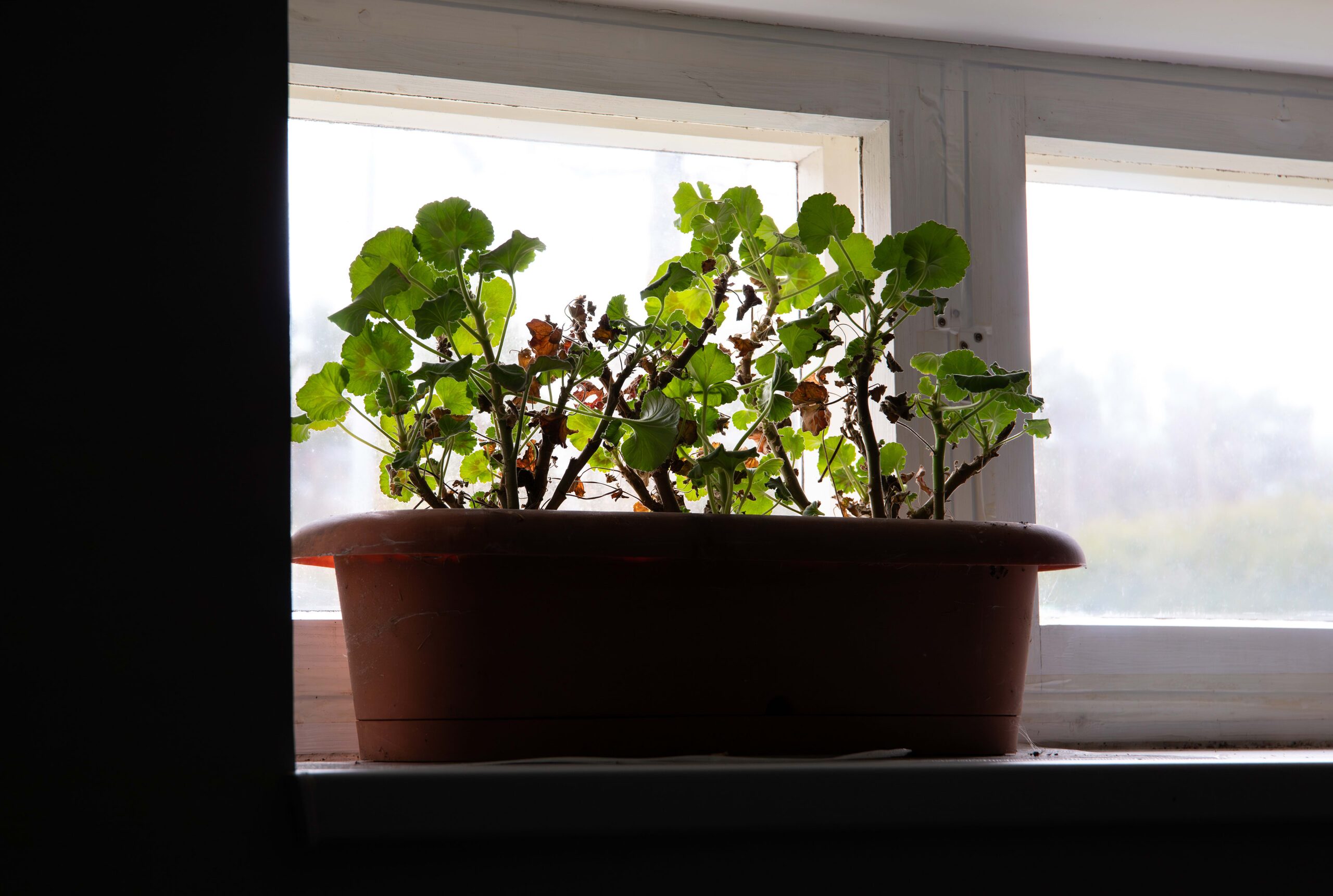
- Temperature: Keep above 7°C (45°F); ideal growth range is roughly 10–20°C (50–68°F).
- Light: Brightest possible window; consider a sheer to soften midday glare on cold, bright days.
- Water: Sparing—weekly or less. Always allow the top of the mix to dry.
- Airflow: Ventilate to deter Botrytis and leaf spot; avoid persistently humid, stagnant air.
- Insurance: Take a few cuttings in early autumn; they root readily and back up older, woody plants.
Repotting, simplified
- When: Commonly late summer (August–September) or after the late-winter prune. Aim for roughly once a year.
- How: Step up one pot size at a time. Replace ~1/2 the old mix, trim long fibrous roots, and cut back top growth by up to half. Set into a very free-draining medium. Water once, then recover in bright shade before full sun.
- Pot size guide: 12–15 cm (5–6 in) suits small plants; scale up gradually.
Propagation pointers
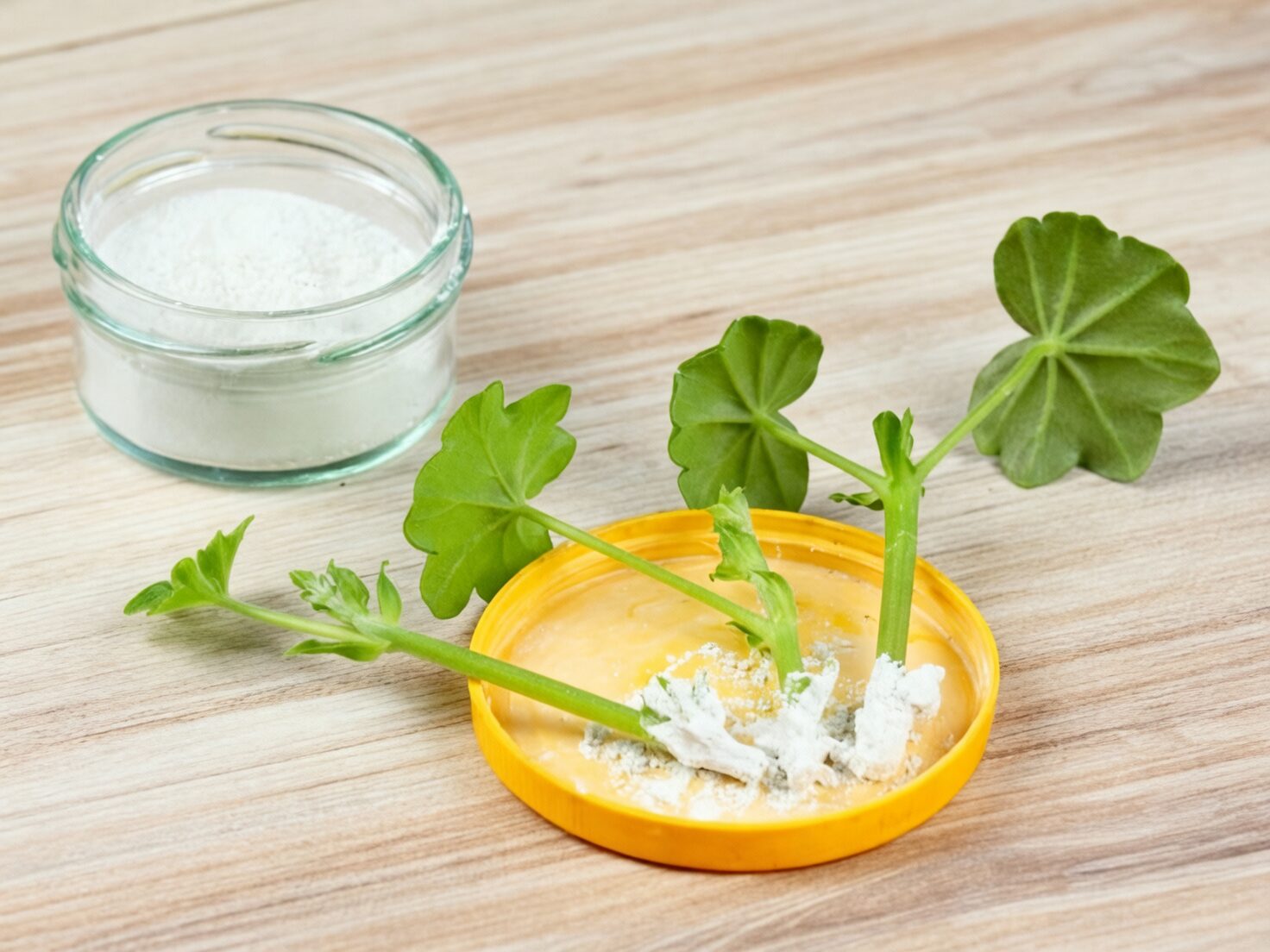
- Cuttings: Take 7–8 cm (about 3 in) non-flowering shoots with 3–4 nodes. Keep 1–2 small leaves, let the cut end dry/callus in bright shade, then insert into coarse sand or a very free-draining mix. Rooting often takes ~3 weeks; rooting hormone speeds things up.
- Seed: Sow in a sterile, free-draining seed mix; cover lightly. Best germination around 13–18°C (55–64°F); expect sprouts in 1–3 weeks.
Fast troubleshooting
- Yellowing leaves: Usually low light, overwatering, heat stress, or root-bound in exhausted mix. Brighten light, let the top mix dry between waterings, ensure free drainage, and repot yearly into airy soil.
- Summer stall: Normal in intense heat. Reduce watering, pause heavy feeding, add airflow, and use bright shade.
- Pests: Aphids, spider mites, whiteflies, and mealybugs—treat early with a firm rinse, insecticidal soap, or horticultural oil. Improve airflow and isolate badly infested plants.
- Diseases: Leaf spot and Botrytis follow wet foliage + stagnant air. Keep leaves dry, thin congested growth, and ventilate.
Aromatics, size, and placement
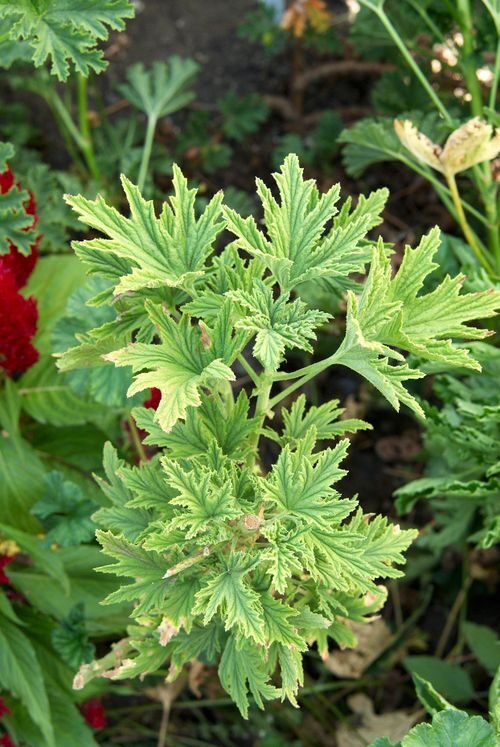
- Habit and size: A bushy, branching, semi-woody subshrub typically kept 20–60 cm tall/wide with regular pinching, but capable of 30–100 cm tall in larger containers.
- Scent & use: Leaves release rose-leaning oils; wonderful in potpourri and for infusing syrups, jams, teas, and dairy. Remove leaves after infusion for a smoother texture.
- Placement: Sunny balcony/patio in warm months; brightest windowsill in cool months. Average indoor humidity is fine—just keep the air moving.
Safety notes
- Generally low-toxicity, but essential oils can irritate sensitive skin. If pets chew a lot, mild gastrointestinal upset is possible. Best kept out of reach of nibblers.
A brief note on “flower language”
- Scented geraniums are often linked with admiration, comfort, happiness, and the hope of reunion—sentiments rooted in Victorian floriography, when fragrances and posies were used to convey unspoken messages. Today, the symbolism reads like a gentle reminder: prune what’s past, nurture what’s budding, and reunion—of scent, bloom, and form—will follow with the seasons.
Heat-wave rules (pin this)
- Bright shade during the peak.
- Water early morning, less often.
- No heavy pruning or repotting.
- Maximize airflow.
- Expect leaves to yellow or drop if kept too wet—correct quickly.
Follow this cadence and your Pelargonium graveolens will repay you with a year of clean, uplifting fragrance, compact form, and charming pink sprays—proof that great plants respond best to great timing.