
Lean in, rub a leaf, and the air around a scented geranium seems to sparkle—rose, citrus, a whisper of mint. It’s easy to see why Pelargonium graveolens has been sold as a “mosquito plant.” But does a pot by the patio really send biters packing? Let’s separate scent-fueled hype from what studies show, then lay out cultivars, growing conditions, and an integrated plan that actually keeps pests—both mosquitoes and plant-attackers—at bay.
Meet Pelargonium graveolens, the fragrant workhorse
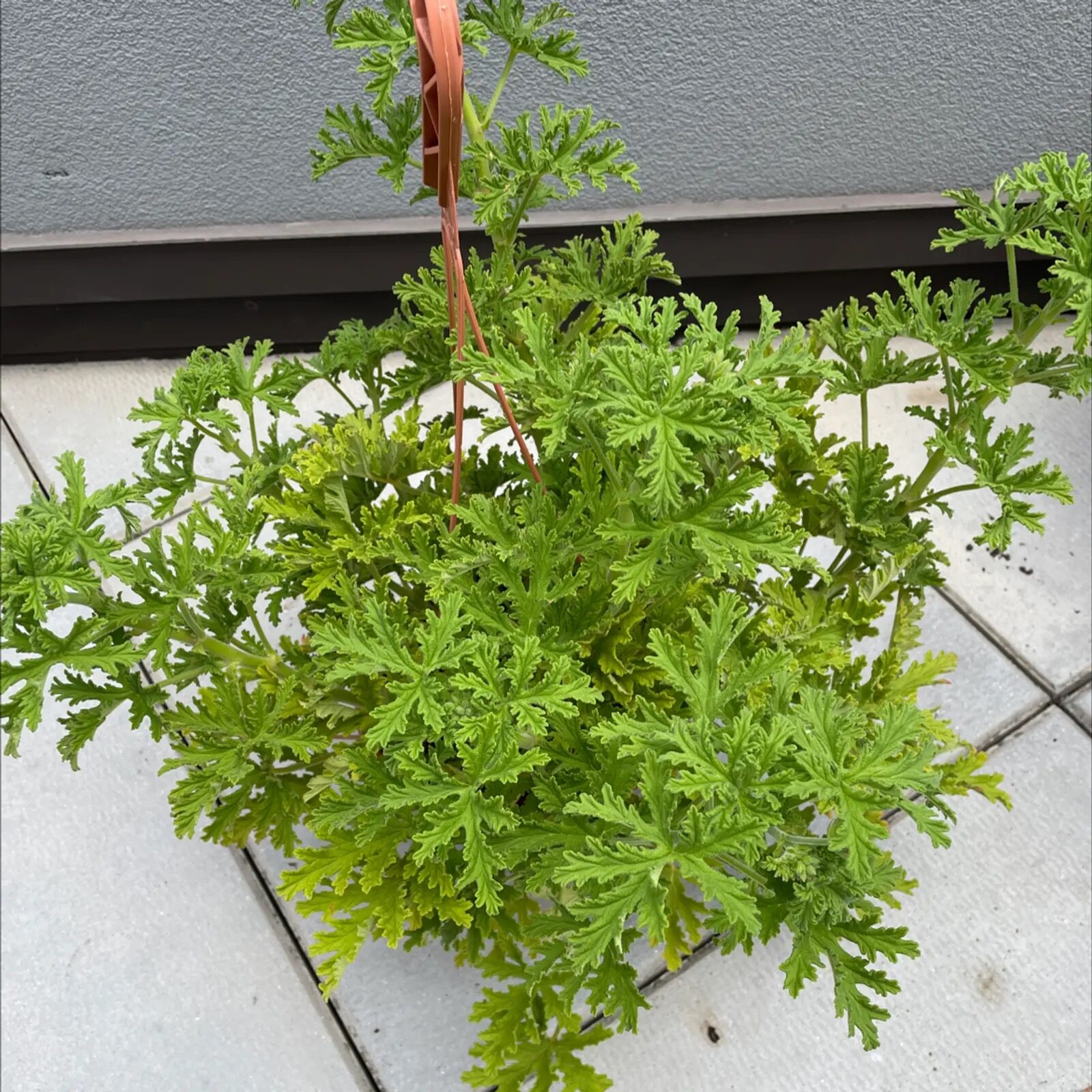
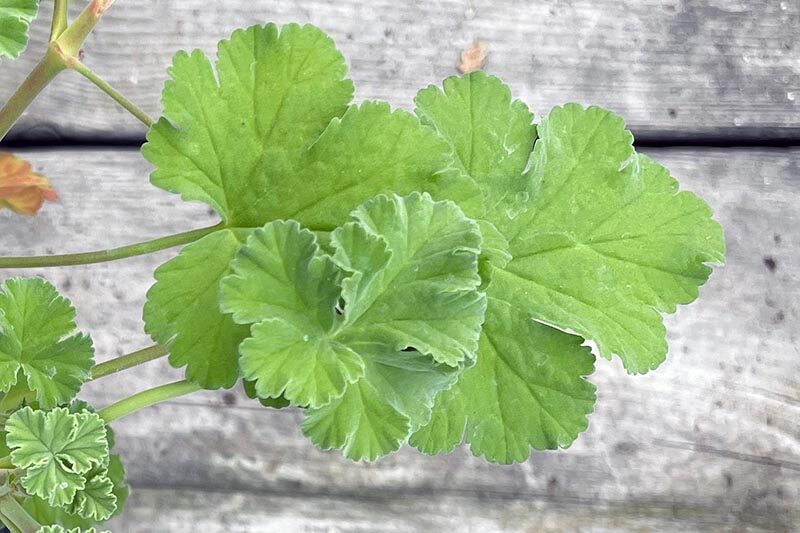
- What it is: A sun-loving, tender pelargonium from Southern Africa with velvety, lobed leaves that release perfume-like oils when brushed. Often called Scented Geranium, Rose Geranium, Rose‑Scented Geranium, or even Citronella Geranium in the trade.
- How it grows: A bushy, semi‑woody perennial, usually 20–60 cm tall and wide in pots with pinching, but capable of more in roomy containers. Dainty pink flowers appear in flushes from spring into autumn.
- Where it shines: Bright windowsills, balconies, and patios. It thrives in free‑draining soil and strong light. In peak summer heat it often pauses growth (a semi‑dormant lull), so you actually water less then, not more.
- Why perfumers love it: “Geranium oil” in fragrance often comes from Pelargonium species, prized for geraniol, citronellol, and linalool—molecules that smell wonderful to us and sometimes bother insects.
Repellency claims vs. reality
What the science says
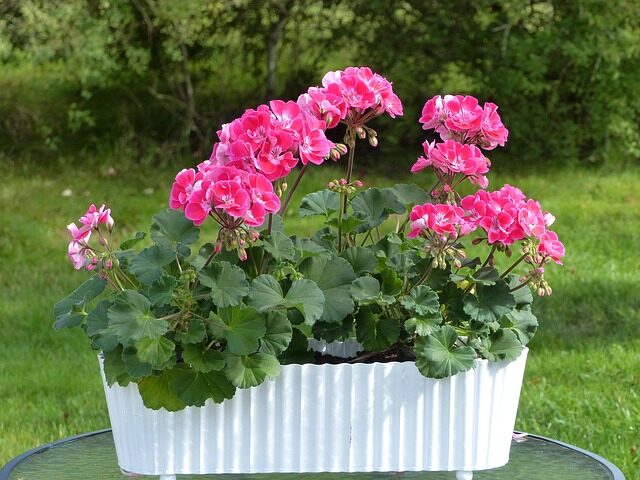
- A field test with people sitting beside the much-hyped “mosquito plant” (Pelargonium ‘Citrosum’, commonly sold as citronella-scented geranium) found no protection; mosquitoes even landed on the plants. In other words: a living plant nearby didn’t deter bites.
- Spatial repellents do work when enough active is released into the air. In controlled tests:
- Geraniol diffusers repelled about 97% of mosquitoes indoors and roughly 75% outdoors at 6 m (even better at 3 m).
- Linalool diffusers repelled about 93% indoors and 58% outdoors at 6 m.
- Citronella performed noticeably weaker, especially as candles. Candles in general underperformed diffusers.
Takeaway: It’s not the plant’s mere presence that protects you; it’s the concentration and continuous release of specific volatiles in the air. Diffusers can reach that threshold; a patio pot can’t.
Why a living plant rarely protects you
- Actives are locked in tiny oil glands. Unless leaves are crushed, heated, or otherwise disturbed, very little scent escapes.
- Outdoors, any whiff dilutes fast. Even with many plants, breezes disperse volatiles below a protective level.
- Chemistry varies by cultivar, age, light, and nutrition. Two “scented geraniums” can smell different and release different blends.
Does rubbing leaves on skin help?
- Briefly, sometimes. Fresh-crushed leaves can leave a local, short-lived halo thanks to geraniol/citronellol. But the effect fades quickly, and the foliage’s essential oils can irritate sensitive skin. Patch-test first, avoid eyes and mucous membranes, and don’t use on kids or pets.
Better choices for personal protection: EPA-registered repellents like DEET, picaridin, oil of lemon eucalyptus (PMD), or IR3535—used exactly as labeled.
Cultivars, chemotypes, and the conditions that shape scent
Not all “mosquito plants” are alike
- Sold names you’ll see: “Citronella Geranium,” “Mosquito Plant,” Pelargonium ‘Citrosum,’ along with rose-scented and other selections of P. graveolens.
- The fragrance profile depends on proportions of geraniol, citronellol, linalool, and related compounds. Citronella-leaning cultivars smell lemony; classic P. graveolens leans rosy.
Conditions that boost aroma
- Sunlight: Strong sun increases oil production and leaf fragrance intensity.
- Soil and water: Fast-draining mix and drying slightly between waterings concentrate oils in healthy leaves.
- Plant handling: Gently brushing foliage releases scent; avoid constant bruising that stresses plants.
- Heat note: In very hot spells plants often idle. Water less, give bright shade and airflow; scent returns as growth resumes.
What actually keeps mosquitoes away: a layered plan
Think of repellency like home security: one lock isn’t enough—layer tactics.
- Eliminate breeding sites
- Empty saucers, buckets, and anything holding water weekly.
- Clean gutters; refresh birdbaths.
- Treat unavoidable water (e.g., rain barrels) with Bti (mosquito “dunks”).
- Exclude and disrupt
- Install tight window/door screens; repair tears.
- Run oscillating fans on patios—mosquitoes hate turbulence.
- Wear long sleeves/pants; consider permethrin-treated clothing when appropriate.
- Use effective repellents
- Personal: DEET, picaridin, oil of lemon eucalyptus (PMD), or IR3535—reapply per label.
- Spatial: Continuous-release diffusers with geraniol or linalool placed upwind within a few meters. Candles add ambience but much less protection.
- Time and place
- Avoid dusk/dawn peaks when possible.
- Site seating away from dense, shady vegetation where mosquitoes rest.
- Plants as pleasant extras
- A ring of scented geraniums won’t clear the patio of mosquitoes. Enjoy them for fragrance and beauty—and let diffusers and proven repellents do the heavy lifting.
Keeping pests off your scented geraniums (integrated plant care)
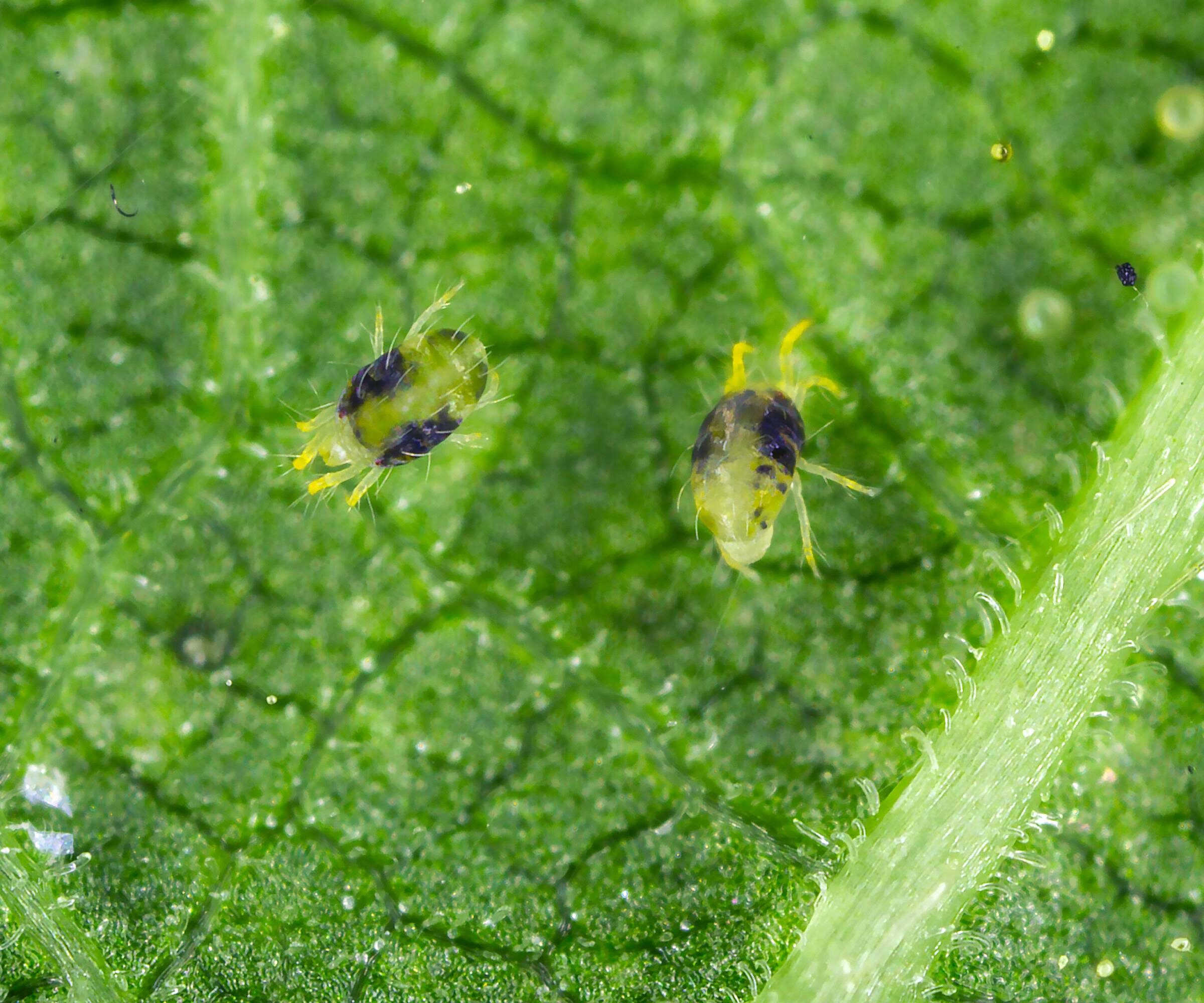
- Common culprits: Aphids, spider mites, whiteflies, and mealybugs. Fungal issues like Botrytis and leaf spot thrive in damp, stagnant air.
- Early, gentle control
- Rinse pests off with a firm spray or shower wand.
- Follow up with insecticidal soap or horticultural oil, covering undersides of leaves; repeat as needed.
- Isolate heavily infested plants. Always follow local regulations and product labels.
- Cultural prevention
- Light and airflow: Full sun to very bright light; good ventilation lowers disease pressure.
- Watering: Drench, then let the top of the mix dry before watering again. In peak heat, the plant may semi‑dorm—water less during that lull and avoid wet foliage late in the day.
- Potting mix: Very free‑draining. Blend light potting soil with coarse sand or perlite, or use a loam-based mix that drains fast. Never park pots in saucers of water.
- Cleanliness: Deadhead, remove yellowing leaves, and avoid overhead watering to reduce leaf spots.
Growing for vigor and aroma: quick-start guide
- Sun and temperature
- Full sun to very bright light; indoors, give the brightest window. In extreme heat, provide bright shade and airflow.
- Best growth around 10–20°C (50–68°F). Frost tender—keep above about 7°C (45°F).
- Soil and pots
- Use a fast-draining medium. Repot yearly into fresh mix; scale pot size gradually.
- Water and feed
- Water thoroughly, then let the top layer dry. Water less during midsummer semi-dormancy and sparingly in winter.
- Feed every 10–14 days in active growth (roughly April–September). Pause in winter or during heat-induced slowdowns.
- Shape and renew
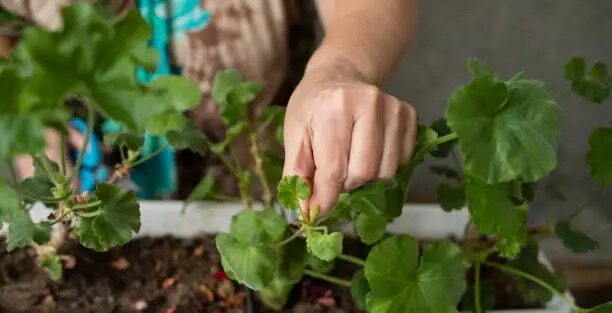
- Pinch tips at 12–15 cm tall to encourage branching. Hard-prune leggy plants by 1/3–1/2, often in late winter, then give bright shade to recover.
- Kitchen use
- Rinse clean leaves, lightly bruise, and infuse syrups, teas, dairy, jams, or sugar; remove leaves after steeping for a smooth finish.
Flower language: sweet symbolism with a grain of salt
Scented geraniums are traditionally linked with admiration, love, comfort, happiness, and the hope of reunion—meanings popularized in Victorian floriography, where fragrances and blooms carried coded messages. Treat these as cultural poetry, not botany: they’re lovely for gifting and mood, but they don’t predict outcomes. Red-flowered forms are sometimes tied to consolation and cheer.
Quick myth-busting cheat sheet
- “One pot on the patio keeps mosquitoes away.” False. Enjoy the scent; don’t expect protection.
- “Crushed leaves protect for hours.” Mostly false. Any effect is brief and can irritate skin.
- “Citronella candles clear the deck.” Often weak. Continuous diffusers with geraniol/linalool are far more effective.
- “All scented geraniums repel equally.” No. Chemistry varies by cultivar and conditions.
- “It’s hot—give more water.” Often wrong. In midsummer lulls, water less and focus on airflow.
Bottom line
Pelargonium graveolens is a superb aromatic companion—sunny, forgiving, and generous with fragrance for windowsills, balconies, and summer patios. But as a mosquito shield, the plant itself is more myth than muscle. Use it for delight; pair it with source reduction, barriers, proven personal repellents, and, if you like, well‑placed diffusers for real-world bite relief. Meanwhile, keep your plant vigorous with bright light, fast-draining soil, and measured watering—and it will reward you from spring to fall with scent, charm, and the occasional cloud of pink blooms.