
Brush the leaves of a good Pelargonium graveolens and the room blooms—rosy, citrusy, a hint of mint and lychee. That perfume lives in microscopic oil glands on the foliage, and the way you grow the plant can tip the scent toward plush rose, crisp citrus, or green-minty sparkle. Let’s decode the aroma chemistry and the famed regional “styles” of geranium oil—and then turn that knowledge into precise, hands-on tactics for bigger, fuller fragrance from your own plant.
Meet the plant behind the perfume
- Botanical name: Pelargonium graveolens (family Geraniaceae)
- Common names: Scented Geranium, Rose Geranium, Rose-Scented Geranium, Citronella Geranium, “Mosquito Plant” (repellency varies widely by cultivar and conditions)
- Origin: Southern Africa (Cape region)
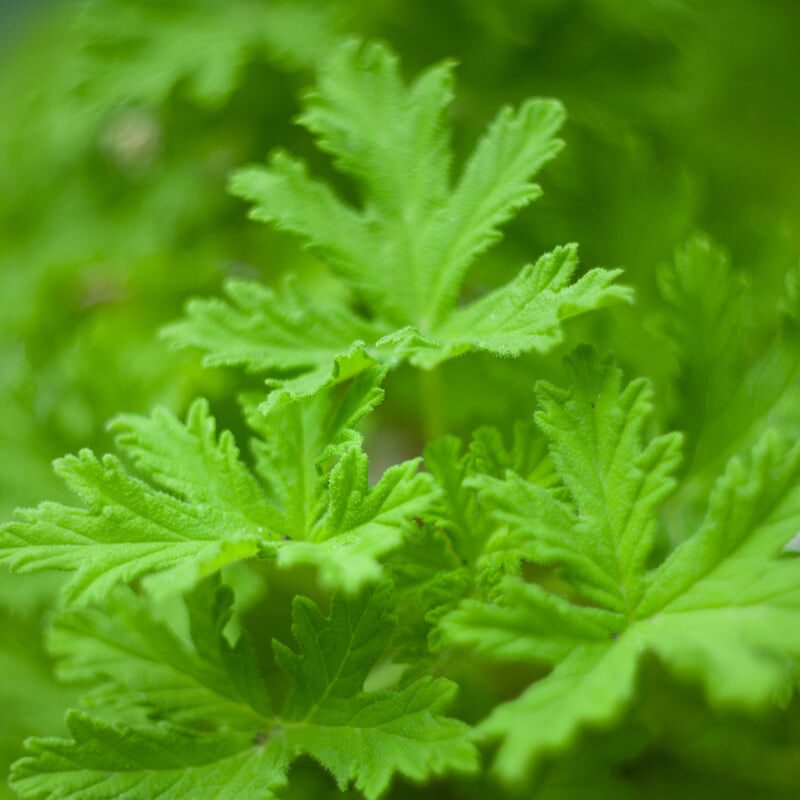
- Habit: Bushy, branching, semi-woody perennial subshrub with soft, lobed, highly aromatic leaves and dainty pink flowers
- Size in containers: Commonly 20–60 cm tall/wide with pruning; can reach ~30–100 cm tall given room and light
- Culture snapshot: Sun-loving, frost tender, thrives in airy, fast-draining soil; easy to moderate difficulty. Often pauses growth in peak midsummer heat—water less, not more, during that semi-dormant spell.
What does “rose geranium” actually smell like?
Think of a classic rose dressed in citrus zest and fresh greens:
- Rosy-floral core: geraniol (sweet rose), citronellol (lemony-rose)
- Bright lift: rose oxide (adds that lychee-like sparkle)
- Green-minty facets: menthone and isomenthone
- Soft floral halo: linalool
Shifts in the balance of these molecules produce noticeably different “dialects” of geranium aroma.
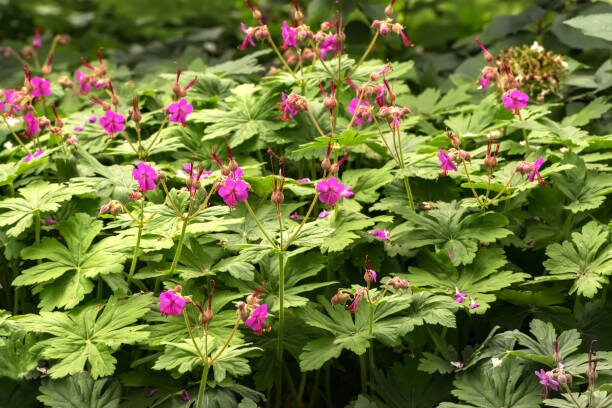
Regional styles: how origin shapes the bouquet
Geranium oil is distilled mainly from leaves and tender shoots of P. graveolens grown in different regions. While cultivars and terroir vary, growers and perfumers often describe these tendencies:
- Egypt (often sold as “Egyptian Geranium”): balanced geraniol/citronellol with a cool minty-green top from menthone/iso-menthone; a bright, versatile rose facet ideal for floral, chypre, and fougère accords.
- Réunion/Madagascar (“Bourbon” style): typically more citronellol-forward; round, lemon-rosy, soft and full-bodied.
- China: often clean and citronellol-leaning with a simpler, less minty profile.
- Central Asia (e.g., Tajikistan): published analyses show high citronellol with accents of menthone and linalool—rosy-citrus with gentle green.
- North Africa (e.g., Morocco): batches can read greener with a peppery tingle.
Why the differences? Genetics (cultivar), climate and altitude, soil and water regime, the plant’s growth stage, and timing of harvest all nudge the oil composition—then distillation method locks it in.
Turn chemistry into cultivation: tactics for fuller leaf fragrance
Scent lives in the foliage, and you can coax it richer, brighter, or greener by tuning light, water, soil, feeding, pruning, and harvest timing.
Light: fuel the terpene factory
- Aim for full sun to very bright light. Indoors, give the sunniest window you have.
- In extreme summer heat, shift to bright shade/partial shade to prevent stress and leaf drop.
- Why it matters: Strong light boosts essential-oil production; prolonged low light yields lanky growth and faint fragrance.
Practical moves
- Outdoors (spring–autumn): 6–8 hours of sun, shelter from scorching midday extremes.
- Indoors (cool months): south- or west-facing window; rotate weekly for even growth. If leaves pale or scent weakens, consider a supplemental LED grow light.
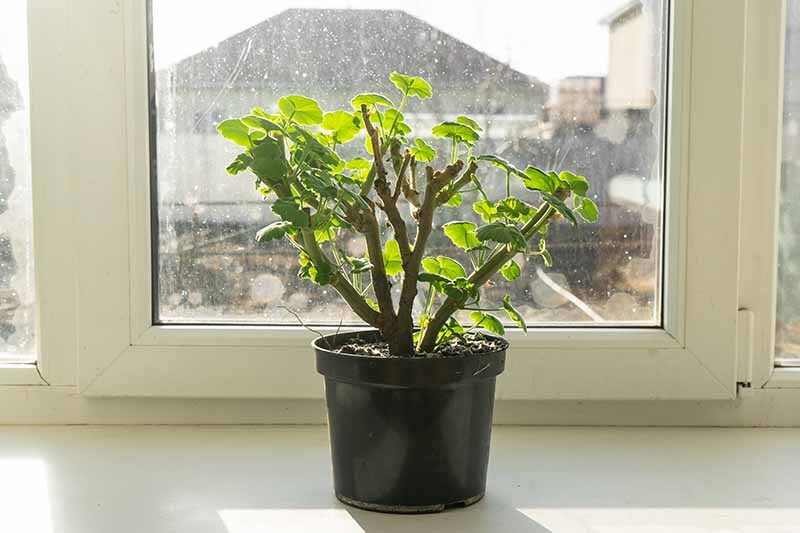
Soil and potting: keep roots airy, never soggy
- Use a very free-draining mix. Options:
- Quality potting mix cut 30–50% with coarse sand or perlite
- Classic loam-based blend: 2 parts garden loam : 1 part leaf mold/compost : 2 parts coarse sand (by volume)
- Repot yearly to refresh tired media, ideally late summer or after the main late-winter prune. Trim long roots lightly and replant into fresh mix.
Why it matters
- Oxygenated, fast-draining soil supports steady, aromatic growth. Waterlogged media dilute vigor and invite rot, leaf spot, and Botrytis—enemies of both plant and perfume.
Watering: “thorough, then let it breathe”
- Water deeply, then let the top of the mix dry before watering again. Never leave pots standing in water.
- Seasonal rhythm (adjust for pot size, sun, and airflow):
- Spring: about 2–3 times weekly
- Summer: reduce during heat-induced semi-dormancy; water early morning
- Autumn: about 1–2 times weekly
- Winter: weekly or less; water at midday on bright days; avoid cold water
Aroma nudge
- Allow light, consistent dry-downs between waterings. Gentle, managed drought (not wilting) can concentrate leaf oils and sharpen the rosy-citrus profile.
Feeding: enough to grow, not so much you wash out the perfume
- During active growth (roughly April–September), feed every 10–14 days with a balanced liquid fertilizer or a Pelargonium-specific feed at label strength.
- Pause or reduce feeding in winter and during heat slowdowns.
Aroma nudge
- Keep nitrogen moderate. Overfeeding N can produce lush but “thin-scented” foliage. A slightly lean regime with good potassium (and adequate magnesium) supports robust, aromatic leaves without diluting the oil.
Temperature and airflow: cool-moderate and breezy
- Best growth and fragrance development: roughly 10–20°C (50–68°F). Keep above ~7°C (45°F) in winter—frost is a no-go.
- In prolonged heat, growth often pauses; pair warmth with excellent ventilation and conservative watering.
Pruning for perfume: multiply your “scent emitters”
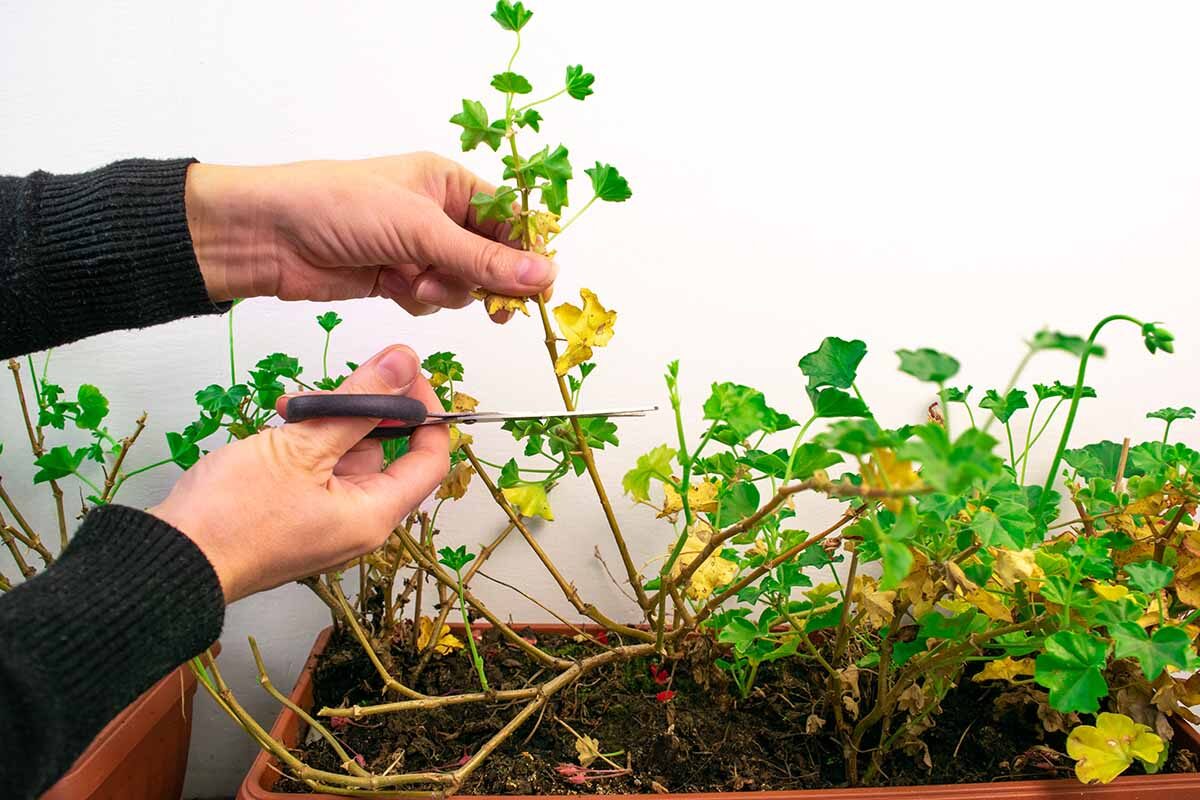
- Pinch tips once plants reach 12–15 cm to encourage branching—more shoots mean more fragrant leaf surface.
- Deadhead spent blooms and remove yellowed leaves.
- If leggy/woody, hard-prune by 1/3–1/2 in late winter, then let it recover in bright shade/partial shade before returning to full sun.
Aroma nudge
- Young, fully expanded leaves on well-lit, actively growing shoots are typically the most aromatic. Stagger pinches so you always have a section at peak leaf maturity.
Harvest timing: when leaves sing the loudest
- Time of day: Mid-morning after dew has evaporated, before strong afternoon heat drives off volatiles.
- Stage: Just before or around early flowering often balances rosy sweetness with green lift.
- Leaf position: Choose healthy, fully expanded mid-canopy leaves. Over-mature or shaded lower leaves tend to smell dull.
- Season: Spring and early autumn flushes—when temperatures are mild and growth is active—often yield the most balanced, vibrant aroma.
Tip for kitchen use
- Rinse leaves, lightly bruise, and infuse into sugar, syrups, tea, milk/cream, butter, or jam; remove the leaves for a smooth finish.
Indoor vs. outdoor tactics for better fragrance
- Indoors
- Brightest window; rotate weekly
- Avoid blasting heat from vents; average indoor humidity is fine
- Provide airflow (oscillating fan) to discourage leaf diseases
- Outdoors
- Full sun with a plan for heatwaves: shift to bright shade, water early morning
- Good air movement reduces Botrytis and leaf spot risk
Troubleshooting aroma and vigor
- Leaves turning yellow?
- Usual culprits: not enough sun, overwatering or poor drainage, heat stress, root-bound in exhausted mix, or erratic wet–dry swings.
- Fixes: move to brighter light, let the mix dry a bit between waterings, ensure free drainage, repot yearly into fresh, airy soil.
- Weak scent?
- Check for low light, heavy watering, excessive nitrogen, stale potting mix, or stagnant air. Correct those first.
- Pests and diseases
- Aphids, spider mites, whiteflies, mealybugs—treat early with rinsing, insecticidal soap, or horticultural oil. Avoid persistently wet foliage and improve airflow to prevent Botrytis and leaf spot.
- “Mosquito plant” reality check
- Fragrance is real; repellency varies a lot by cultivar and conditions. Enjoy it for its scent first.
Safety notes
- Generally low-toxicity. Essential oils in the leaves can irritate sensitive skin—wear gloves if you’re pruning or harvesting a lot.
- If pets chew large amounts, mild gastrointestinal upset is possible. Best kept out of reach of nibblers.
A brief, honest look at “flower language”
Victorian-era floriography popularized symbolic meanings for popular ornamentals, and Pelargoniums inherited a cluster of warm sentiments—admiration, love, comfort, happiness, even the hope of reunion. These aren’t botanical truths but cultural stories that stuck, sometimes muddled by the historic confusion between Pelargoniums and true Geraniums. If you gift a rose-scented geranium, you’re really offering a small, living vial of comfort: press the leaves and the room brightens. That’s a symbol with real, sensory weight.
A grower’s calendar for fragrant leaves
- Spring
- Resume steady watering (often 2–3× weekly)
- Start feeding in April; pinch tips for bushiness
- Harvest mid-mornings from fully expanded new growth
- Summer
- Expect heat slowdowns; reduce watering, water early mornings
- Provide bright shade during heat spikes and maximize airflow
- Harvest earlier in the day to catch volatiles before heat
- Autumn
- Water about 1–2× weekly; repot in August–September if needed
- Enjoy cool-season flushes; great time for culinary infusions
- Winter
- Keep above 7°C (45°F), water sparingly on sunny mid-days
- Stop feeding; avoid wet foliage and cold water
- Late winter: do the major prune; recover in partial shade, then back to full sun
Quick profile for success
- Sun: Full sun to very bright light; temporary bright shade in extreme heat
- Soil: Fast-draining, sandy or perlite-amended; avoid heavy mixes
- Water: Thorough, then let the top dry; never sit in water
- Feed: Balanced liquid every 10–14 days in active growth; lighter hand for denser scent
- Prune: Pinch at 12–15 cm for branching; hard-prune late winter if woody
- Harvest: Mid-morning, fully expanded leaves, spring and early autumn best
- Overwinter: Indoors, bright window; keep above ~7°C (45°F)
From Egyptian-bright to Bourbon-soft, Pelargonium graveolens can wear many rosy faces. With strong light, airy soil, thoughtful watering, strategic pinching, and savvy harvest timing, you can tune your plant’s leaves to the fragrance you love—then bring that living perfume into your kitchen, your bouquets, and your everyday rituals.