
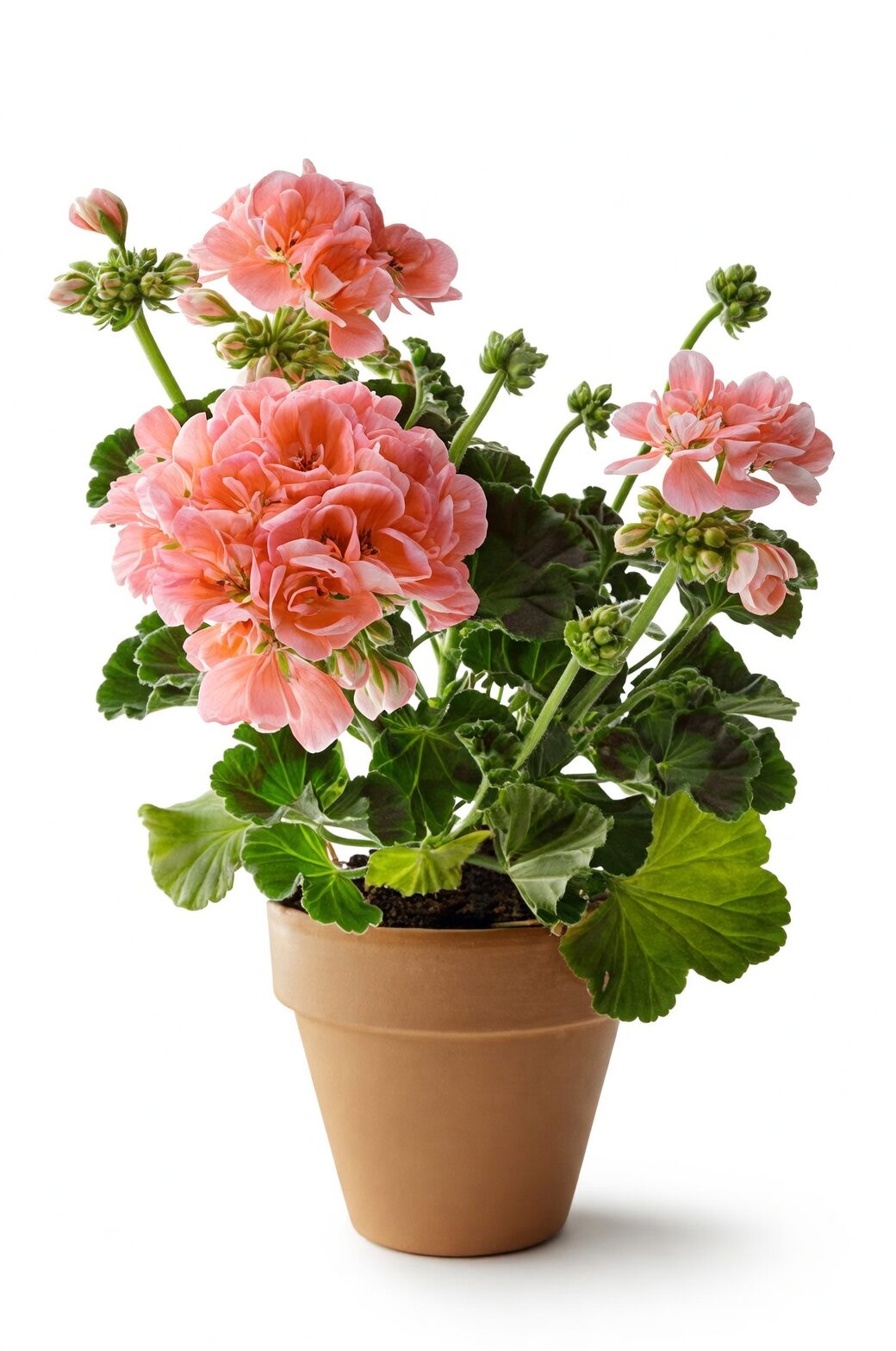
Breathe on a leaf of Pelargonium graveolens and it answers back with a plush, rosy perfume edged in citrus and green herbs. That’s your kitchen cue. This sun-loving, windowsill-ready plant—often called Scented Geranium or Rose Geranium—turns everyday sugar, tea, cream, and even spirits into quietly luxurious infusions. Here’s how to harvest leaves cleanly, infuse like a pro, pair flavors beautifully, and keep safety sensible.
Meet your plant (and its flavor)
- Botanical: Pelargonium graveolens (Geraniaceae), widely grown for its fragrant foliage and dainty pink blooms.
- Scent profile: Usually rose-leaning with a fresh citrus/green lift. Note that “scented geranium” cultivars can vary—some skew lemony, minty, appley, or musky—so sniff before you infuse.
- Growth habit: A compact, bushy, semi-woody subshrub. With regular pinching it’s often 20–60 cm tall/wide in a pot, but larger in roomy containers.
- Best culture for flavor: Give it full sun or the brightest window you have, airy, free-draining soil, and careful watering. In very hot midsummer it may slow down (a semi-dormant pause)—that’s your sign to water less, not more.
Tip: If you ever see a cultivar labeled “True Rose,” you’ll likely get a classically rosy leaf—perfect for dessert syrups.
Harvesting 101: how to remove leaves cleanly
Great infusions start with great leaves. Harvest thoughtfully and your plant stays handsome and productive.
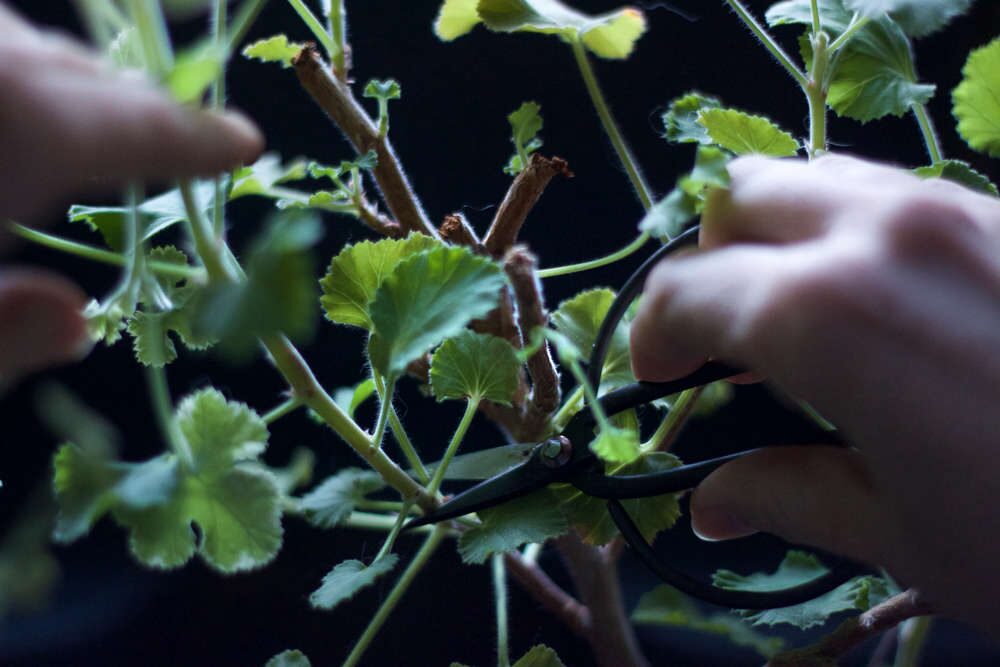
- When to harvest
- Late morning, after dew has dried, is ideal. Choose mature, unblemished leaves (they’re more aromatic than very young ones).
- Avoid leaves from plants recently treated with pesticides.
- Tools and hygiene
- Clean hands or small, sharp snips. Rinse harvested leaves in cool water and pat dry. Don’t leave the plant’s foliage persistently wet—good airflow prevents leaf spot and gray mold.
- How to remove leaves without stressing the plant
- Support the stem with one hand.
- With your other hand, pinch the leaf’s petiole right at its base, or use snips to cut flush with the stem. Avoid tearing or leaving ragged stubs.
- Want a small sprig? Cut just above a node (where leaves emerge). This “pinch” encourages branching and keeps the plant bushy.
- Harvest lightly and from multiple stems—no more than about one-third of the foliage at a time.
- Short-term storage
- Use leaves the same day for peak aroma. For 24–48 hours, wrap in a barely damp towel and refrigerate in a breathable container.
The infusion playbook: step-by-step methods
Leaves lend aroma quickly. Lightly bruise or roughly chop to release oils, then infuse and remove for a silky finish.
Simple syrup (for cocktails, iced tea, lemonade)
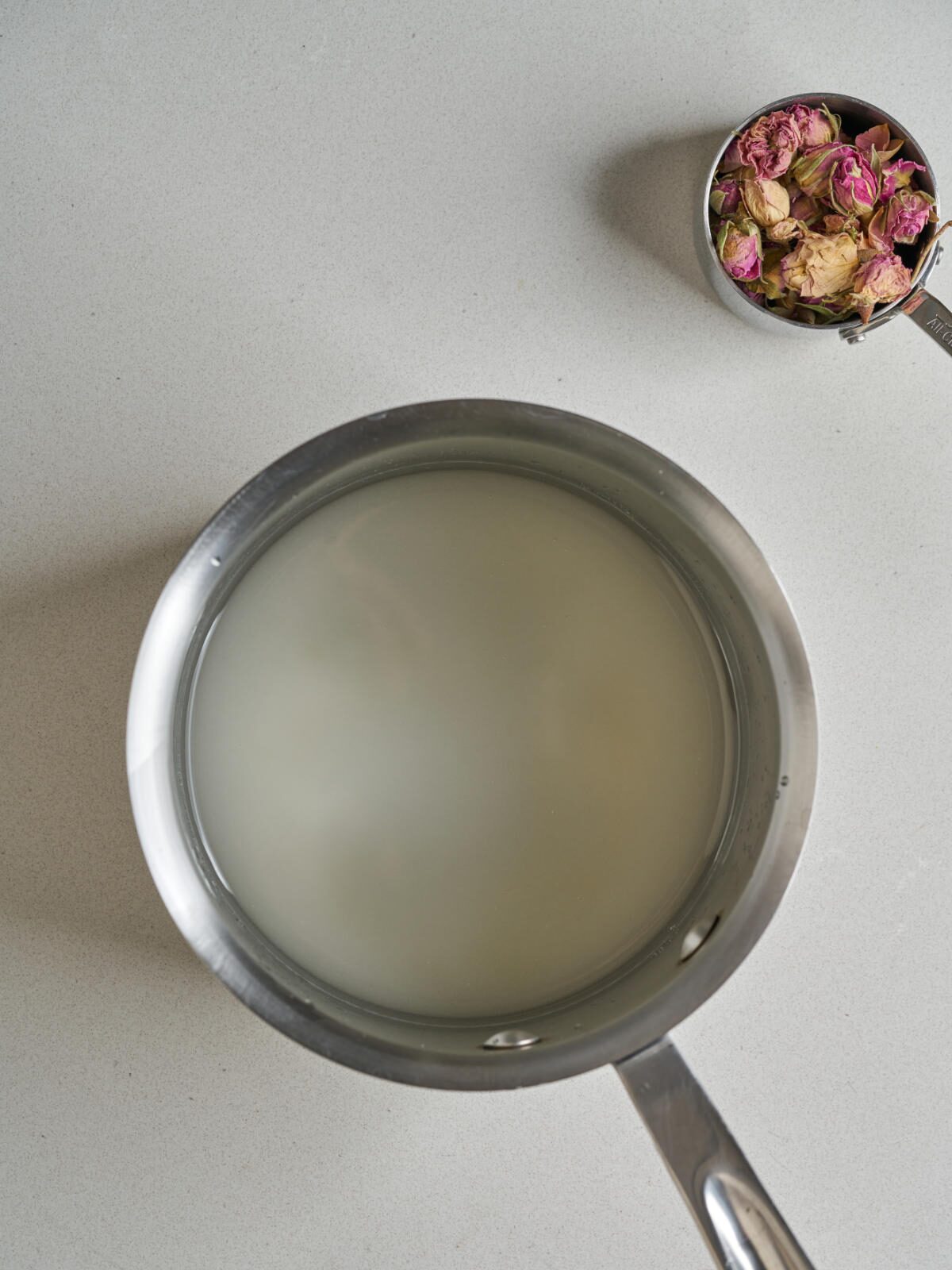
Fragrant, foolproof, and keeps beautifully in the fridge.
- Ingredients
- 2 cups water
- 2 cups sugar
- 10–15 clean rose-scented geranium leaves
- Method
- Bring water and sugar to a boil, stirring to dissolve.
- Add leaves, cover, and reduce to low. Simmer 5 minutes until fragrant.
- Remove from heat, discard leaves, cool, and bottle.
- Refrigerate up to a few weeks.
- Use it in
- Gin or vodka highballs, martinis, margaritas (swap or reduce orange liqueur), lemonade spritzers, iced black or green tea.
Tea (hot or iced)
- Ratio: 3–5 leaves per cup of just-off-boil water.
- Method: Steep 5–7 minutes. Strain. Sweeten with honey or your geranium syrup. For iced tea, double the leaf quantity, steep 7–10 minutes, strain over ice.
Great blends: black tea + a strip of lemon peel; green tea + fresh mint; hibiscus for a rose-citrus punch.
Milk or cream infusion (custards, panna cotta, ice cream)

Rose meets velvet.
- Ratio: 10–20 leaves per 500 ml (2 cups) milk/cream.
- Method
- Heat dairy to steaming (don’t boil).
- Stir in leaves, cover, and steep 20–30 minutes off heat.
- Strain and chill before using in your recipe.
Notes: The leaves are removed after steeping for a smooth texture. This method shines in crème anglaise, pastry cream, and ice cream bases.
Butter, two ways
- Compound butter (speckled and fresh)
- Finely mince 6–8 leaves; mash into 115 g (1 stick) softened unsalted butter with a pinch of salt. Chill. Spread on warm scones, crêpes, or melt over pancakes.
- Strained “perfumed” butter (silky)
- Melt 115 g butter gently, add 6–8 torn leaves, warm on low 5–8 minutes, then strain. Use for sponge cakes, shortbread, or to brush cake layers.
Sugar jar (dry infusion)
Like vanilla sugar—but rosy.
- Pack 6–10 leaves between layers of granulated sugar in a sealed jar.
- Infuse 3–7 days, shaking daily.
- Remove leaves (they may clump); use the sugar in whipped cream, meringues, or shortbread.
Jam and poaching infusions
- For berry or rhubarb jam: Tie 6–8 leaves in cheesecloth per 1 kg fruit. Add at the simmer stage for 5–10 minutes, then remove before the final set.
- For fruit syrups or poached fruit: Slip in 4–6 leaves during the last 5 minutes, then strain.
Light alcohol maceration (cordials and mixers)
- Ratio: 250 ml (1 cup) vodka or gin + 8–12 leaves, lightly bruised.
- Method: Steep 24–48 hours in a cool, dark spot; strain. Add simple syrup to taste for a cordial, or keep it dry for cocktails.
Important: Use fresh leaves for maceration. Do not substitute bottled essential oil.
Bake-in aromatizing (leaf-lined pan)
Line the base of a buttered cake pan with clean leaves, pour in batter (pound or sponge works well), bake, then lift out the leaves with the cake. They leave a subtle, perfumed imprint without remaining in the crumb.
Best pairings (and easy menu ideas)
- Berries + lime: Strawberry or blackberry jam kissed with leaf sachets; lime and geranium syrup in margaritas.
- Rhubarb and stone fruits: Poached peaches or apricots with geranium cream; rhubarb compote with a spoon of geranium syrup.
- Citrus: Lemon loaf glazed with geranium syrup; grapefruit segments in geranium syrup over yogurt.
- Creamy desserts: Rose-geranium ice cream or panna cotta; whipped cream sweetened with geranium sugar.
- Teas and coolers: Iced black tea with geranium syrup and lemon peel; sparkling water with a dash of syrup and a mint sprig.
- Breakfast bakes: Shortbread or sablés with geranium sugar; crêpes with geranium butter and berries.
Flavor tip: If your plant’s leaf leans lemony or minty (some cultivars do), pair with herbal teas, cucumber coolers, or citrus curds; if it’s more rose-forward, aim for berries, vanilla, and cream.
Safety, quality, and common-sense notes
- Use leaves, not essential oil. Never ingest geranium essential oil—it’s highly concentrated and not a culinary ingredient.
- Skin sensitivity: The fragrant foliage can irritate sensitive skin; handle and taste in moderation if you’re new to it.
- Pet caution: If pets chew a lot of foliage, mild stomach upset is possible. Keep plants out of reach of nibblers.
- Food safety: Always use clean, pesticide-free leaves. Refrigerate infused syrups and dairy; label and date jars.
- Plant health: Avoid keeping the plant’s foliage constantly wet; good airflow helps prevent gray mold and leaf spots.
Keep the aroma coming: quick grower tips for kitchen gardeners
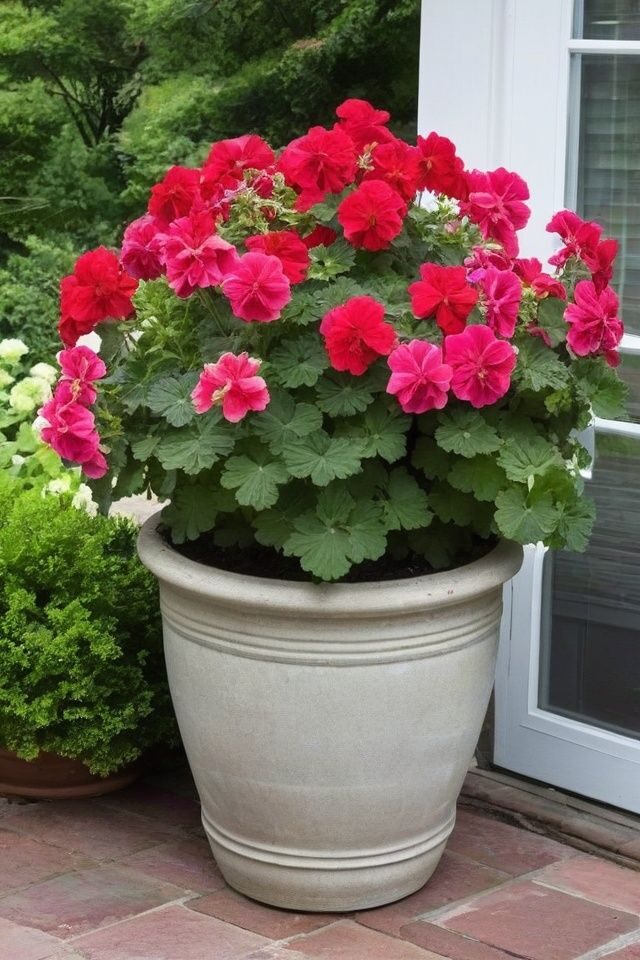
- Light: Full sun outdoors or the brightest indoor window. In heat waves, offer bright shade to reduce stress and leaf drop.
- Water: Soak thoroughly, then let the top of the mix dry before watering again. In peak summer heat, growth may pause—water less during this semi-dormant spell and never let pots sit in water.
- Soil: Use a very free-draining mix (potting soil plus coarse sand or perlite).
- Temperature: Best around 10–20°C (50–68°F); protect from frost and keep above ~7°C (45°F).
- Shape and renew: Pinch tips to encourage branching; remove spent blooms. If plants get leggy, prune back by one-third to one-half in late winter and repot into fresh, airy mix.
- Harvest rhythm: Frequent light pinches yield both kitchen leaves and a bushier plant.
A quick note on symbolism
Scented geraniums have long been linked with admiration, love, comfort, happiness, and the hope of reunion—associations that grew from Victorian-era floriography and later cultural traditions rather than botany. If that resonates, consider your leaf-infused treats as small, fragrant gestures of warmth and welcome.
Your first infusion, tonight
Snip a handful of leaves, simmer a 1:1 simple syrup for five minutes, strain, and chill. Tomorrow you’ll have rose-kissed iced tea, a brighter lemonade, or a cocktail that tastes like sunshine on your kitchen windowsill—straight from the plant you grew.