
The first time you brush a leaf of Pelargonium graveolens—better known as rose geranium or simply scented geranium—you understand why whole rooms, poems, and pocket-sized bouquets once revolved around it. One thumb rub and the air lifts with a rosy, citrus-green perfume: homely yet elegant, like a kitchen warmed by sunlight and fresh jam. That scent, together with its everyday usefulness, is exactly why this plant earned such tender meanings in the language of flowers—and why it still makes a deeply thoughtful gift today.
From Cape perfume to secret messages: how its flower language began
The plant behind the perfume
- Botanical identity: Pelargonium graveolens (family Geraniaceae), a bushy, tender perennial from the Cape region of Southern Africa.
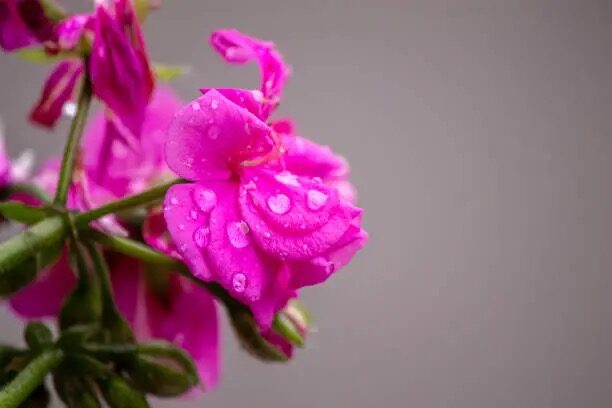
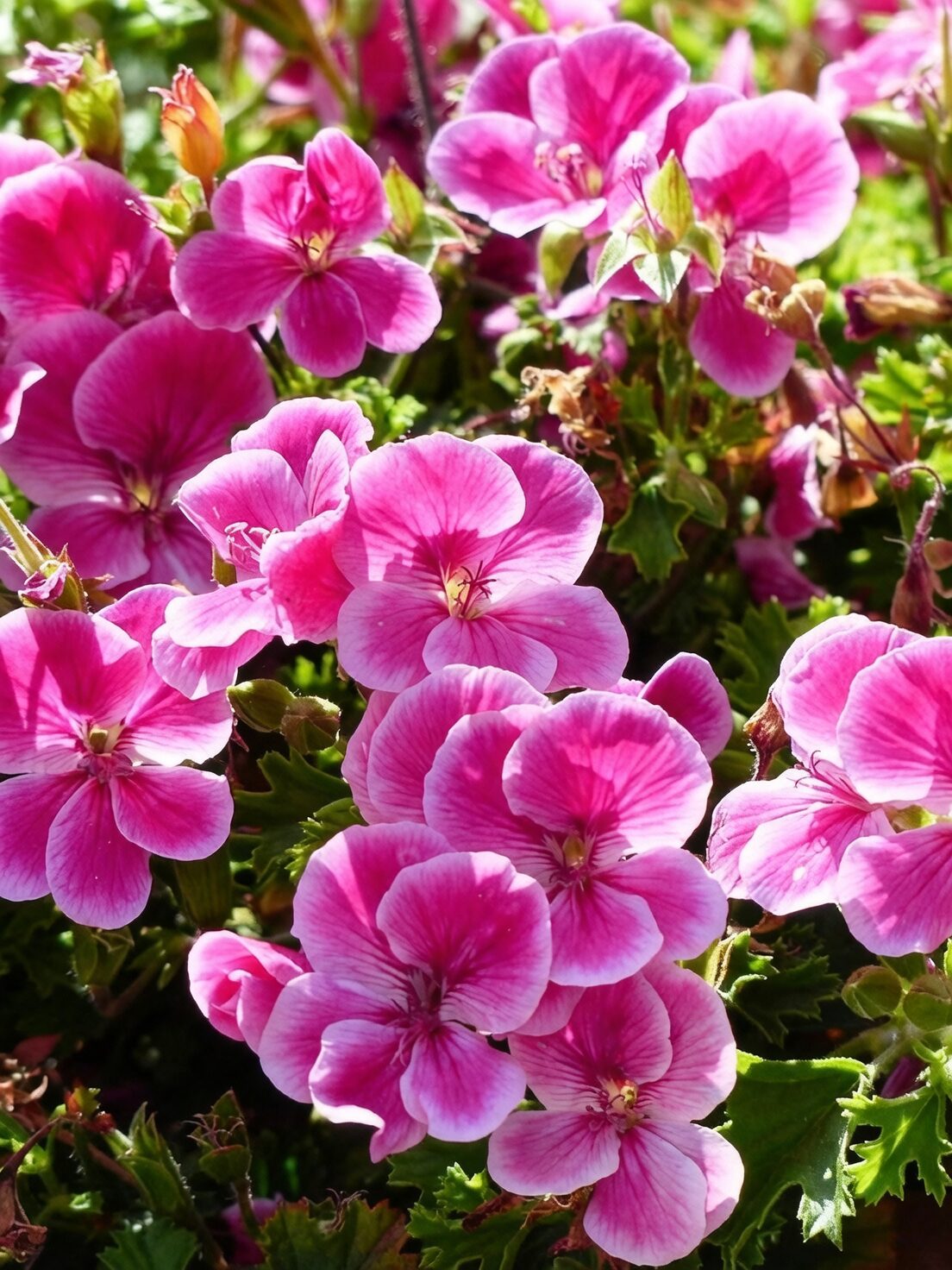
- Habit and looks: Soft, lobed, densely held leaves on branching stems; dainty five‑petaled clusters of pink blooms. The foliage is the real star—touch it and perfume-like oils release instantly.
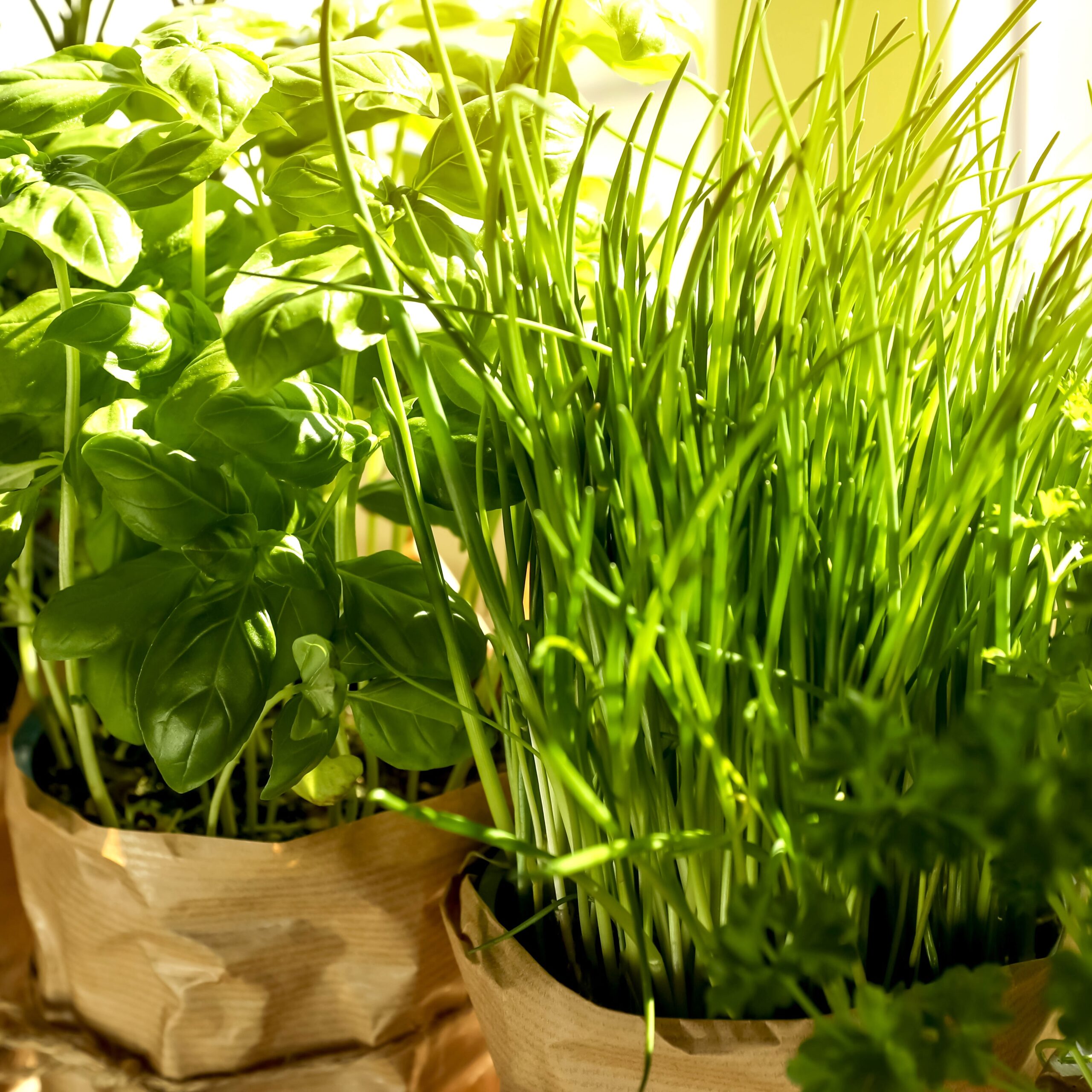
- Everyday roles: A classic for bright windowsills and sunny balconies. Leaves scent sachets and potpourri; in the kitchen, clean leaves can be infused into sugars, syrups, creams, teas, and jams. In perfumery, “geranium oil” used for rosy-green notes commonly comes from Pelargonium species like this one.
In 19th‑century floriography
Victorian “flower dictionaries” turned bouquets into coded letters. Among pelargoniums, the rose-scented kinds were admired not just for pretty pink umbels but for their comforting, refined fragrance that echoed rose gardens indoors. In many lists, they signaled heartfelt preference, admiration, and domestic affection—the sort of warm esteem you’d send to someone whose company felt like home.
Because pelargoniums were reliable house and conservatory companions, they also gathered associations with everyday happiness and consolation, the gentle lift you feel when a familiar scent steadies the heart.
Carried into East Asian 花语 charts
As the Western language of flowers was translated and popularized in East Asia, scented geranium (香叶天竺葵) found a ready audience. Modern 花语 charts commonly group it with:
- Admiration and warm love
- Comfort and everyday happiness
- The hope of reunion—“let’s meet again”
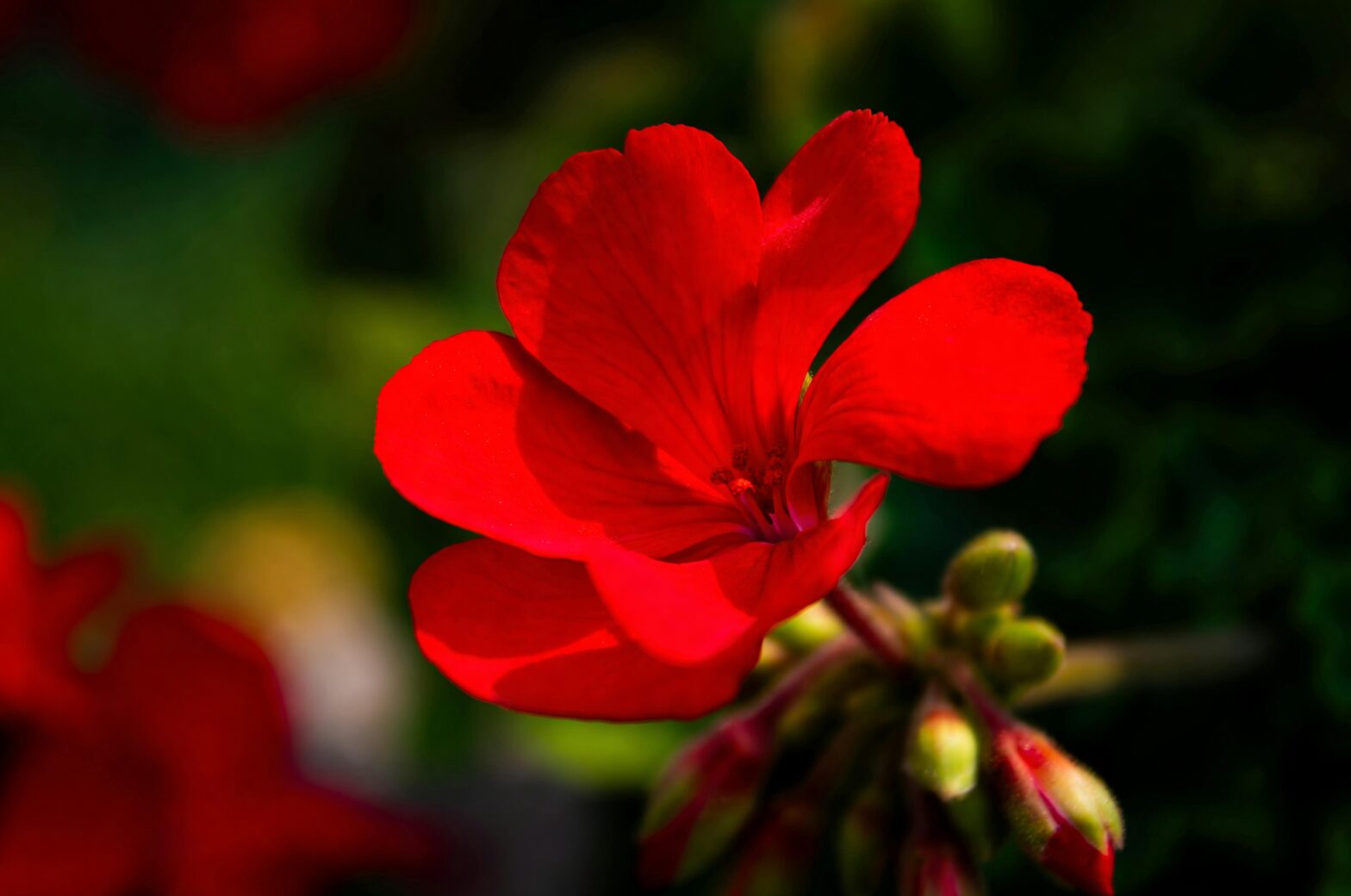
- In some traditions, red‑flowered pelargoniums add notes of happiness and consolation
Why these meanings stuck is no mystery: few plants so neatly bottle the feeling of home. Here is a windowsill “perfume factory” you can cook with, weave into sachets, or brush for a mood-lifting scent—domesticity and devotion made leafy.
Why the rose-like scent shaped its symbolism
- Memory’s shortcut: Rosy-green geranium notes are famous in perfumery for evoking calm, balance, and fond memories—perfect emotional terrain for meanings like comfort and happiness.
- Home woven in: A plant you can sip, sniff, and stitch into daily life naturally speaks of warmth, care, and reunion. You don’t just look at Pelargonium graveolens; you live with it.
Gifting rose geranium today: messages that land
Occasions and the message they carry
- New home or new chapter: “May your days be happy and comfortable.” Think potted plant plus a small jar of rose‑geranium sugar.
- Thinking of you / Get‑well basket: “Comfort and gentle cheer.” Add a sachet of dried leaves (skin-sensitive folks should handle minimally).
- Long‑distance love or a friend you miss: “Until we meet again.” The hope-of‑reunion note is tailor‑made here.
- Consolation: A soft, quietly fragrant pot says, “I’m with you,” without demanding attention.
How to present it
- A compact, well-branched plant in a sunny kitchen window pot—tie on a card explaining the scent trick: “Brush a leaf, think of me.”
- Pairings: A little recipe card (rose‑geranium syrup for lemonade; infused cream for ice cream), or a tiny vial of true pelargonium “geranium oil” for scent context.
Note: Many plants are marketed as “mosquito plants.” Repellency varies widely by cultivar and growing conditions—better to gift it for its fragrance and meaning than for pest control.
A quick word on color
Pelargonium graveolens itself blooms in shades of pink, while the broader pelargonium clan includes bold reds. Some traditions give red-flowered forms extra notes of happiness and consolation—useful if you’re mixing symbolic colors in arrangements.
Wellbeing meets feng shui: placing scented geranium with intent
Feng shui seeks harmonious, enlivening spaces. Pelargonium graveolens offers lively yang energy (sun, scent, tactile leaves) and a calm, home-loving aura.
- Best light first: This plant thrives in full sun to very bright light. Indoors, use your brightest window (south or west is ideal). Good airflow keeps the fragrance fresh and foliage healthy.
- Symbolic placements (choose what resonates, but never at the expense of light):
- East (Family/Health): Reinforces comfort and everyday happiness at the heart of home life.
- Southeast (Wealth/Abundance): Its steady growth and useful leaves echo “fragrant prosperity.”
- Southwest (Love/Partnership): Rose-like scent + admiration = a warm, affectionate nudge.
- Entryway with strong light: A scented “welcome home” that sets a cheerful tone.
- Avoid persistently damp, stagnant areas; this plant prefers moderate humidity and moving air.
Care snapshot for thriving symbolism
- Sunlight: Full sun to very bright light; light shade in extreme summer heat.
- Watering: Soak, then let the top mix dry before rewatering; never leave pots standing in water. In peak heat, plants often pause growth—water less during this semi-dormant spell.
- Soil: Very free-draining; lighten potting soil with coarse sand or perlite, or use a loam-based blend with plenty of grit.
- Temperature: Happy around 10–20°C (50–68°F). Frost tender—keep above about 7°C (45°F) in winter.
- Air and humidity: Average indoor humidity is fine; prioritize ventilation and avoid constantly wet foliage.
- Feeding: During active growth (roughly April–September), feed every 10–14 days; pause in winter and during heat slowdowns.
- Pruning: Pinch tips for bushiness; deadhead spent blooms. Hard-prune leggy plants by 1/3–1/2 in late winter, then let them bounce back in bright partial shade.
- Safety: Generally low-toxicity, but the aromatic oils can irritate sensitive skin. Keep out of reach of pets or toddlers prone to nibbling.
Myths, muddles, and modern clarity
- Geranium vs. pelargonium: Garden centers often say “geranium,” but perfumers’ “geranium oil” typically comes from Pelargonium species like P. graveolens—not from true hardy Geraniums.
- “Mosquito plant” hype: Treat it as a fragrant friend first; any insect‑repelling effect depends on cultivar and growing conditions.
Quick symbolism guide
- Core meanings: Admiration, warm love, comfort, happiness, hope of reunion.
- Color nuance (broader pelargoniums): Red forms can emphasize happiness and consolation.
A final rub of the leaf
Pelargonium graveolens is a love letter to the everyday: a sunny windowsill, a sweet cup of tea, a familiar scent that says “you’re home.” As a gift, it speaks in the gentle grammar of 19th‑century floriography and modern 花语 alike—admiration, comfort, happiness, and “until we meet again.” Tie on a card, show them how to brush a leaf, and let the plant finish the sentence in perfume.