
Brush a leaf, and it answers with perfume. Pelargonium graveolens—better known as the scented geranium—turns a sunny sill or balcony into a tiny aromatherapy studio. This tender, bushy Pelargonium is loved less for its dainty pink blooms and more for its delightfully fragrant foliage, which can read as “rose” in the species but swings lemony, minty, appley, or musky in different cultivars. It’s also remarkably drought-savvy, takes kindly to a trim, and even moonlights in high-end perfumery. And that “mosquito plant” label? Let’s unpack that, too.
Meet Pelargonium graveolens (aka Scented Geranium)
- Family: Geraniaceae; Genus: Pelargonium
- Origin: Southern Africa’s Cape region
- Aliases: Rose Geranium, Rose-Scented Geranium, Citronella Geranium, Mosquito Plant
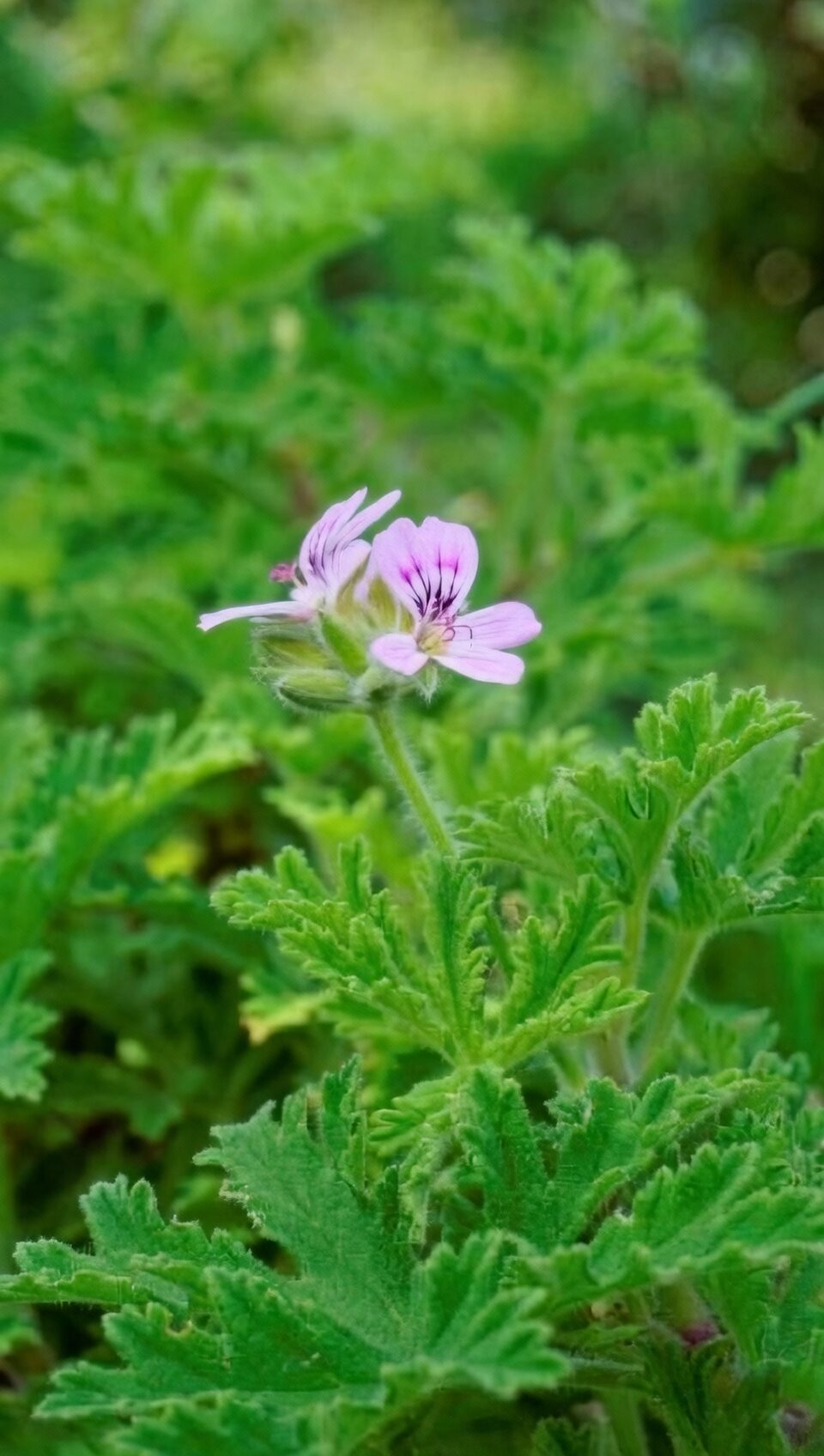
- Habit and size: Bushy, branching, semi-woody subshrub; usually 20–60 cm (8–24 in) tall/wide with regular pinching, but can reach roughly 30–100 cm (12–39 in) tall and 30–90 cm (12–35 in) wide in roomy containers
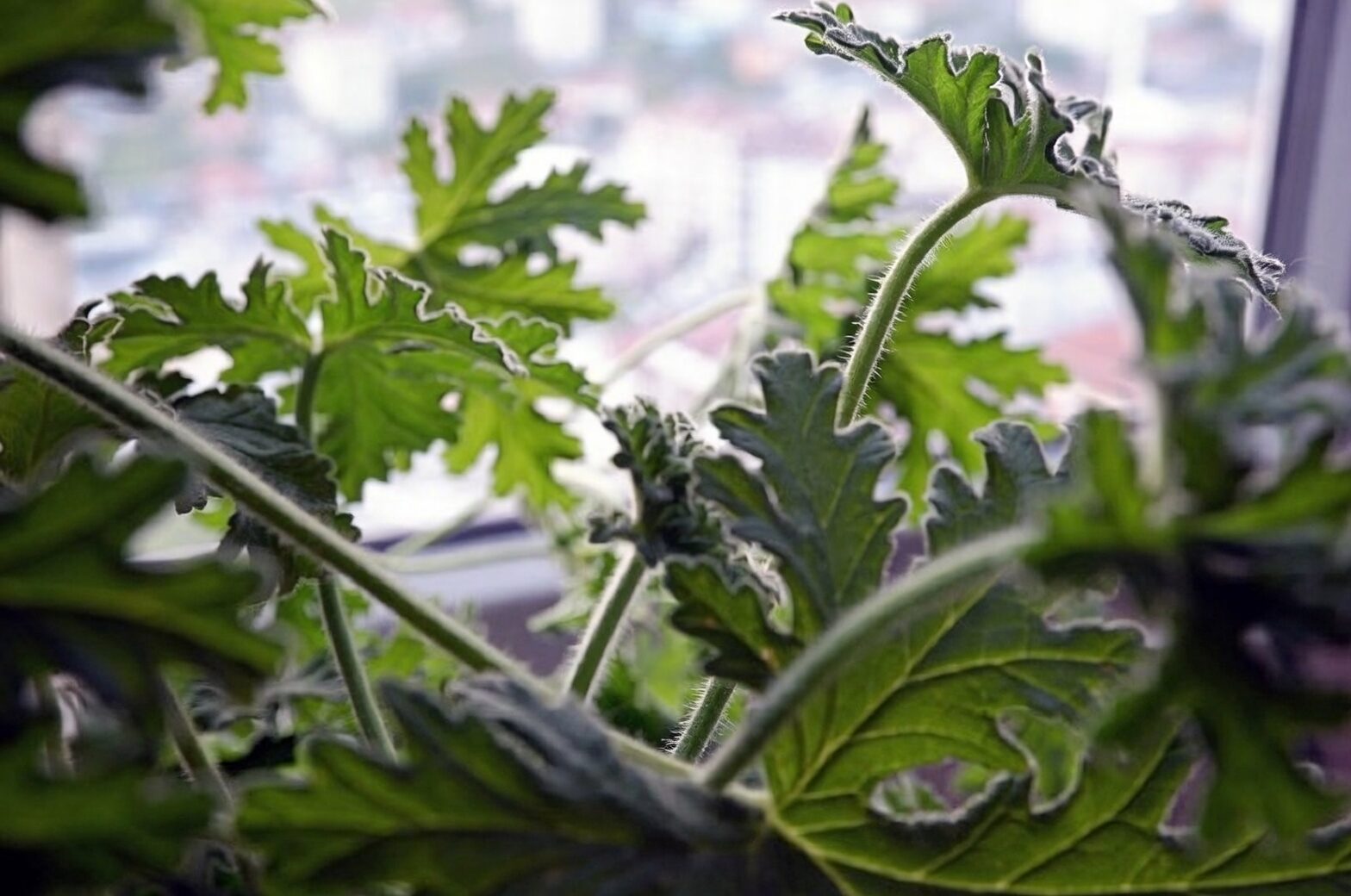
- Foliage: Soft, lobed, and famously aromatic; yellows or drops with low light, soggy mix, root binding in spent soil, or heat stress
- Flowers: Small five-petaled clusters, usually pale to deeper pink with darker markings; charming, but the leaves steal the show
- Bloom season: Spring through autumn, often in flushes
Bite‑size curiosities
Rub-to-release aroma
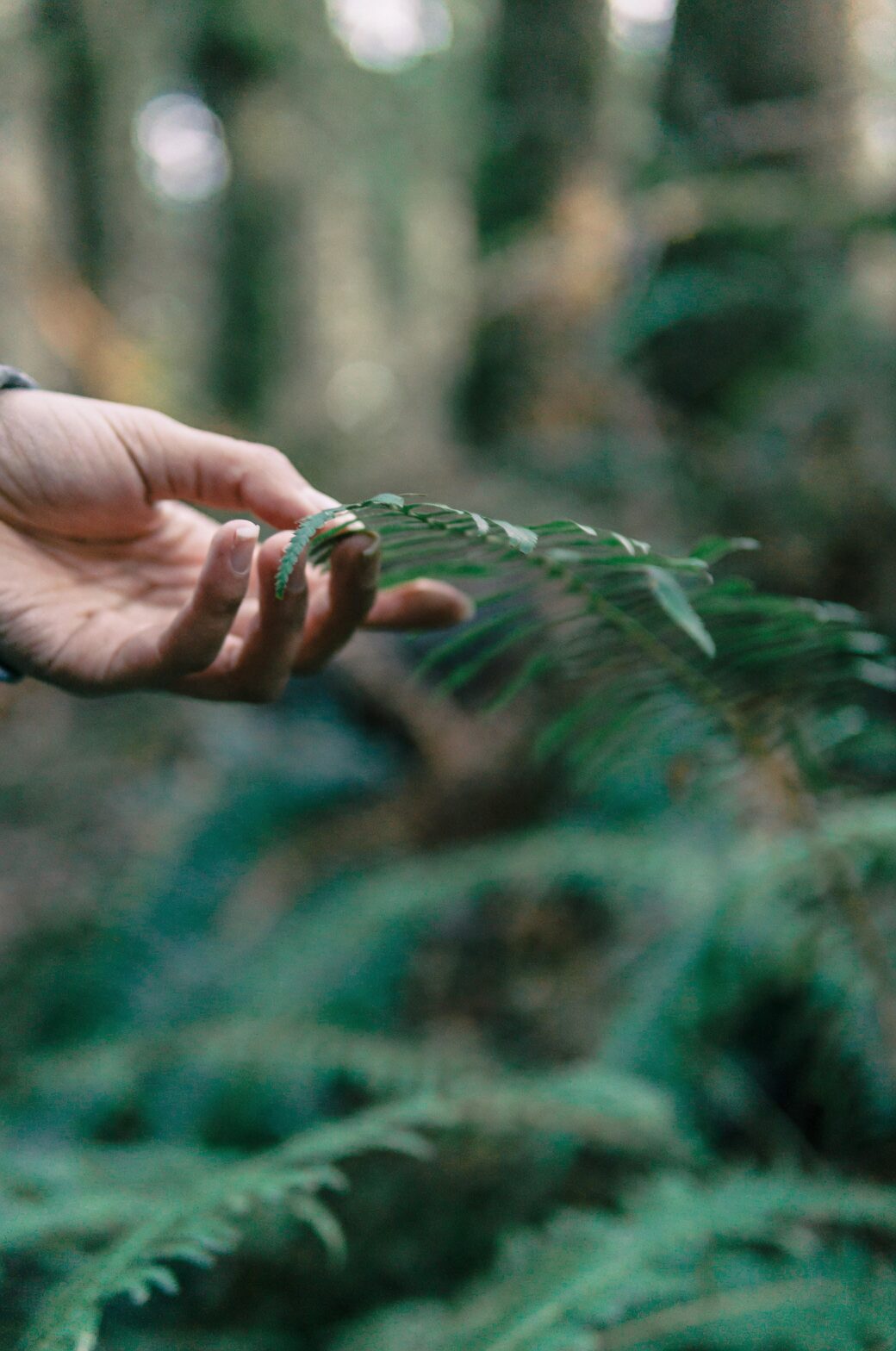
Scented geranium leaves keep their essential oils tucked in tiny glands. Touch, brush, or lightly crush a leaf and the fragrance releases instantly—your hands become the diffuser.
A world of scents (yes, cultivars really vary)
“Rose” is the classic note for P. graveolens, but scented geraniums span an aroma atlas:
- Citrus and citronella-like
- Mint and balm
- Apple, nutmeg, spice, or musky-herbal
Not all leaves smell alike, and even the same plant can shift nuance with light, temperature, and age.
Summer siesta: the semi-dormant pause
In intense heat, growth often slows or stalls. That’s normal. The plant is taking a warm‑weather breather—give it bright shade, excellent airflow, and less water, not more.
Drought savvy, not swamp-friendly
Once established, it forgives a missed watering. What it won’t forgive is a pot that stays wet. Fast-draining soil and brief, thorough drinks are the winning combo.
From windowsill to perfume bottle
What perfumers call “geranium oil” commonly comes from Pelargonium species like P. graveolens. Those rosy, green, slightly citrusy top notes show up in fine fragrance, soaps, and skincare.
The “mosquito plant” myth, explained
- Why the label? Citrus-scented selections of scented geranium are often sold as “Mosquito Plant.”
- The reality: Just having a plant beside you won’t create a mosquito forcefield. Field tests (including a University of Guelph evaluation) observed no protective effect from simply sitting near such plants, with mosquitoes even landing on them. Crushing the leaves can release oils with a short‑lived scent, but real‑world repellency varies by cultivar and conditions—and it’s no substitute for proven repellents or good mosquito management.
Grow it like a pro: a quick care cheat sheet
Light
- Full sun to very bright light; tolerates light shade
- Indoors: give it the brightest window you have
- During extreme summer heat, shift to bright shade/partial shade to reduce stress
Temperature and humidity
- Best growth: 10–20°C (50–68°F)
- Keep above about 7°C (45°F) in winter; it’s frost tender
- Average indoor humidity is fine; ensure airflow and avoid persistently wet foliage
Soil and potting
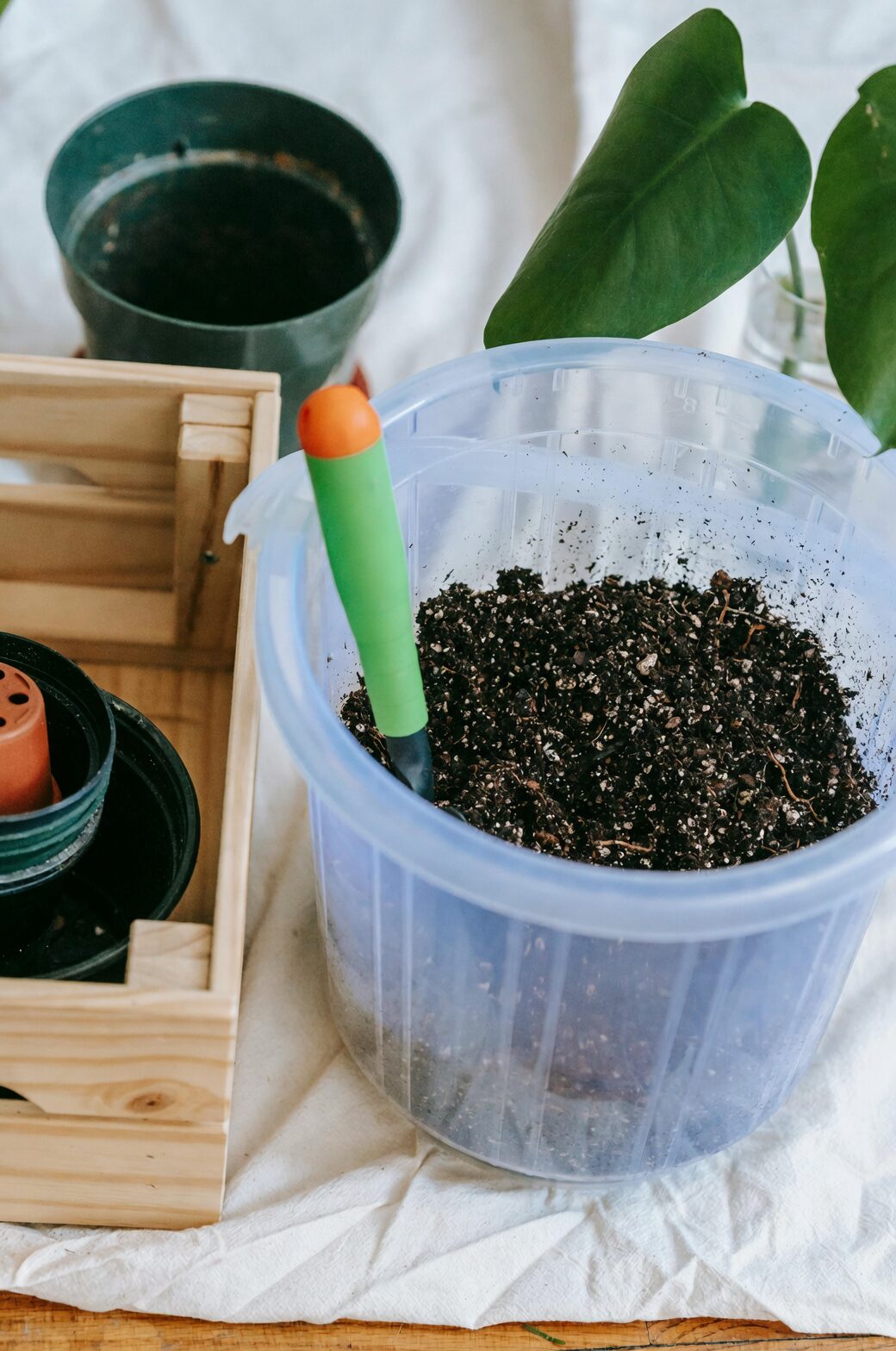
- Use a very free‑draining mix
- Option A: Quality potting soil amended generously with coarse sand or perlite
- Option B: 2 parts garden loam : 1 part leaf mold/compost : 2 parts coarse sand (by volume)
- Avoid heavy, water‑retentive mixes
- Choose pots with generous drainage; size up gradually
Watering rhythm
- Water thoroughly, then let the top of the mix dry before the next drink; never leave the pot standing in water
- Spring: about 2–3× weekly (adjust for sun, pot size, airflow)
- Summer: in high heat, plants may go semi‑dormant—reduce watering and water early morning
- Autumn: about 1–2× weekly
- Winter: about weekly or less indoors; water at midday on bright days, avoid cold water and wet foliage
Feeding
- Feed during active growth (roughly April–September) every 10–14 days with a balanced liquid fertilizer or Pelargonium‑specific feed at label strength
- Pause or reduce in winter and during heat‑induced slowdowns
Pruning and shaping
- Pinch tips when plants reach 12–15 cm (5–6 in) to encourage branching
- Deadhead spent blooms; remove yellow leaves
- Hard-prune by about 1/3–1/2 for leggy or woody plants—many growers do the main shaping prune in late winter
Repotting
- About once yearly, often late summer (Aug–Sep) or after the late‑winter prune
- Refresh roughly half the old mix, trim long fibrous roots, and replant in fresh, fast‑draining medium
- Water once, then let it recover in bright shade before returning to full sun
Hardiness and placement
- Outdoors year‑round mainly in mild climates (about USDA 10–11)
- Elsewhere: summer outdoors on a sunny patio/balcony; overwinter indoors above 7°C (45°F)
- Keep near kitchens or sitting areas where you’ll enjoy the scent—just ensure sun and airflow
Pests, diseases, and safety
- Watch for aphids, spider mites, whiteflies, mealybugs; manage early with rinsing, insecticidal soap, or horticultural oil
- Damp, stagnant conditions invite leaf spot and gray mold (Botrytis); avoid wet foliage and improve ventilation
- Low-toxicity overall, but essential oils can irritate sensitive skin; chewing leaves may upset pets—best to keep out of nibbling range
In the kitchen and home
- Culinary: Rinse leaves, then lightly crush to infuse syrups, teas, jams, butter, or dairy (ice cream, panna cotta). Remove larger leaves after infusion for a smooth finish.
- Craft: Dry leaves for potpourri and sachets; tuck sprigs into drawers for a gentle, rosy‑green lift.
Propagation: easy starts
- Seed: Sow in a sterile, free‑draining seed mix (peat/coir plus sand). Lightly cover. Best germination at 13–18°C (55–64°F); sprouts in 1–3 weeks.
- Cuttings: Take 7–8 cm (≈3 in) non‑flowering shoots with 3–4 nodes. Keep 1–2 small top leaves, let the cut end dry/callus in bright shade, then stick into sand or another very free‑draining medium. Roots often form in about 3 weeks; rooting hormone can speed things up. Single‑node leaf‑bud cuttings also work.
Seasonal rhythm at a glance
- Spring: Resume fuller watering (often 2–3× weekly); start feeding from April; pinch tips to bulk up
- Summer: Expect a semi‑dormant lull in extreme heat—reduce watering, water early morning, increase airflow, give bright shade during heat spikes
- Autumn: Water 1–2× weekly; many repot in Aug–Sep; taper watering as nights cool
- Winter: Keep above 7°C (45°F), water sparingly on sunny mid‑days; stop feeding and avoid cold, wet conditions
- Late winter: Do the major prune (and often repot); let it recover in partial shade
Flower language and folklore
Scented geraniums have been linked with admiration, love, comfort, happiness, and the hope of reunion. These associations echo Victorian “floriography,” where people exchanged coded messages through plants. Take such meanings as poetic tradition rather than fixed truth—interpretations shift by region and era. Still, that rosy, uplifting fragrance makes the symbolism feel right at home.
Quick FAQ
- Why are the leaves turning yellow?
- Most often low light, overwatering or poor drainage, heat stress, or a root‑bound plant in exhausted mix. Move to brighter light, let the mix dry a bit between waterings, ensure free drainage, and repot yearly into fresh, airy soil.
- Where’s the best place to keep it at home?
- Your sunniest spot. In cool seasons, a bright south‑ or west‑facing window (or bright enclosed balcony). In warm months, outdoor sun is great—shift to bright shade in extreme heat.
- How can I use the leaves in cooking?
- Rinse, lightly crush, and infuse into sugar, syrups, tea, milk/cream, butter, or jams for a floral‑citrus/rose note. Remove large leaves after infusion.
- Why does it stop growing in summer?
- In intense heat, it often goes semi‑dormant. Reduce watering, pause heavy feeding, improve airflow, and offer bright shade. Growth resumes when temperatures ease.
Fun facts
- Brushing the plant is the fastest way to “switch on” its fragrance.
- “Geranium oil” in perfumery typically comes from Pelargonium species like P. graveolens—not true Geranium.
- Plants sold as “Mosquito Plant” are often citrus‑scented scented geraniums; scent strength (and any repellency) varies widely by cultivar and growing conditions.
Scented, sun‑loving, and wonderfully forgiving, Pelargonium graveolens is a plant you’ll want to touch—and it rewards you every time you do.