
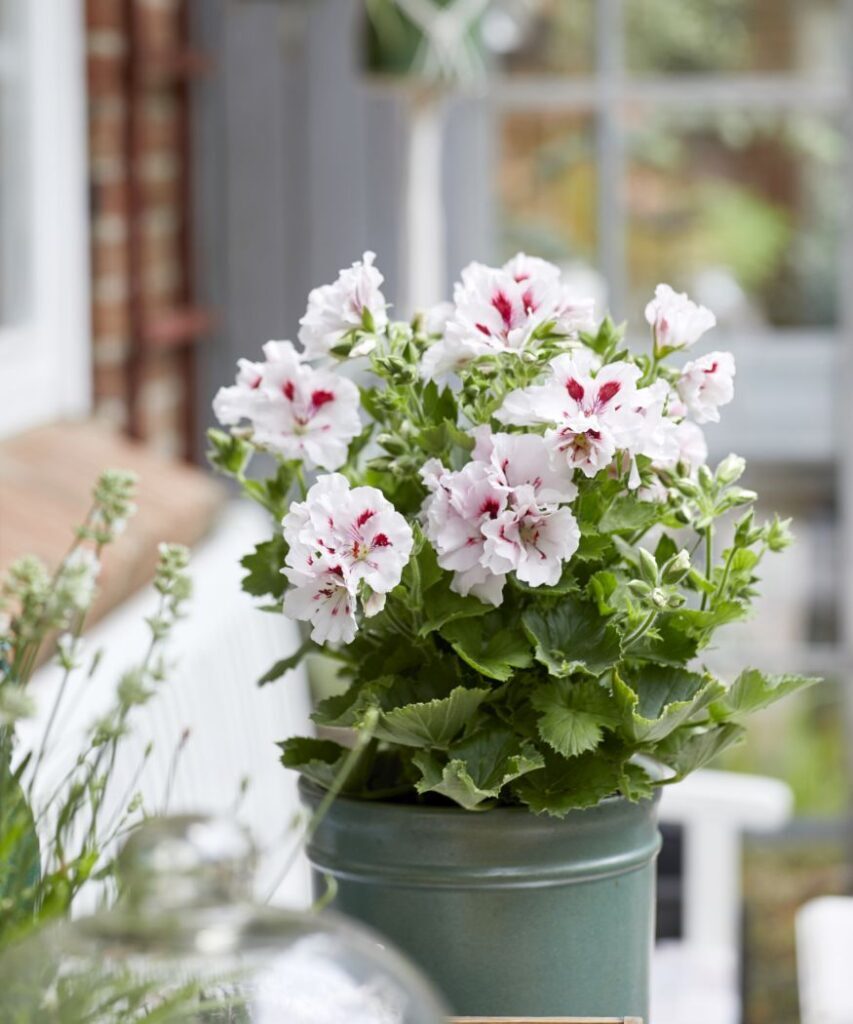
Meet the plant that smells like a rose, thrives in sun, and confounds even seasoned growers when the mercury spikes. Scented Geranium (Pelargonium graveolens) is a sun-loving, aromatic subshrub from Southern Africa, adored for its perfumed, soft-lobed leaves and delicate pink blooms. But here’s the twist: in peak summer heat it slips into a semi-dormant pause. That’s your cue to change how you care for it—especially water. Ready to prevent root rot and leaf drop the smart way? Let’s bust some myths and tune your summer routine.
Myth-busting: What your scented geranium really wants in extreme heat
- Myth: “It’s hotter, so water more.”
Truth: In very hot weather, P. graveolens often slows growth. Keep it wetter now and you invite root rot and leaf drop. Reduce frequency and water early morning only.
- Myth: “Full sun always, no matter what.”
Truth: It loves strong light, but during heat waves, bright shade or partial shade prevents stress and foliage shed.
- Myth: “Misting boosts humidity and helps in heat.”
Truth: Persistent damp foliage plus stagnant air is a recipe for Botrytis and leaf spots. Improve airflow instead of misting.
- Myth: “A big, moisture-retentive pot keeps it safe in summer.”
Truth: Oversized pots and heavy mixes stay wet too long. Choose a snug pot with excellent drainage and an airy, mineral-rich mix.
Heat-induced semi-dormancy: how to recognize it
- Growth pause: Fewer new shoots, fewer flowers, a general “holding pattern.”
- Thirst changes: The potting mix stays moist longer between waterings than in spring.
- Leaves speak up: Yellowing and drop can signal heat stress and/or too-wet substrate.
This is normal. It’s your signal to water less often, give it moving air, and soften the sun at the hottest part of the day.
Smart watering timing (and technique that saves roots)
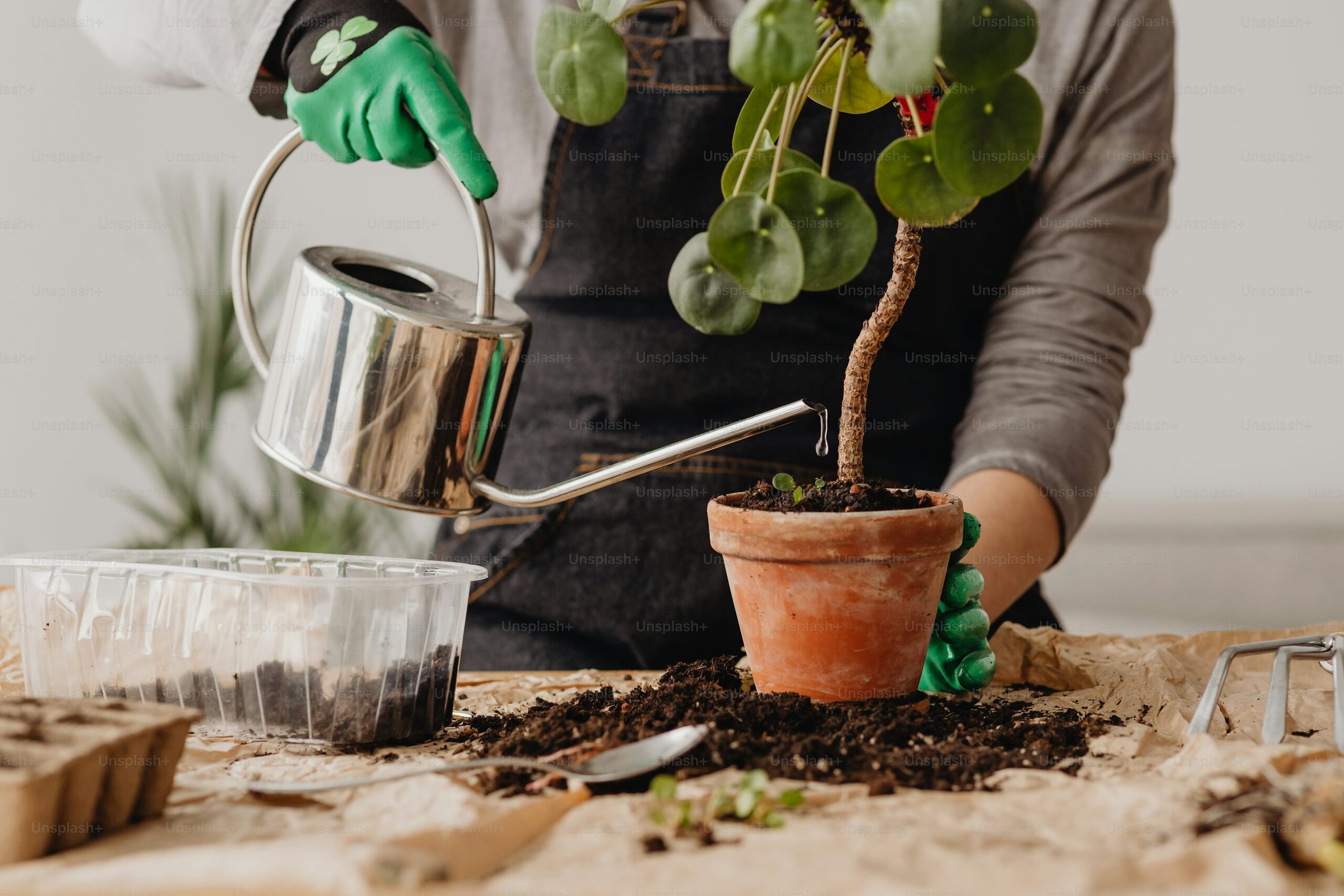
- Spring: Water thoroughly, then let the top of the mix dry before watering again—often about 2–3 times per week, adjusting for sun, pot size, and airflow.
- Summer (heat and semi-dormancy): Reduce frequency. Water early morning so foliage dries fast and roots drink before the day’s heat. Never let the pot sit in a saucer of water.
- Autumn: Usually 1–2 times per week as temperatures ease.
- Winter (indoors): Weekly or less. Use room-temperature water around midday on bright days; avoid soaking cold, dark mix.
How to know it’s time:
- Feel test: Top 2–3 cm (around an inch) should be dry before you water again.
- Pot-weight check: Learn the “light” feel of a dry pot vs. the “heavy” feel when just watered.
- Watering method: Water at the base with a narrow-spout can until excess drains. Then empty the saucer.
Sunlight tweaks to stop leaf drop
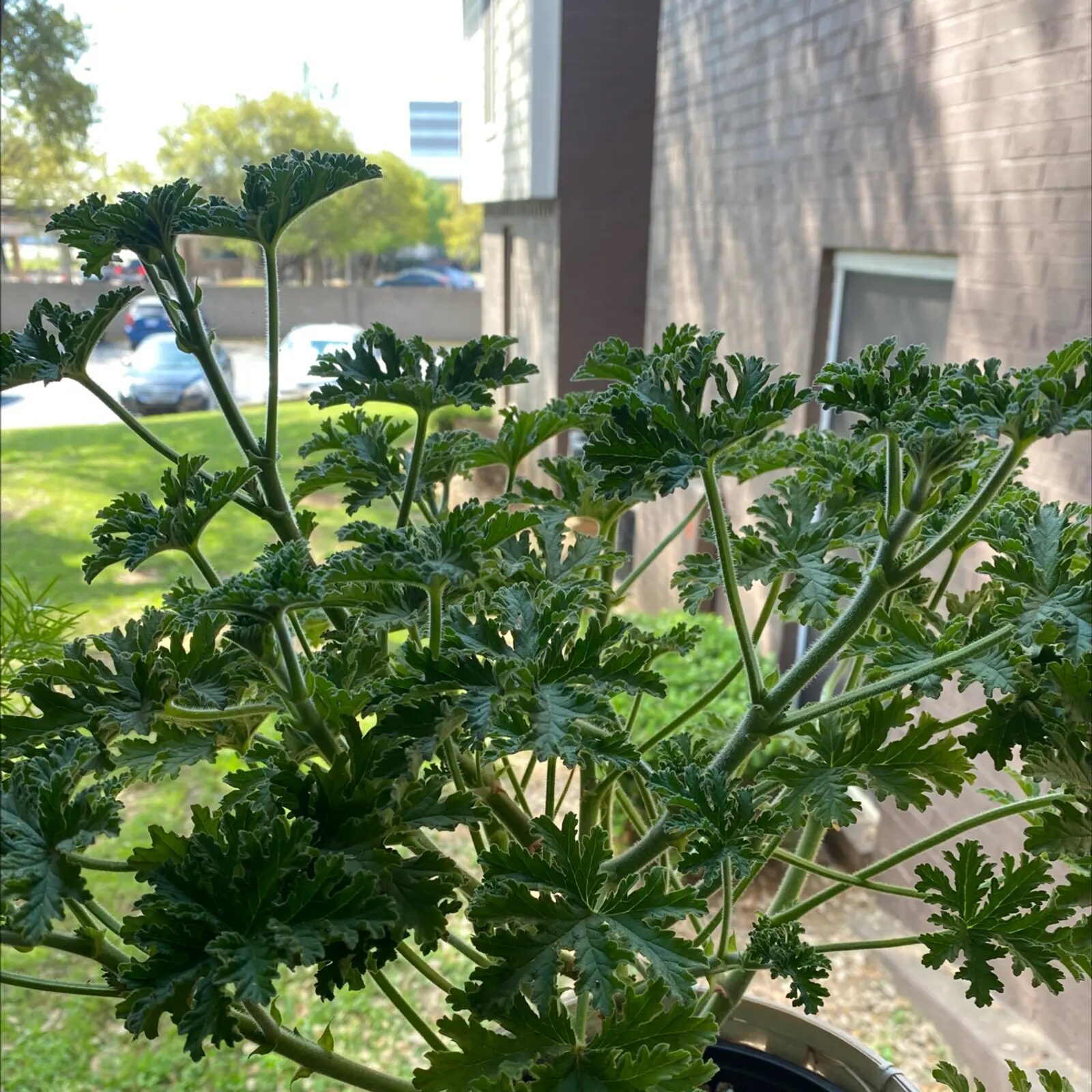
- Normal mode: Full sun to very bright light. Indoors, the brightest window you have.
- Heat-wave mode: Shift to bright shade or dappled light at the hottest hours (think afternoon filter). This avoids scorch, stress, and leaf drop without starving the plant of light.
- After the heat: Re-acclimate to stronger sun gradually over a week to prevent shock.
Airflow: the overlooked lifesaver
- Outdoors: Give it a breezy spot—balconies, patios, and terraces are perfect.
- Indoors: Run a small fan on low nearby; don’t point it directly at the plant. Space plants so leaves don’t touch.
- Why it matters: Good ventilation keeps leaves dry, deters Botrytis and leaf spots, and discourages pests like spider mites and whiteflies.
Soil and pot choices that fight root rot
Think “airy, fast-draining, and lean.” Avoid heavy, water-retentive mixes.
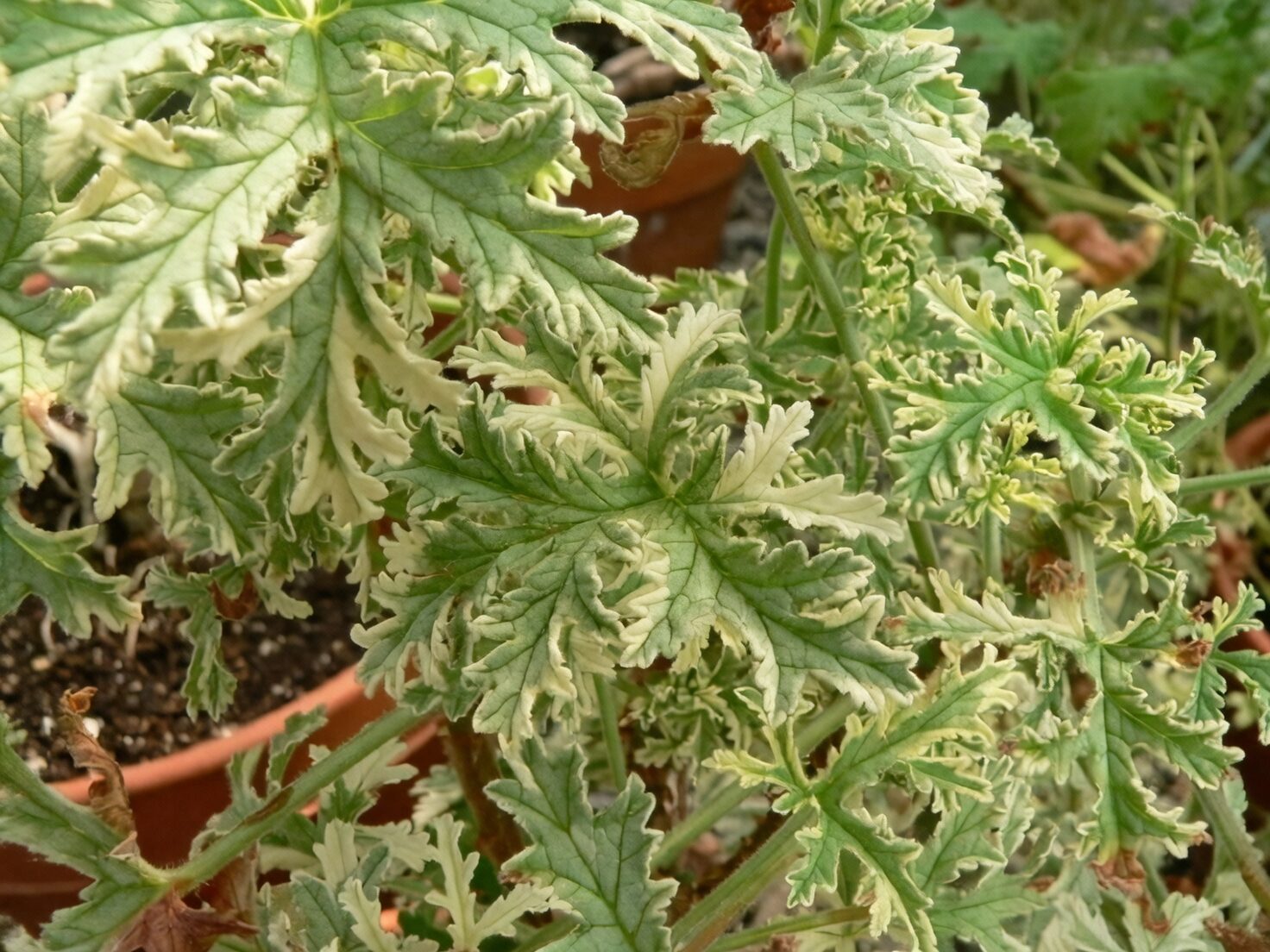
- Great options:
- A light potting mix amended with 30–50% coarse sand, perlite, or pumice.
- A classic loam-based blend: 2 parts garden loam : 1 part leaf mold/compost : 2 parts coarse sand (by volume).
- Pot: Terra-cotta with drainage holes encourages evaporation and oxygen at the roots. Go for a modest size—snug is safer than oversized.
- Top-dress tip: A thin layer of coarse grit or pumice at the surface helps keep the crown drier after watering.
Repotting rhythm and refresh
- About once a year (many growers do late summer or after the main late-winter prune).
- Trim long fibrous roots, remove roughly half the old mix, and replant into fresh, fast-draining medium.
- Water once, then let it recover in bright shade/partial shade before returning to full sun.
Feeding and pruning that match its tempo
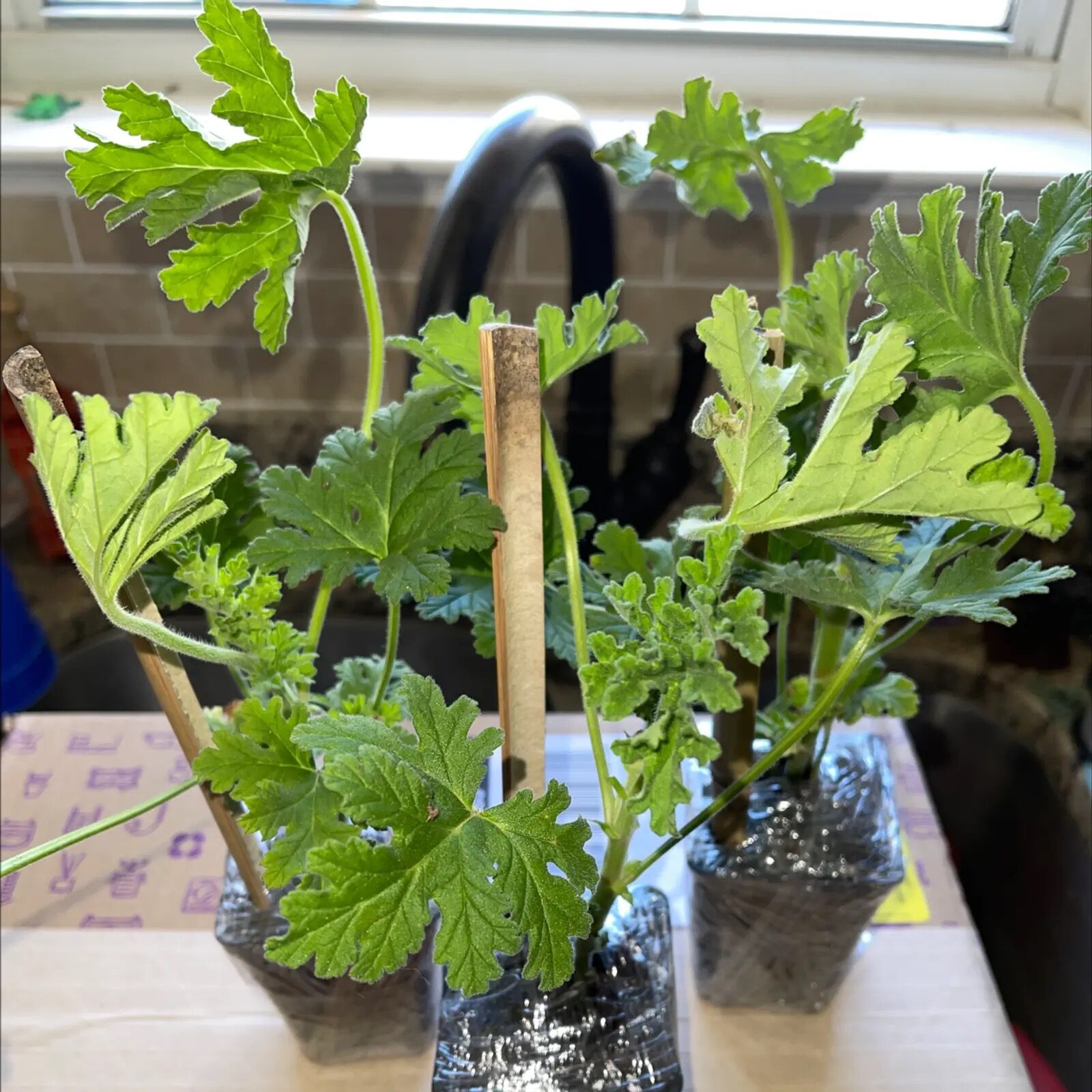
- Feeding: During active growth (roughly April–September), feed every 10–14 days with a balanced liquid fertilizer or a Pelargonium-specific feed. Pause or reduce feeding in winter and during heat-induced slowdowns.
- Pinch and shape: Pinch tips at 12–15 cm tall for bushiness; deadhead spent blooms. For leggy or woody plants, hard-prune by about 1/3–1/2—many gardeners do their main shaping prune in late winter. After heavy pruning, keep it in bright shade until growth kicks back in.
Heat-wave checklist (print this!)
- Move to bright shade/partial shade for peak-afternoon protection.
- Water early morning only—and less often than in spring.
- Stop feeding until temperatures ease.
- Boost airflow; avoid misting.
- Empty saucers; never park the pot in water.
- Scan for stress: yellowing, leaf drop, or a pot that stays wet for days = time to adjust light, airflow, or soil.
Troubleshooting leaf yellowing and drop
- Not enough sun: Leaves pale and stretch; move to brighter light.
- Overwatering/poor drainage: Yellowing and soft stems; let the mix dry more between waterings, and check drainage. Repot if the mix is compacted.
- Heat stress: Sudden leaf drop or tired-looking foliage; give bright shade and airflow, reduce watering.
- Root-bound in old mix: Tired growth and uneven watering response; repot and refresh soil annually.
- Big swings wet-to-dry: Aim for thorough watering, then partial dry-down—consistency beats extremes.
Pests, diseases, and safety
- Common pests: Aphids, spider mites, whiteflies, mealybugs. Manage early with a firm rinse, insecticidal soap, or horticultural oil; isolate heavy infestations and always follow label directions.
- Disease watch: Leaf spot and gray mold can follow persistently wet foliage and stagnant air. Remove affected leaves, water at the base, and improve ventilation.
- Safety: Generally low-toxicity. The fragrant oils can irritate sensitive skin; if pets chew large amounts, mild gastrointestinal upset is possible. Keep out of reach of enthusiastic nibblers.
Seasonal cheat sheet
- Spring: Strong light, fast-draining soil, resume feeding; water about 2–3× weekly as needed; pinch for a bushier habit.
- Summer: Expect semi-dormancy in extreme heat—reduce watering, water early mornings, use bright shade, and prioritize airflow.
- Autumn: Water about 1–2× weekly; many repot in late summer/early autumn; taper feeding as growth slows.
- Winter: Keep above about 7°C (45°F). Water sparingly (often weekly or less) on bright mid-days; stop feeding; avoid cold water and wet foliage.
Meet the plant
- Origin: Southern Africa (Cape region).
- Habit and size: A bushy, branching, semi-woody perennial typically kept 20–60 cm tall in pots with pruning; in roomy containers and with lighter pruning, it can reach ~30–100 cm.
- Light: Full sun to very bright light; tolerates light shade.
- Bloom: Dainty pink, spring through autumn—foliage fragrance is the main show.
- Hardiness: Frost tender; best outdoors year-round only in mild climates (about USDA Zones 10–11). Indoors, give your brightest window in cool months.
A note on “mosquito plant,” scent, and symbolism
- The name game: Often sold as “citronella” or “mosquito plant,” but any repellency varies by cultivar and growing conditions—enjoy it primarily for the fragrance.
- The perfumer’s secret: What many call “geranium oil” in fragrance is often distilled from Pelargonium leaves.
- Symbolism (flower language): In Victorian floriography, scented geraniums carried themes of admiration, affection, and comfort—living tokens meant to be touched and savored. Today, that tradition translates into a plant that brings happiness to kitchens, balconies, and sunny windows, where brushing the leaves releases a rose-leaning perfume.
Grow it like a pro: strong light, a breezy perch, and a mineral-rich, free-draining mix. When summer sizzles, do less—not more—and your rose-scented companion will thank you with healthy growth and fragrant leaves from spring to fall.