
Soft petals in saturated winter colors, a compact mound of glossy green leaves, and a reputation for blooming when the rest of the windowsill has gone quiet—Begonia × hiemalis (Elatior Group), widely known as the Rieger Begonia, is a mood-lifter in a pot. It’s also a plant with a curious double life in the language of flowers: in Victorian floriography it whispered “beware,” while in modern East Asian 花语 it radiates tenderness, gratitude, and winter cheer. How did one little begonia learn to speak both caution and comfort? Let’s trace the story—and then place this cool-season star where it can bless your home’s energy and holiday gifting with color and meaning.
Meet the Rieger Begonia: A winter-blooming hybrid with a big heart
- Identity check: Begonia × hiemalis (Elatior Group), often sold in shops as “Begonia elatior” or simply “Rieger Begonia.”
- Origin: Not a wild species, but a cultivated hybrid group bred expressly for ornamental pot culture—compact, heavy-flowering, and wonderfully at home on bright windowsills.
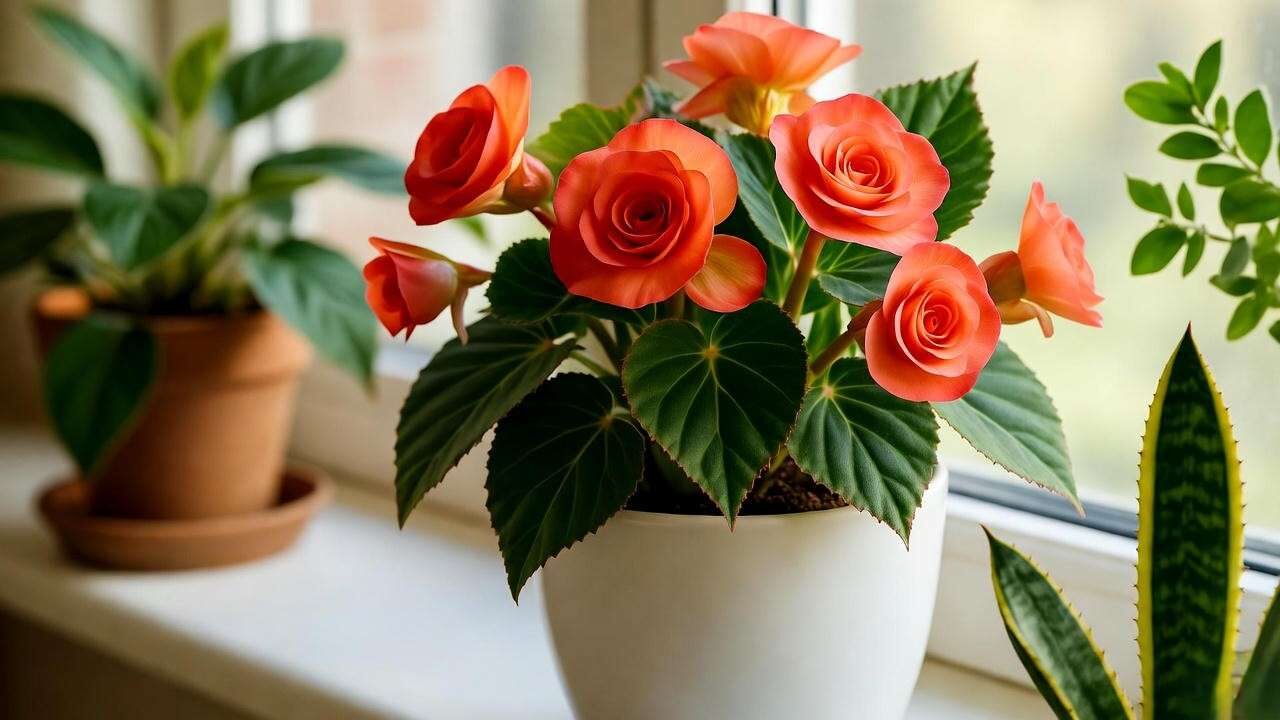
- Look and feel: A tidy, mounding plant (about 20–40 cm tall and wide) with narrow-ovate, deep-green leaves and clustered blooms in red, pink, orange, yellow, or white—single to fully double depending on the cultivar.
- When it shines: Winter through spring (often from late autumn indoors), exactly when you crave color most.
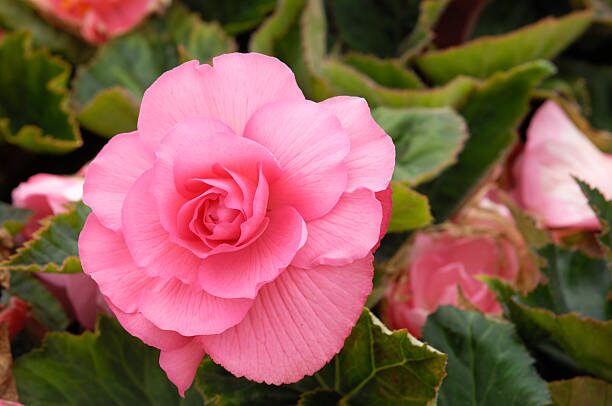
Care in one breath: bright, filtered light; even moisture without sogginess; comfortable cool-warm temperatures (sweet spot 15–20°C / 59–68°F); good airflow; and quick deadheading for non-stop bloom.
Why Victorians said “beware”: The floriography backstory
Victorian floriography—those pocket dictionaries that let people “speak” in bouquets—often assigned begonias the message “caution” or “beware.” The roots of that meaning are layered and a bit mysterious, but several threads likely wove it together:
- Exotic mystique: Begonias were novel, striking, and a touch “otherworldly” to European eyes—qualities that sometimes attracted warning-tinged symbolism in a morally coded era.
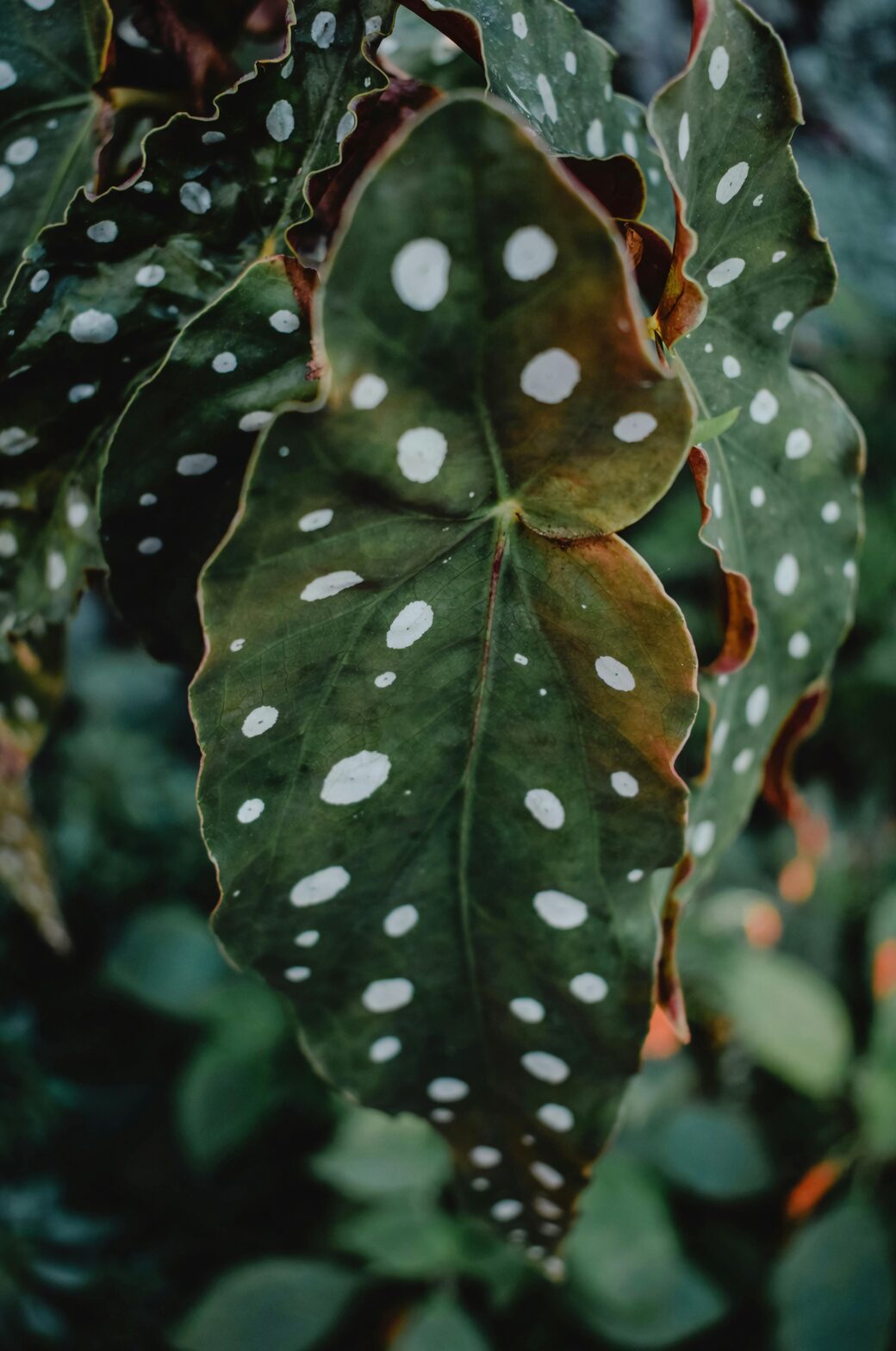
- Asymmetry and ambivalence: The genus is famous for asymmetrical leaves—a visual metaphor Victorians could read as “mixed signals,” ambivalence, or “look closely before you leap.”
- Subtle admonition: A begonia might be tucked into an arrangement to gently advise discretion—less “Keep away!” and more “Tread carefully.”
In short, the caution wasn’t meant as a curse; it was etiquette wrapped in petals.
How East Asian 花语 reframes the Rieger Begonia
Modern East Asian flower language (花语)—shaped by contemporary gifting, seasonal aesthetics, and a love of color symbolism—casts Rieger begonias in a far warmer light:
- Tenderness and gentle affection: The lush, rose-like doubles and soft petal textures read as caring presence rather than drama.
- Gratitude and appreciation: As a cool-season bloomer, it’s an ideal “thank you” that lasts beyond a bouquet, brightening desks and sills for weeks.
- Winter cheer and renewal: Opening buds through the darkest days serve as a promise of resilience and fresh beginnings—especially fitting for New Year gifting.
Color nuances commonly suggested today:
- Red: Joy, vitality, and good fortune—festive for holidays.
- Pink: Affection, kindness, and heartfelt thanks.
- White: Sincerity and blessings.
- Yellow/Apricot: Warm optimism and friendship.
These meanings don’t erase the Victorian “beware”; they update it. The modern message says: May you be cared for, uplifted, and gently guided through the season.
Holiday gifting: Small plant, big meaning
Why Rieger begonias excel as winter gifts:
- They’re naturals indoors: Compact, neat, and endlessly floriferous with the right light.
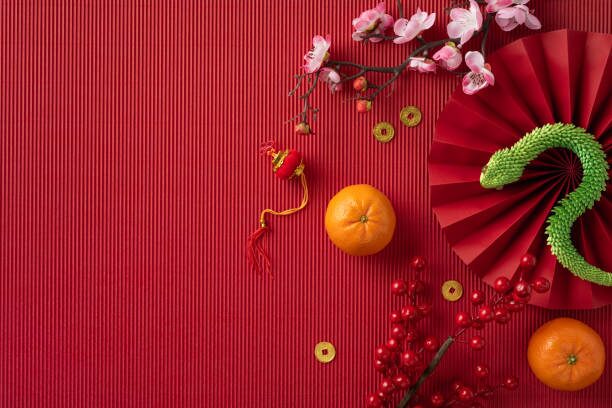
- They read as seasonal: Blooms coincide with winter holidays and Lunar New Year.
- They feel personal: A living plant says “I thought about your space,” and its symbolism (tenderness, gratitude, cheer) fits thank-yous, hosts, teachers, and elders.
Gifting tips from a plant stylist’s toolkit:
- Choose a plant loaded with buds and a few open blooms. Buds promise longevity once home.
- Tuck in a care card. A single sentence—“Bright, indirect light and evenly moist soil, not soggy”—helps ensure success.
- Consider color. Red sings in festive decor; pink softens home offices; white suits minimalist interiors; yellow perks up dim winter corners.
- Place with intention: When gifting for Lunar New Year, a bright entry or living room position feels welcoming and auspicious.
A note of care for recipients with pets or children: Begonias are generally considered toxic if eaten and can cause mouth and stomach upset. Display out of reach.
Feng shui placement: Inviting warmth, harmony, and steady qi
While begonias historically carried a gentle “be mindful” undertone, they’re widely appreciated in feng shui for practical elegance and welcoming energy—especially the Rieger, whose winter flowers add a celebratory spark.
Where they shine indoors:
- East (Health/Family) and Southeast (Wealth): Lush green foliage harmonizes with the Wood element; red or orange blooms add a measured Fire spark to energize growth and motivation.
- South (Fame/Visibility): Red cultivars can reinforce Fire here, but mind real-world care—avoid harsh midday sun by using a sheer curtain.
- Southwest (Love/Partnership): Pink or peach tones add a tender, nurturing note.
Practical feng shui meets plant care:
- Best light: Bright, filtered light. An east-facing window is ideal; a bright south window works with a sheer. Avoid harsh, direct midday sun that can scorch or stress.
- Best temperature: Keep it comfortably cool-warm (around 15–20°C). Avoid cold drafts and hot, dry radiators; both scatter the plant’s qi and cause bud drop.
- Airflow matters: Gentle ventilation prevents stagnant energy and fungal troubles; just skip icy blasts from vents or leaky windows.
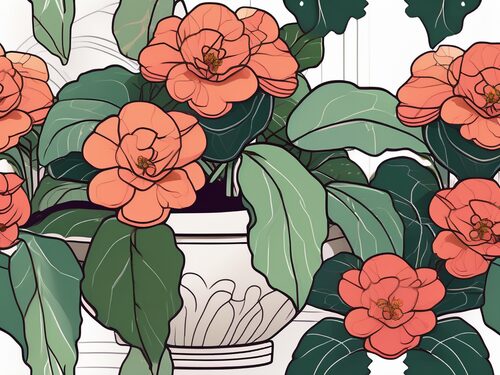
Balance tip: If your décor already skews “fiery” (lots of bright reds, strong lights), choose softer pink or white blooms to keep the room’s energy gracious rather than amped.
Care that keeps the message alive
Think of care as the subtitle to your plant’s flower language: it clarifies the intention.
Light
- Bright, indirect light or light partial shade.
- Too little light = leggy stems, pale leaves, fewer blooms.
Water
- Keep evenly moist, never waterlogged. Water thoroughly, then allow the top of the mix to dry slightly.
- Don’t leave water in the saucer—rotting stems are the fastest way to silence those blooms.
- Practical rhythm: often about twice per week during winter flowering; adjust to your home’s light, pot size, and temperature.
Temperature and humidity
- Happy range: 15–20°C (59–68°F). Keep above 12°C (54°F) indoors in winter; avoid dips below 10°C (50°F).
- Heat spikes above 32°C (90°F) can cause wilting and bud drop.
- Prefers moderate humidity with gentle airflow; very dry air = brown leaf tips and lost buds.
Soil and potting
- Use a rich but airy, slightly acidic potting mix with good drainage (peat/leaf-mold or compost base + perlite/coarse sand).
- Avoid oversized pots; they stay wet too long.
- Repot after the main bloom when roots fill the pot; hanging baskets commonly use 15–18 cm (6–7 in) sizes.
Feeding and grooming
- Feed every 2 weeks during active growth with a balanced liquid fertilizer. As buds form, 1–2 bloom-boost feeds (e.g., higher P/K) help sustain the show.
- Deadhead promptly. After a big flush, lightly trim older flowering stems, leaving about 4–5 nodes to encourage fresh basal shoots.
Propagation (if you get hooked)
- Cuttings: Root healthy, non-flowering tips in a free-draining medium in bright shade; expect rooting in about 3 weeks under good conditions.
- Seed: Dust-fine and surface-sown at 16–18°C (61–64°F). Expect 5–6 months from sowing to flowering.
Troubleshooting the winter star
- Bud drop, crispy tips: Inconsistent watering or very dry air. Steady your watering, add a pebble tray or group plants, and increase gentle airflow.
- Pale leaves, leggy growth: Insufficient light—move to an east window or brighten a south window with a sheer curtain.
- Fungal issues (powdery mildew, Botrytis/gray mold): Improve airflow, avoid wetting leaves late in the day, remove spent blooms promptly, and resist heavy nitrogen.
- Pests (spider mites, aphids): Treat early with insecticidal soap or horticultural oil, repeating as needed.
From “beware” to “be cared for”: Making meaning your own
- Victorian message: A polite nudge toward caution—discernment, discretion, and mindful steps.
- Modern East Asian 花语: Tenderness, gratitude, winter cheer—an embrace during the year’s coldest chapter.
How to communicate clearly when gifting:
- Add a note. “May these blooms bring warm light, gentle encouragement, and steady good fortune.” You’ve reframed the story beautifully.
- Choose color on purpose. Red for festive joy, pink for kindness, white for sincere blessings, yellow/apricot for sunny optimism.
Quick style-and-care pairings (for real homes)
- North-facing office: White or pink cultivar; place close to the window, add a desk lamp for bright indirect support, water gently twice a week.
- Sunny living room: Red double-flowered type behind a sheer curtain; rotate weekly for even growth, deadhead during movie nights—so satisfying.
- Entry console (no direct sun): Yellow/apricot plant for instant welcome; keep away from door drafts, and use a ceramic cachepot to buffer temperature swings.
Name notes for the curious
You’ll often see these sold as “Begonia elatior.” The more accurate, modern horticultural treatment is Begonia × hiemalis (Elatior Group)—a hybrid group purpose-bred for compact habit and dazzling winter-to-spring blooms.
—
In the end, Rieger begonias reconcile the Victorian caution with a modern kindness: they ask us to move through winter attentively—and to do it with tenderness and color. Place one where the light is bright but gentle, keep the soil evenly moist, and watch how a small pot of flowers can recalibrate a room’s energy and a season’s mood. That’s good flower language in any era.