
If your Rieger begonia suddenly looks dusted with flour or its blossoms melt into a fuzzy gray mess, you’re not alone. Begonia × hiemalis (Elatior Group)—often sold simply as Rieger or Elatior begonia—blooms its heart out indoors from late autumn through spring, but still air and cozy humidity can invite the two big spoilers: powdery mildew and Botrytis (gray mold). Here’s how to spot which is which at a glance, then fix it gently and keep those blooms coming.
Meet the bloom machine: Begonia × hiemalis (Elatior Group)
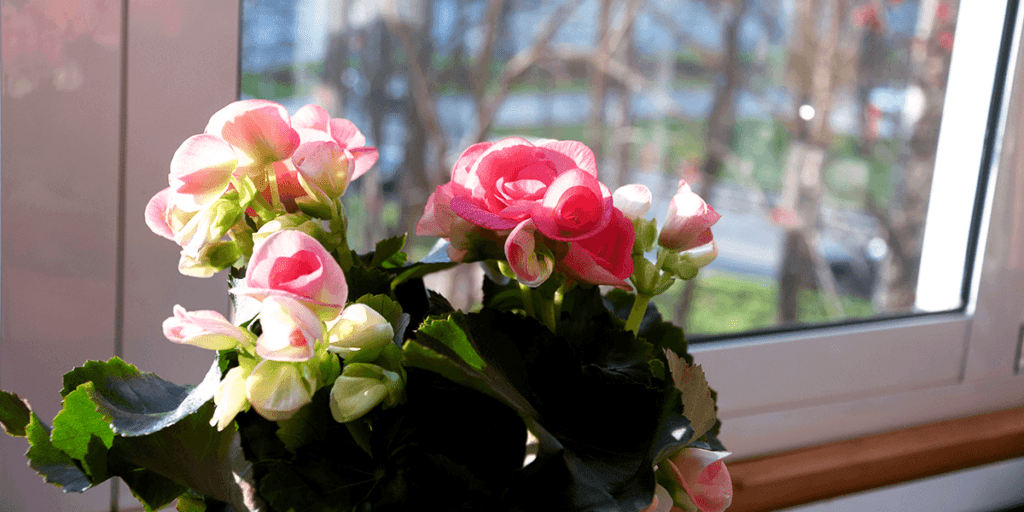
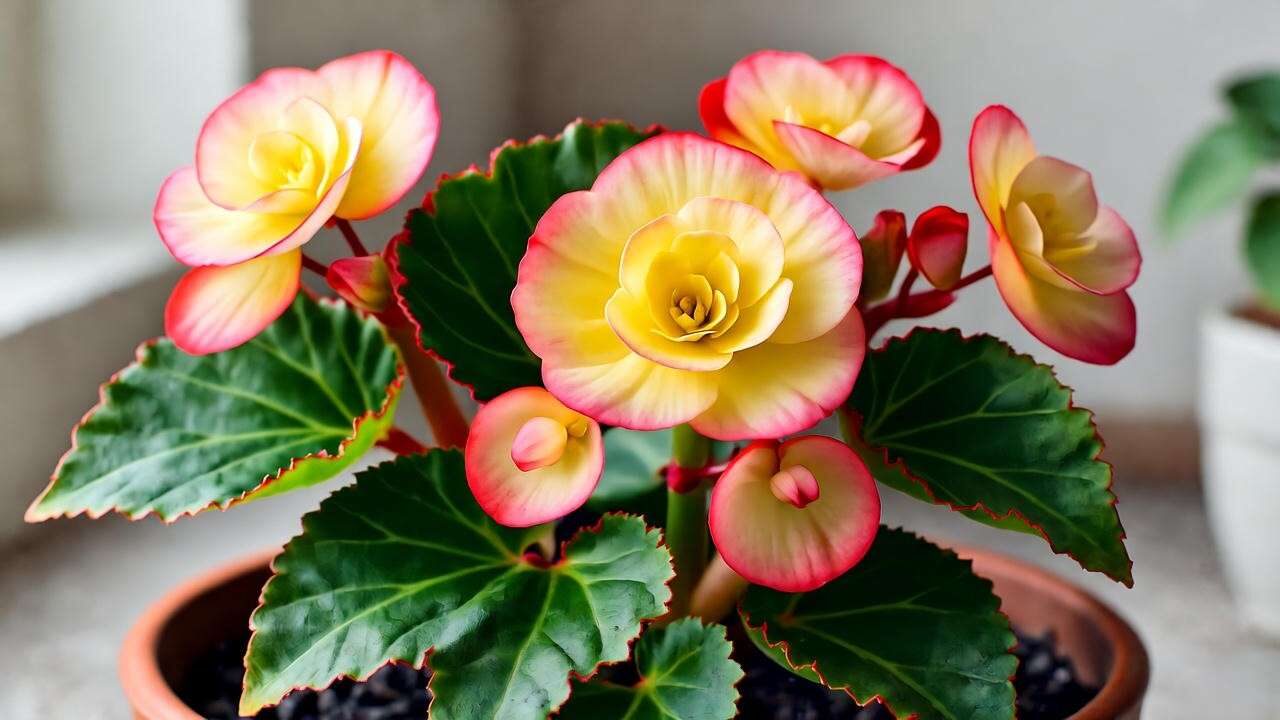
Compact, flower-packed, and bred specifically for pots and hanging baskets, this hybrid group isn’t a wild species—you’ll see it labeled as Rieger begonia, Elatior begonia, or occasionally “Begonia elatior” in shops. It forms a tidy, deep-green mound (about 20–40 cm / 8–16 in tall and wide) topped with clusters of single or double flowers in red, pink, coral, orange, yellow, or white. With bright filtered light and simple deadheading, it can bloom for a long run in winter into spring.
Light, temperature, humidity—its happy place
- Light: Bright, filtered/indirect. An east window is perfect; a sunny south window needs a sheer curtain. Too little light = leggy stems, paler leaves, fewer blooms.
- Temperature: Best at 15–20°C (59–68°F). Keep above 10°C (50°F)—below that, expect yellowing and leaf drop. Heat spikes above 32°C (90°F) can cause wilting and bud drop.
- Humidity: Prefers moderate humidity and evenly moist soil—but not a muggy, stagnant corner. Gentle ventilation keeps fungi at bay.
Watering and soil
- Water thoroughly, then let the top of the mix dry slightly before watering again—aim for evenly moist, never soggy.
- Never leave water in the saucer (hello, root/stem rot).
- Practical rhythm (adjust to your home): about once weekly right after purchase; 2–3 times weekly in active growth; roughly twice weekly during winter bloom.
- Soil: Rich, slightly acidic, airy potting mix with perlite or coarse sand for drainage.
Common stress signals: Brown, crispy leaf tips and bud drop usually trace back to drought or very dry air. In low light, stems stretch and older leaves shed.
Feeding, pruning, and post-bloom pep
- Feed every 2 weeks in active growth with a balanced liquid fertilizer. When buds form, one or two bloom-boost feeds (e.g., 15-15-30) help. Pause in heat waves.
- Deadhead promptly. After a big flush, lightly cut back older flowering stems, leaving 4–5 nodes—this nudges fresh basal shoots for the next round.
—
Powdery mildew vs. Botrytis (gray mold): quick visual cues
Think of powdery mildew as flour dust on the leaves; Botrytis as fuzzy gray lint that loves petals and spent flowers.
Powdery mildew: the floury film
- What you see:
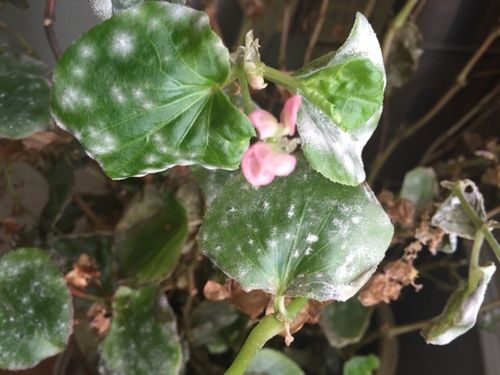
- Whitish-gray, talc-like coating on leaves (upper or lower), stems, and sometimes petals.
- Often starts as scattered powdery spots that spread into a thin web-like film.
- Leaves may curl or distort if growth is young.
- Texture test: Lightly rub—powder transfers to your fingertip.
- Tissue feel: Leaves usually remain firm (not mushy).
- Where it starts: Anywhere on foliage, even when leaves weren’t wet. High humidity and cool nights plus stale air are classic triggers.
- Speed/spread: Spores ride air currents; clusters appear on multiple plants if they’re crowded.
Botrytis (gray mold): the fuzzy blossom spoiler
- What you see:
- Tan to brown, water-soaked spots that expand; petals and buds collapse and rot.
- A fuzzy gray mold forms, especially on spent blooms and wounded tissue.
- Leaves and stems near soggy flowers can become soft and mushy.
- Texture test: Fuzzy gray growth on decaying flower parts; tapping can release a puff of spores.
- Smell: Often a faint musty scent near heavily affected blooms.
- Where it starts: Dead or dying petals, crowded clusters of flowers, and areas that stay damp with poor airflow.
- Speed/spread: Jumps quickly across adjacent flowers and leaves if moisture lingers.
Quick contrast:
- Powdery = dry, floury coating on intact leaves.
- Botrytis = soft rot and gray fuzz, especially on petals, buds, and any wet or senescing tissue.
—
First 24 hours: gentle, effective triage

- Isolate the plant. Move it a few feet from neighbors to limit air-borne spread.
- Groom immediately.
- Powdery: Remove the most dusted leaves (they won’t recover).
- Botrytis: Remove all mushy, spotted flowers/buds/leaves and any fallen petals on the soil.
- Bag and trash—don’t compost indoors.
- Clean tools and surfaces with 70% isopropyl alcohol.
- Improve air movement at plant level (details below) and switch watering to mornings at soil level only.
- Pause fertilizer for now—especially high nitrogen, which fuels soft, disease-prone growth.
—
Treatments that are kind to indoor plants (and you)
Always read and follow product labels. Test-spray a single leaf and wait 24–48 hours before broad application—begonias can be sensitive to strong sprays.
For powdery mildew
- Cultural first: Increase gentle airflow, space plants, remove heavily infected leaves, and give the brightest indirect light you can.
- Potassium bicarbonate spray: A fast-acting, houseplant-safe option labeled for powdery mildew. Reapply per label (often every 7–10 days) until new growth is clean.
- Biofungicides: Products based on beneficial microbes (e.g., Bacillus strains) labeled for powdery mildew can help suppress reinfection.
- Avoid: Sulfur or strong oil-based sprays in warm rooms—begonia foliage can scorch. If you trial an oil product, test first and avoid hot, sunny windows.
For Botrytis (gray mold)
- Cultural first (this is half the cure):
- Strip all spent blooms and mushy tissue daily until no new spots appear.
- Keep petals and leaves dry; water the mix, not the plant.
- Increase air movement and space around flower clusters.
- Biofungicides: Bacillus-based products labeled for Botrytis on ornamentals are gentle and suitable for home use; apply to flowers and foliage per label.
- When infections persist: Use a fungicide labeled specifically for Botrytis on houseplants/ornamentals and follow indoor-use guidance carefully. Prioritize low-odor, home-safe formulations.
Pro tip: Powdery mildew doesn’t need visible leaf wetness to start; Botrytis almost always capitalizes on lingering moisture and dead petals. Dry petals + moving air are your best Botrytis insurance.
—
Airflow hacks for windowsills and shelves
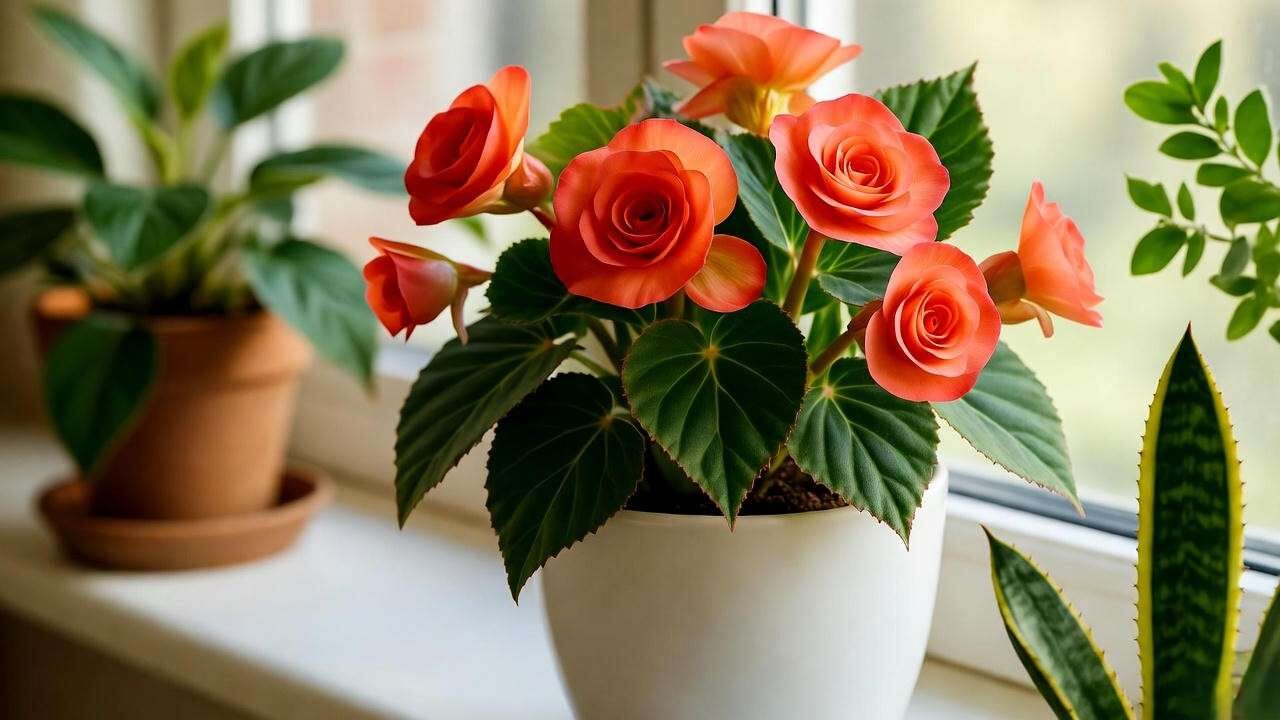
- Create a “micro-breeze”: Aim a small USB fan across the room past the plants on low—no direct blast, just a gentle current.
- Space by a hand’s width: Keep at least a palm’s space between pots so leaves don’t touch.
- Lift the foliage: Use pot feet or a trivet so air circulates under the canopy.
- Deadhead daily during peak bloom: Don’t let fallen petals sit on leaves or soil.
- Open a window 10–20 minutes (weather permitting) for a quick air exchange.
- Avoid cramped corners and steamy kitchens/bathrooms.
- Use a sheer curtain on south windows for bright light without leaf-stressing heat.
- Rotate the plant weekly for even light and to discourage stagnant pockets.
—
Prevention habits that actually stick
- Morning-only watering at soil level; never leave water in the saucer.
- Bright, indirect light daily—dim light = softer, disease-prone growth.
- Steady temps around 15–20°C (59–68°F); protect from cold drafts and heat spikes.
- Fertilize modestly every 2 weeks; avoid pushing lush, tender growth with heavy nitrogen.
- Prune with purpose: deadhead promptly; after a main flush, lightly cut back to 4–5 nodes to spark healthy basal shoots.
- Housekeeping: Remove yellowing leaves, spent petals, and any debris from the soil surface.
- Quarantine new plants for 2 weeks and inspect undersides of leaves.
- Repot after flowering (not into an oversized pot) using a rich but airy, well-drained mix with perlite.
—
Troubleshooting quick hits
- Bud drop: Commonly from inconsistent watering, very dry air, low light, or heat above 32°C (90°F). Steady moisture, brighter filtered light, and a gentle breeze help.
- Crispy leaf tips: Often drought or very dry air. Water more evenly and raise ambient humidity slightly—but keep air moving.
- Leggy, pale growth: Light is too low; move closer to a bright window with a sheer curtain.
- Winter yellowing/leaf drop: Chilling below ~12°C (54°F) can trigger it. Warm things up slightly.
—
Safety note for homes with pets and kids
Begonias are considered toxic if eaten and can cause mouth irritation and gastrointestinal upset. Keep out of reach of children and pets.
—
A little begonia lore
Rieger begonias are human-made hybrids, crafted for compact form and generous flowering when most plants rest. That’s why they’re beloved as winter gift plants. In the language of flowers, they’re often linked with gentle affection and tenderness—fitting for a plant that lights up short days without demanding harsh sun.
—
Mini care recap for Begonia × hiemalis (Elatior Group)
- Light: Bright, indirect; east window ideal.
- Water: Evenly moist, never soggy; empty saucers.
- Temperature: 15–20°C (59–68°F); never below 10°C (50°F).
- Humidity: Moderate with airflow; avoid stale, humid corners.
- Feed: Every 2 weeks in growth; 1–2 bloom-boost feeds as buds form.
- Prune: Deadhead promptly; light cutback after major flush to 4–5 nodes.
- Disease watch: Powdery = white, dry film on leaves; Botrytis = gray fuzz and mushy petals. Treat early, improve airflow, and keep petals dry.
Give your Rieger begonia bright, gentle light, a steady sip of moisture, and a whisper of moving air, and it will return the favor with weeks—often months—of color just when you need it most.