
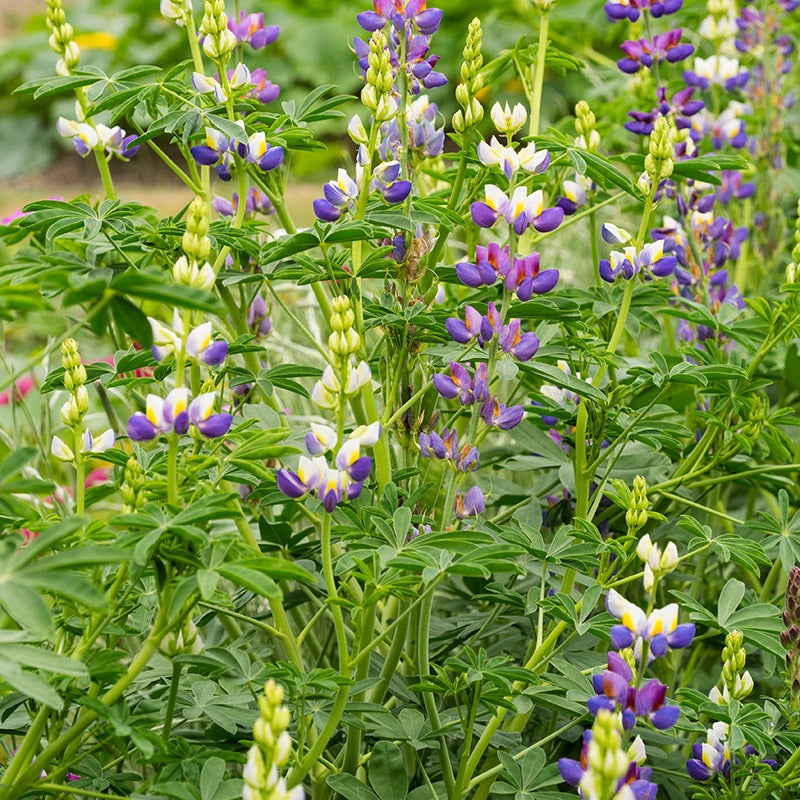
Picture a cool morning in a cottage garden: fan-shaped leaves catching dew, bees tuning up—and tall, candle-like lupine spikes ready to steal the show. When those spikes don’t appear, it’s rarely random. Lupinus polyphyllus is a cool-summer performer with very specific stage directions. Miss a cue—too much shade, rich soil, cramped roots, or a hot spell—and the flowers bow out. Here’s how to diagnose the problem fast and bring back the bloom.
Meet the plant, meet its preferences
- Botanical profile: Lupinus polyphyllus (Bigleaf/Garden/Russell Lupine), family Fabaceae.
- Habit: Upright spires from a basal rosette; strong taproot; dislikes disturbance.
- Size: Typically 24–48 in tall, 12–24 in wide; spikes can reach up to ~60 in in great conditions.
- Bloom window: Spring to early summer; a smaller second flush is possible with prompt deadheading.
- Climate sweet spot: Cool summers, USDA Zones 4–8 (often happiest in Zones 4–6).
The four big bloom-killers (and the fast fixes)
1) Too much shade
- Symptoms: Sturdy leaves, short or absent flower spikes; lanky stretch toward light.
- Why it happens: Lupines set best spikes in strong light, especially in cool-summer regions.
- Quick fixes:
- Cool-summer climates: Move to full sun (6+ hours) or thin overhead canopies.
- Warmer/southern regions: Aim for morning sun + light/afternoon shade. Avoid deep shade entirely.
- Container hack: Rotate the pot weekly so buds don’t lean; reposition to a brighter patio.

2) Excess nitrogen (leaf feast, flower famine)
- Symptoms: Lush, oversized foliage, minimal spikes; soft growth more prone to mildew/aphids.
- Why it happens: As a legume, lupine already partners with microbes to fix nitrogen—piling on more skews it leafy.
- Quick fixes:
- Stop high-N feeds and avoid manure-heavy composts near the crown.
- If garden soil is very rich, dilute the feast: scratch in mineral grit (coarse sand/perlite/fine gravel) to lean and aerate the top 3–4 inches.
- If you feed at all, use a light, bloom-leaning fertilizer (low N, a bit more P/K) once or twice before flowering. In containers, very light low-N feeding every ~2 weeks during active growth is plenty.
3) Cramped roots (taproot tantrum)
- Symptoms: Stalled growth, few spikes, wilting after warm days despite moist soil; in pots, roots circling and hard to water.
- Why it happens: Bigleaf lupine builds a deep taproot and resents tight quarters or rough handling.
- Quick fixes:
- Pots: Up-pot early into a deep container (think tall, not wide) with a sharply draining mix: roughly 50–60% quality potting mix + 20–30% horticultural sand or perlite + 10–20% fine bark. Handle the taproot gently.
- In-ground: Avoid frequent transplanting; space 12–16 inches apart to keep air moving. Relocate only when young and cool weather is forecast.
- Buying tip: Choose plants that are not root-bound; a healthy, symmetrical rosette beats a cramped, overgrown starter every time.
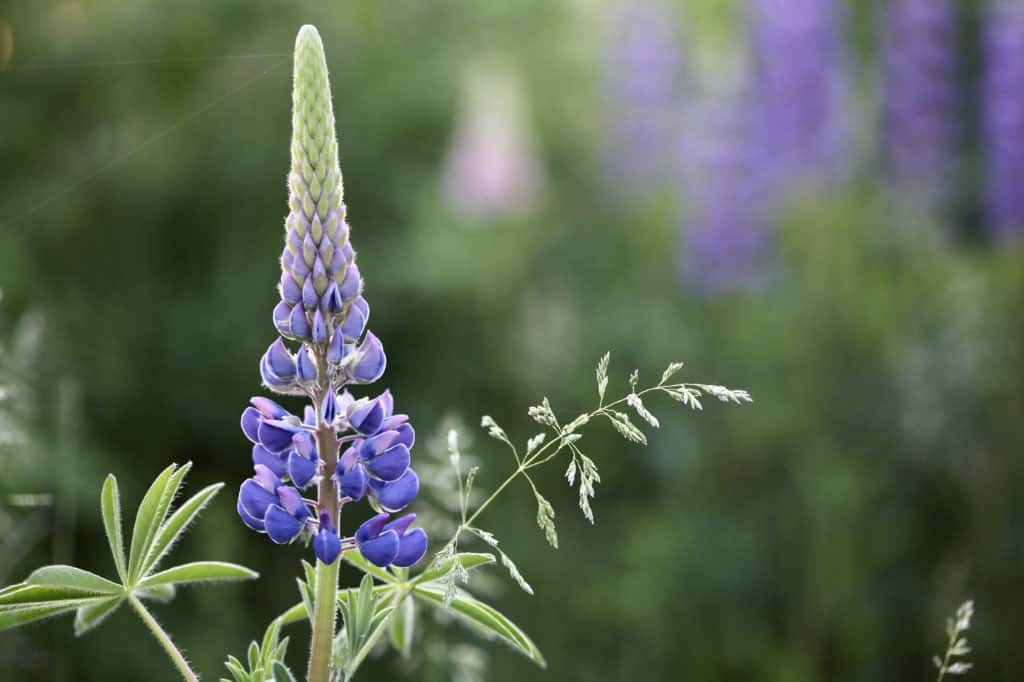
4) Heat stress (cool-climate diva)
- Symptoms: Buds stall or abort; flowering ends abruptly; leaves look tired by afternoon.
- Why it happens: Ideal temps run about 55–75°F (13–24°C). Prolonged hot, humid weather shortens the show.
- Quick fixes:
- Provide afternoon shade or deploy 30–40% shade cloth during heat waves.
- Mulch lightly (keep off the crown) to keep roots evenly cool.
- Water in the cool morning, deeply but not soggily; avoid soaking spikes and evening overhead watering to reduce mildew risk.
- Hit pause on fertilizer during heat—soft growth + heat = stress.
Soil tweaks that flip the bloom switch
- Drainage first: Lupines want “moist but well-drained.” If water lingers, incorporate coarse sand/grit and fine bark; build a raised berm if needed. Avoid heavy clay unless you amend significantly for drainage.
- Keep it lean: Aim for slightly acidic soil (pH ~5.5–6.5). Use compost sparingly and skip rich manures. Lush leaves don’t equal more flowers here.
- Container refresh: Re-pot or refresh the mix in early autumn or when young plants fill the pot. Established plants dislike disturbance—plan ahead.
Light adjustments that actually work
- Cool-summer regions: Full sun delivers the longest, densest spikes.
- Warmer regions: Morning sun + filtered afternoon light prevents bud blast without sacrificing bloom. Avoid walls or paving that reflect intense heat onto plants.
Watering and feeding, calibrated for spikes
- Watering:
- Establishment and spring growth: Keep evenly moist—but never waterlogged.
- Dry spells: Deep, infrequent water is better than daily sips. In containers, expect roughly 2x/week in spring and up to ~3x/week in warm weather, guided by how fast the mix dries.
- Feeding:
- In ground: Often none is needed—these are nitrogen-fixers.
- If growth is weak: A light, balanced feed is okay, but keep nitrogen low. A bloom-leaning dose once or twice before flowering can help spike quality.
- Containers: Light, low-N feeding during active growth can support consistent bloom.
Cutting and timing tricks for a comeback flush
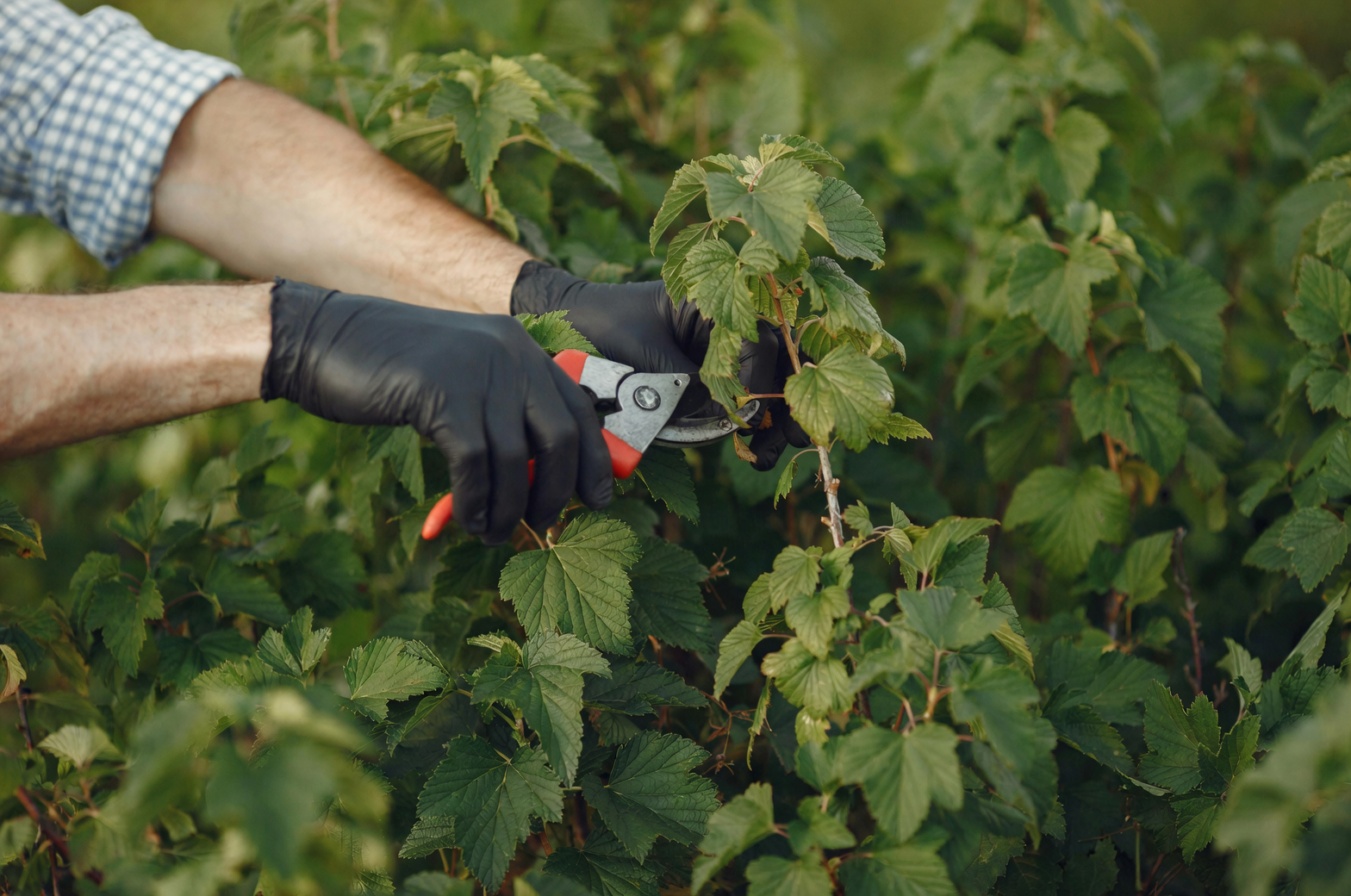
- Deadhead fast: As soon as the lower half of florets fade, cut the spike before pods form. This often triggers a smaller second bloom in cool-summer climates.
- For the vase: Harvest when about half the florets are open; they’ll finish unfurling indoors.
A quick diagnostic checklist
- Leaves big, spikes small? Too much nitrogen or too little sun.
- Buds form, then stall? Heat stress or root confinement.
- Plant healthy, no bloom, it’s young: Many first-year plants focus on roots; peak spires usually start in year two.
- Sudden wilt after rain or heavy watering? Suspect poor drainage/crown rot—improve aeration and let the top inch dry between waterings.
Pests, diseases, and spacing that save the show
- Aphids (including lupin aphids): Blast off with a firm water spray; follow with insecticidal soap or horticultural oil if needed.
- Powdery mildew in still, humid air: Space plants well, avoid late-day overhead watering, and remove badly infected leaves.
- Slugs/snails: Protect young plants.
- Airflow matters: Place where breezes can pass through; crowding boosts mildew and reduces bloom.
Heat-wave rescue plan (two-day turnaround)
- Day 1: Move containers to morning-sun/afternoon-shade. For beds, rig temporary shade cloth. Water deeply at dawn; mulch lightly to cool roots.
- Day 2: Strip any nitrogen feeding; give a light bloom-leaning tonic if the plant is not stressed (cool morning only). Deadhead spent spikes. Keep airflow high.
Planning ahead for next spring’s spikes
- Sowing: Scarify or soak seeds 24–48 hours; direct-sow in autumn or early spring 0.8–1.2 inches deep. Thin to 12–16 inches.
- Division/cuttings: Possible but tricky—handle gently due to the taproot; basal cuttings in spring can work for select plants.
- Don’t overmove them: Place thoughtfully and let roots settle for the long haul.
Safety note
- Toxic if ingested—especially seeds. Keep away from children, pets, and grazing animals. “Sweet lupin” foods come from specially selected low-alkaloid varieties, not ornamental garden lupines.
A little meaning between the spikes (flower language)
- Lupine’s lore leans toward imagination, creativity, and generous love—qualities mirrored in its radiant spires that open from bottom to top like a rising idea. The Latin root lupus (“wolf”) once saddled lupines with a reputation for “devouring” soil fertility; the opposite is true for this legume, which teams with microbes to fix nitrogen. That contradiction feeds another strand of symbolism: a caution against excess and greed. In practice, the plant teaches balance—enough light, lean soil, cool air—rewarded by abundance without overindulgence.
Fast “weekend win” list to revive bloom
- Move to stronger light; in hot zones, prioritize morning sun.
- Scratch in grit to lean and aerate rich soil; stop all high-nitrogen inputs.
- Deep-water at dawn; keep foliage and spikes dry late in the day.
- Deadhead promptly; stake if tall spikes wobble.
- Up-pot root-bound plants into a deep, fast-draining mix—gently.
- Add light afternoon shade during heat spells; keep air moving.
When Lupinus polyphyllus gets its favorite conditions—cool air, bright light, lean, well-drained soil—it answers with those unforgettable, technicolor towers. Tune the light, temper the nitrogen, free the roots, and cool the feet, and the spikes will be back on cue.