
A cottage-garden icon that can make bees hum and gardeners swoon, Lupinus polyphyllus (bigleaf or Russell lupine) is also a plant with a passport. Native to western North America, it’s been welcomed into gardens worldwide—sometimes so warmly that it hops the fence. Here’s a clear-eyed look at how to enjoy those luminous flower spires while keeping seeds, spread, and local ecosystems in mind.
Meet Lupinus polyphyllus, the garden lupine
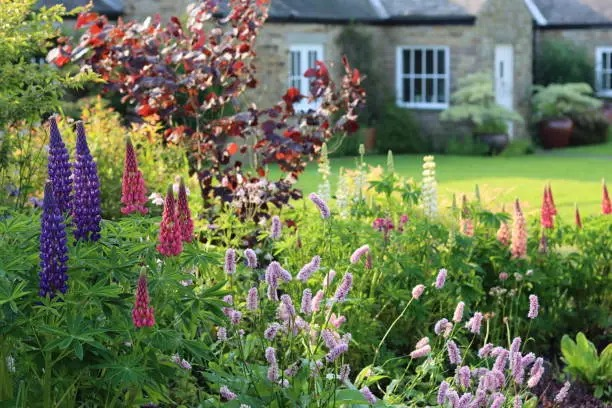
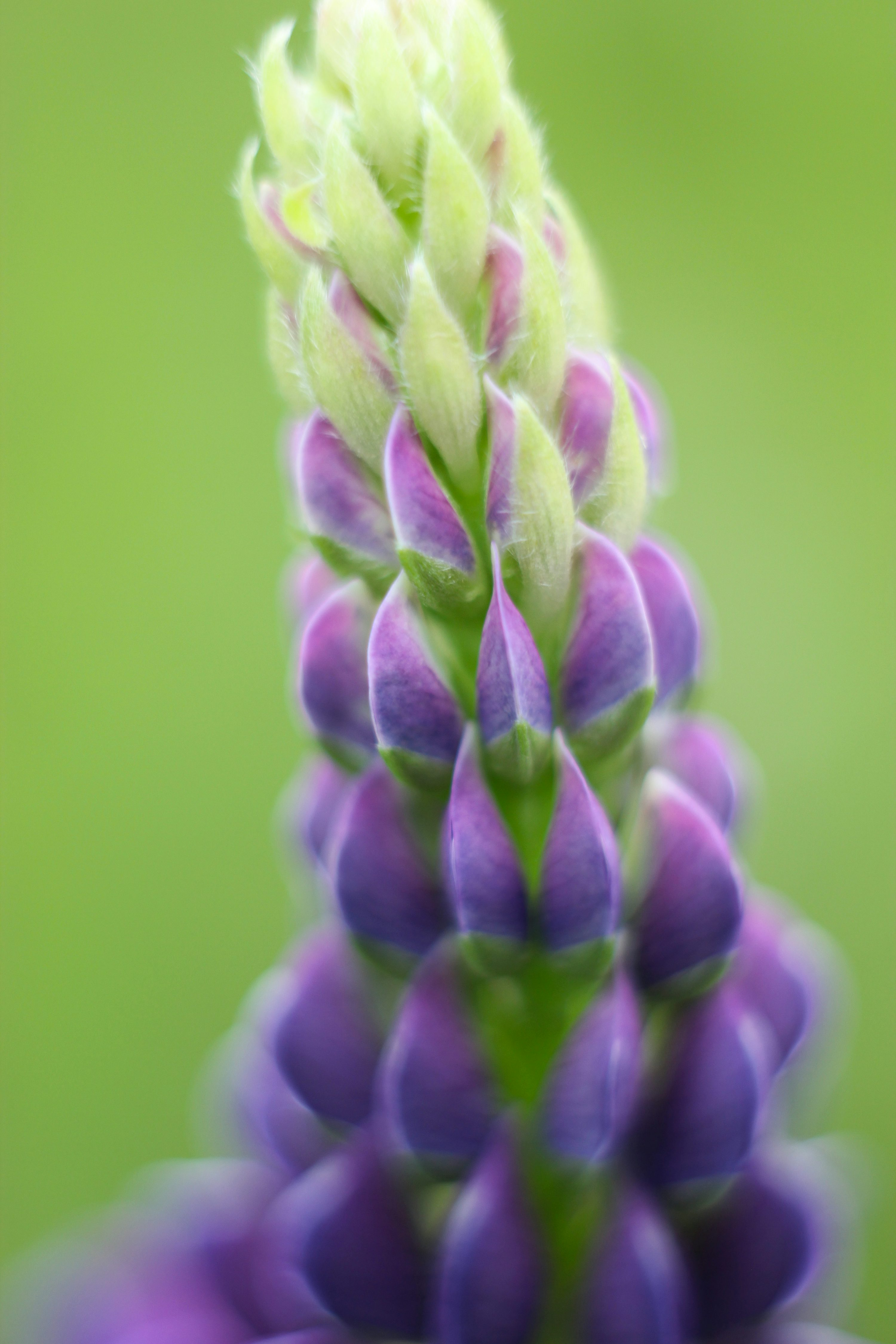
- What it looks like: Bold, candle-like spikes of pea-flowers rise above silky, fan-shaped leaves. Colors span blues, purples, pinks, reds, whites, and bicolors.
- Size and habit: Typically 60–120 cm tall and 30–60 cm wide; flower spikes can approach 150 cm in great conditions. Herbaceous perennial with a strong taproot—doesn’t love being moved once settled.
- Season: Spring to early summer bloom (often April–June); a smaller encore is possible if you deadhead quickly.
- Roots that help: As a legume, it partners with soil microbes to fix nitrogen. It still prefers lean, well-drained soils for best flowering.
Pollinator magnet—what value does it bring?
- Nectar bar in cool seasons: In cooler-summer climates, those tall spikes are a buffet for bumble bees and other bees, plus various butterflies. Flowers open bottom to top, keeping the bar open for days.
- Structure and succession: In mixed borders and meadowy plantings, lupine provides early-to-mid season color and nectar while longer-season plants gear up.
- A note on host plants: Some butterflies have tight relationships with specific native lupines (for example, the Karner blue with Lupinus perennis in eastern North America). L. polyphyllus offers nectar broadly, but it’s not a substitute for every region’s native host species.
The flip side: spread risks and where they matter
L. polyphyllus can self-seed. In its native Pacific Northwest it’s part of local flora; elsewhere it may naturalize and, in some regions, become problematic.

- Known concerns:
- Northern Europe and parts of the British Isles: Widely naturalized, locally invasive in places; can alter meadows and roadsides.
- New Zealand (especially South Island braided rivers): Russell lupins derived from L. polyphyllus are a serious weed—avoid planting near waterways.
- North America beyond its native range: Often just a garden self-seeder, but always check local guidelines, especially near sensitive habitats.
- Important distinction for Iceland: Those famous purple fields are mostly Lupinus nootkatensis (Nootka lupine), a different species that has become invasive there.
Bottom line: Gorgeous and valuable for pollinators in the right place—just garden it with foresight.
Growing it beautifully—and responsibly
Site and soil
- Sun: Full sun in cool-summer regions; give light or afternoon shade where summers run hot. Avoid deep shade or flowering will suffer.
- Soil: Well-drained sandy or loamy soil; slightly acidic (around pH 5.5–6.5) is ideal. Avoid waterlogging and heavy, unamended clay.
- Temperature: Loves cool conditions (about 13–24°C). Hardy to roughly USDA Zones 4–8; gets short-lived in hot/humid summers.
Water and feeding
- Water: Keep evenly moist during spring growth and while establishing; never soggy. In containers, expect to water more often as weather warms.
- Fertilizer: Go easy. This plant fixes nitrogen. If needed, use light, balanced feeding or a bloom-leaning formula before flowering. In containers, a light, low-nitrogen feed every couple of weeks during active growth can help.
Spikes, seeds, and the art of deadheading
- How to deadhead for a second flush:
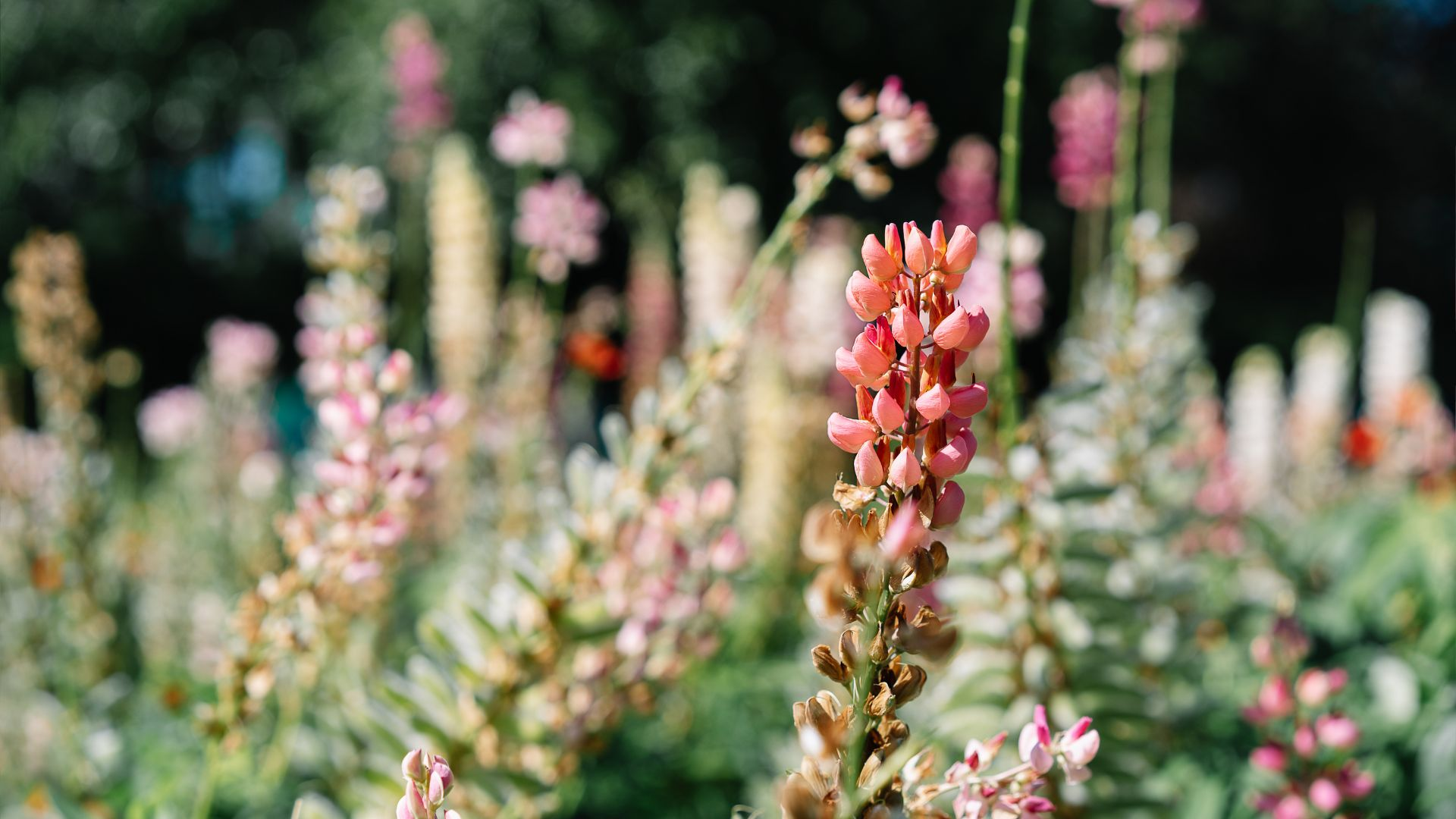
- As soon as the lower florets fade (don’t wait for fat seed pods), cut the spike back into the foliage to a strong leaf or side shoot.
- In cool-summer climates, this often yields a smaller second wave later in the season.
- How to deadhead to stop spread:
- Cut every spike before pods fill and darken. Lupine pods can dry and pop, flinging seed—beat them to it.
- Don’t home-compost mature pods; bag and bin them. Patrol in spring and pull any volunteers while small.
- Mulch lightly after bloom to make it easier to spot and remove seedlings.
- Extra containment:
- Grow in deep containers or raised beds where escape is a concern.
- Keep a buffer from wildlands and waterways.
- Avoid moving soil or mulch from seeding plants into natural areas.
Seasonal rhythm (Northern Hemisphere)
- Apr–Jun: Peak growth and bloom; water steadily; deadhead promptly; watch for aphids and mildew.
- Jul–Aug: Bloom winds down; finish seed control; offer afternoon shade in hot zones and maintain even (not excessive) moisture.
- Sep: Refresh container mix; divisions or basal cuttings are possible but tricky—taprooted plants dislike disturbance.
- Oct–Mar: Direct-sow seed outdoors in autumn (cover 2–3 cm); protect crowns with light mulch in colder climates; keep drainage excellent.
Southern Hemisphere gardeners: Shift these windows by roughly six months (e.g., deadhead vigilantly in late Nov–Dec).
Regional guidance: what to plant, where to plant, and when to snip
Western North America (native range; especially the Pacific Northwest)
- Planting: Suitable in gardens; site away from sensitive prairies and streambanks.
- Seed control: Deadhead late May–June; remove all pods by early summer.
- Thoughtful companions: Native perennials like Penstemon, Lomatium, Camassia (post-bloom), and native ornamental grasses.
Eastern North America and the Upper Midwest
- Consider this alternative first: Lupinus perennis (native) where appropriate soils exist—important for certain native butterflies in its range.
- If growing L. polyphyllus: Keep it in beds, deadhead rigorously, and prevent spread outside gardens.
- Pollinator-friendly lookalikes that behave:
- Baptisia australis (false indigo; native, long-lived, legume with spires)
- Liatris spicata (blazing star)
- Penstemon digitalis and P. ‘Husker Red’
- Salvia nemorosa and S. pratensis (well-behaved clary sages)
United Kingdom and Northern Europe (including Scandinavia and the Baltics)
- Status: Often naturalized; locally invasive in places—check current regional guidance.
- Safer choices for that vertical, pollinator-rich vibe:
- Delphinium hybrids (classic cottage spikes; stake as needed)
- Salvia nemorosa/pratensis cultivars
- Veronica spicata and V. longifolia (speedwells)
- Astrantia major and Campanula species for supporting roles
- If you keep L. polyphyllus: Avoid planting near wild meadows and roadsides; deadhead all spikes before pods harden.
New Zealand (especially South Island braided rivers)
- Strong caution: Russell lupin (from L. polyphyllus) is a serious weed—avoid planting near waterways and wildlands.
- Go-to alternatives:
- Native hebes (Veronica spp.), olearia, and Chionochloa tussocks for habitat value
- Non-invasive exotics for spires: Delphinium cultivars, Veronica spicata, Salvia nemorosa
- If you already grow it: Containerize, deadhead before seed, and prevent escape entirely.
Quick ID and care cheat sheet
- Leaves: Palmate, fan-like, often lightly hairy and soft-glinting in sun.
- Flowers: Dense, upright racemes of pea-flowers that open bottom to top.
- Best performance: Cool summers, full sun, lean, well-drained soil.
- Don’t move me: Deep taproot; sow where you want it or transplant only when very young.
Pests, diseases, and simple fixes
- Aphids (including lupin aphid): Spray off with water; follow with insecticidal soap or horticultural oil if needed.
- Slugs/snails: Protect young plants—collars, traps, or hand-picking.
- Powdery mildew: Common in still, humid air. Space plants, avoid late-day overhead watering, remove badly affected leaves.
- Wet feet woes: Crown/root rot surge in waterlogged soils—prioritize drainage.
Safety note
All parts—especially the seeds—can be toxic if ingested due to bitter alkaloids. Keep away from children, pets, and grazing animals. Culinary “sweet lupin” foods come from select low-alkaloid species and proper processing; treat ornamental garden lupines as not edible.
Propagation and longevity
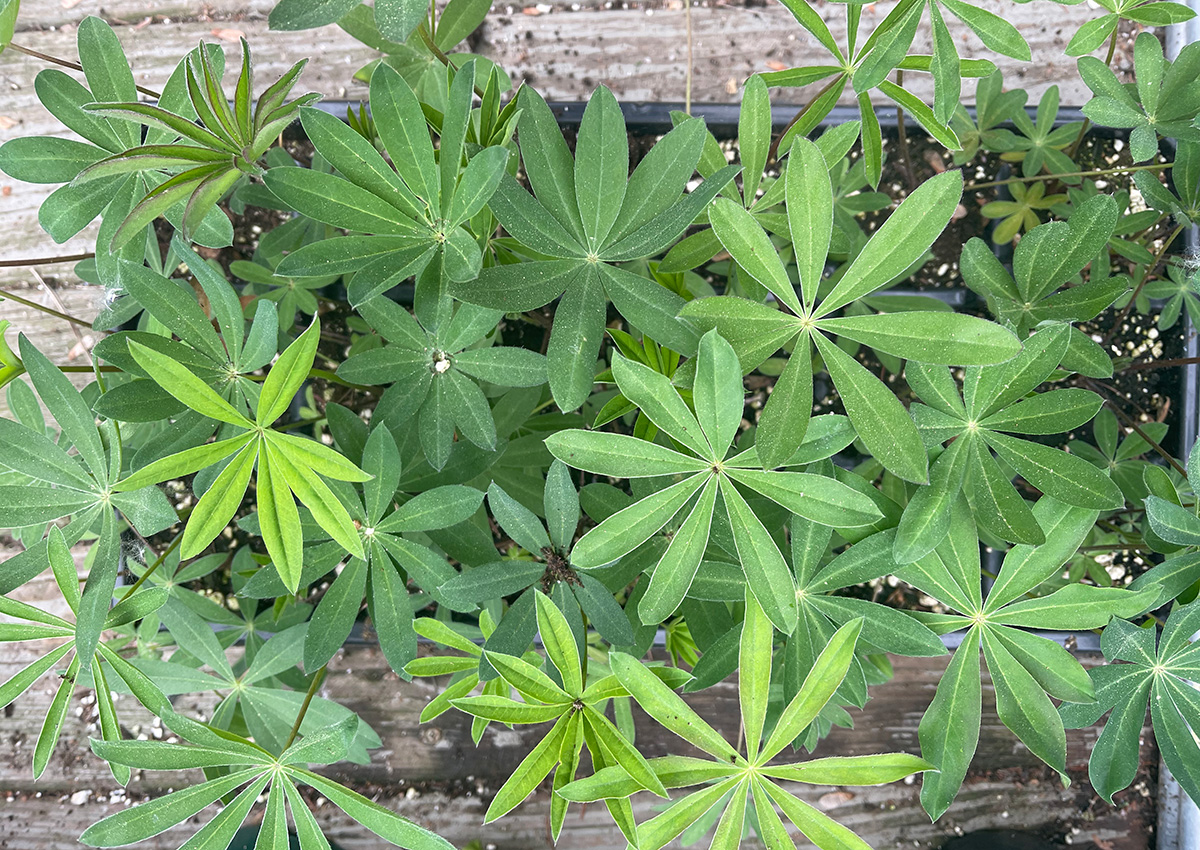
- From seed: Scarify lightly or soak 24–48 hours; sow outdoors in autumn or early spring about 2–3 cm deep; germinates in ~3 weeks.
- Basal cuttings: Possible in spring for select plants.
- Division: Tricky and best attempted cautiously after flowering; expect sulking.
- Lifespan: Often short-lived where summers are hot/humid; longer-lived in cool-summer regions.
Flower language, thoughtfully considered
Lupines have long been linked with imagination, creative joy, and generous love—perhaps inspired by their sky-reaching spires and the way they enrich poor soils. There’s also an old association with “voracity,” a nod to the mistaken belief that lupines “wolfed” the soil’s goodness. The truth is far more generous: they partner with microbes to add nitrogen back, but their exuberance can sometimes spill beyond the garden’s edge. In that tension—beauty and bounty balanced with restraint—you’ll find the most fitting modern meaning: creativity with responsibility.
Smart FAQs
- How do I get that second bloom? Deadhead as soon as the lower florets fade; don’t let pods set.
- Why won’t it flower well? Too much shade, too-rich nitrogen, heat stress, or simply youth. Aim for sun, lean soil, and cool conditions.
- Can I transplant an established plant? Not happily—its taproot resists disturbance. Sow where you want it or move only when very young.
A gardener’s pledge
Grow Lupinus polyphyllus where it belongs—and manage it well where it doesn’t. Deadhead on time, keep seeds in check, and consider regional alternatives when spread is a risk. Do that, and you’ll enjoy those dazzling spires and buzzing bees without unintended footprints beyond the border.