
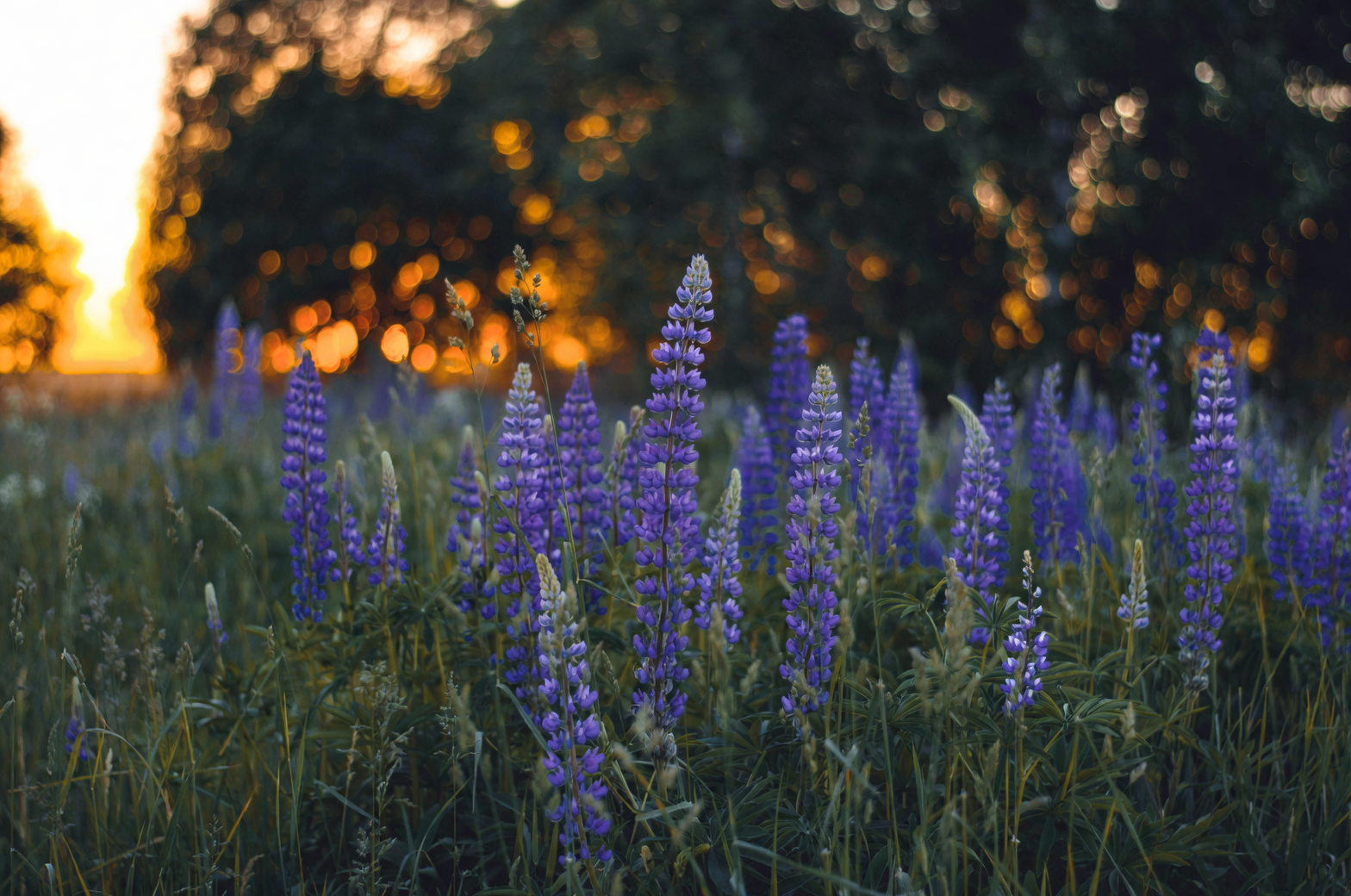
Consider this your desert island guide for a cool‑summer plant in a not‑so‑cool world. Lupinus polyphyllus—the classic garden lupine—thrives where evenings are crisp and soils are lean. But with a little strategy, you can coax those bold, candle-like spikes through hot afternoons and sticky air without a meltdown.
Meet Lupinus polyphyllus (and what it wants by nature)
- Roots: A strong taproot that hates disturbance.
- Habit: Upright, clump-forming perennial with palmate, fan-like leaves.
- Size: Typically 24–48 in tall and 12–24 in wide; spikes can hit 60 in in great conditions.
- Bloom window: Spring to early summer, with a smaller encore if you deadhead promptly.
- Sweet spot: Cool conditions (about 55–75°F/13–24°C), evenly moist but well-drained soil, slightly acidic (pH ~5.5–6.5).
- Reality check: Heat and humidity shorten lifespan and invite mildew. Afternoon shade and airflow become lifelines.
Why heat and humidity trip up garden lupine
- Heat stress = fewer flowers, quicker fade, and limp midday leaves.
- Humid, still air = powdery mildew and leaf spots.
- Warm, wet soil = crown/root rot; taproots need oxygen.
The fix isn’t pampering—it’s precision: shade at the right time, smart watering, lean feeding, and constant airflow.
Afternoon shade that helps, not hurts
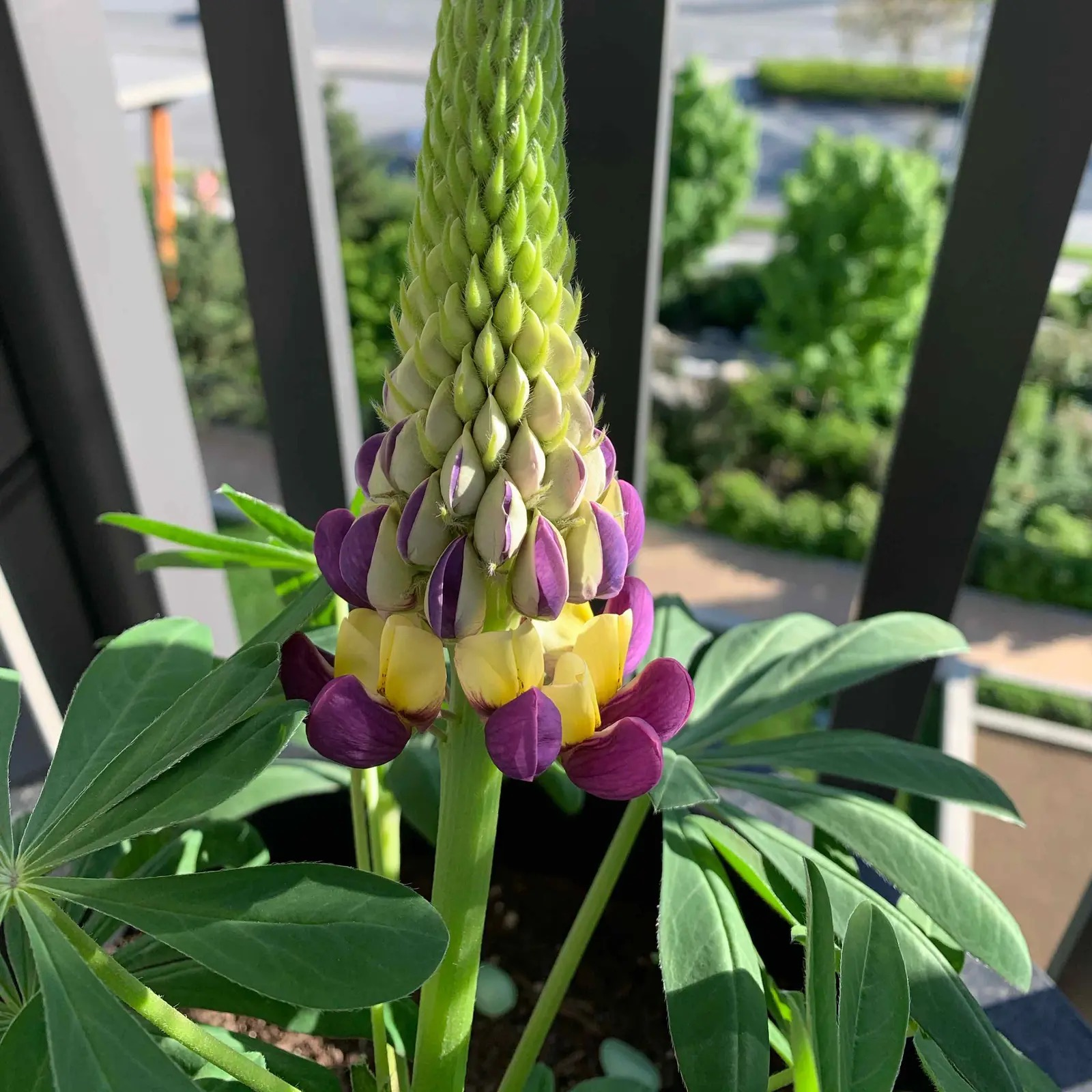
Aim for bright morning sun with a break from the fiercest rays.
- Site it smart:
- East-facing beds or the east side of a shrub/trellis for shade 2–4 hours after noon.
- Dappled canopy from airy companions (grasses, open-branching shrubs) acts like a natural parasol.
- Shade cloth:
- Use 30–40% shade cloth during heat waves; suspend it high enough to keep air moving.
- Avoid deep shade:
- Too little light = leaves instead of spires.
Airflow is armor: keep the breeze on the leaves
- Spacing: 12–16 in (30–40 cm) between plants. Don’t crowd the rosettes.
- Layout: Stagger in rows to create wind lanes; avoid corner pockets where air stalls.
- Prune neighbors: Limb up dense shrubs nearby; remove a few congested interior lupine leaves if they’re trapping humidity (never scalp the plant).
- Water tactics: Skip late-evening overhead watering; wet foliage + warm nights = mildew party.
- Container patios: Use plant caddies to spin pots into prevailing breezes; a small outdoor fan on sultry, still evenings can break disease pressure.
Smarter watering to outfox heat (no soggy feet!)
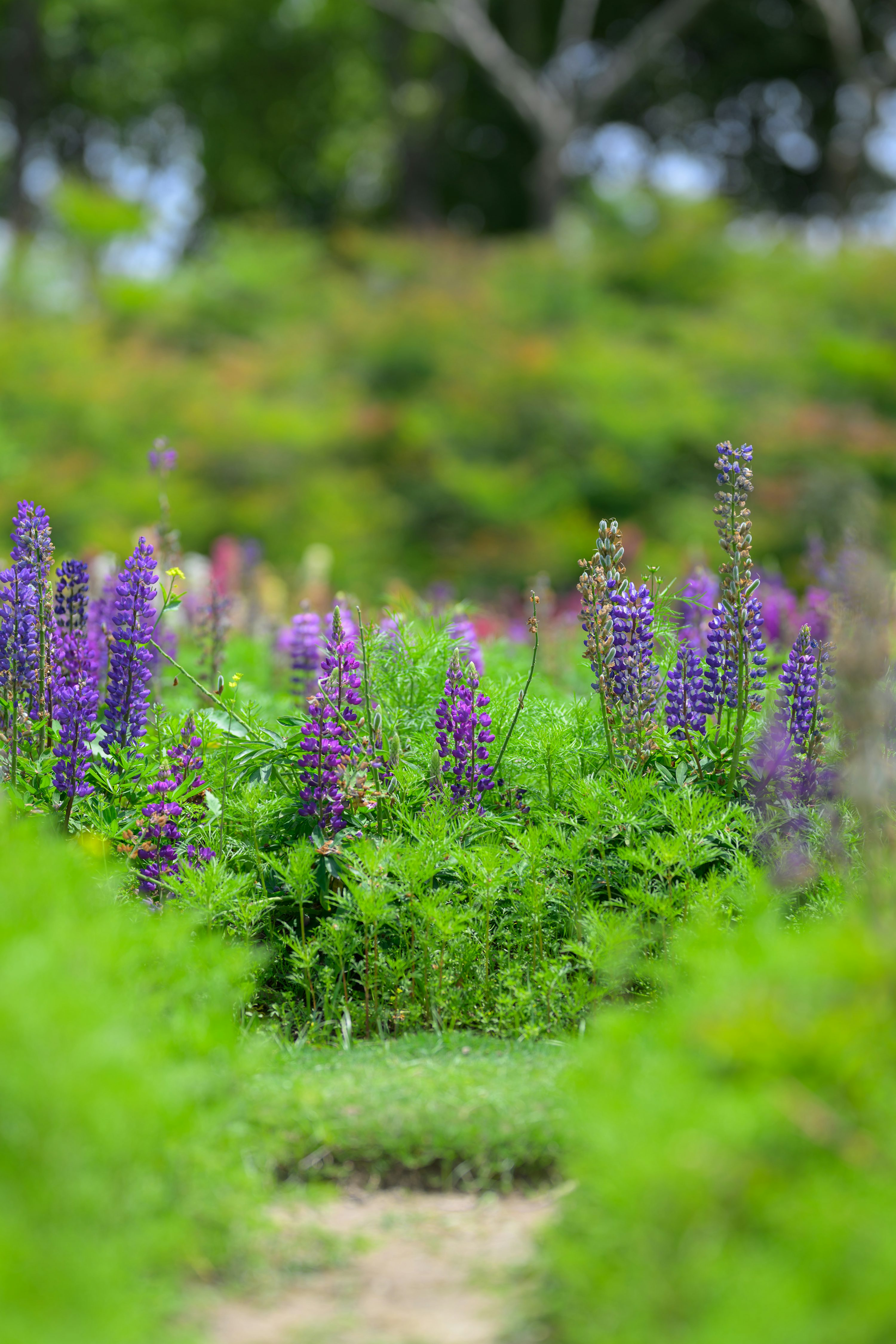
Think deep, infrequent, and early—guided by how fast your soil dries.
- Timing:
- Water at dawn. Plants drink, foliage dries, mildew sulks.
- In-ground rhythm:
- During active spring growth, keep evenly moist. In hot spells, water when the top 1–2 in of soil are dry.
- Apply slowly at the root zone; avoid splashing crowns and leaves.
- Container rhythm:
- Spring: often about 2× per week.
- Warm/hot weather: often up to ~3× per week—sometimes more for small pots in wind.
- Always check moisture first; don’t water on autopilot.
- Technique:
- Soak thoroughly until water exits the drain holes (containers) or the root zone is moistened 6–8 in deep (beds), then let the top dry slightly.
- Mulch matters:
- 1–2 in of fine bark or leaf mold cools roots and evens moisture. Keep mulch 1–2 in away from the crown.
Containers as heat‑management tools
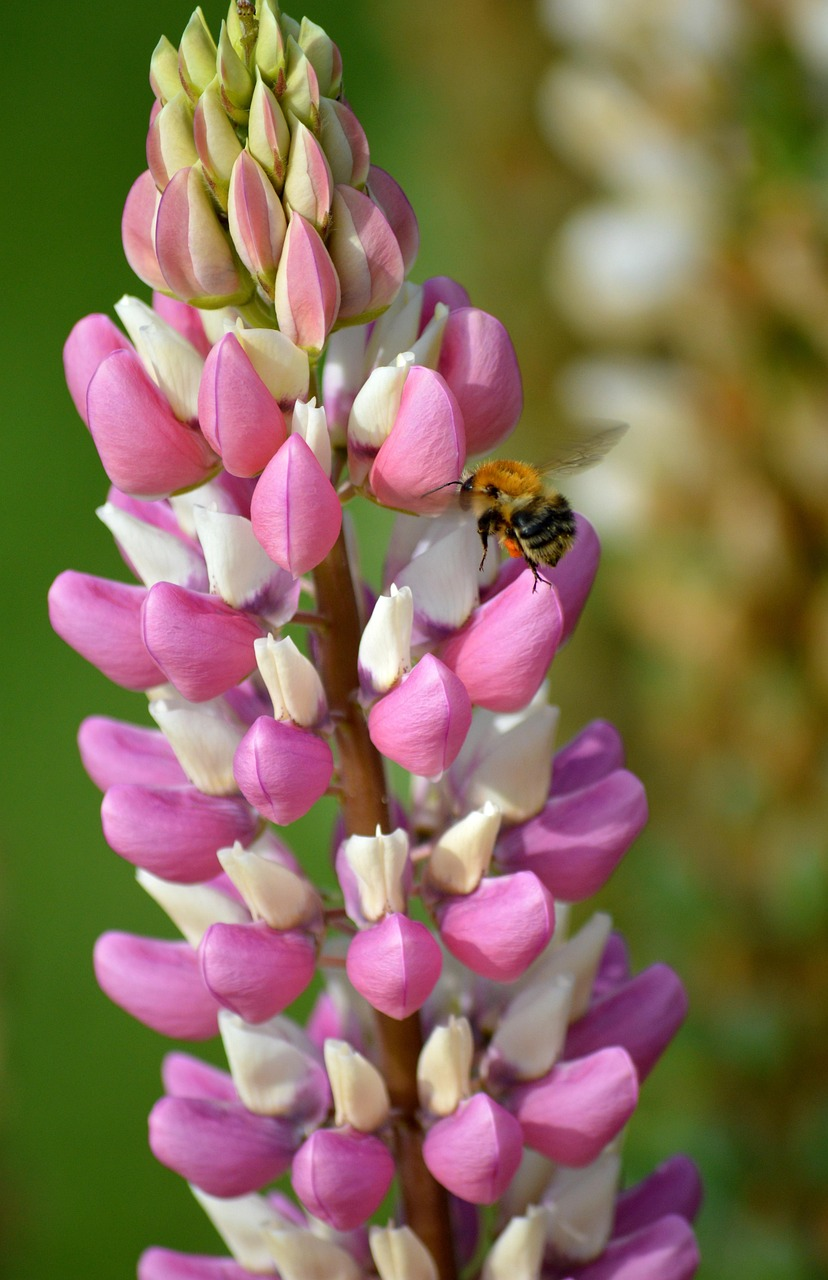
Lupines can be short-lived in hot zones in-ground; big, deep containers give you control over drainage, placement, and shade.
- Size and depth:
- A single plant is happiest in a pot at least 12–14 in wide and 12–16 in deep (5–7 gal). The taproot needs legroom.
- Mix:
- Lightweight, free-draining potting mix with added perlite/pumice for extra air. Slightly acidic is ideal.
- Drainage:
- Large unobstructed holes; skip the “rocks at the bottom” myth—it impedes drainage.
- Pot choice:
- Light-colored pots reflect heat; resin or plastic handle zone 4–6 winters without cracking.
- Placement:
- Morning sun, afternoon shade, in the path of a gentle breeze. Elevate pots on feet to keep the drain holes breathing.
- Top-dress:
- A thin mulch layer (fine bark or even decorative gravel) cools and slows evaporation without hugging the crown.
Feed lean to flower well
Lupines team up with microbes to fix nitrogen; too much N makes salad, not spires.
- In-ground:
- Often no fertilizer needed. If growth is weak, scratch in a light, bloom-leaning feed once or twice before flowering.
- Containers:
- Low-nitrogen, higher P/K fertilizer every ~2 weeks during active growth at half strength. Think “2–6–8” vibes rather than lawn food.
- Always avoid:
- Manure-heavy or high-nitrogen fertilizers that turbocharge leaves over flowers.
Soil tweaks that help in heat
- Texture: Sandy or loamy, never waterlogged; amend clay with coarse grit and compost to improve drainage.
- pH: Slightly acidic (5.5–6.5) keeps nutrients available and plants happy.
- Raised beds: Lift crowns above steamy, saturated ground and speed dry-down after storms.
Hot‑summer playbook (Zones 7–8 and similar)
- Early spring:
- Plant or repot while cool. Set spacing for airflow. Install drip or a gentle soaker.
- Late spring to early summer:
- Peak spikes: steady moisture, low‑N feed, deadhead as blooms fade.
- Midsummer:
- Switch to survival mode: afternoon shade, mulch, airflow, and consistent—not excessive—moisture.
- Early fall:
- Refresh container mix if needed; place for good winter drainage. In warmer regions, consider sowing seed outdoors in autumn for better establishment.
Troubleshooting the heat
- Midday droop, evening recovery:
- Normal heat wilt. Increase mulch, confirm morning watering, maintain shade. Don’t panic-water at noon.
- Persistent wilt, soil wet:
- Suspect root/crown rot. Improve drainage immediately; let soil dry slightly; remove mulch touching crown.
- Powdery mildew (white film on leaves):
- Increase airflow, water at soil level only, remove worst leaves. A gentle horticultural oil can help.
- Aphids on tender stems:
- Hose off with a firm spray; follow with insecticidal soap if needed. Stressed plants attract more pests—revisit shade/water routine.
- Lots of leaves, few flowers:
- Too much shade or nitrogen. Increase light (with afternoon protection) and cut back on N.
Deadheading for a second act
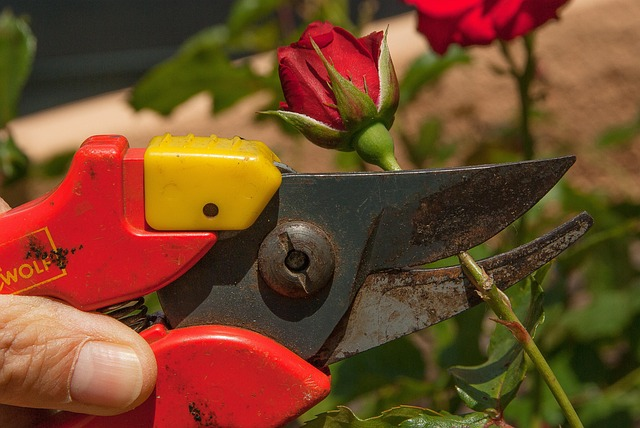
- Snip spikes as soon as they’re spent, before seed pods mature. In cooler-summer regions you may get a smaller encore. In hot zones, the second flush is modest—but tidying still prevents stress and disease harborage.
Propagation and the taproot rule
- Best bet: Seed.
- Scarify or soak seeds 24–48 hours; sow 0.8–1.2 in (2–3 cm) deep in autumn or early spring. Thin to 12–16 in (30–40 cm).
- Note: Many garden forms (like Russell-types) won’t come true from seed.
- Division/cuttings:
- Possible but tricky—lupines resent disturbance. If you must divide, do it gently after flowering or in early fall, and expect some sulking.
Good neighbors for hot sites
- Pair with upright, airy grasses and open-branching shrubs that cast dappled shade and move the air.
- Avoid bulky, humid thickets right up against the lupine’s shoulders.
Safety, cut flowers, and lore
- Toxicity:
- Seeds and other parts can be toxic if ingested—keep away from children, pets, and livestock.
- Cut spikes:
- Harvest when the lower half of florets are open; recut under water. Keep foliage dry to extend vase life.
- Flower language (and a pinch of history):
- Lupines have been linked with imagination, creativity, and generous love—fitting for a plant that paints borders in saturated color while quietly partnering with microbes to enrich soil. The “wolf” in its Latin name (lupus) stems from an old myth that it “devoured” soil fertility—exactly backward for a nitrogen‑fixing legume.
Quick reference checklist for hot, humid climates
- Morning sun + 2–4 hours afternoon shade
- Free-draining, slightly acidic soil; raised beds if heavy clay
- Deep containers (12–16 in) with airy mix and big drain holes
- Water at dawn: deep soak, then let the top inch dry; keep crowns and leaves dry
- Mulch lightly, not against the crown
- Space 12–16 in for airflow; prune neighbors; avoid still corners
- Feed low‑nitrogen; in pots, light bloom feed every ~2 weeks
- Deadhead fast; watch for aphids and mildew
Nail these fundamentals, and your cool‑climate queen will stand tall—even when summer tries to turn the cottage garden into a sauna.