
Picture a wand of color that opens like a sunrise—each tiny pea-blossom lifting in sequence from base to tip. That’s Lupinus polyphyllus, the garden lupine, and it can be spectacular in the studio when you harvest and handle it with a florist’s precision. Below are the exact tactics for half-open harvesting, clean conditioning, supportive mechanics, and the most dramatic color pairings to make these spires sing.
Harvesting for the Longest Show: Find the Half-Open Sweet Spot
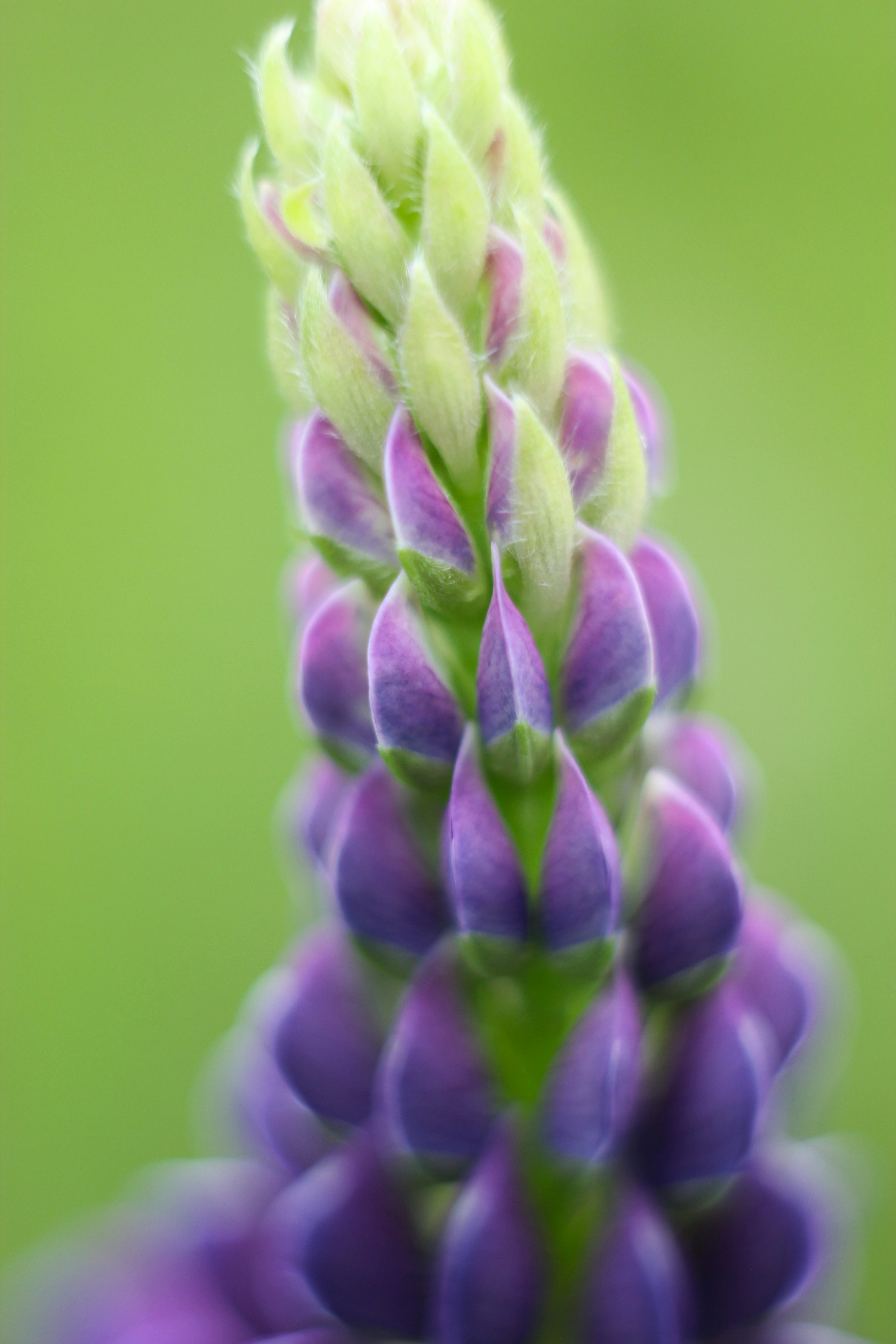
What “half-open” really looks like
- Aim for 40–60% of florets open from the bottom upward. The lowest flowers should be fully open, the midsection in peak color, and the upper third tight but clearly showing pigment (not green).
- Too tight (mostly buds)? They may stall and never fully open. Too far gone (all open, base fading)? Expect faster petal drop.
Best time of day and tools
- Cut in the cool of morning when stems are turgid.
- Use sharp, sanitized snips. A crisp, slanted cut helps water uptake.
- Strip any foliage that would sit below the waterline right away—lupine leaves are beautiful, but they’ll cloud water fast if submerged.
Field handling to prevent bends and shatter
- Wrap spikes loosely in paper sleeves to keep them straight while they hydrate; tall spires can curve with gravity and light if left bare.
- Stand stems upright in deep, clean, cool water (never dunk the florets).
- Keep buckets shaded with good airflow. Avoid jostling—vibration can hasten bud drop in many spire-form inflorescences.
Strip, Sip, and Set: Conditioning That Prevents Flop
Step-by-step conditioning
- Sanitize: Buckets, snips, and hands. Dirty gear = blocked xylem and short vase life.
- Recut: Trim 1–2 cm from each stem at a 45° angle just before hydrating.
- Strip smart: Remove all leaves below the waterline; thin a few side buds if the spike is extremely dense to ease water demand.
- Acidify lightly: Lupines respond well to slightly acidic, low-mineral water. Use a commercial cut-flower conditioner as directed. Many florists note that mild acidifiers (such as citric acid in standard preservative) keep water pathways clear. Avoid heavy sugar doses—lupines tend to dislike syrupy solutions.
- Deep drink: Hydrate upright for 2–4 hours in a cool, dim place. Wrap spikes in paper during this rest to keep them arrow-straight.
- Store cool: If holding overnight, keep hydrated, wrapped, upright, and cool. Recut before design.
Pro tip: The blossoms open from the bottom up, so a proper half-open harvest buys you days of elegant progression in the vase.
Supportive Mechanics: Make Tall Spires Behave
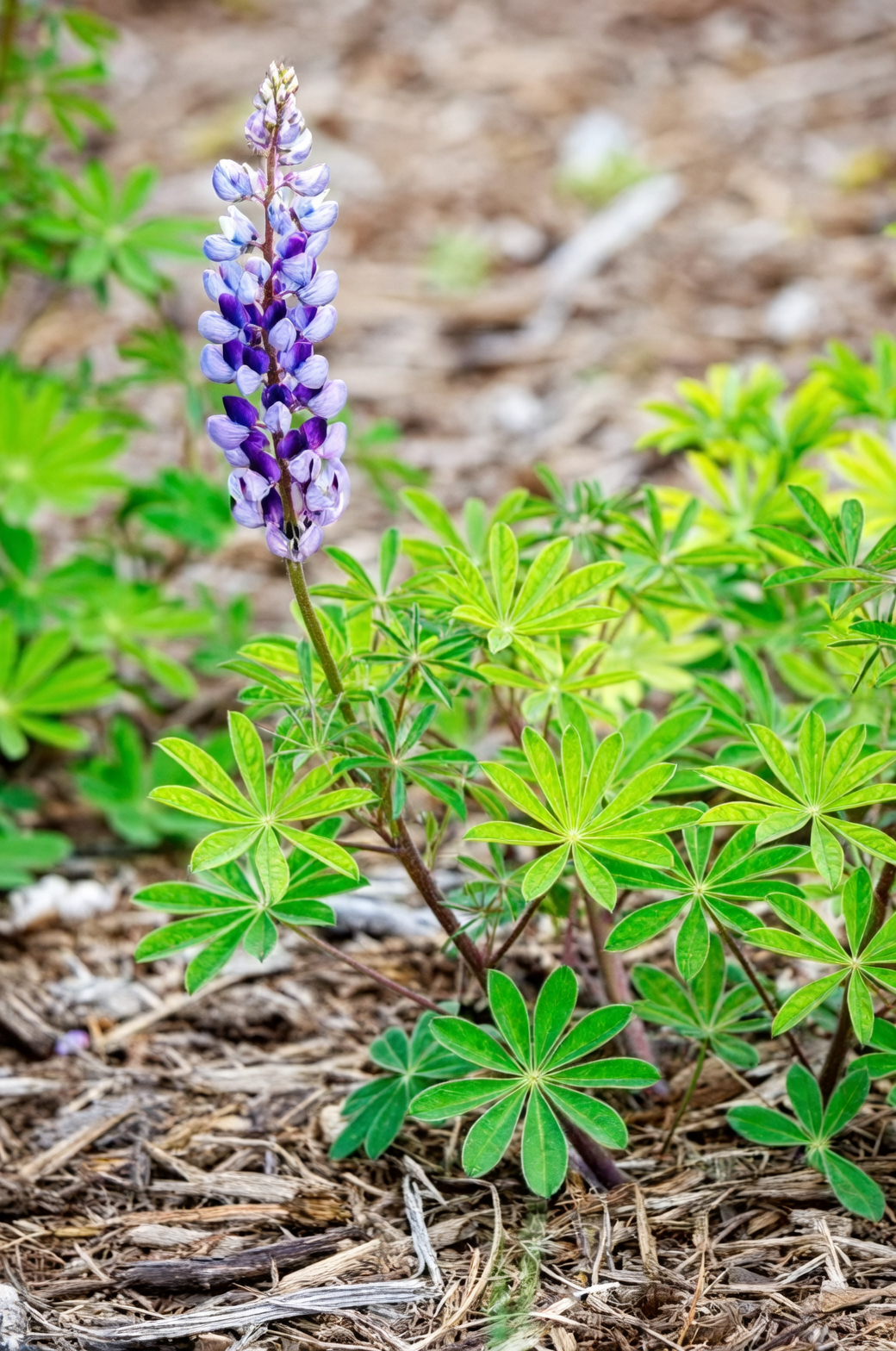
Lupines are statuesque (often 60–120 cm stems, with spikes that can stretch even taller), so give them structure the way an architect braces a tower.
Choose the right vessel
- Tall cylinders or hourglass vases with a slightly narrow neck give instant collar support.
- For footed bowls and compotes, prioritize internal mechanics.
Build a stable interior
- Chicken wire “pillows” anchored with floral tape are excellent—water flow stays high and stems lock in.
- Pin frogs (kenzan) in shallow vessels give pinpoint control and keep stems vertical.
- Tape grids over vase rims work in a pinch; double the center lines for these weighty stems.
Foam caution: Lupines are thirsty. If you must use floral foam, pre-hydrate foam fully and choose a high-flow type—but expect shorter life than in open water. Whenever possible, engineer a water-abundant armature instead.
Insert with intention
- Spiral or triangulate 3–5 spikes to set the silhouette, then weave in supporting stems that act like guy wires (branchy flowering shrubs, willowy foliage).
- Keep the lowest florets clear of the rim; crowding bruises petals and speeds drop.
- Allow negative space around the spires—lupines read more dramatic when they’re not crammed.
Color Pairing Ideas for Drama
Lupine’s palette is famously broad—blues, purples, pinks, reds, whites, and show-stopping bicolors. Leverage those spires as exclamation points in tonal or high-contrast stories.
Ocean + Sunrise
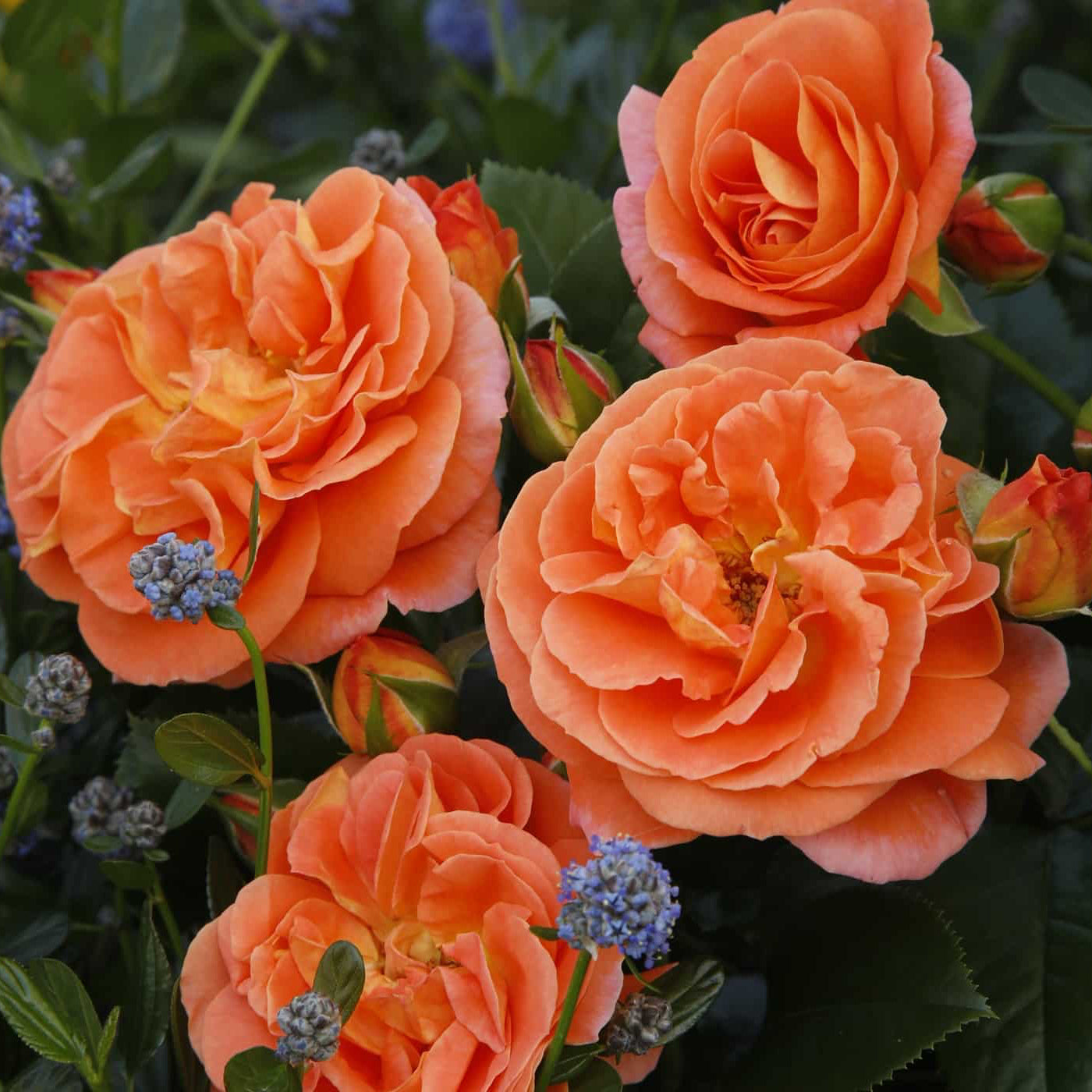
- Blue or violet lupines with coral-peach accents
- Pair with: salmon garden roses, apricot ranunculus, peach stock, and pale blue nigella
- Add a soft sea of airy grass (panicum) for movement
Berry Crush
- Deep magenta/purple lupines with wine and plum notes
- Pair with: burgundy scabiosa, plum astrantia, black-centred anemones, chocolate cosmos
- Foliage: smoke bush (Cotinus) or deep-toned ninebark for moody depth
Porcelain Bright
- White lupines as luminous spires in a cool palette
- Pair with: white foxgloves, dusty blue delphinium, silver eucalyptus, white campanula
- Accent with a single inky element (near-black hellebore or deep plum carnation) to make the whites feel electric
Heatwave Contrast
- Fiery red or bicolor lupines with lime and citrus
- Pair with: chartreuse euphorbia, green trick dianthus, tangerine marigolds or celosia
- Vessel: matte black or smoke glass for a gallery-worthy punch
Cottage Garden Ombre
- Blend pastel lupines from blush to periwinkle
- Pair with: garden peonies, larkspur, sweet peas, and a whisper of Queen Anne’s lace
- Keep the mechanics invisible and let the color gradient lead
Troubleshooting: Keep the Show Going
- Bud shatter or floret drop
- Causes: Overmaturity at harvest, dehydration, heat, rough handling, or very sugary vase solutions.
- Fix: Harvest at 40–60% open; hydrate cool and deep; handle gently; use low- or no-sugar preservatives; refresh water daily.
- Bending/curving stems
- Causes: Phototropism and geotropism during transport/conditioning.
- Fix: Wrap spikes in paper sleeves; store upright; design them quickly after conditioning.
- Cloudy water or funk
- Causes: Submerged foliage, dirty gear.
- Fix: Strip leaves below waterline; use clean buckets; change water and recut every 24–48 hours. A standard floral preservative (mild acidifier + biocide) helps keep water clear.
Hand-Off Care Card for Clients
- Change water daily, recutting stems by 1 cm each time.
- Keep out of direct sun and heat; avoid fruit bowls (ethylene).
- Remove spent florets from the bottom of the spike to keep the look tidy and slow decay.
- Pets and children: Do not ingest—seeds and other parts of garden lupine can be toxic.
Why Lupine Behaves the Way It Does (and How to Use That)
- Bottom-to-top bloom: It’s a built-in reveal—plan compositions so the upper buds have space to open.
- Cool-customer roots: This cool-summer perennial is at its freshest in spring to early summer, which is prime time for long, elegant stems.
- Lean water, not syrup: Lupines tend to prefer clean, slightly acidic water to thick, sugary mixes; that’s why classic low-sugar preservatives or simple acidified solutions perform better for them than heavy-sugar recipes.
A Quick Note on Meaning
Flower lore often casts lupines as emblems of imagination, creativity, happiness, and a kind of generous, nurturing love—perhaps inspired by those abundant, upward-reaching spires. Historically, the name traces to “lupus” (wolf), born of a myth that lupines “robbed” soil; in reality, as legumes they partner with microbes to fix nitrogen. That duality—misunderstood “wolf” yet quiet giver—makes lupine symbolism richer than a simple postcard meaning: resilience, reinvention, and beauty that also nourishes.
—
With half-open harvesting, clean conditioning, and firm mechanics, Lupinus polyphyllus turns from garden icon to studio showstopper. Treat each stem like a small architectural project—upright, supported, and given room to bloom—and those candle-flame spires will reward you with days of unfolding drama.