
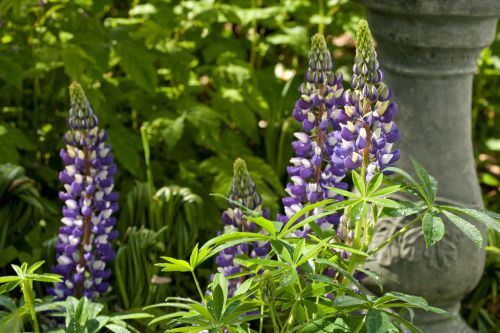
If your lupines suddenly look less like rainbow candelabras and more like a triage ward, take heart. With a quick diagnosis and a few smart, organic moves, most problems can be turned around fast. Here’s your rapid-response playbook for the four big culprits: lupin aphids, powdery mildew, slug damage, and root/crown rot—plus clear checklists for prevention and exactly when to prune or bin affected parts.
Meet the patient: Lupinus polyphyllus at a glance
- Habit: Upright, clump-forming, herbaceous perennial with bold, fan-shaped leaves and tall flower spikes.
- Best performance: Cool-summer conditions; full sun in cool regions, light afternoon shade where summers run hot.
- Soil and water: Evenly moist but well-drained sandy/loam; hates waterlogging. Slightly acidic (pH ~5.5–6.5) suits it well.
- Special note: It’s a legume that fixes nitrogen—so less fertilizer, more flowers. Overfeeding, especially with nitrogen, makes leaves at the expense of blooms.
The 60‑second lupine triage
Scan once from crown to tip:
- Sticky, wilting spikes or leaves with pale, powdery-looking aphids clumped on stems/undersides? Likely lupin aphids.
- White, talc-like dust on leaves and stems, starting in shade or crowded spots? Powdery mildew.
- Ragged, scalloped leaf edges and silvery slime trails—especially on young growth? Slugs/snails.
- Sudden wilt that doesn’t perk up after watering; crown feels soft or smells “mousy”; soil stays wet? Root or crown rot.
Immediate actions
- Isolate what you can: move pots, flag problem clumps.
- Bag-and-bin anything dripping with pests or clearly rotting; do not compost the mushy stuff.
- Sanitize tools between cuts (wipe with 70% alcohol).
- Water only at soil level in the early morning; pause irrigation if soil is wet.
Lupin aphids (Macrosiphum albifrons): fast fix and follow‑through
What you’ll see
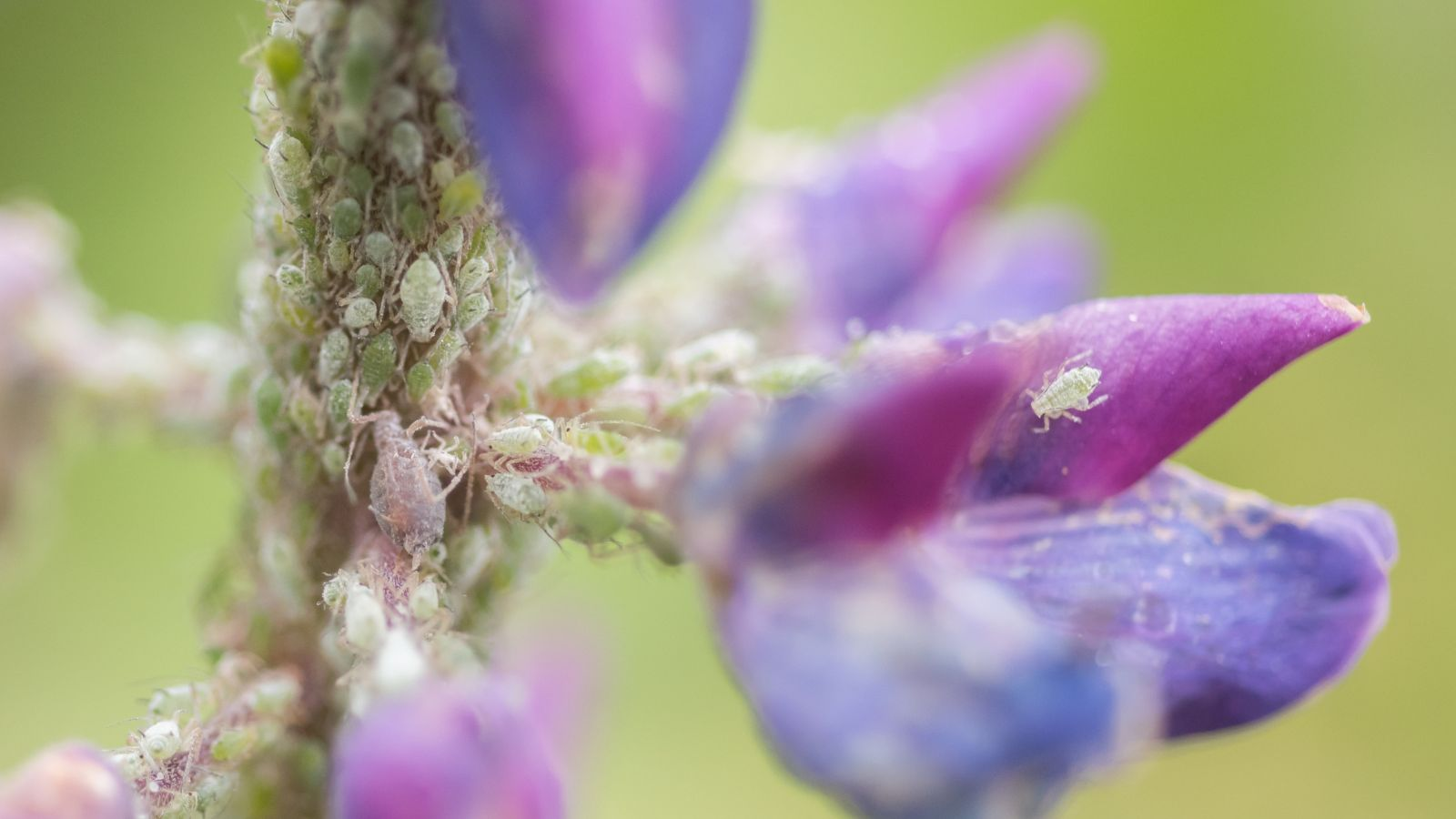
- Large, pale grey-green aphids dusted with white wax on stems, undersides of leaves, and flower spikes.
- Sticky honeydew; ants may farm them.
- Wilting on heavily infested plants—even in cool weather.
Rapid response
1) Blast and drop: Use a firm jet of water to knock colonies off in the cool of morning. Repeat every 2–3 days for a week.
2) Soap or oil: Follow up with insecticidal soap or a light horticultural oil, coating undersides of leaves and stems. Avoid spraying open flowers at midday (bees!); dusk is best.
3) Cut to save energy: If a flower spike is thickly plastered or wilting, cut it off cleanly and bin it. Deadheading also encourages a smaller second flush later.
4) Encourage allies: Ladybirds, hoverflies, lacewings, parasitoid wasps. Avoid broad-spectrum insecticides that suppress these helpers.
Prevention checklist (aphids)
- Weekly watch in spring: check the tender new growth and spikes as they elongate.
- Space for airflow; avoid high-nitrogen feeds that make sappy, aphid-magnet growth.
- Rinse dust off foliage during dry spells (morning, at soil level for routine watering; targeted leaf rinses for cleanliness).
- Grow for resilience: full sun (or light afternoon shade in hot areas), steady—not soggy—moisture, lean soil.
When to prune or bin
- Prune: Remove lightly infested tips and any distorted shoots early.
- Bin: Severely infested, wilting spikes or stems—bag immediately and bin. Sanitize pruners.
Powdery mildew: stop the white dust in its tracks
What you’ll see
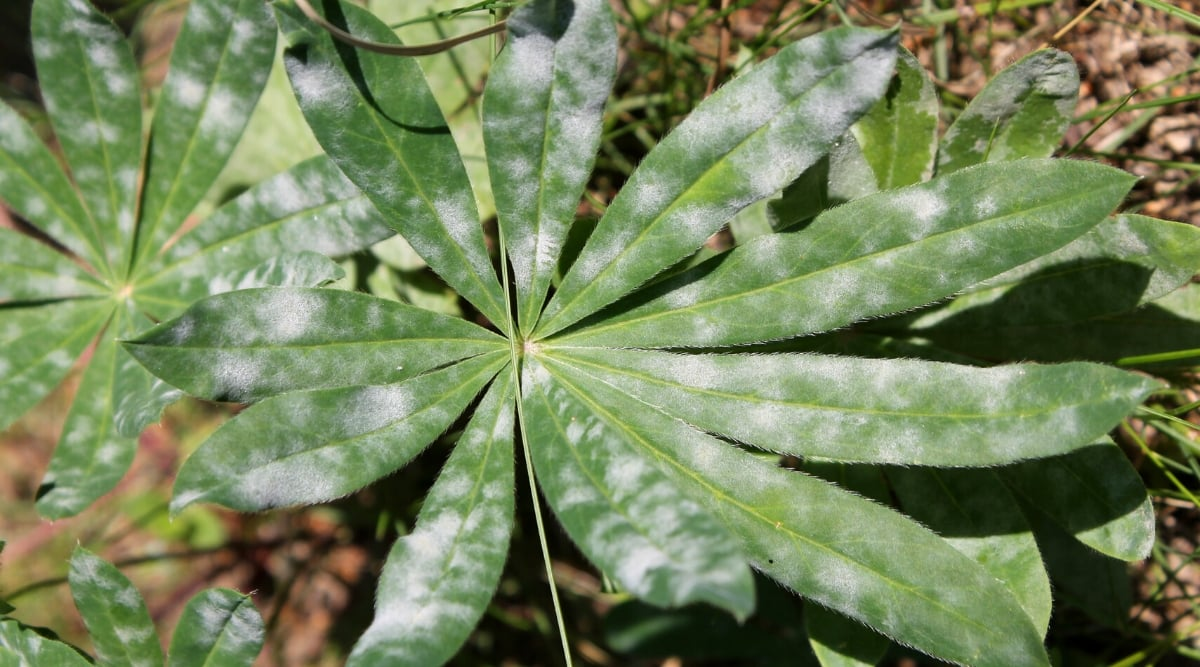
- A fine, white, floury coating on leaves and stems, often starting where air is still or foliage is crowded.
- Leaves may yellow and crisp if ignored.
Rapid response
1) Remove the worst: Snip off heavily coated leaves into a bag. Don’t defoliate the plant—leave healthy foliage to photosynthesize.
2) Improve airflow now: Thin surrounding plants; avoid splashing water on foliage late in the day.
3) Organic sprays: Apply potassium bicarbonate, neem oil, or sulfur (label directions). Coat both sides of leaves; repeat every 7–10 days during outbreaks.
Prevention checklist (mildew)
- Placement: Strong light with free air movement; avoid deep shade.
- Watering: Early morning, at soil level; keep leaves dry.
- Spacing: Give mature clumps 30–60 cm (12–24 in) to breathe.
- Hygiene: Promptly remove and bin badly infected foliage; keep the area weed- and debris‑free.
When to prune or bin
- Prune: Selectively remove infected leaves; deadhead spent spikes to reduce clutter and humidity.
- Bin: If a plant is overwhelmingly covered and defoliating, cut back hard to healthy tissue and bin all affected parts.
Slugs/snails: saving the salad bar that is new lupine growth
What you’ll see
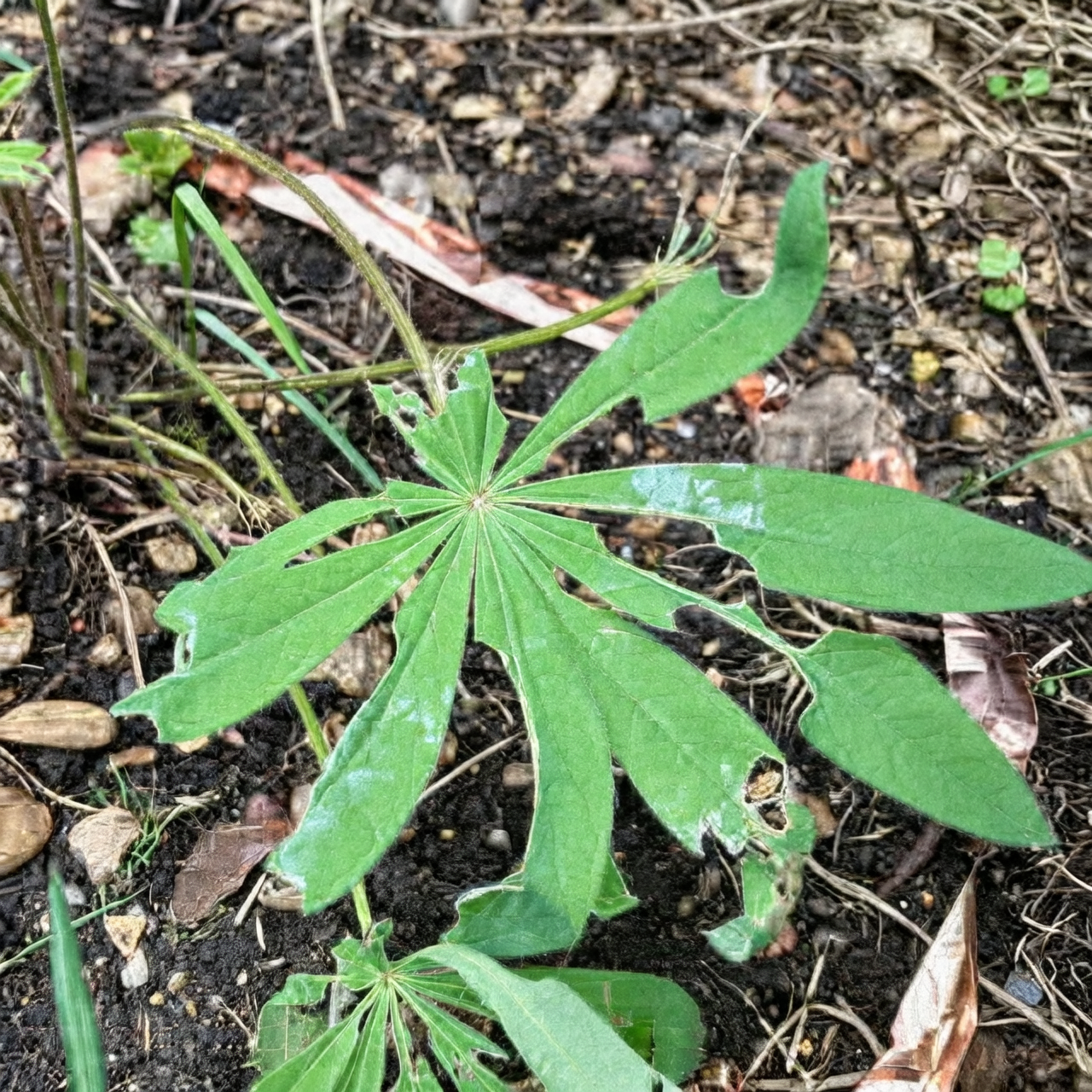
- Chewed, scalloped leaflets; shredded young shoots; slime trails. Worst at night, in spring and after rain.
Rapid response
1) Night patrol: Hand-pick by flashlight and drop into soapy water.
2) Safe baits: Use iron phosphate slug pellets per label, scatter in the evening and refresh after rain.
3) Barriers and traps: Copper tape around pots; inverted grapefruit halves, boards, or wool pellets as deterrents. Clear hiding spots near crowns.
Prevention checklist (slugs)
- Water mornings only; keep soil surface drier by night.
- Lift dense mulches from the crown; use a light, airy mulch that doesn’t mat.
- Encourage predators (ground beetles, birds); avoid practices that remove their habitat entirely.
When to prune or bin
- Prune: Remove tattered, slime-coated leaves that shade the crown or harbor mildew.
- Bin: All slug-slimed debris—don’t leave it on the bed.
Root and crown rot: act fast on sudden wilt
What you’ll see
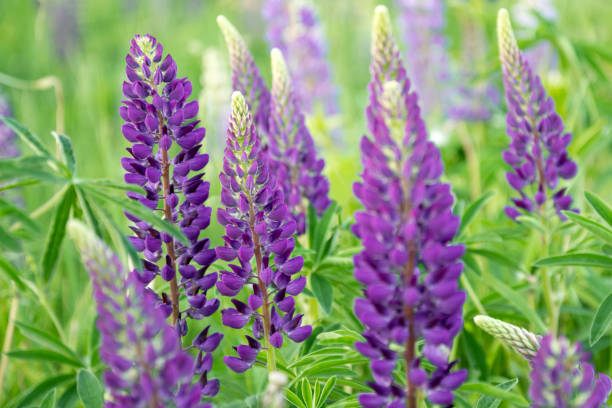
- Sudden, non-recovering wilt despite moist soil.
- Crown feels soft; roots brown/black and mushy. Often follows overwatering or heavy, poorly drained soil.
Rapid response
1) Stop watering; check drainage immediately.
2) Uplift to inspect: If in a pot, slide the plant out. In-ground, gently expose the crown.
3) Salvage if localized: Prune back to firm, white tissue with sterile tools. Replant in fresh, sharply drained, slightly acidic mix or a raised bed. Water sparingly until regrowth.
4) If mushy through-and-through: Bag the entire plant (and any infected potting mix) and bin. Do not compost.
Prevention checklist (rot)
- Soil first: Sandy/loamy, well-drained soil; amend clay with grit and organic matter. Consider raised beds.
- Planting depth: Keep the crown at or slightly above soil level; never bury the crown under mulch.
- Watering: Evenly moist, not soggy. Let the top layer dry slightly between waterings—especially in containers.
- Containers: Use a deep pot for the taproot with free-draining mix and unobstructed drainage holes.
- Location: Full sun in cool climates; afternoon shade in hotter regions to reduce heat stress without trapping humidity.
When to prune or bin
- Prune: Only if you can cut back to clean, firm tissue—and immediately replant into excellent drainage.
- Bin: Any plant with a soft, collapsing crown or pervasive black/brown mush.
Seasonal prevention snapshot
- Early spring (Apr–Jun): Steady moisture; weekly aphid and slug checks; space for airflow; deadhead promptly.
- Summer (Jul–Aug): Reduce heat stress with light afternoon shade where needed; water at soil level; keep nitrogen low.
- Early autumn (Sep): Refresh container mix; divide carefully only if needed—lupines dislike disturbance.
- Winter: Ensure excellent drainage; use a light mulch for cold protection without burying the crown.
Smart pruning that boosts blooms (and reduces problems)
- Deadhead spent spikes promptly to avoid seed set and reduce aphid magnets; this often triggers a smaller second flush.
- At season’s end, cut back yellowed foliage to near ground level to reset disease pressure for next year.
Your organic toolkit
- Hand sprayer with a firm jet
- Insecticidal soap or light horticultural oil (for aphids)
- Potassium bicarbonate or neem oil (for mildew)
- Iron phosphate pellets, copper tape, headlamp (for slugs)
- Isopropyl alcohol and bags for tool sanitation and waste
- Sharp, clean pruners
Safety note
- Ornamental garden lupines are toxic if ingested—especially seeds. Keep clippings and plants away from children, pets, and grazing animals. Wear gloves when handling large amounts of sap or rotting tissue.
Why this swift approach works
Lupines love cool, bright, well-aired conditions and evenly moist, free-draining soil. Each fast move above restores those preferences: removing pest load, drying leaf surfaces, opening air lanes, and protecting the crown from wet feet. Do that consistently and your lupines will repay you with those towering, color-soaked spires that define a cottage garden—plus a tidy second act if you deadhead on time.