
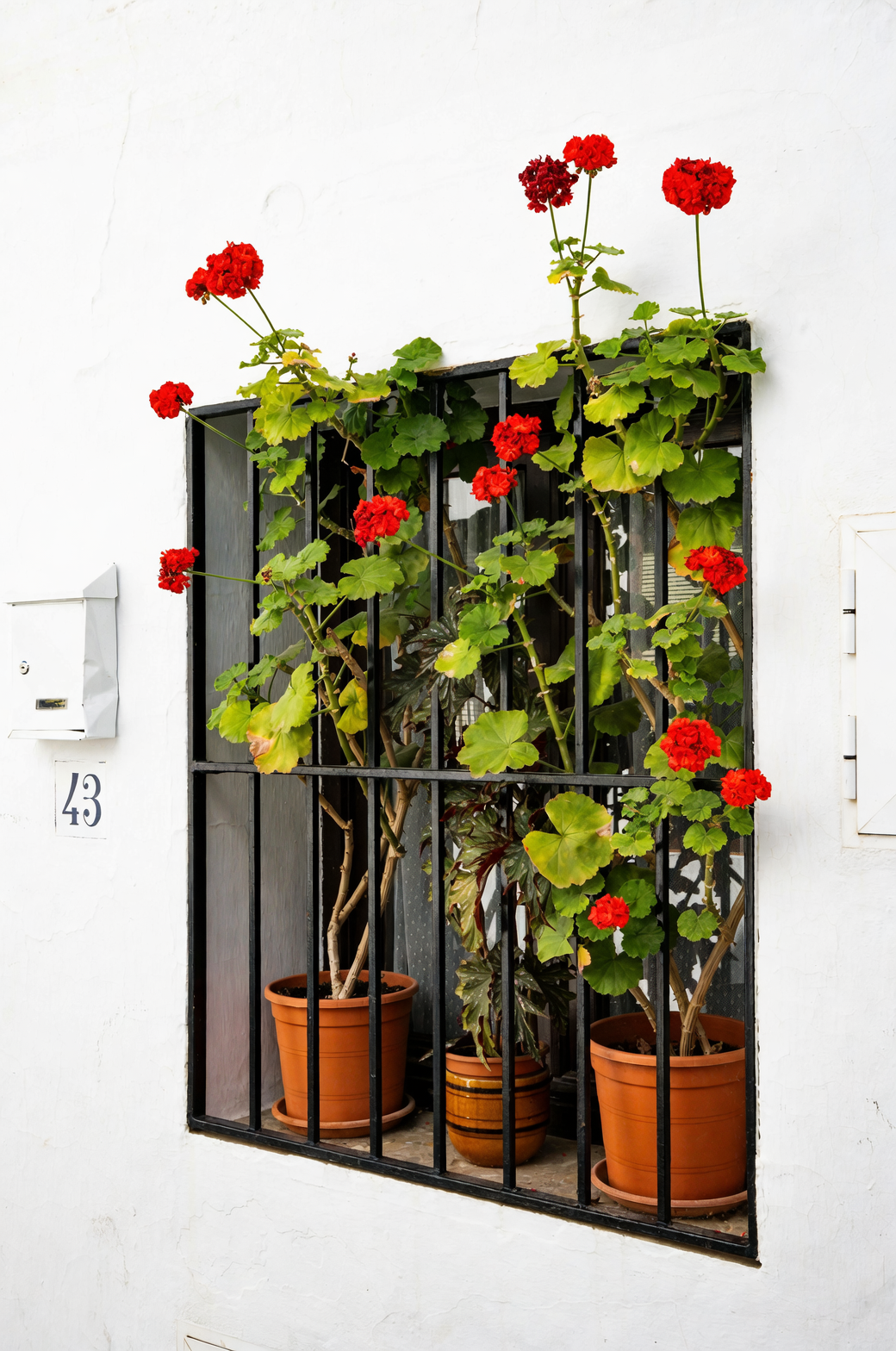
If you love a window box that never seems to stop smiling back at you, Pelargonium × hortorum—the classic zonal geranium—is hard to beat. Its umbels of hot reds, lipstick pinks, coral-oranges, and crisp whites unfurl for months, while the rounded, often banded leaves keep everything looking fresh between flushes. You can have all that color and still be smart about low-to-mild toxicity, pet safety, and sap handling. Here’s a calm, practical way to do both.
Meet the plant behind the “geranium” name
- What it is: Pelargonium × hortorum (family Geraniaceae), the familiar “zonal geranium.”
- Where it hails from: Hybrid roots trace largely to Southern Africa, especially South Africa.
- Habit and size: Compact, bushy, upright-to-mounding, usually 30–60 cm tall and 30–50 cm wide (many pot plants hover around 30 cm). Stems start fleshy and go semi-woody with age.
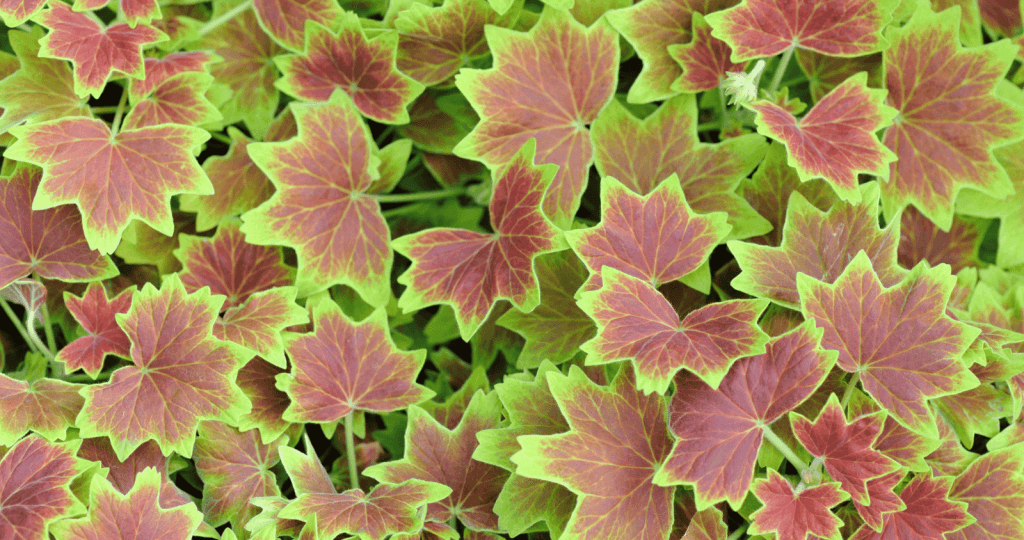
- Foliage: Rounded to kidney-shaped leaves, softly scalloped, often with a darker, circular “zone.” Many cultivars are softly hairy; some release fragrance (rose, lemon, mint, apple-like) when brushed.
- Flowers: Showy, rounded clusters from spring through autumn outdoors—and nearly year-round indoors with very bright light. Single, semi-double, and double forms abound.
Good to know: The “geraniums” in window boxes are Pelargonium, not true geraniums (hardy cranesbills in the genus Geranium). Different plants, different habits.
Low-to-mild toxicity—what that really means
Zonal geraniums are generally low to mildly toxic. That doesn’t mean dangerous drama; it means sensible handling.
- Pets (cats, dogs, and sometimes horses) may experience mild gastrointestinal upset if they chew foliage or flowers. The aromatic compounds geraniol and linalool are present at low levels but can bother sensitive animals.
- Skin contact with the milky sap may irritate sensitive skin in people and pets.
- People: Not considered a food plant. Most folks handle pelargoniums with no issue; if you’re prone to dermatitis, rinse exposed skin and wash hands after pruning or taking cuttings.
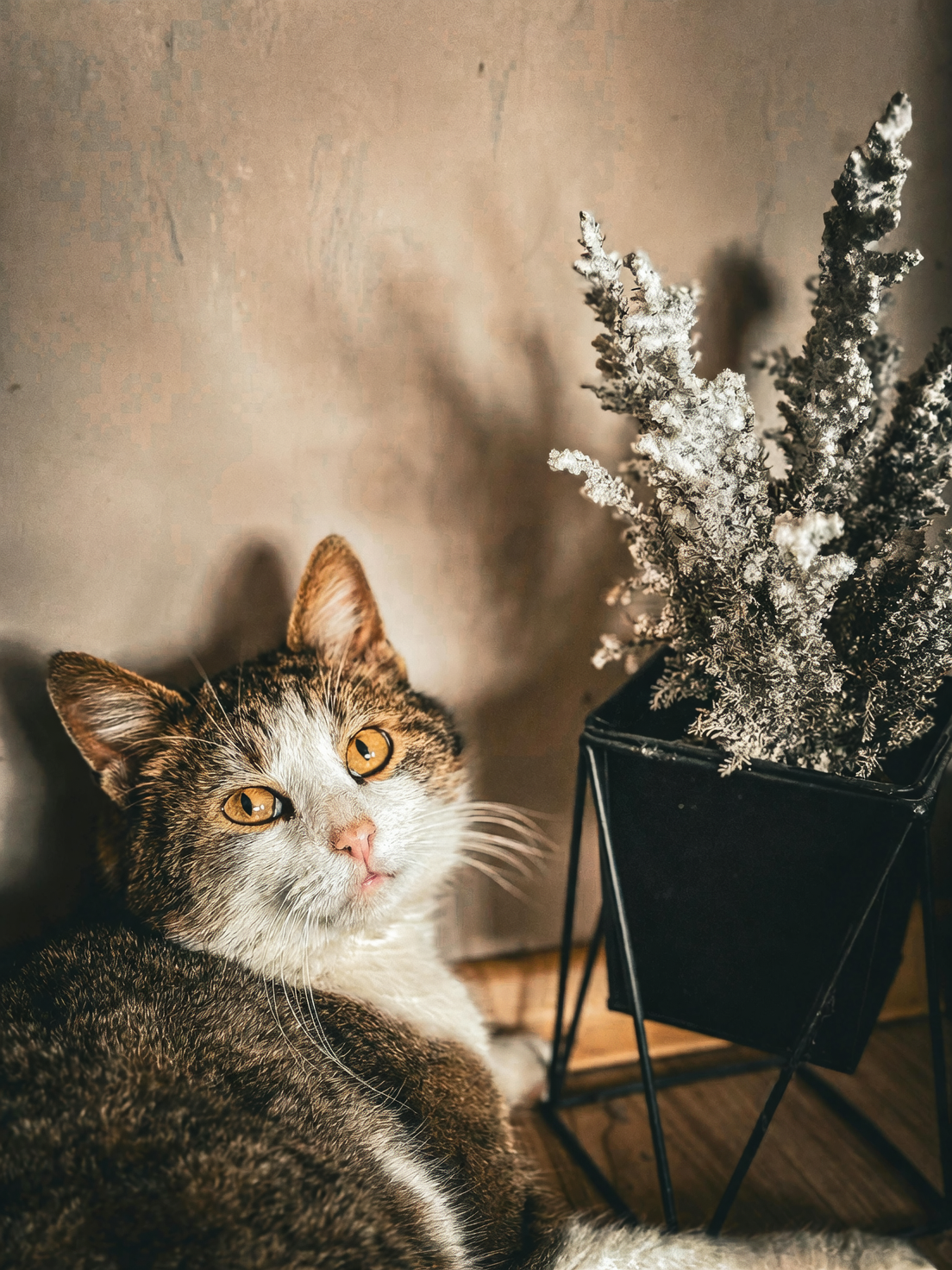
Typical pet symptoms to watch for
- Vomiting
- Drooling
- Reduced appetite
- Lethargy or low mood (“depression”)
- Mild dermatitis or redness where sap touched the skin
What to do:
- Remove any remaining plant material from your pet’s mouth and offer fresh water.
- Wipe sap off fur/skin with a damp cloth; avoid getting it in eyes.
- Call your veterinarian for guidance, especially for small pets, curious puppies/kittens, or horses. Monitor for 24 hours.
Tip: Essential oils concentrate plant compounds—avoid using “geranium oil” on or around pets unless your vet explicitly recommends it.
Place it boldly, place it wisely
You can keep your vibrant display and lower the odds of curious nibbles.
Indoors
- Height and barriers: Park pots on high, sunny sills or shelves that pets can’t reach. Use plant stands with stable, narrow tops; add clear window screens if cats like to perch.
- Distance matters: Keep trailing stems clipped so they don’t dangle into “paw range.”
- Airflow: Bright, airy spots are ideal; good ventilation helps prevent leaf spot and gray mold.
Window boxes and balconies
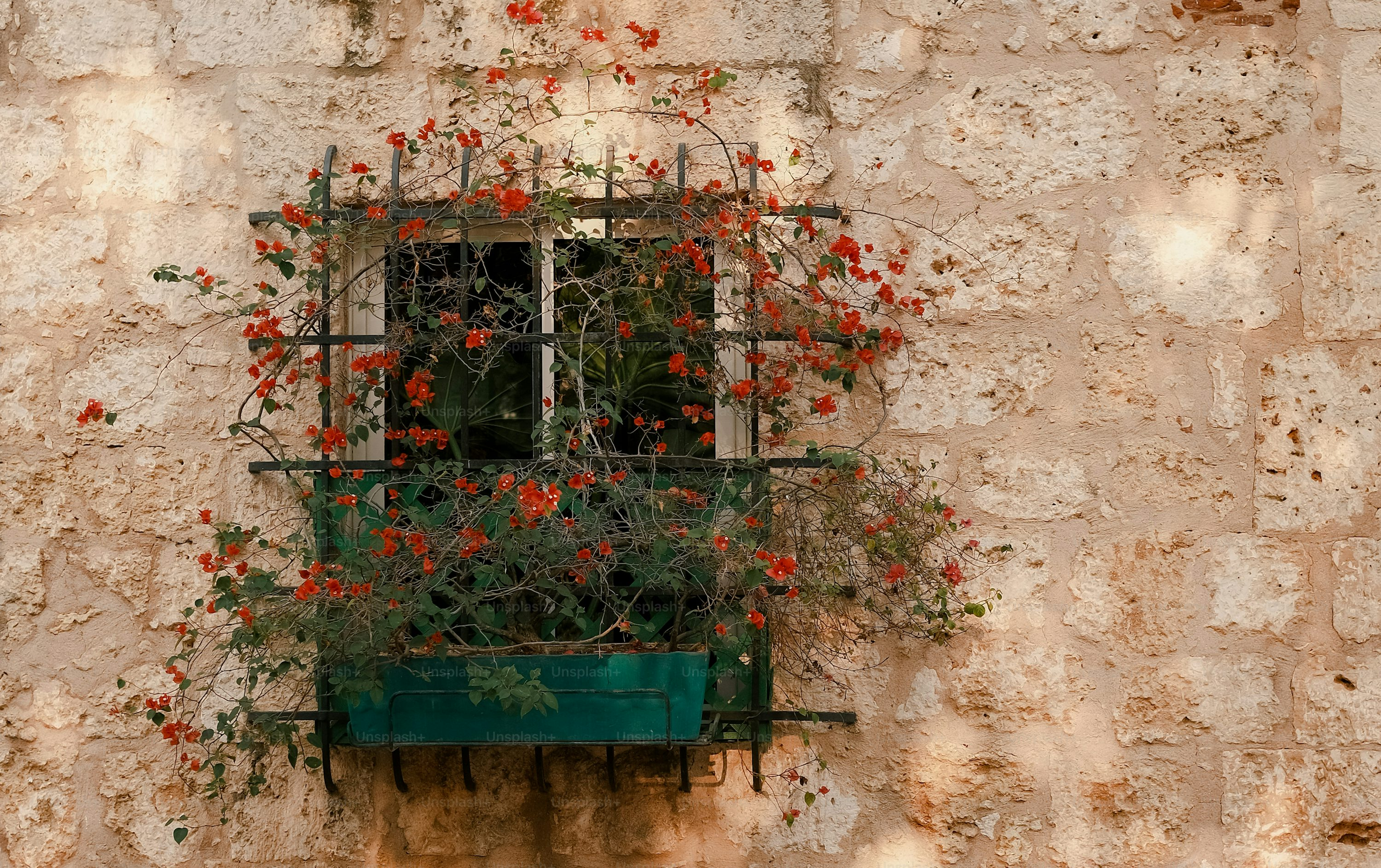
- Sun: Aim for 4–6+ hours of direct sun for best bloom. In heatwaves, shield from harsh midday sun through glass and keep air moving.
- Pet-proofing: If pets access the balcony, use secure rail-box brackets and low front screens; site boxes outside the railing when safe and permitted so curious noses can’t reach.
- Water from the base: Top-wetting knocks petals, invites fungus, and can fling sap if you’re deadheading.
In the garden or patio
- Place where pets don’t linger or dig—near doors and water bowls invites investigation.
- Horse properties: Keep pelargoniums out of paddocks and away from fence lines.
Sap-smart handling (so your skin and eyes stay happy)
- Wear gloves for big pruning sessions or if you’re sensitive; long sleeves help too.
- Deadhead and prune by cutting stems cleanly; avoid rubbing eyes.
- After taking cuttings, let the cut ends dry briefly (callus) before sticking to reduce rot and limit sap transfers.
- Wash hands and tools; launder clothes if sap got on sleeves.
Keep the show going: color without compromise
These are the “three secrets” of pelargonium happiness: strong light, slightly drying soil between waterings, and good airflow.
- Light: Bright light to full sun; 4–6+ hours direct is the bloom sweet spot.
- Water: Drench, then wait until the top 2–3 cm (about 1 inch) of mix is dry. Never leave the pot sitting in a saucer of water.
- Feeding: During active growth, feed every 2–4 weeks with a balanced formula; as buds ramp up, shift to a higher-potassium “bloom” feed to favor flowers over leaves. Go easy on nitrogen.
- Temperature: Best at 10–25°C (50–77°F). Protect from frost; keep above 5°C (41°F) in winter.
- Pruning: Pinch young plants at 12–15 cm to build branching. Deadhead entire spent flower stalks promptly to trigger new clusters. If leggy, cut back by 1/3–1/2 and keep conditions bright and airy.
- Repotting: Refresh yearly or every 1–2 years in an airy, free-draining mix (potting soil + coarse sand/grit/perlite, plus a little composted bark). Don’t oversize the pot; 12–15 cm (5–6 in) is classic for compact plants.
- Overwintering: In cold climates, bring plants indoors before frost. Give the brightest window you have, keep it cool to mild (ideally 10–15°C / 50–59°F), and water sparingly.
Micro-troubleshooters:
- Not blooming? Usually not enough sun, too much nitrogen, or soil kept too wet. Move it brighter, feed bloom-leaning, let the mix dry a bit between waterings, and deadhead.
- Yellowing lower leaves? Often overwatering or a tired, compacted mix; repot into fresh, airy soil and resume steady but not heavy feeding.
A quick note on “true geraniums”
Hardy cranesbills (Geranium species) are different plants from Pelargonium. If your pets are relentless plant nibblers, many gardeners opt for cranesbills in ground-level beds and enjoy zonal pelargoniums in pet-inaccessible window boxes or high planters.
Flower language, thoughtfully considered
Victorian floriography turned plants into a social code, and pelargoniums were often linked with good wishes and friendly regard. Today, zonal geraniums commonly symbolize happiness and companionship—red whispers “you’re on my mind,” pink leans warm and affectionate, white signals sincerity. Treat these meanings as cultural poetry rather than botany: lovely to know, not rules to garden by.
Fast facts to remember
- Low-to-mild toxicity overall; keep out of reach of pets that like to chew.
- Sap may irritate sensitive skin—gloves help, as does washing up after handling.
- Sun-lover that blooms best with 4–6+ hours of direct light and free-draining soil.
- Tender to frost: reliable outdoors year-round in USDA Zones 10–11; Zone 9 with protection.
Grow boldly, place wisely, and you’ll enjoy a window box that hums with color—while your pets, your skin, and your peace of mind stay comfortable.