

If your “geranium” coasts through spring in full color, only to stall out when summer turns sultry, you’ve just met Pelargonium × hortorum’s warm‑weather quirk. Zonal geraniums love sun and lean conditions—but above ~25°C (77°F), especially with wet roots, they often tap the brakes into a semi‑dormant slowdown. The cure isn’t complicated: dial up bright mornings, cool the afternoons, switch to a gritty mix, and blast the air. Here’s how—and why—it works.
Meet the plant: a sun‑lover with a summer speed limit
Zonal geranium (Pelargonium × hortorum) is the classic balcony and windowsill star from southern African ancestry, bred into today’s easy, blooming workhorse.
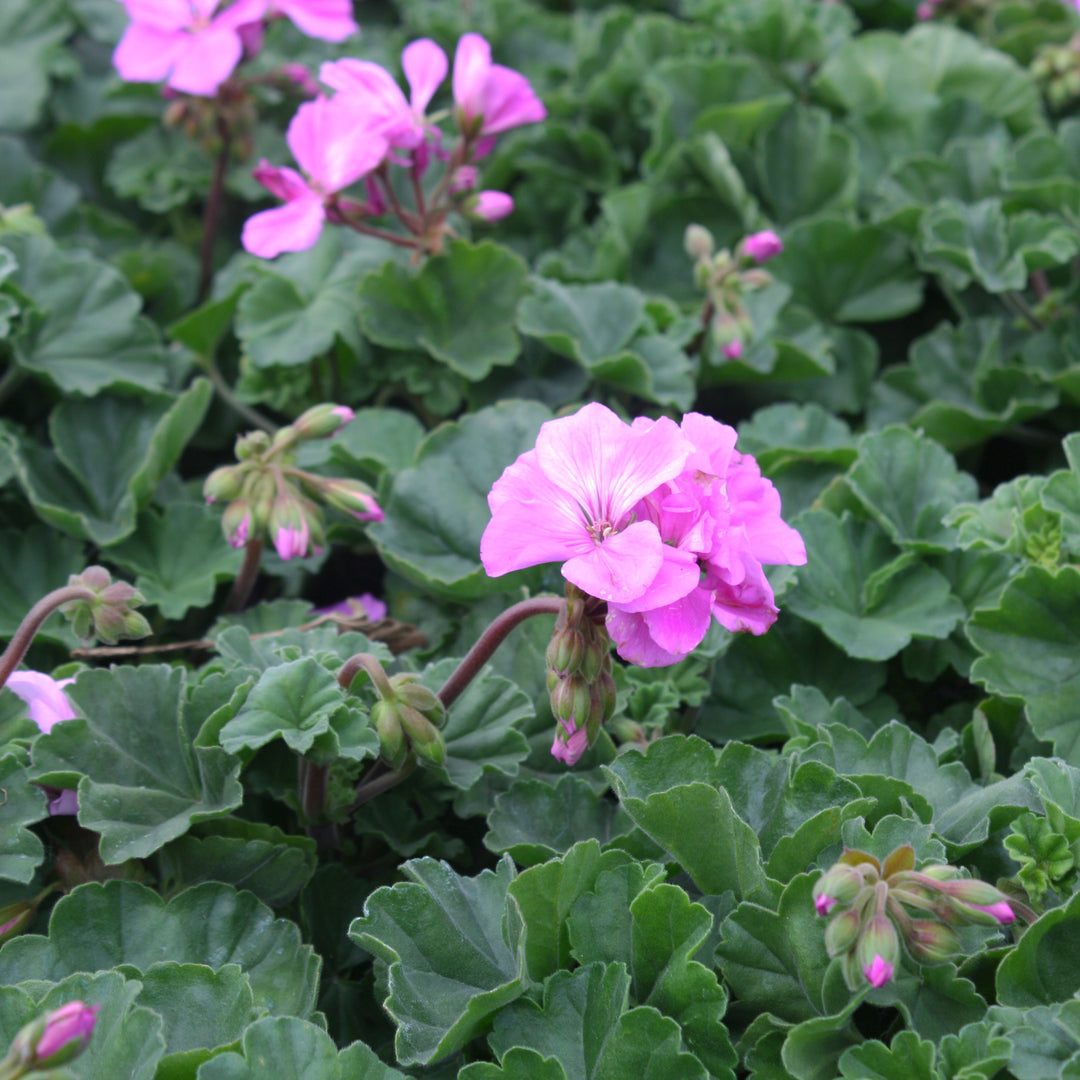
- Look: compact and bushy, 30–60 cm tall, rounded leaves with a darker “zone,” and dome‑shaped flower heads in red, pink, orange‑red, or white (single to double).
- Season: best from spring through autumn; indoors it can flower much of the year with very bright light.
- Light appetite: 4–6+ hours of direct sun for strong flowering; protect from harsh midday rays during heatwaves, especially behind glass.
- Temperament: tender (keep above 5°C/41°F in winter); happiest around 10–25°C (50–77°F). Many growers find 15–20°C (59–68°F) ideal for steady growth and bud set.
Why heat makes zonal geraniums hit pause
The semi‑dormant slowdown above ~25°C
When air temps push past ~25°C (77°F), Pelargonium shifts from “produce” to “preserve.” Bud initiation and stem extension slow, and blooms can shrink or stall. If nights stay warm too, the plant leans harder into survival mode. Cooler ranges around 15–20°C are prime for steady growth, with bud initiation strongest near ~16°C.
Soggy mix is the silent saboteur
Warmth plus wet potting mix starves roots of oxygen. That hypoxic stress:
- Slows nutrient uptake (buds abort, leaves pale).
- Invites root rot (Pythium) and botrytis on flowers.
- Leaves stay limp even though the pot feels heavy.
In other words: hot + wet = halt. Hot + airy/fast‑draining = keep going.
Quick fixes that actually work
1) Brighter mornings
Give intense light early, then back off during peak heat.
- Park plants where they get strong east or southeast sun for 4–6 hours. Morning rays power photosynthesis without broiling the foliage.
- Indoors: an unobstructed east or south window is gold; pull pots 10–20 cm back from glass to reduce leaf scorch.
- Deadhead often so new bloom stalks keep coming under that morning energy.
2) Cooler afternoons
Think siesta rather than exile.
- Provide light, dappled shade from about 11 a.m. to 4 p.m. Use a sheer curtain, balcony rail shade, or 30–40% shade cloth.
- Ventilate hot window bays; crack opposing windows to create a cross‑breeze.
- Choose terra‑cotta over black plastic: clay breathes and keeps root zones cooler. Pale or white cachepots reflect heat.
- Water early in the day so the plant is hydrated for heat—but let the surface dry again by evening.
3) Gritty, fast‑draining soil
Drainage is non‑negotiable.
- Reliable recipe: 50–60% quality potting mix + 20–30% coarse perlite or horticultural grit + 10–20% fine bark/leaf mold. A handful of coarse sand is welcome if your base mix is peaty.
- Pot with generous drainage holes; never park in a water‑filled saucer.
- Water thoroughly, then wait until the top 2–3 cm (about 1 inch) is dry before watering again. In hot spells this may be several times a week; in cooler indoor winters, every 7–10 days is common.
- Don’t overpot. Step up just one size when you repot, and keep stems at the same soil level.
4) Turbo‑charged airflow
Moving air is your disease insurance and heat hack.
- Outdoors: space plants so leaves don’t touch; use natural breezes to your advantage.
- Indoors: run a small oscillating fan on low; aim for leaves to gently flutter. Stagnant, damp air is botrytis country.
- Water at the base (not over blooms/leaves) and remove spent flower heads promptly.
Heat‑season care playbook
- Light and placement
- Aim for 4–6+ hours of direct morning sun.
- Shield from harsh midday beams through glass during heatwaves.
- Watering rhythm
- Thorough soaks with partial dry‑down. If you can still feel cool dampness at 2–3 cm depth, wait.
- Always empty saucers. Limp leaves with a heavy pot = overwatered roots.
- Feeding for flowers
- During active bloom, shift to a high‑potassium “bloom” feed (e.g., tomato fertilizer or around 15‑15‑30) every 2–4 weeks.
- Avoid heavy nitrogen—lush leaves, fewer petals.
- Pruning and grooming
- Pinch tips at 12–15 cm to keep a full, branching shape.
- Deadhead entire spent flower stalks to cue new umbels.
- If stems go leggy, cut back by 1/3–1/2 and keep it bright, airy, and slightly cool while it rebounds.
- Repot and propagate
- Refresh mix every 1–2 years; best windows are March–April or September–October.
- Take 10–15 cm tip cuttings late spring through early fall; most root in ~2–3 weeks in a free‑draining mix at 13–18°C.
- Temperature targets
- Sweet spot: 10–25°C. Above ~25°C, expect a slowdown—lean on airflow, shade, and gritty soil to keep color coming.
- Protect from frost; overwinter bright and cool (10–15°C) with light watering.
Troubleshooting the summer stall
- Lots of leaves, few flowers
- Likely: too little sun, too much nitrogen, or soil kept too wet.
- Fix: brighter mornings, bloom‑leaning feed, and stricter dry‑down between waterings.
- Yellowing lower leaves
- Likely: overwatering or tired/compacted mix; sometimes low fertility.
- Fix: repot into airy medium, improve drainage, resume moderate feeding.
- Bud drop or papery browning blooms
- Likely: botrytis from still, humid air and splashed petals.
- Fix: remove spent heads, water at soil level, add airflow.
- Crispy leaf edges or bleached patches
- Likely: heat/sun scorch through glass or noontime blast.
- Fix: midday shade and a slight pullback from the pane; keep air moving.
- Sticky residue or fluttering pests
- Culprits: aphids, whiteflies; also watch for spider mites and mealybugs.
- Fix: isolate, rinse, use sticky traps; treat early with insecticidal soap or horticultural oil. Outdoors, inspect buds for caterpillars that chew flowers.
Safety notes
Pelargonium foliage and sap can irritate sensitive skin. Ingesting larger amounts may cause mild stomach upset in pets such as cats and dogs. Keep out of nibblers’ reach and wash hands if you’re dermatitis‑prone.
Flower language, names, and a bit of backstory
Zonal geraniums are poster children for botanical mix‑ups: most “geraniums” in pots are Pelargonium, named for the stork‑like beak of the seedpod (“storksbill”). True Geranium are hardy cranesbills. From 17th‑century South African introductions to European gardens came centuries of hybridizing—hence Pelargonium × hortorum.
In Victorian floriography (the old “flower language”), pelargoniums signaled cheerful wishes and warm friendship. Today, red often reads as “you’re on my mind,” pink as companionship, and white as sincerity. It’s a cultural tradition rather than botany—but it fits the plant’s generous, house‑brightening character.
Fast facts for growers
- Sun: bright light to full sun; best bloom with 4–6+ hours direct.
- Temperature: thrives at 10–25°C; protect from frost; prolonged heat with wet soil triggers slowdown.
- Humidity: low to moderate with good airflow.
- Soil: free‑draining, gritty, fertile; drainage is essential.
- Habit and size: compact, bushy, typically 30–60 cm tall and 30–50 cm wide.
- Bloom window: spring through autumn outdoors; near‑year‑round indoors with very bright light.
Bottom line: Treat Pelargonium × hortorum like a sun‑loving sprinter—feed it crisp morning light, keep its shoes (roots) dry and well‑ventilated, and let it cool off in the afternoon shade. Do that, and color returns from “pause” to “play” even when summer turns up the heat.