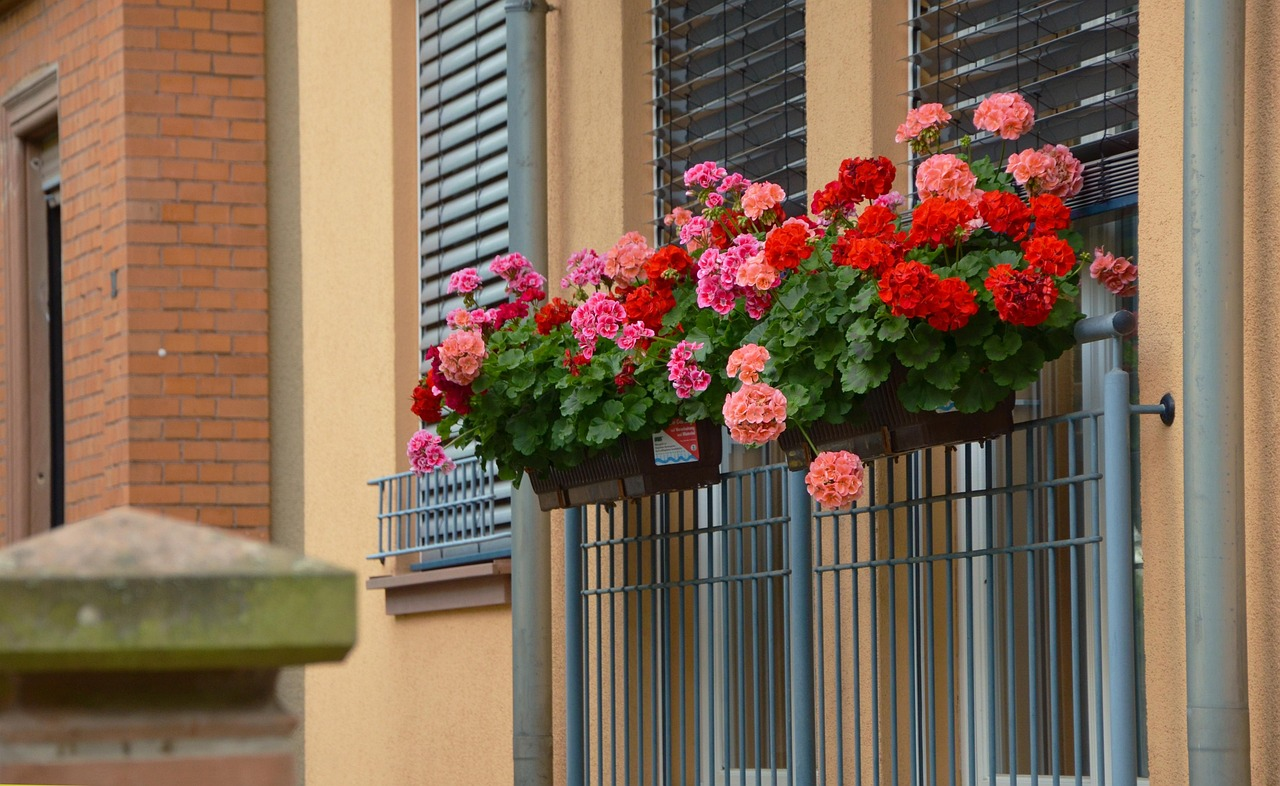
If you love the look of sun-fired color but dread fussy watering and floppy, shade-casting combos, meet the perfect headliner: Pelargonium × hortorum, the classic zonal geranium. With its rounded, often banded leaves and buoyant umbels of red, pink, salmon, or white, this South African charmer is built for bright balconies, hot patios, and windows that pour in light. The trick to summer-long beauty—especially in heatwaves—is pairing it with plants that match its sun habit and modest thirst, and designing your container so air flows, soil drains, and blooms overlap from spring into fall.
Here’s how to build containers that stay crisp, colorful, and cool even when the mercury climbs.
Meet the star: zonal geranium, the bright bloomer that stays tidy
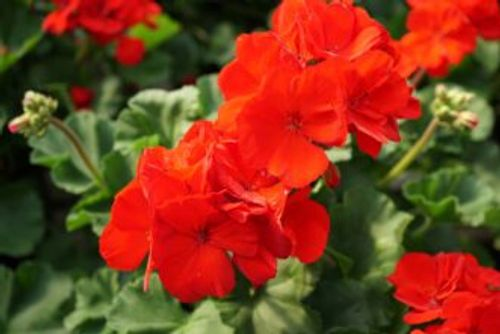
- Name: Pelargonium × hortorum (zonal geranium; not frost hardy)
- Habit: Compact, bushy, upright-to-mounding; 30–60 cm tall and 30–50 cm wide; thick, semi-fleshy stems that become semi-woody with age
- Leaves: Rounded to kidney-shaped with a darker “zone” band; many cultivars softly hairy; some scented when brushed
- Flowers: Rounded clusters in vivid reds, pinks, orange-reds, whites; single to double forms
- Light and season: Best with 4–6+ hours of direct sun; peak blooms spring and fall outdoors; strong indoor performance with very bright light
- Watering style: Thorough soak, then let the top 2–3 cm of mix dry before the next drink—never soggy roots
- Heat note: In prolonged heat above ~25°C (77°F), growth can pause—keep roots airy, lighten watering, and protect from harsh midday sun through glass
Design principles for sun-loving partners that won’t hog water or shade
- Match the thirst: Choose companions that like bright sun and can tolerate slight drying between waterings. Avoid known “drinkers” that wilt daily in heat.
- Mind the silhouettes: Combine upright “spikes,” mounded geraniums, and a few airy trailers. Skip broad-leaved brutes that smother airflow or cast heavy shade.
- Stagger the calendar: Zonal geraniums can slow in peak heat; backfill the midsummer show with ironclad heat bloomers so the container never blinks.
- Keep air moving: Space plants so foliage doesn’t mat together. Good ventilation prevents gray mold on spent blooms and keeps leaves spotless.
- Drainage is non-negotiable: A free-draining, gritty, fertile mix keeps roots oxygenated through heatwaves and rain bursts.
- Sun with sense: Aim for morning sun and late-day light; during extreme heat, provide brief midday respite and maximize ventilation.
Heatwave-proof container recipes
Pot sizes assume rich but gritty mix and full sun with airflow. Adjust plant counts to your pot’s diameter.
1) Heatwave Hero (reds and silver, crisp and cool)
- Pot: 35–40 cm diameter (14–16 in), with drainage holes and pot feet
- Center: 1 zonal geranium (intense red or salmon)
- Upright “thriller”: 1 Angelonia (summer snapdragon), any compact purple/white
- Airy filler: 1–2 Euphorbia ‘Diamond Frost’ (clouds of tiny white; extremely heat/drought tolerant)
- Spillers: 1 Dichondra ‘Silver Falls’ + 1 Sedum ‘Lemon Coral’ (texture and reflective foliage)
Why it works: All love sun, shrug at heat, sip rather than chug water, and the open textures keep airflow high.
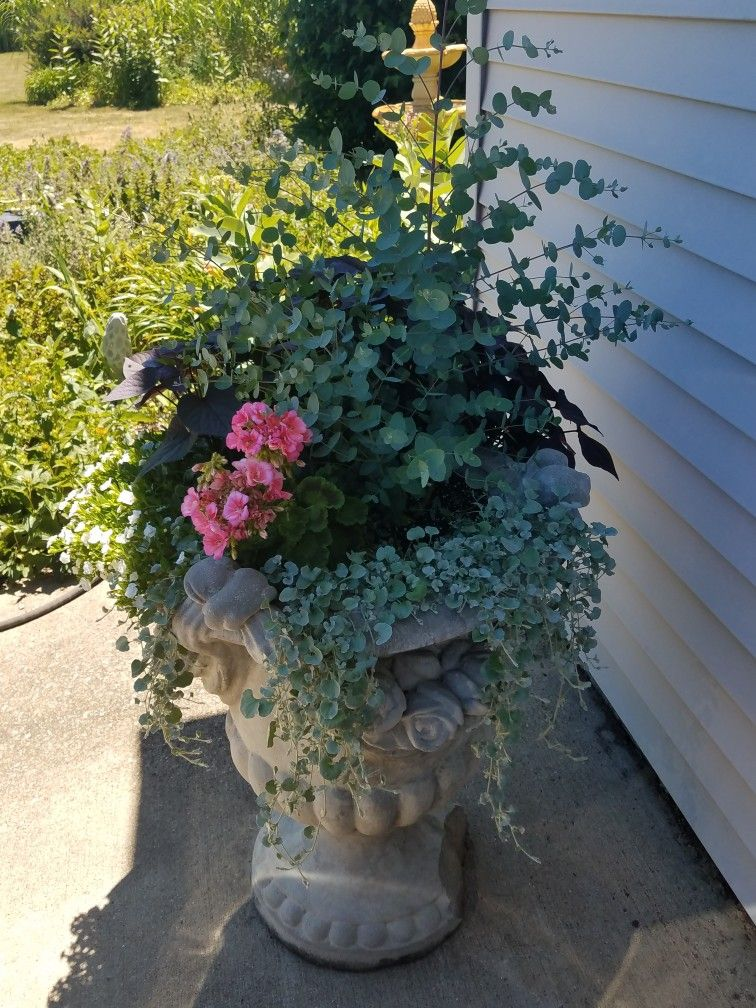
2) Sunset Citrus (salmon-pink blooms with spice and spark)
- Pot: 35 cm (14 in)
- Center: 1 zonal geranium (salmon or coral)
- Companion mounds: 2 dwarf Lantana (choose compact/trailing series in gold/orange)
- Herbal edge: 2 creeping Thymes (e.g., ‘Silver Posie’) to knit the rim
Why it works: Lantana and thyme adore heat and light; their compact habits won’t steal sunlight or demand extra water.
3) Moonlight Chill (white on white that never wilts)
- Pot: 30–35 cm (12–14 in)
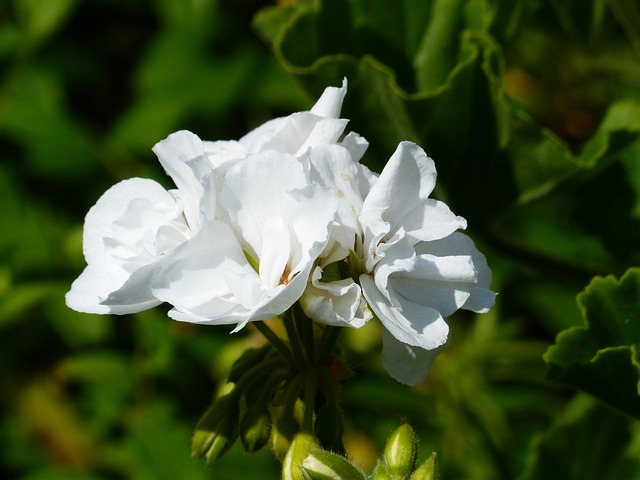
- Center: 1 white zonal geranium
- Trailers: 2 Scaevola (fan-flowers) in white or lilac
- Air lace: 1 Euphorbia ‘Diamond Frost’
- Accent: 1 blue fescue (Festuca glauca) for fine, upright blades
Why it works: Reflective whites stay fresh in heat; scaevola and euphorbia keep blooming when geraniums pause.
4) Pollinator Patio (pink pops and hummingbird fuel)
- Pot: 40 cm (16 in)
- Center: 1–2 zonal geraniums (pink)
- Upright accent: 1 Cuphea ‘Vermillionaire’ (cuphea thrives in heat; tubular flowers)
- Beadwork blooms: 2 Gomphrena (compact varieties)
- Soft spill: 1 Ornamental oregano (Origanum ‘Kent Beauty’) for drought-tolerant drape
Why it works: Continuous summer color from cuphea and gomphrena, all in a low-water, sun-savoring cast.
5) Mediterranean Breeze (silvery, scented, and stoic)
- Pot: 35–40 cm (14–16 in), gritty mix
- Center: 1 zonal geranium (deep rose)
- Upright silver: 1 compact lavender (choose a dwarf)
- Spill/edge: 2–3 trailing Sedums or Santolina ‘Lemon Fizz’
Why it works: Aromatic, reflective foliage and lean-water instincts. Keep the mix very free-draining and let it dry slightly between waterings.
Tip: If you love calibrachoa or bacopa, use them in a separate, moisture-retentive pot nearby. They can be thirstier and defeat the “won’t hog water” goal in a shared container.
The perfect potting setup for summer survival
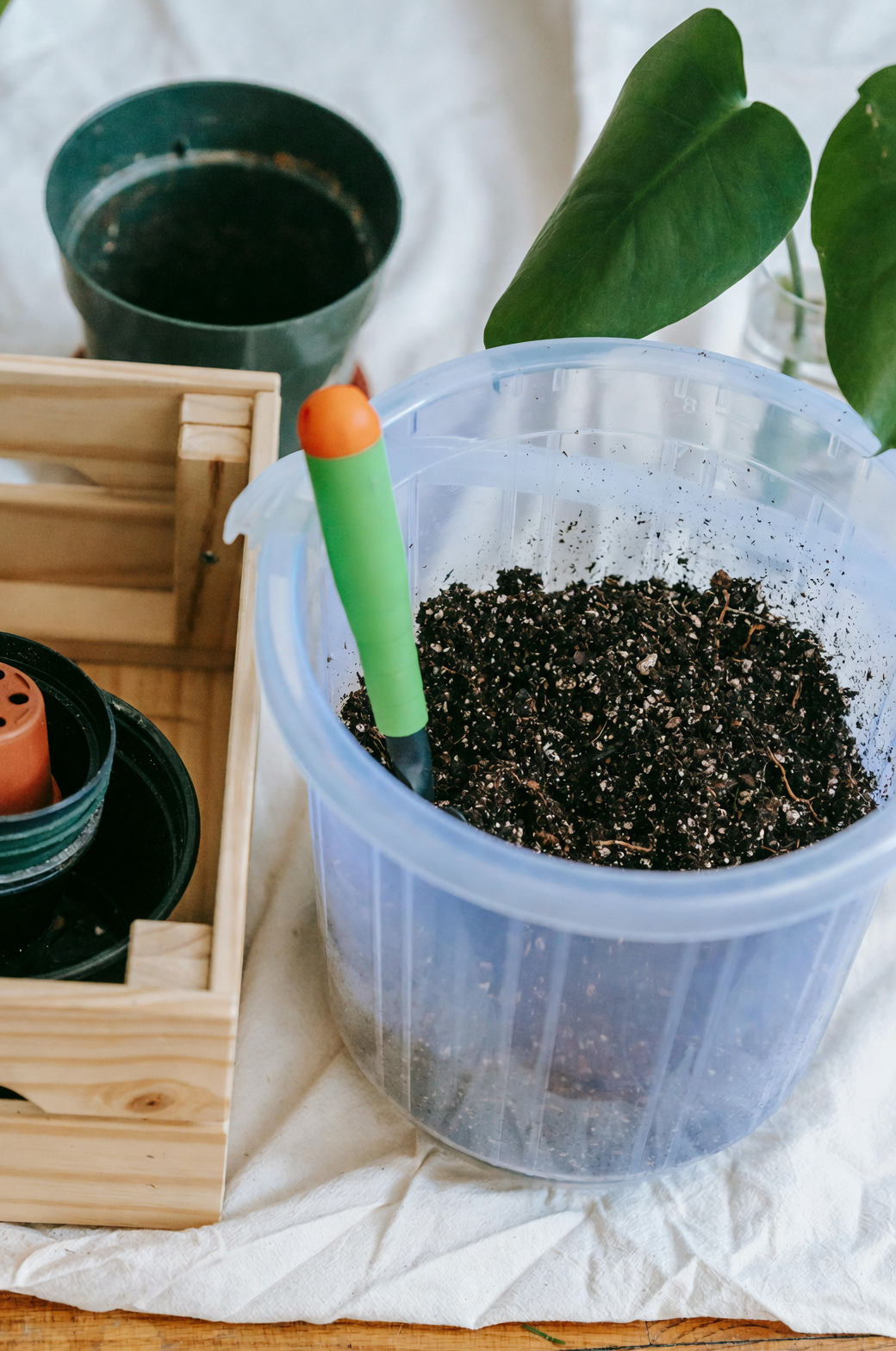
- Choose the right pot:
- Size: A single zonal geranium thrives in 12–15 cm (5–6 in) pots; combo planters often start at 30–40 cm (12–16 in).
- Material: Unglazed terracotta “breathes” and cools the root zone; light-colored containers reflect heat.
- Elevate: Use pot feet for airflow and fast draining.
- Build a free-draining mix:
- 2 parts all-purpose potting mix
- 1 part coarse perlite or pumice
- 1/2–1 part fine bark or leaf mold
- Optional: a handful of coarse sand or grit for extra porosity
- Do not add rocks to the bottom—that reduces drainage by creating a perched water table.
- Top-dress smartly:
- A thin layer of horticultural grit keeps crowns clean, reduces splash, and reflects heat away from the soil surface.
Watering and feeding rhythms (so roots stay happy and cool)
- Watering:
- Soak thoroughly, then wait until the top 2–3 cm (about 1 in) is dry before watering again.
- In active growth, this is often weekly; in hot spells, 2–3 times per week depending on pot size and exposure.
- Water mornings at the base, avoid wetting leaves/flowers, and always empty saucers.
- Heat tip: If growth stalls in sustained heat, water slightly less often and never keep the mix wet—warm, soggy soil drives root rot.
- Feeding:
- Feed every 2 weeks during active growth with a balanced fertilizer.
- As buds form and flowering ramps up, shift to a bloom-leaning, higher-potassium feed (e.g., tomato fertilizer or ~15-15-30).
- Avoid overdoing nitrogen—lush leaves, fewer blooms. Ease off feeding in late fall/winter or during heat-stress pauses.
Pruning, pinching, and spacing for nonstop color and airflow
- Pinch once plants reach 12–15 cm tall to encourage branching and a fuller dome.
- Deadhead whole flower stems promptly—snap or cut them out at the base to speed repeat blooms.
- If leggy, cut back by one-third to one-half and keep conditions bright and airy while they rebound.
- Space with intention: Leave a palm’s width of breathing room around each main plant in combos. Stake any taller partner lightly so it doesn’t lean over the geranium and shade it.
Heatwave playbook: fast fixes and prevention
- Bud drop or bloom pause? Common in prolonged heat. Offer brief midday protection, keep air moving, and avoid waterlogged soil. Flowers roar back as nights cool.
- Yellow lower leaves? Often overwatering or tired, compacted mix. Refresh the potting medium yearly and let it dry slightly between drinks.
- Disease watch:
- Still air + wet mix = gray mold (botrytis), rust, or bacterial spots.
- Prevention: Sun, ventilation, base-watering, and fast deadheading. Remove any spotted leaves promptly.
- Pests to catch early: Aphids, whiteflies, spider mites, mealybugs, and occasional budworms.
- Response: Isolate, rinse, use yellow sticky cards, then apply insecticidal soap or horticultural oil as needed.
Placement through the seasons
- Spring: Prime bloom time; full sun with cool nights is magic.
- Summer: Bright light to full sun with ventilation; in scorching periods, shelter from harsh midday rays (especially through glass) and keep the mix airy.
- Fall: Another bloom flush—some of the best color of the year.
- Winter: Tender outdoors except in very mild climates (reliably year-round only in USDA Zones 10–11). Indoors, give maximum light and keep above 5°C (41°F), ideally 10–15°C (50–59°F), watering lightly.
Overwintering and the “backup plant” trick
- Before frost: Bring plants in, trim lightly, and place in the brightest, airiest window you have.
- Water sparingly: Keep the mix almost dry, not bone-dry for long.
- Take cuttings: Snip 10–15 cm non-flowering tips late summer to early fall. Root in a free-draining mix; many cuttings root in 2–3 weeks. It’s the easiest insurance policy for next spring.
Safety note
Zonal geraniums are generally low to mildly toxic. Chewing leaves can cause mild stomach upset in pets, and sap may irritate sensitive skin. Keep out of pets’ reach and wash up after pruning if you’re prone to dermatitis.
A quick word on flower language
In Victorian floriography, pelargoniums often signaled cheerful goodwill and friendship—lovely sentiments to send from a sunny windowsill. Red reads as “you’re on my mind,” pink as warm companionship, and white as sincerity. Take it as garden poetry rather than strict code, and let your color choices broadcast the mood you want on the patio.
Cheat sheet: what pairs best (and why)
- Best sun-and-heat partners that won’t hog water or shade:
- Angelonia, Gomphrena, Scaevola, Euphorbia ‘Diamond Frost’, dwarf Lantana, Dichondra ‘Silver Falls’, trailing Sedums, creeping Thyme, ornamental Oregano, compact blue fescue
- Use with care (often thirstier or shade-casting in heat):
- Bacopa, New Guinea impatiens, shade-leaning coleus, moisture-loving calibrachoa
Blend textures, keep the air moving, match the watering rhythm, and your Pelargonium × hortorum will hold court from spring’s first warm days through fall’s encore—even when summer turns up the heat.