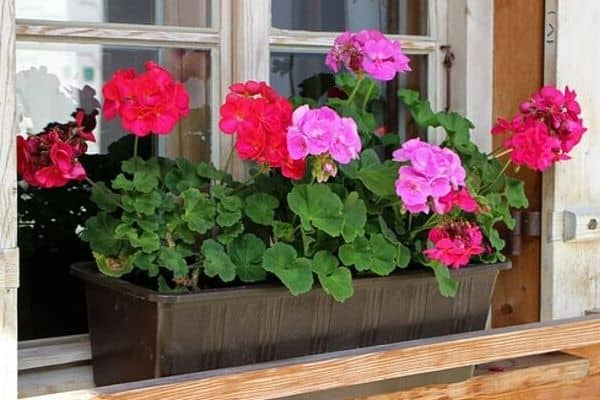
If you’ve ever passed a bright windowbox overflowing with red, pink, and white “geraniums,” you’ve already met one of the world’s most talkative plants. Those cheerful, umbrella-like flower clusters and banded, round leaves don’t just color a sill—they carry messages that began in Victorian parlors and later took on new shades in East Asian 花语 (flower-language) traditions. Here’s how Pelargonium × hortorum—better known as the Zonal Geranium—came to speak in color, and how to choose the right hue for heartfelt gifting and décor.
Meet the flower behind the name
Commonly called “geranium,” the classic balcony plant is, botanically, a pelargonium: Pelargonium × hortorum, a hybrid lineage rooted in southern Africa (especially South Africa). It forms a compact, bushy mound with succulent-leaning stems and rounded leaves often stamped with a darker “zone”—the leaf’s signature ring. From spring through autumn (and almost year-round in bright indoor light), it sends up rounded heads of blooms in vivid reds, pinks, and whites, in single to double forms.
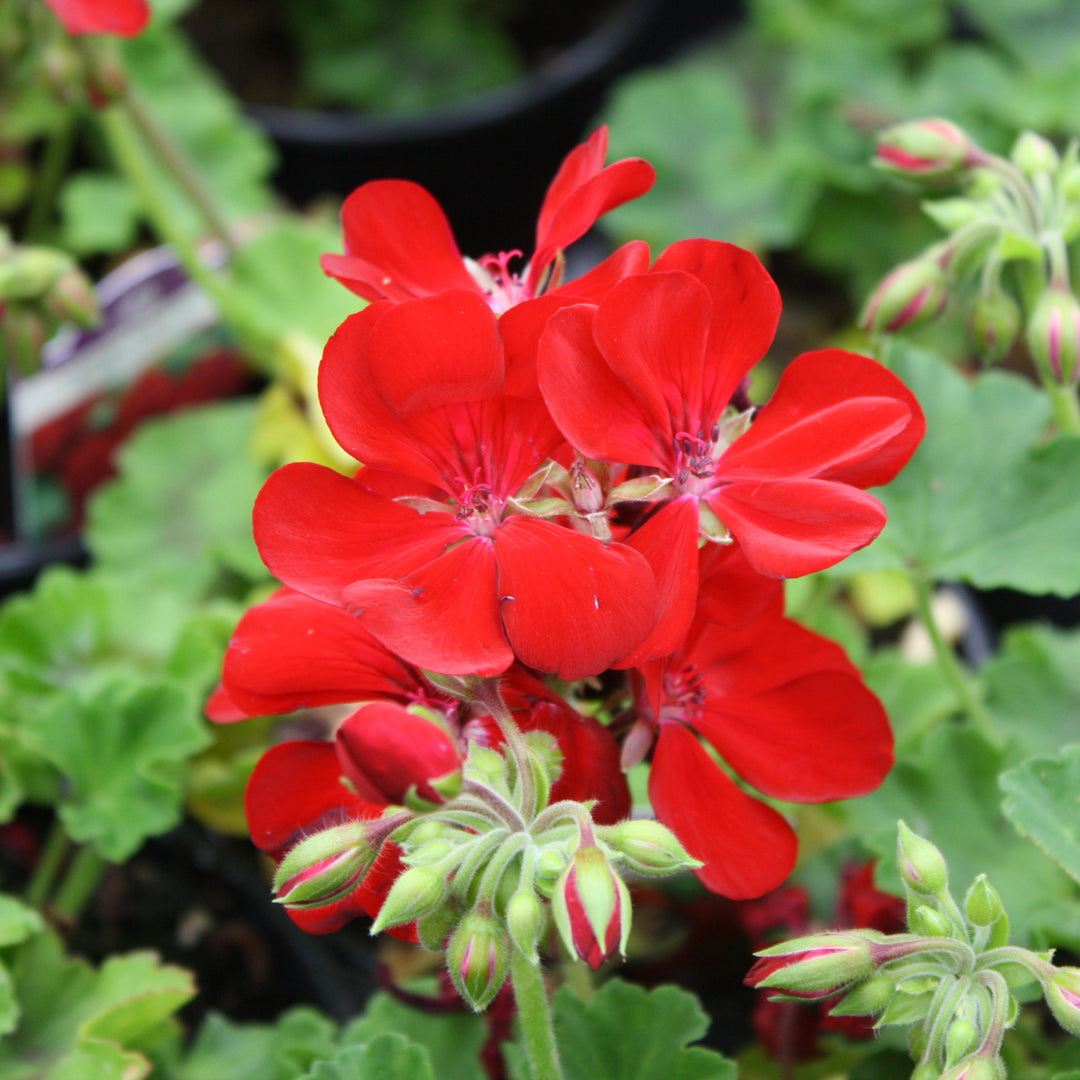
Why did it become a windowsill staple worldwide?
- It thrives in bright light and tolerates a touch of drought—so long as its mix drains well.
- It blooms generously, responds well to pinching and deadheading, and is easy to share by cuttings.
- It looks instantly “at home,” which is exactly where its flower language began.
How the geranium learned to speak: Victorian floriography
In 19th‑century Europe, a boom in plant collecting met an even bigger craze: speaking in blossoms. People traded sentiments via bouquets decoded with pocket dictionaries. The “geranium” (our Pelargonium) was read as a house-friendly emblem of cheer and good wishes—something you placed on a sunny sill to welcome light and company. Its steady flowering and tidy habit mirrored domestic harmony, friendship, and the hope of “good things ahead.”
Floriography was famously inconsistent, and some lists even gave certain geraniums a contrary twist (such as “folly”). But over time, everyday use settled on warmer meanings. If you wanted to say “you’re on my mind,” brighten a friend’s recovery, or send simple, sincere care, you reached for a potted geranium.
Crossing oceans: geraniums in East Asian 花语
By the late 19th and early 20th centuries, the language of flowers traveled with books, trade, and garden fashion—absorbed into Japanese hanakotoba and, later, widely popularized across Chinese-speaking regions and beyond as 花语. There, the pelargonium’s message largely harmonized with its European voice:
- Happiness and optimism
- Friendship and companionship
- Sincere, down-to-earth well‑wishing
What changed most wasn’t the base meaning but the color overlays, tuned to local symbolism. In East Asia, red leans auspicious and celebratory; pink is warmly affectionate; white reads as pure and earnest (yet, depending on region and context, can feel subdued or even formal).
Decoding color meanings (and how to use them)
Red: you’re on my mind, celebrated out loud
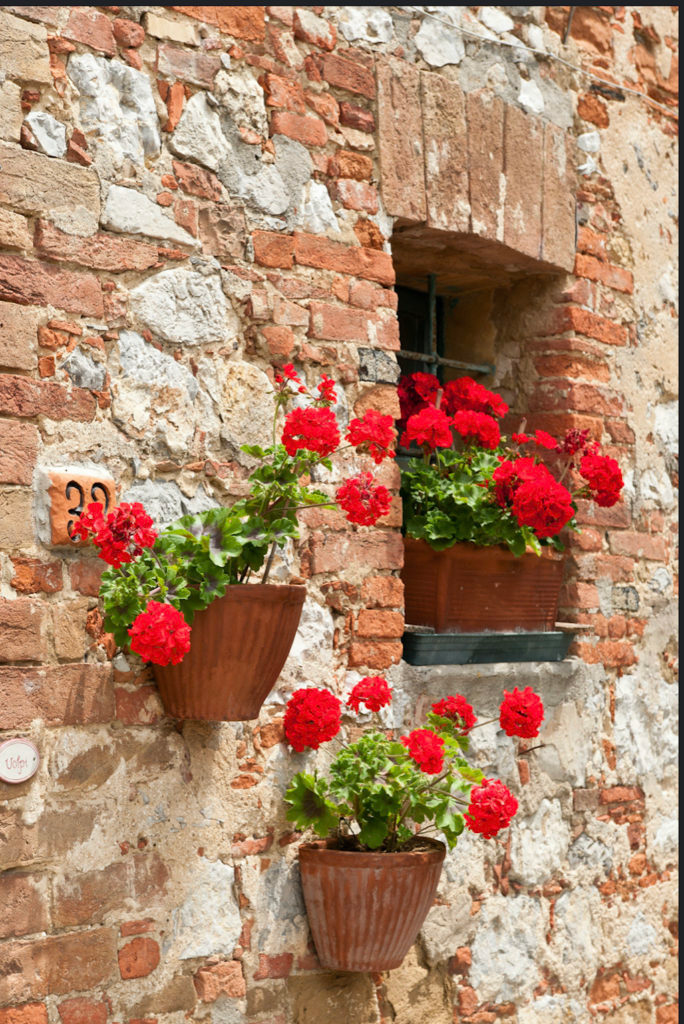
- Core message: “You’re on my mind.” A vivid, attentive love of life; energy and encouragement.
- East Asian nuance: Joy, prosperity, and celebration—perfect for housewarmings, a new shop opening, exam success, or Lunar New Year décor.
- Style it:
- Flank an entry with red pelargoniums in terracotta or lacquer-red planters for a welcoming, festive tone.
- Pair with gold or warm neutrals; add a hint of dark foliage to echo the leaf’s natural “zone.”
Pink: warmth, companionship, and gentle care
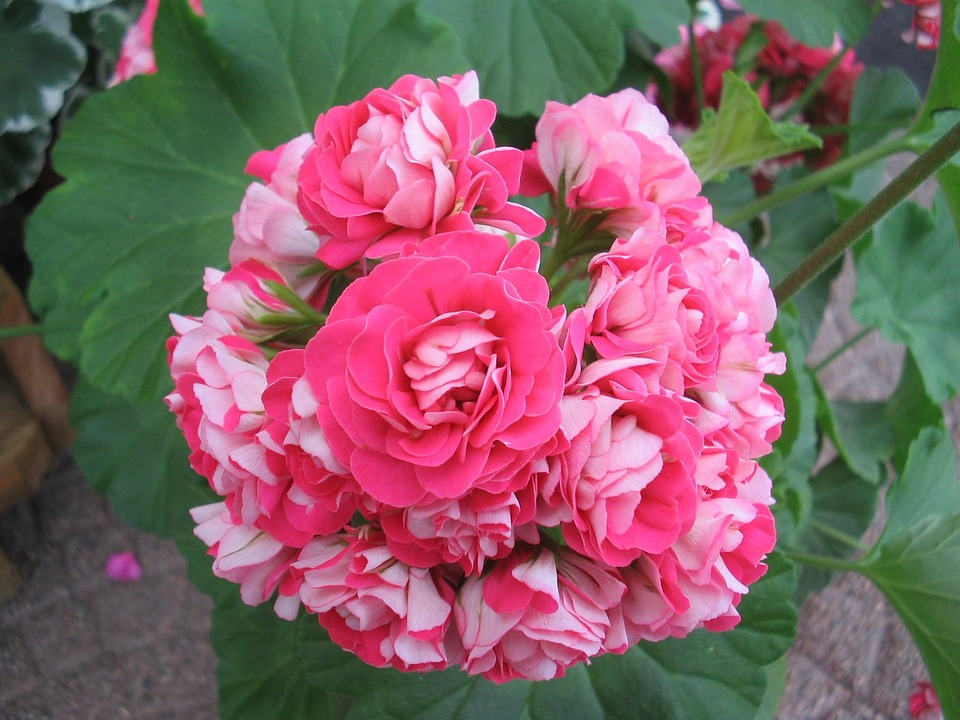
- Core message: Warmth, companionship, and friendly affection.
- East Asian nuance: Sweetness and closeness, ideal for friends, caregivers, or Mother’s Day.
- Style it:
- Cluster pinks with soft herbs (thyme, variegated mint) for a calming kitchen window.
- Mix with blush and cream blooms for a bedroom or shared living space—cozy without shouting.
White: purity and sincerity, with thoughtful restraint
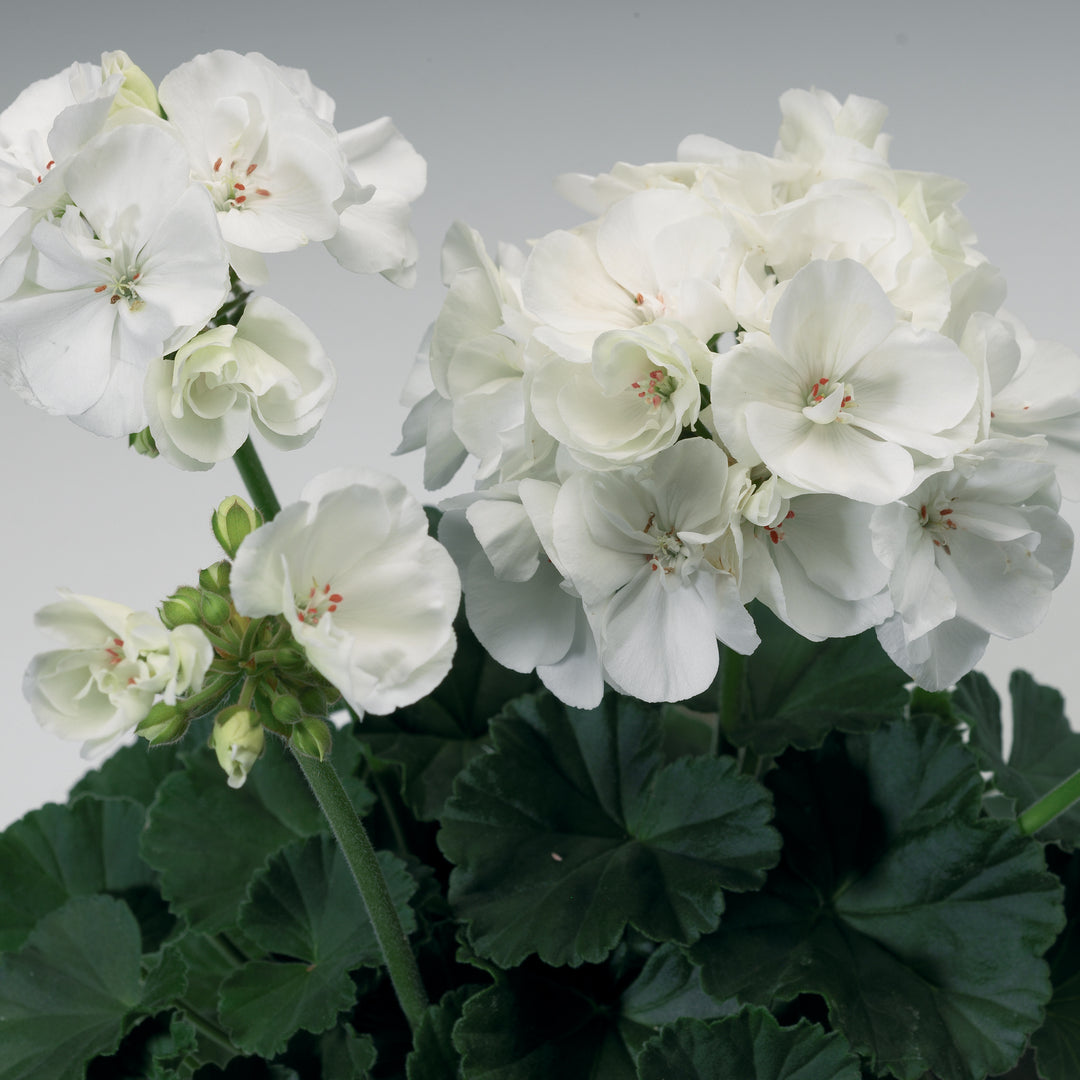
- Core message: Purity, sincerity, and honest intentions—fresh starts, apologies, and quiet support.
- East Asian nuance: Clean and respectful; in some formal settings white can feel somber, so match the mood and recipient.
- Style it:
- Minimalist containers (stone, concrete, matte white) spotlight the delicate umbels.
- Use in light-filled workspaces to suggest clarity and calm.
Gifting etiquette in a nutshell
- Choose potted over cut: Pelargoniums shine as living gifts—longer-lasting symbols of ongoing care.
- Add a note that “decodes” your color: It turns décor into a message.
- Consider setting: Red for celebratory thresholds, pink for intimate, relational spaces, white for reflective corners or new beginnings.
- Pet households: Pelargonium leaves/sap can mildly irritate or upset sensitive pets if chewed; place out of nibbling reach and mention basic care.
- Timing: Prime blooming runs spring through fall; indoors, strong light can keep color coming much of the year.
Styling ideas that make the message sing
- Work with the leaf’s “zone”: Those darker rings act like built‑in graphic design. Neutral pots let foliage pattern and flower color take the lead.
- Think in trios: A red–pink–white trio reads as “energy–warmth–sincerity,” perfect for a multi-layered message on a balcony rail.
- Play with height: Stagger pots or use stands so each umbel has air and light; deadhead spent clusters to keep the chorus going.
- Scent as a secret accent: While zonal types are grown for flowers and foliage, some pelargoniums release a pleasant scent when brushed—an intimate, homey touch in kitchens and entryways.
Care notes to keep the symbolism blooming
- Sunlight: Bright light to full sun; aim for 4–6+ hours daily for best flowering. Give a little midday shade in extreme heat.
- Water: Soak, then let the top 2–3 cm (about 1 in) dry before watering again. Avoid soggy roots.
- Airflow: Keep conditions airy to prevent gray mold and leaf spot.
- Feeding: Regular light feeding in growth, shifting to a bloom-leaning, higher‑potassium fertilizer as buds form.
- Cold: Tender to frost—bring pots in before freezing; a bright, cool window (about 10–15°C / 50–59°F) keeps them ticking through winter.
Quick symbolism recap
- The plant: Pelargonium × hortorum (Zonal Geranium)—a sunny symbol of happiness, friendship, and “good things ahead.”
- By color:
- Red: “You’re on my mind,” celebratory, energizing.
- Pink: Warmth, companionship, kind affection.
- White: Purity, sincerity, thoughtful intentions.
From Victorian parlors to East Asian terraces, the zonal geranium’s language has stayed remarkably consistent: simple, sincere, and meant for everyday life. Place one on a sill, and it speaks without fuss—bright proof that the kindest messages are often the easiest to read.