If you’ve ever brushed past a “geranium” on a sunny windowsill and caught a whiff of lemon, rose, or mint, you’ve met one of gardening’s great crowd-pleasers: Pelargonium × hortorum, the zonal geranium. It’s the cheerful classic with a mysterious dark ring on its leaves, scented oils that release at the lightest touch, and a superpower for rooting so fast that passing cuttings around became a time-honored tradition.
Here’s the fun, bite-size science behind the charm—and how to grow your own bloom machine with ease.
What puts the “zonal” in zonal geranium?
The leaf band: a built‑in sun visor
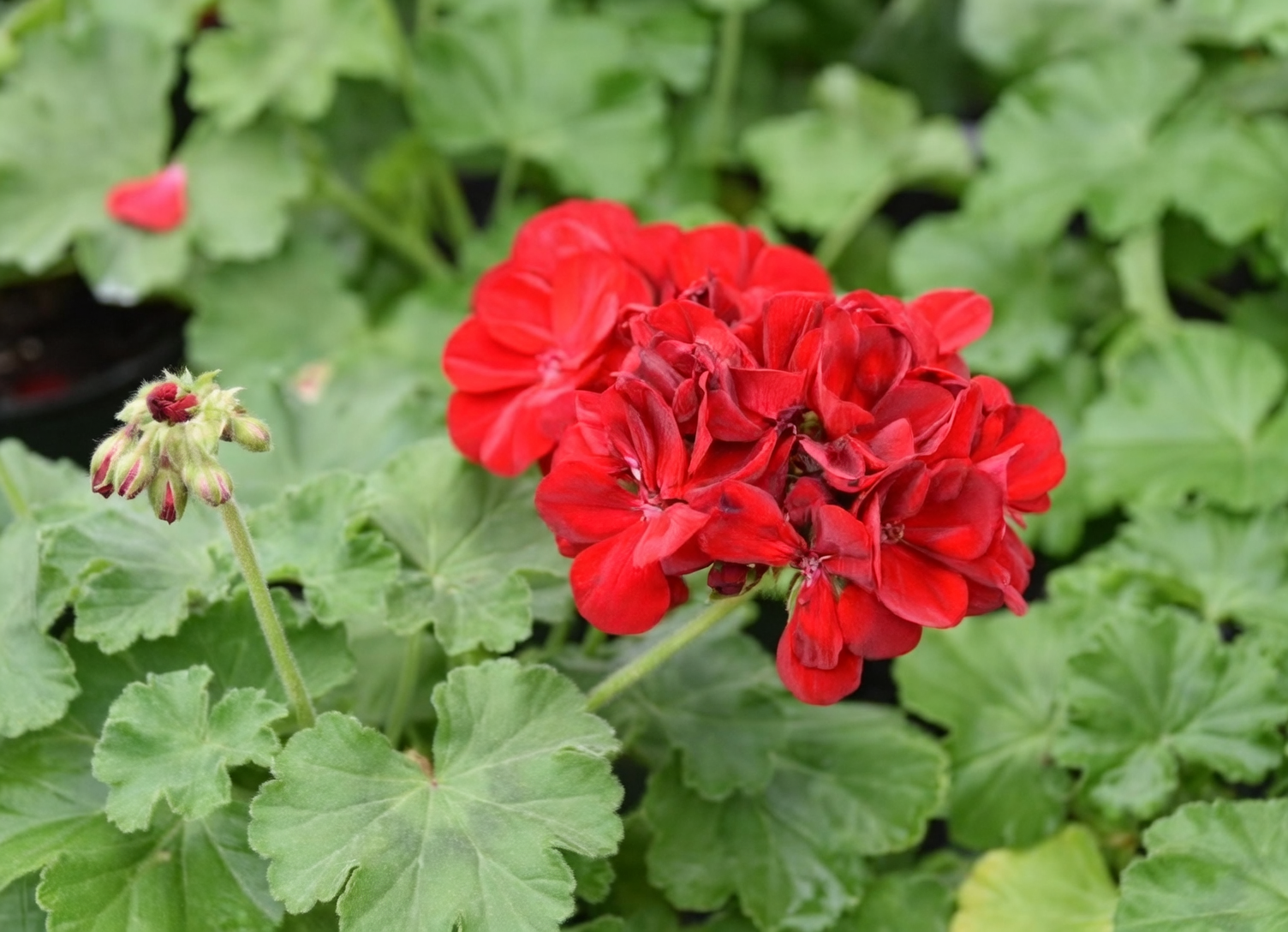
- The darker circular or horseshoe-like band on many leaves—the “zone”—is mostly due to pigments called anthocyanins layered with chlorophyll. Think of it as nature’s sunglasses.
- Why it matters: anthocyanins help manage excess light and UV, reduce leaf overheating, and can even shift in intensity with light levels, temperature, and the plant’s genetics.
- Not every plant shows the mark strongly. Some cultivars have a subtle ring, others flaunt bold bands or fancy variegation; a few may show almost none in lower light.
The scented snap when you brush the leaves
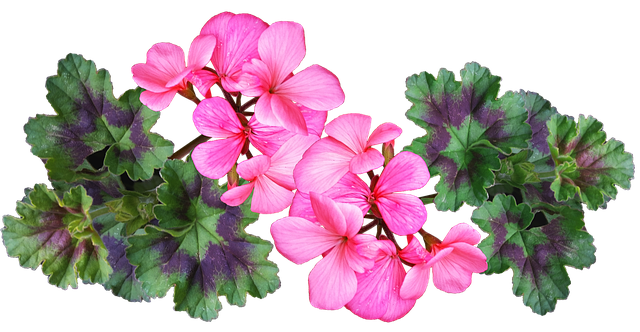
- Many pelargoniums are studded with tiny, often hairy glands (glandular trichomes) that store aromatic oils. A casual rub pops those micro-reservoirs and releases scent on contact.
- Scents can read as lemon, mint, rose, apple-like, or green and spicy—varies by cultivar. Some zonal types are lightly aromatic; others (especially in the scented-leaf clan) are wonderfully perfumed.
- Myth-busting: “Mosquito geraniums” don’t repel pests by just sitting nearby. Those citronella-like oils are released only when leaves are rubbed or crushed, and even then their patio-level effect is modest.
The lightning‑fast rooting trick (and how to share it)
Zonal geraniums are pass‑along plants for a reason.
Why they root so quickly
- Semi-succulent stems store water and energy, giving cuttings a head start.
- Nodes and stem tissues are primed to form adventitious roots with minimal fuss—add gentle warmth and air, and roots appear fast.
- Result: Many cuttings root in roughly 2–3 weeks (often 14–21 days).
Step‑by‑step: a near‑failproof cutting
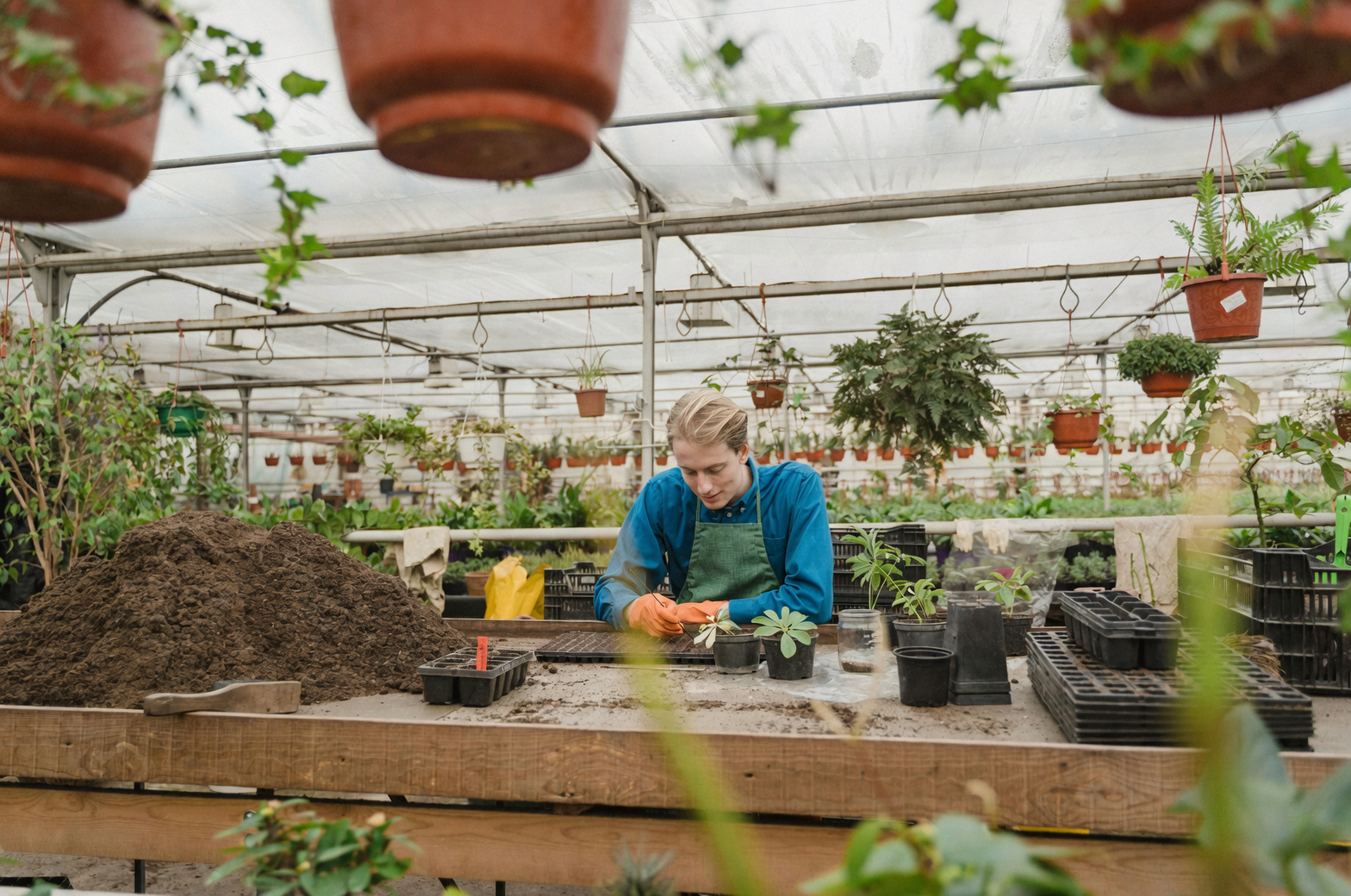
- Snip a 10–15 cm (4–6 in) non‑flowering tip cutting from late spring to early fall.
- Strip lower leaves; leave a small leaf or two at the top.
- Let the cut end dry for an hour or so to form a slight callus (helps avoid rot).
- Insert into a free‑draining mix (peat/coco + perlite/sand; add a bit of fine bark if you have it).
- Bright, indirect light; 13–18°C (55–64°F); steady airflow. Water lightly—never soggy.
- Rooting hormone is optional but can speed things up and boost root mass.
- Pot up once roots knit the mix; move into strong light and begin light feeding.
Tip: Keep a few backup cuttings. They’re so cooperative you’ll have gifts for neighbors by month’s end.
A bloom machine in a pot: the quick‑care recipe
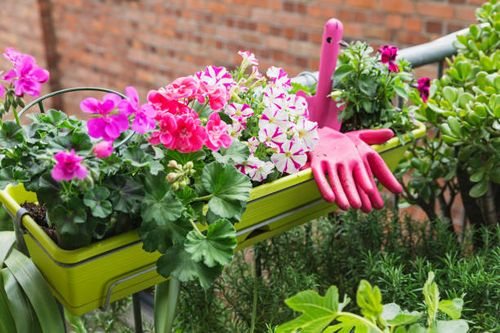
- Light: Bright light to full sun, ideally 4–6+ hours of direct sun. In hot spells, shelter from harsh midday rays (especially behind glass) and keep air moving.
- Water: Drench, then wait. Water when the top 2–3 cm (about 1 in) of mix is dry. Always empty saucers; avoid constantly wet soil.
- Soil: Free‑draining and airy. Use quality potting mix amended with coarse sand/grit/perlite; a little composted bark/leaf mold adds structure.
- Feeding: During active growth, feed every 2 weeks (or every 2–4 for lighter schedules) with a balanced fertilizer. As buds form, shift toward a bloom‑leaning, higher‑potassium feed (e.g., tomato fertilizer or ~15‑15‑30). Go easy on nitrogen to avoid leafy-but-shy plants.
- Temperature: Best growth around 10–25°C (50–77°F); keep above 5°C (41°F) in winter. Prolonged heat above ~25°C paired with wet soil can trigger a slowdown—add shade and airflow.
- Humidity & air: Low to moderate humidity is fine; prioritize ventilation to dodge botrytis and leaf spots.
- Pruning & shaping: Pinch tips at 12–15 cm (4.7–5.9 in) for bushiness. Deadhead entire spent flower stalks. If leggy, cut back by 1/3–1/2 in early spring and keep bright and airy while it rebounds.
- Repotting: Every 1–2 years (often yearly) into fresh, gritty mix; jump only one pot size up. Don’t bury stems deeper than they were.
Hardiness note: Tender and frost‑sensitive. Safely grown outdoors year‑round in USDA Zones 10–11 (sometimes warm Zone 9 with protection). In colder zones, enjoy it in the frost‑free season and overwinter indoors bright and cool.
Meet the flowers (and their many moods)
- Plump, umbrella-like clusters pop in vivid reds, orange‑reds, pinks, and whites, plus bicolors. Forms range from single to semi‑double and double.
- Compared to regal pelargoniums (huge, showy blooms) or scented‑leaf types (grown for fragrance), zonals strike a sweet balance: handsome leaves plus abundant flower heads from spring through autumn, and often nearly year‑round indoors with strong light.
Troubleshooting at a glance
- Few or no blooms?
- Likely culprits: not enough sun, too much nitrogen, or soil kept too wet. Brighten its spot, let the mix dry slightly between waterings, deadhead, and switch to a higher‑potassium feed during flowering.
- Yellowing lower leaves?
- Often overwatering or tired, compacted mix. Check drainage, repot into fresh, airy medium, and resume steady but modest feeding.
- Pests & diseases to watch:
- Pests: aphids, whiteflies, spider mites (indoors), mealybugs; occasionally budworms/caterpillars.
- Diseases: botrytis/gray mold, rust, bacterial leaf spots/blight, and root rot in waterlogged soil.
- Prevention: strong light, good airflow, remove spent blooms, avoid overhead watering, let the mix dry slightly between waterings. Treat early with rinses, sticky traps, insecticidal soap/horticultural oil, or targeted solutions as needed.
Safety snapshot
- Generally low to mildly toxic. Chewing large amounts can cause mild gastrointestinal upset in pets (cats, dogs), and sap may irritate sensitive skin. Keep out of reach of nibblers and wash hands if you’re prone to dermatitis.
Origins, names, and a bit of lore
- Roots in Southern Africa, especially South Africa. Centuries of collecting and hybridizing turned wild Pelargonium species into today’s beloved garden hybrids.
- The name “zonal” comes from that signature leaf band. “Hortorum” translates loosely as “of the gardens,” a wink to its destiny as a container and bedding star.
- Commonly called “geranium,” but botanically it’s Pelargonium (true geraniums are hardy cranesbills in the genus Geranium). Other nicknames include garden geranium, storksbill, and scented geranium.
Flower language, thoughtfully considered
In Victorian floriography and later traditions, pelargoniums often signaled happiness, friendship, and good wishes—little living postcards of “good things ahead.” Color nuances add flavor:
- Red: you’re on my mind
- Pink: warmth and companionship
- White: sincerity and simple joy
As with all flower language, meanings are cultural snapshots rather than universal truths—lovely to borrow for a gift card, but best paired with your own words.
Fast facts to remember
- Sun-lover: 4–6+ hours of direct sun keeps blooms coming.
- Keep it airy: free‑draining mix and good ventilation are non‑negotiable.
- Don’t drown it: water when the top 2–3 cm (about 1 in) is dry.
- Pinch for poise: early pinching = bushy plants and more flower stalks.
- Share the love: tip cuttings root in 14–21 days—hello, instant plant friends.
With its leaf‑band swagger, touch‑released aromatics, and “just stick it and it roots” attitude, Pelargonium × hortorum is proof that botany can be both beautiful and brilliantly practical—whether brightening a balcony box, a sunny border, or your favorite window ledge.