

Picture it: a wooden ship drops anchor at the Cape of Good Hope in the late 1600s. Among barrels and ballast, a few living treasures come aboard—sprigs of bright-leaved plants with umbrella-top flower clusters and a whiff of citrus when rubbed. Weeks later they arrive in Europe, survive the drafty greenhouses of early botanists and collectors, and proceed to charm just about everyone for the next four centuries. That’s the opening chapter of Pelargonium × hortorum, the so-called “zonal geranium”—a plant so beloved its mistaken name became one of horticulture’s happiest accidents.
From the South African coast to the world’s windowsills
The wild parents
Most garden “geraniums” on balconies and stoops descend from South African Pelargonium species, especially Pelargonium inquinans and Pelargonium zonale. They grew in sun-washed, breezy habitats where good drainage is a survival skill, and they carried that preference straight into our pots.
The collector’s era (1600s–1700s)
Dutch and British traders, botanists, and plant-mad aristocrats ferried pelargoniums to European gardens and conservatories. They were irresistible: rounded, often velvety leaves and those jaunty flower heads that bob like parasols in a breeze. By the 18th century, they’d become staples in botanic collections and private orangeries.
The hybrid that conquered gardens
Cross those South African parents enough times, and you get Pelargonium × hortorum—the quintessential “zonal” type, named for the darker ring or horseshoe that often bands each leaf. The epithet hortorum literally means “of the gardens,” and it fits: this is the pelargonium bred for dependable color, easy propagation, and container charisma.
The most charming botanical misnomer: why we call them “geraniums”
- The mix-up began with Carl Linnaeus, who once grouped what we now separate as Geranium and Pelargonium under Geranium.
- In 1789, Charles Louis L’Héritier de Brutelle set the record straight, splitting pelargoniums from true geraniums.
- The kicker? By then, “geranium” had already stuck in trade and conversation—and it never left.
A few quick tells:
- Pelargonium flowers are typically zygomorphic (with a single plane of symmetry), while true geraniums are radially symmetrical.
- True geraniums (cranesbills) are mostly hardy, herbaceous perennials for borders. Pelargoniums—including our zonals—are tender, compact subshrubs for pots and frost-free beds.
- Common names have a life of their own. “Geranium” is technically off—but also endearingly entrenched.
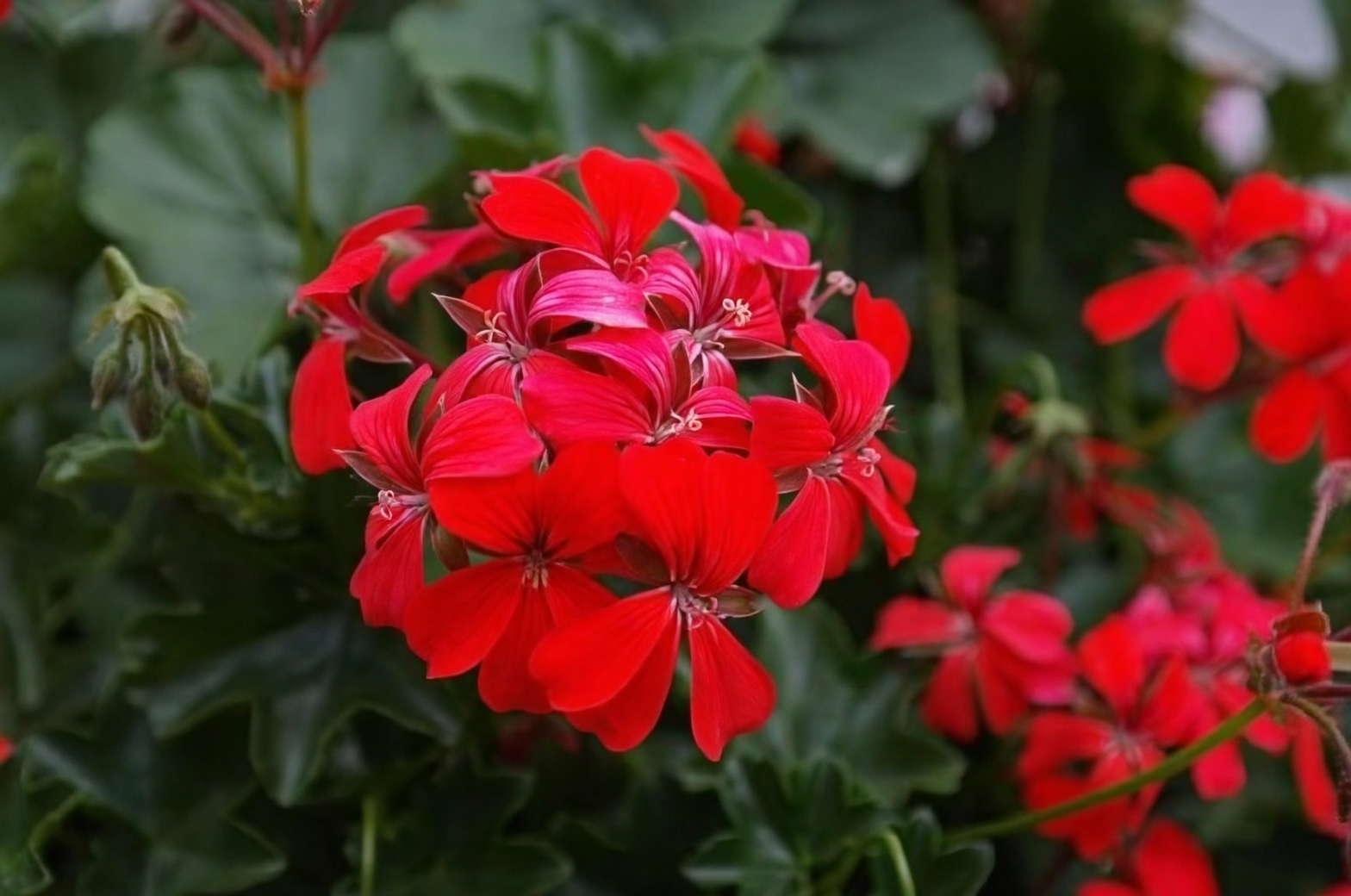
What makes a zonal geranium unmistakable
- A tidy, bushy habit: compact mounds, often 30–60 cm tall.
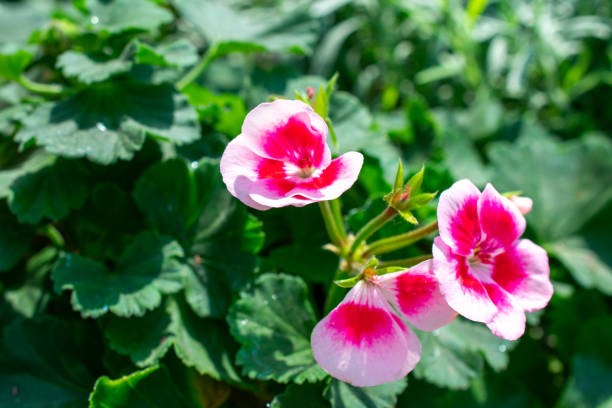
- Rounded, softly scalloped leaves with a darker “zone” band; many cultivars feel faintly downy and release scent when brushed—think lemon, mint, rose, or apple-like notes.
- Umbrella-like clusters of five-petaled blooms in lively reds, pinks, orange-reds, and whites, including singles, semi-doubles, doubles, and bicolors.
- A nonchalant attitude to mild dryness and a love of bright light—ideal for pots, balconies, window boxes, and sunny sills.
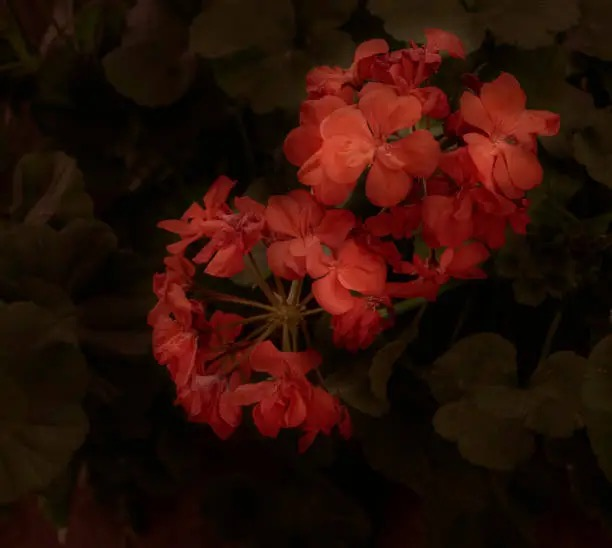
Grow it like a pro: the pelargonium playbook
Light and air
- Sun is bloom fuel: aim for 4–6+ hours of direct light.
- In very hot spells or behind glass, shield from harsh midday rays and keep air moving—ventilation deters leaf spots and gray mold.
Temperature and hardiness
- Sweet spot: 10–25°C, with steady growth around 15–20°C.
- Keep above 5°C in winter; protect from frost.
- Outdoors year-round in USDA Zones 10–11 (occasionally Zone 9 with protection); elsewhere, treat as a seasonal or overwinter indoors.
Watering
- Soak thoroughly, then wait: water again when the top 2–3 cm of mix is dry.
- Typical rhythm is about weekly in active growth; in heat and sun, it may be 2–3 times weekly; in winter indoors, water sparingly (often every 7–10 days).
- Always drain saucers. Water at the base; wet blooms invite botrytis.
Soil and pots
- Free-draining is non-negotiable: all-purpose potting mix lightened with coarse sand/grit/perlite, plus a bit of composted bark/leaf mold.
- Common pot sizes: 12–15 cm for tidy, floriferous plants; many thrive in 12.5–20 cm containers.
Feeding
- During growth, feed every 2–4 weeks with a balanced liquid fertilizer.
- As buds stack up, pivot to a bloom-leaning, higher-potassium formula to favor flowers over leaf lushness.
- Easy does it on nitrogen.
Pinching, pruning, and tidying
- Pinch tips at 12–15 cm tall to build a branched, full plant.
- Deadhead whole spent clusters to cue more bloom.
- If stems go lanky, cut back by 1/3–1/2; keep bright, airy, and slightly cool while it rebounds.
- Save big structural pruning for early spring.
Propagation (aka why gardeners are always sharing “just a bit”)
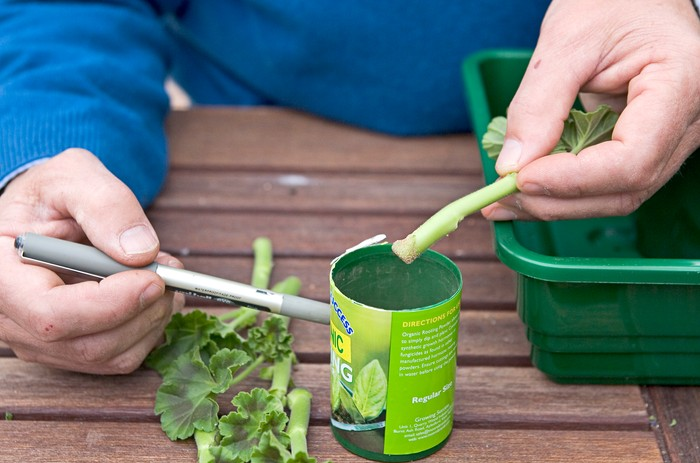
- Tip cuttings, 10–15 cm, from non-flowering shoots root in 2–3 weeks in a well-aerated medium. Rooting hormone is optional but helpful.
- Seeds are an option too: many flower around 16–18 weeks after sowing, depending on cultivar and conditions.
Repotting and seasonal rhythm
- Refresh yearly (or every 1–2 years) into fresh, gritty mix; move up only one pot size.
- Prime windows: repot after a flowering flush—often March–April or September–October.
- Overwinter indoors before frost in maximum light at 10–15°C; water lightly. Take late-summer cuttings as insurance.
Troubleshooting: quick diagnoses, quick fixes
- Sparse flowers:
- Likely culprits: not enough sun, too much nitrogen, or chronically wet mix.
- Move brighter, feed for blooms (higher K), let the mix dry slightly between waterings, and deadhead promptly.
- Yellowing lower leaves:
- Often overwatering or tired, compacted mix; sometimes hunger or low indoor light.
- Improve drainage, extend intervals between waterings, repot into airy mix, and resume steady feeding in growth.
- Pests and diseases:
- Still air + wet mix = problems. Watch for gray mold on old flowers, leaf rust (yellow specks above, brown pustules below), bacterial spots, and root rot.
- Common pests: aphids, whiteflies, spider mites, mealybugs, and occasional bud-chewing caterpillars.
- Prevention and response: bright light, airflow, no overhead watering, remove spent blooms/leaves, isolate new plants, and use rinses, sticky traps, insecticidal soap, or horticultural oil early.
Safety note for pet households
Pelargoniums are generally low to mildly toxic. Chewing can cause mild stomach upset in pets, and the sap may irritate sensitive skin. Keep out of nibblers’ reach and wash hands if you’re prone to dermatitis.
In scent and story: uses and symbolism
Everyday uses
- Primarily ornamental: unbeatable in window boxes, patio pots, hanging baskets, and bright indoor spots.
- Within the broader Pelargonium clan, scented-leaf types are famed for aromatic foliage; rose-scented pelargonium oils are widely used as a rosy note in perfumery.
The language of flowers—where it comes from and what it means
The Victorian craze for “flower talk” turned blooms into coded messages. Pelargonium × hortorum, often standing in for “geranium” in that tradition, gathered meanings tied to warm, everyday cheer:
- Happiness and friendship
- Good wishes and “good things ahead”
- Color nuances: red can whisper “you’re on my mind,” pink suggests comfort and companionship, white leans toward sincerity
These meanings aren’t botanical laws; they’re cultural stories we keep alive on our windowsills. And few plants carry that sunny promise quite like a zonal pelargonium in full sail.
A very short timeline
- Late 1600s: South African pelargoniums arrive in Europe with traders and plant collectors.
- 18th century: Pelargoniums become conservatory darlings; taxonomists refine names and relationships.
- 1789: L’Héritier formally separates Pelargonium from Geranium—but the nickname “geranium” clings.
- 19th century onward: Hybridizing surges; zonal pelargoniums become fixtures of bedding schemes, balconies, and cottage windows.
- Today: Compact, floriferous, and easygoing Pelargonium × hortorum remains the world’s go-to pot color, propagated by the million and still passed along as friendly cuttings between neighbors.
Why it still captivates
- Long bloom season from spring to fall (nearly year-round indoors with strong light)
- Forgiving care, quick propagation, and a tidy, bushy habit
- Leaves that look painted with a soft ring, and flowers that make every windowsill feel like summer
Call it pelargonium for accuracy or “geranium” for tradition—either way, Pelargonium × hortorum is the plant that sailed out of South Africa and into our hearts, proving that a good story (and even a good misnomer) can be as enduring as the blooms themselves.