

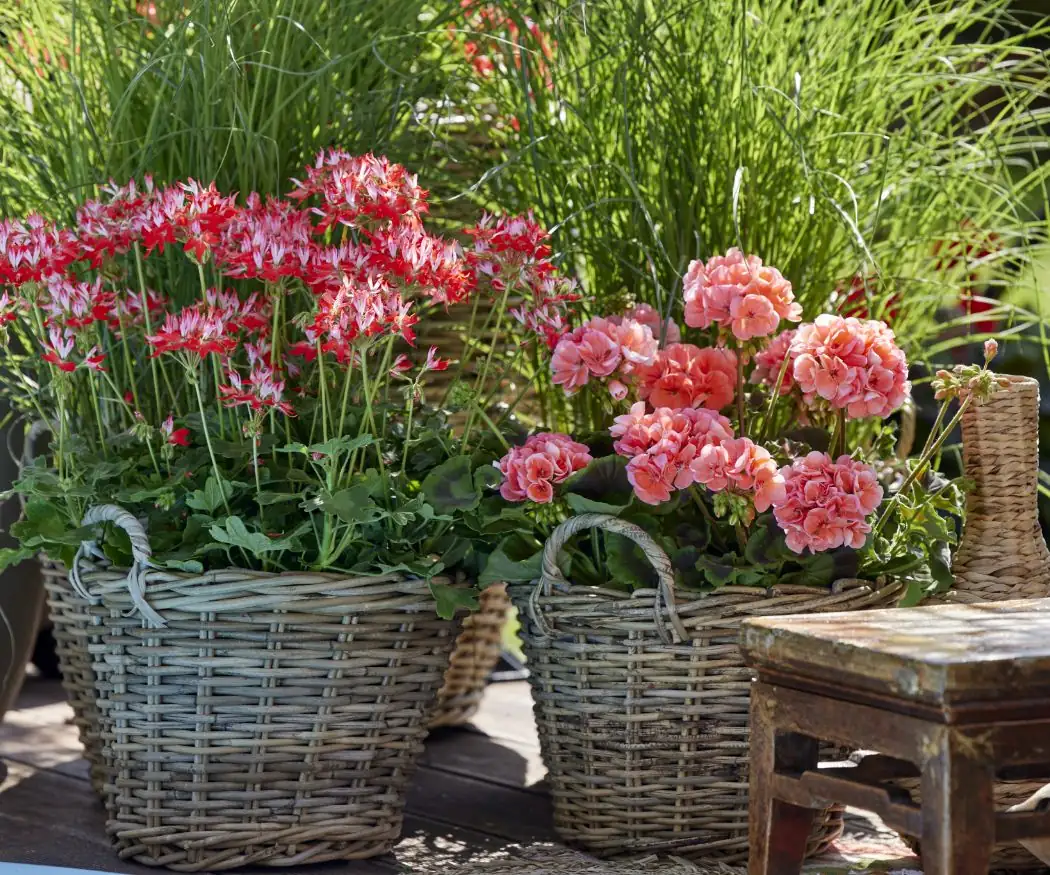
Meet the zonal geranium you’ve probably already admired on a sunny balcony: Pelargonium × hortorum. Compact, generous with flowers, and forgiving once you learn its rhythm, this classic thrives on three simple pillars: strong light, slightly dry cycles, and airflow. Nail those, and you’ll enjoy vivid umbels of red, pink, orange-red, or white from spring through fall—and often longer indoors.
The three pillars of foolproof care
1) Strong light: 4–6+ hours of direct sun
- Aim for full sun to very bright light. Indoors, an east or south window is perfect; outdoors, a sunny patio or balcony.
- In hot spells, especially behind glass, ease off harsh midday sun and boost ventilation to prevent leaf scorch.
- Not enough sun = leggy stems and fewer blooms. Move brighter before you change anything else.
2) Slightly dry cycles (never soggy)
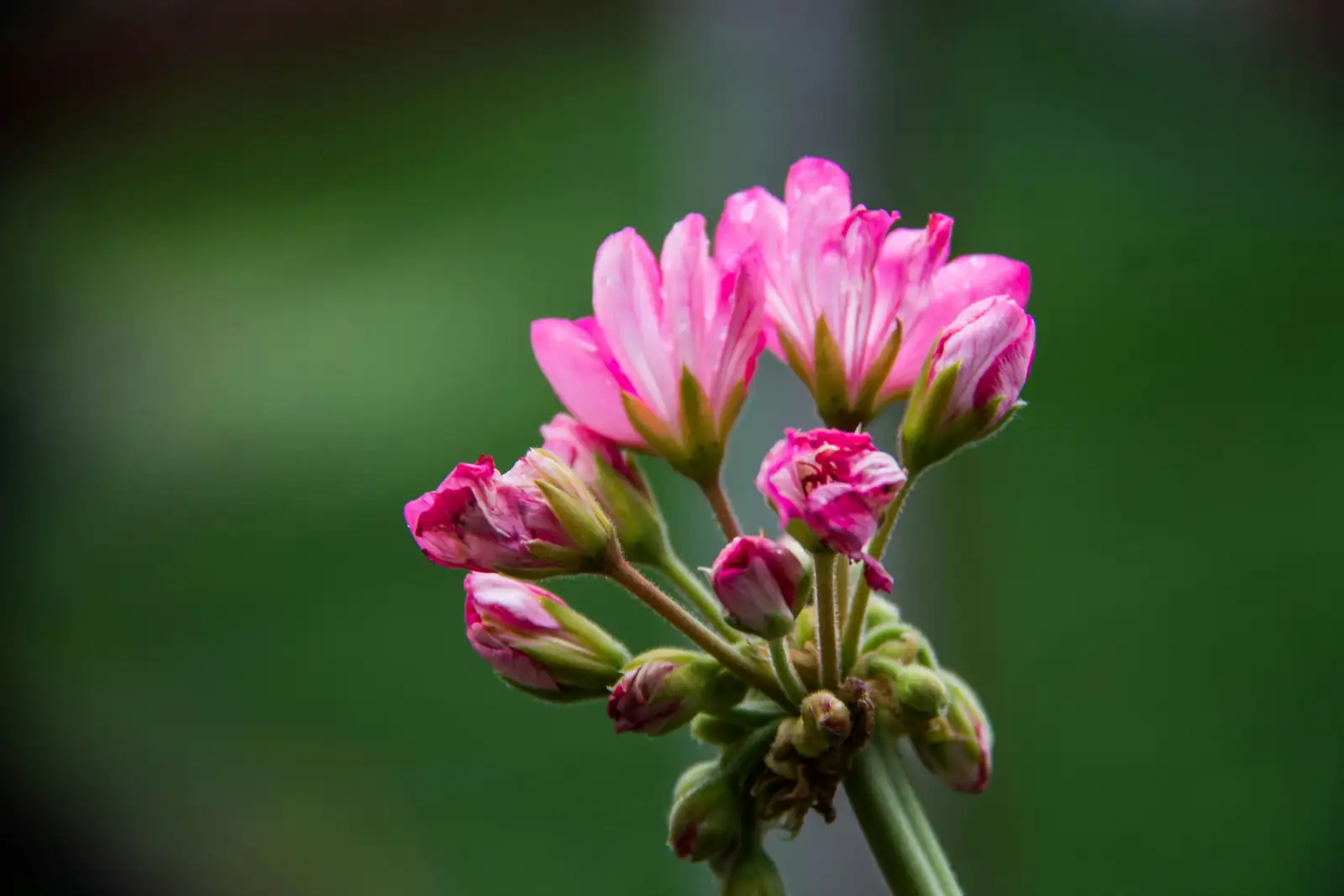
- Water thoroughly, then wait until the top 2–3 cm (about 1 in) feels dry before watering again.
- Typical cadence: about weekly in active growth; 2–3× weekly in heat for small pots in strong sun; every 7–10 days in winter.
- Always empty saucers. Water at the base—wet foliage invites botrytis (gray mold).
- Tip-off that you’re overdoing it: yellowing lower leaves, sulking roots, and bud drop.
3) Airflow, airflow, airflow
- Keep humidity low to moderate and the air moving. Space plants so leaves don’t mash together.
- Indoors, crack a window or use a small fan; outdoors, avoid windless corners and shelter from pounding rain.
- Good ventilation is your best prevention against botrytis, rust, and leaf spot.
Quick plant profile
- Botanical: Pelargonium × hortorum (zonal geranium; not a true Geranium)
- Family: Geraniaceae
- Origin: Southern Africa parentage (notably South Africa); modern forms are horticultural hybrids
- Habit & size: Compact, bushy, upright-mounding; typically 30–60 cm tall and 30–50 cm wide in containers
- Foliage: Rounded, softly scalloped leaves, often with a darker “zone” band; many are faintly hairy and aromatic when brushed
- Flowers: Rounded clusters in reds, pinks, orange-reds, and whites; single to double forms
- Best bloom window: Spring through autumn; indoors, near year-round in very bright light
Potting mix, container, and repotting
- Mix recipe (drainage is non-negotiable): All-purpose potting mix + coarse sand/grit or perlite + a bit of composted bark/leaf mold for structure.
- Pots: 12–15 cm (4.7–5.9 in) is common; 12.5–20 cm (5–8 in) also works—use drainage holes.
- Repot cadence: Every 1–2 years (often yearly for best vigor), moving only one size up. Best right after a flowering flush—commonly March–April or September–October.
- Don’t bury stems deeper than before; keep the crown at the same level.
Watering and feeding for bloom-forward growth
- Watering: Thorough soak, then slight dry-down. Reduce in winter; never let it sit wet and cold.
- Feeding:
- Spring: Balanced liquid fertilizer every 2 weeks (or every 2–4 for lighter feeding).
- Buds forming/peak bloom: Shift to a higher-potassium “bloom” feed (e.g., tomato fertilizer or ~15-15-30) to favor flowers over foliage.
- Go half-strength if sensitive; don’t splash fertilizer on tender growth. Pause or greatly reduce feeding in late fall/winter.
Light, temperature, and placement
- Light: 4–6+ hours direct sun. Indoors, east/south exposure. Outdoors, protect from scorching midday glass-boosted rays in heatwaves.
- Temperature: Best between 10–25°C (50–77°F); many growers love 15–20°C (59–68°F) for steady growth. Bud initiation is often strongest around 16°C (61°F).
- Cold/heat notes: Keep above 5°C (41°F); not frost hardy. Prolonged heat above ~25°C (77°F), especially with wet soil, can slow growth—keep it bright, slightly drier, and airy.
Pruning, pinching, and grooming
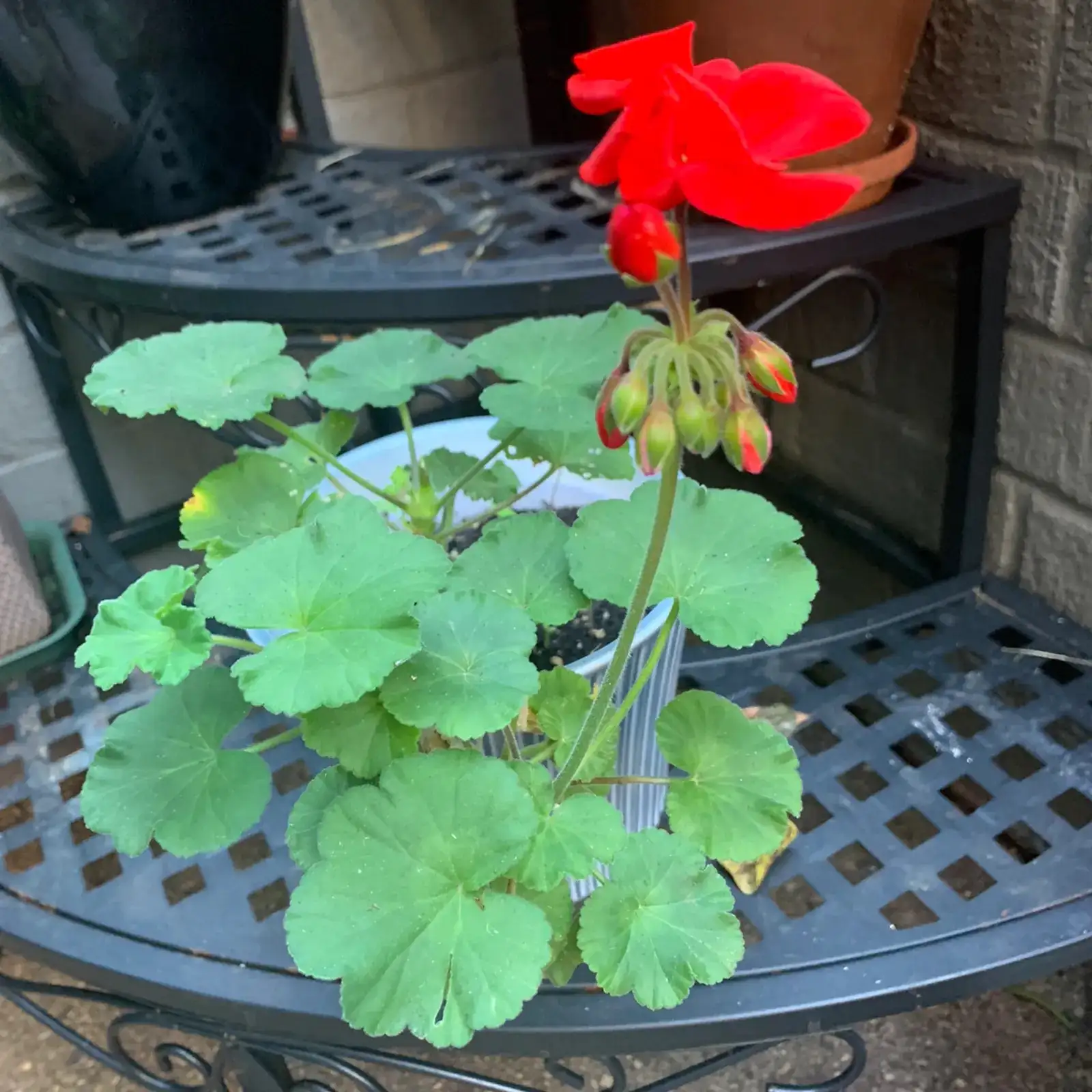
- Pinch when young (at 12–15 cm tall) to encourage branching and a fuller plant.
- Deadhead: Remove entire spent flower stalks promptly to channel energy into new buds.
- Leggy? Cut back by one-third to one-half; keep bright, airy, and slightly cooler to bounce back bushy.
- Structural prune: Early spring before vigorous growth resumes.
A season-by-season calendar
Spring
- Increase sun exposure and resume regular watering and feeding.
- Give a light structural prune and pinch tips for branching.
- Repot March–April if due; sow seeds now if starting from scratch.
- Begin balanced feeding; switch to bloom-leaning as buds appear.
Summer
- Prime time outdoors. In very hot climates, shelter from harsh midday sun and boost airflow.
- Let the mix dry slightly between waterings; never soggy.
- Continue higher-potassium feed during strong flowering.
- Take tip cuttings from late spring through late summer.
Fall
- Often a major bloom wave. Keep deadheading and bloom-feeding while flowers are active.
- Repot September–October if needed (after a flush).
- Take late summer–early fall cuttings to overwinter easy “backups.”
Winter
- Before frost, bring plants indoors; keep above 5°C (41°F), ideally 10–15°C (50–59°F).
- Give the brightest light you have; water sparingly (mix almost dry between drinks).
- Minimal feeding; just enough to keep foliage healthy.
Troubleshooting: fast fixes
- Few or no blooms:
- Not enough sun; aim for 4–6+ hours.
- Too much nitrogen; switch to a higher-potassium feed.
- Roots too wet; allow slight dry cycles and deadhead consistently.
- Yellowing lower leaves:
- Most often overwatering or compacted, tired mix. Improve drainage, lengthen intervals slightly, or repot with fresh, airy medium.
- Can also indicate low light or low fertility during growth.
- Pests:
- Aphids, whiteflies, spider mites, mealybugs, and sometimes budworms.
- Response: Isolate early, rinse or wipe, use sticky traps, then insecticidal soap/horticultural oil as needed.
- Diseases:
- Botrytis/gray mold, rust, bacterial leaf spot, and root rot in soggy media.
- Prevention: Base watering, quick deadheading, clean airflow, and slightly dry intervals.
Propagation: the easy way (cuttings)
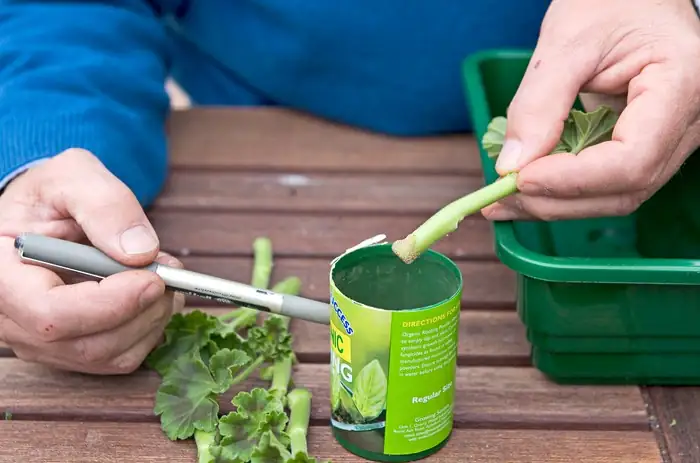
- Take 10–15 cm (4–6 in) non-flowering tip cuttings late spring to early fall.
- Remove lower leaves; let the cut end dry briefly; insert into a free-draining mix (peat/coco + perlite/sand).
- Bright indirect light at ~13–18°C (55–64°F). Rooting often in about 2–3 weeks; rooting hormone optional but helpful.
- From seed: Sow in spring or fall; cover lightly; germination in 1–3 weeks. Many bloom about 16–18 weeks after sowing, conditions depending.
Where it thrives best
- Outdoors year-round only in warm regions (generally USDA Zones 10–11; sometimes protected spots in 9).
- Elsewhere, treat as a seasonal container plant and overwinter indoors before frost.
Safety notes
- Low-to-mild toxicity overall. Sap can irritate sensitive skin; chewing foliage may cause mild GI upset in pets (cats, dogs; some sources note sensitivity in horses).
- Keep out of reach of nibbling pets and wash hands if you’re prone to dermatitis.
Symbolism and the truth about “flower language”
Pelargoniums are often linked with happiness, friendship, and good wishes—a cheerful, steadfast presence on a windowsill. In Victorian floriography (a 19th-century trend that assigned meanings to blooms), red could signal “you’re on my mind,” pink warmth and companionship, and white sincerity. While these meanings are culturally shaped rather than botanical fact, they capture why zonal geraniums remain beloved: dependable color, generous spirit.
Fun to know
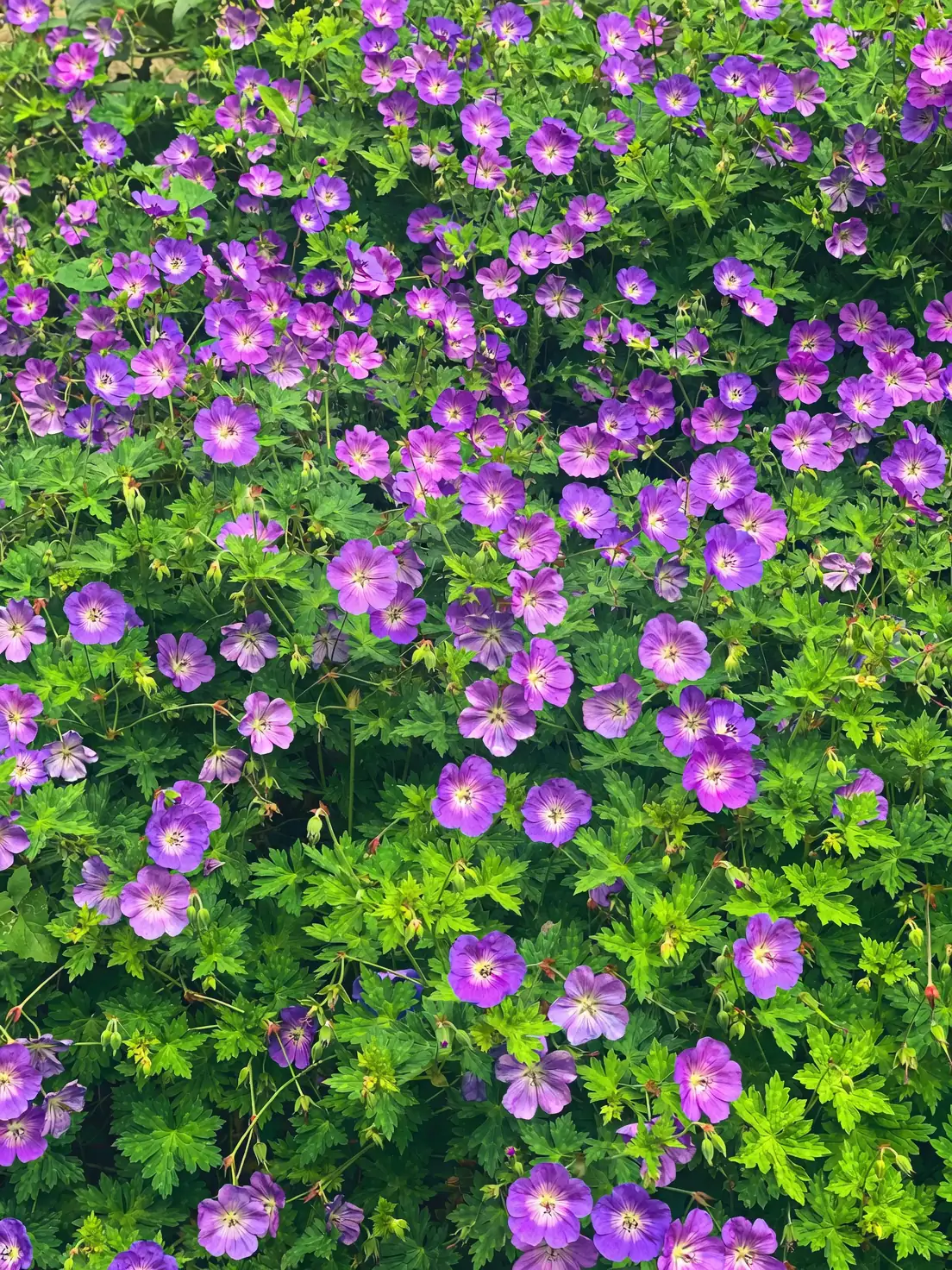
- Most “geraniums” in summer pots are Pelargonium; true hardy geraniums are cranesbills (genus Geranium).
- The “zonal” name nods to the darker band often circling each leaf.
- Many pelargoniums release a light scent when brushed—lemon, mint, or rose-like in related types.
- Cuttings root so quickly that sharing them is practically a gardening rite.
At-a-glance beginner recipe
- Light: 4–6+ hours of direct sun.
- Water: Soak, then let the top 2–3 cm dry; never sit in water.
- Air: Keep it breezy; avoid cramped, still corners.
- Feed: Balanced in spring; bloom-leaning high-potassium during flower flushes.
- Groom: Pinch at 12–15 cm, deadhead often, and cut back when leggy.
- Repot: Yearly or every 1–2 years after a bloom flush, in a gritty, free-draining mix.
- Winter: Brightest window, 10–15°C, sparing water, no frost.


