French marigolds have a secret life beyond the border’s edge. Those ruffly, spice-scented buttons of gold, orange, and garnet aren’t just cheerful garden fillers—they’re generous cut flowers, a gentle gateway to natural dyeing, and the perfect muse for family craft afternoons. Here’s how to harvest, handle, color, and create with Tagetes patula all season long.
Meet Tagetes patula, your pocketful of sunshine
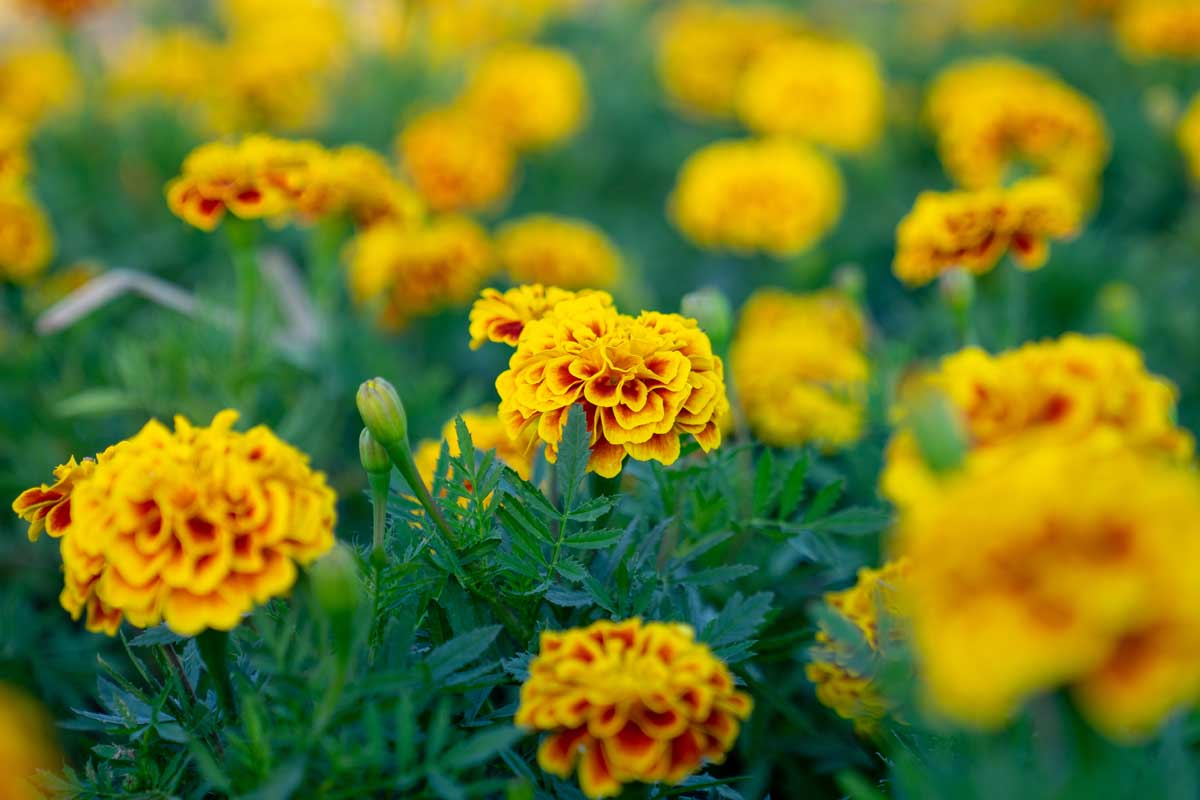
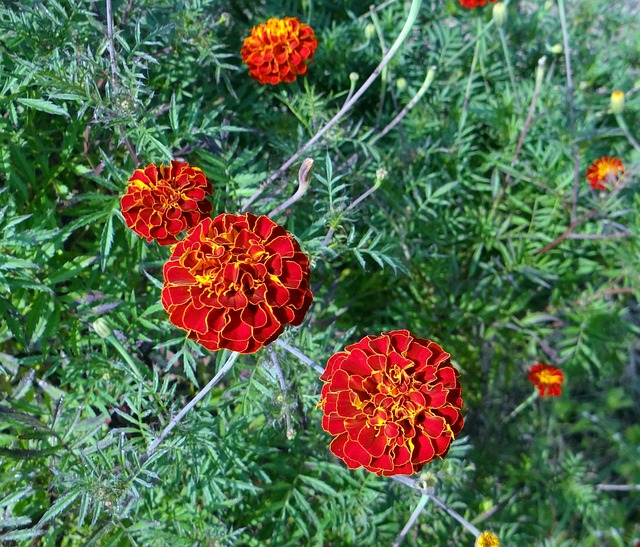
Compact and bushy (about 6–12 in tall), French marigolds bloom from early summer right up to the first frost. Finely divided, ferny leaves release a warm, spicy scent when brushed. They thrive in full sun, take imperfect soil in stride, and are famously easy-care—ideal for kids’ gardens, pots, edging, and even vegetable beds where they support beneficial insects and can help with root-knot nematodes.
Color-wise, expect glowing yellows, tangerines, deep reds, and spirited bicolors—often in frilly, crested forms. Plants are annuals, but if you let a few blooms go to seed, you might spot self-sown volunteers next year.
Before you snip: grow for plenty of pickable stems
A little tending now means buckets of blooms later.
- Sun and soil: Give at least 6 hours of direct sun. Well-drained soil is key; they’re happy in average garden beds or containers.
- Watering: After establishment, let the top of the soil dry between thorough waterings. Keep containers evenly moist in hot spells.
- Pinch to branch: Pinch early tips to encourage bushy growth and more stems.
- Keep them coming: Deadhead spent flowers, or leave a few late in the season to mature if you want seed.
- Airflow matters: Space plants well and water at the base to reduce fungal issues. Good airflow keeps leaves and petals pristine.
- Watch for tiny thieves: Spider mites and thrips love hot, dry stretches. A strong spray of water or a light oil treatment can help if needed.
How to cut and condition French marigolds for arrangements
French marigolds aren’t the longest-stemmed flowers, but they reward a little technique with lively, long-lasting arrangements.
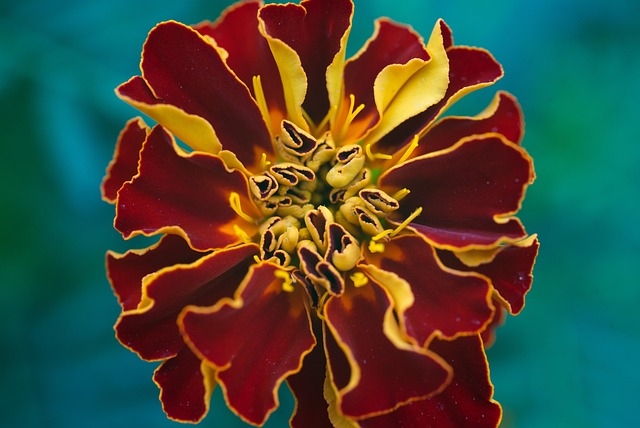
Harvest window
- Time of day: Cut in the cool of morning or evening.
- Stage: Choose blooms that are freshly open and perky; avoid overblown or ragged flowers.
Cutting technique
- Tools: Use clean, sharp snips.
- Where to cut: Snip just above a leaf set to prompt new branching. Remove any foliage that would sit below the water line.
First drink (conditioning)
- Immediate hydration: Place stems into a clean bucket of cool water right after cutting.
- Cleanliness counts: Marigolds can cloud water quickly—use a spotless vase and, if you like, a floral preservative.
- Let them rest: Condition for 2–4 hours in a cool, dim spot before arranging.
Arranging tips
- Give them support: Short stems? Cluster heads in a low bowl, tuck into a pin-frog, or wire a few blooms to floral picks for height.
- Color play: They sing with blue cornflowers, purple salvias, airy grasses, and kitchen herbs like basil or rosemary.
- Expectancy: With good care, French marigolds often last about 4–7 days in the vase.
- Care in the vase:
- Change water daily and recut stems slightly each time.
- Keep out of direct sun and away from ripening fruit (ethylene shortens vase life).
- Strip any leaves below water—marigolds’ aromatic foliage can sour water if submerged.
Petal collecting and gentle natural dyeing
Marigold petals are a welcoming entry point to plant dyes—vivid results, forgiving methods, and projects you can do with kids.
How to gather and store petals
- Snip or deadhead: Collect petals from fresh or just-faded blooms.
- Dry simply: Spread in a single layer on a tray in a warm, shaded, airy spot until crisp. Store in a jar away from sunlight, or freeze petals if you’re stockpiling over time.
What colors to expect
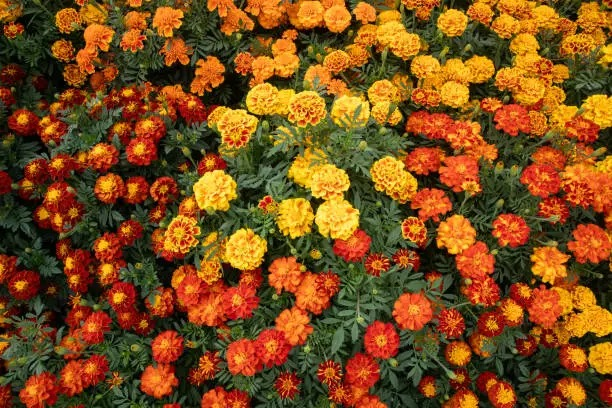
- Palette: Sunny yellows to warm golds and soft oranges; bicolors can yield antique, mellow golds.
- Fiber notes: Protein fibers (wool, silk) take color most readily. Cellulose fibers (cotton, linen) can work too with the right prep.
- Light and wash: Expect poor-to-medium fastness; keep dyed items out of harsh sun and wash gently in cool water.
Family-friendly dye projects
Solar dye jars (no stove required)
- You’ll need: A clean glass jar, dried or fresh marigold petals (a generous handful), small skeins of wool yarn or silk ribbon, water. For best results on protein fibers, pre-mordant with alum at about 10% of fiber weight (adult step).
- Do this:
- Soak your fiber in water so it’s thoroughly wet.
- Layer petals and fiber into the jar, then cover with warm water.
- Cap and set the jar in a sunny window. Swirl daily.
- Peek after 2–5 days—the color will deepen over time.
- Rinse gently, dry out of direct sun.
Simple warm dye bath (adult-led)
- Ratio: Roughly equal parts dried petals to fiber by weight for strong golds (use more petals for deeper color).
- Steps:
- Soak petals in water for several hours; gently heat to just below a simmer for 30–60 minutes.
- Strain out petals for an even tone.
- Add pre-mordanted wool or silk; keep just below simmer for 45–60 minutes, stirring occasionally.
- Cool in the bath for richer color, then rinse and dry.
Bundle dye speckles
- Scatter petals over pre-wetted silk or wool, roll tightly, tie with string, and steam above water for 30–45 minutes (adult supervision). Expect a constellation of gold speckles and soft prints.
Petal prints on paper
- Arrange petals on watercolor paper, cover with scrap paper, and gently tap with a rubber mallet to transfer color. Kids love the “reveal.”
Care tip for dyed goods: Wash sparingly, in cool water with a mild detergent, and store away from bright light to preserve color.
Easy craft ideas for families
Marigold garlands and mini-pomanders
- Thread fresh or dried heads onto strong cotton string for quick party garlands. For small pomanders, tie clusters around a grapevine ball or wire ring. Tip: French marigolds are smaller than their taller cousins—cluster them for fullness.
Pressed-petal bookmarks and cards
- Press petals between absorbent paper under a heavy book for a week. Glue onto cardstock, then seal with a thin smear of clear-drying craft glue or a laminating pouch.
Biodegradable confetti
- Crumble dried petals into paper cones. It’s colorful, compostable, and garden-friendly.
Seed-saving and seed paper
- Let a few blooms dry on the plant. Rub the flower heads to release the signature black-and-ivory “quill” seeds. Dry thoroughly.
- Blend recycled paper with water into a pulp, stir in a pinch of seeds, spread thin, press dry, and cut into shapes—instant plantable gift tags or bookmarks.
Flower crowns and picks
- Short stems? Wrap each head’s base with floral tape onto a wire pick and tuck into a crown or wreath base. Easy for small hands to arrange with adult help.
Safety notes
- Skin sensitivities: The aromatic foliage and sap can irritate sensitive skin. Wear gloves if you react easily and encourage kids to wash hands after crafting or dyeing.
- Around pets and kids: Generally low-toxicity with normal exposure, but chewing any plant can cause mild stomach upset. Keep vases and craft leftovers out of curious mouths.
- Dye day basics: Ventilate when heating dye baths, supervise children near hot water or steam, and label your dye pots for craft use only.
Culture and symbolism: why these blooms feel so warm
In the language of flowers, French marigolds often speak of warmth, passionate affection, and steadfast love—yet they can also carry bittersweet notes of remembrance in some traditions. Across cultures, marigolds are embraced as protective, lucky plants that brighten thresholds and celebrations. While “French” marigold is native to Mexico and Central America, its global journey made it a staple in gardens everywhere, and its close relatives are central to Day of the Dead altars for their guiding glow.
Quick cultivar picks for crafters
Looking for colors that pop in vases and dye pots?
- Naughty Marietta (AAS 1947): Sunny single blooms with a maroon heart—great contrast in posies.
- Super Hero Spry (AAS 2018): Rich red-and-gold bicolors on compact, floriferous plants.
- Disco series: Single, daisy-like blooms with good stem length for small bouquets.
- Durango and Bonanza series: Frilly, full flowers in saturated oranges and golds.
- Safari, Aurora, Janie, Little Hero, Boy O’ Boy, Hero: Reliable series with a wide color range—perfect for edging, containers, and crafting by the handful.
A few design tricks for short-stem charmers
- Go low and lush: Use shallow compotes, jam jars, or teacups with a ball of chicken wire or a pin frog.
- Group by hue: One-color clusters look luxe, especially all-gold or all-red.
- Mix textures: Pair ruffled marigolds with airy grasses and ferny herbs to echo their foliage.
- Wire and weave: Turn individual heads into “picks” to build wreaths, crowns, or cake toppers (decorative, not edible).
Parting petals
Plant a flat or two of French marigolds, and you’ll harvest more than border color—you’ll gather armfuls of small, joyful blooms for vases, jars of sunshine for the dye shelf, and a season’s worth of easy crafts. They’re forgiving, prolific, and downright friendly to beginners. Snip, swirl, string, and save seeds for next year—your marigolds will keep the creativity blooming right up to first frost.