If your French marigolds look like they’ve checked out for a siesta when the mercury soars, you’re not imagining it. Tagetes patula is brilliantly tough, but even these sun-lovers pause when midsummer heat gets relentless. The good news: with a few heat-smart tweaks—light afternoon shade, deep-but-infrequent watering, a container refresh, and a quick midseason trim—you can keep color rolling and coax a second act of blooms as temperatures ease.
Meet the plant: small stature, big stamina
- Botanical name: Tagetes patula (French marigold), Asteraceae
- Native range: Mexico and Central America
- Habit and size: Compact, bushy annual, typically 6–12 in (15–30 cm) tall, 6–8 in (15–20 cm) wide
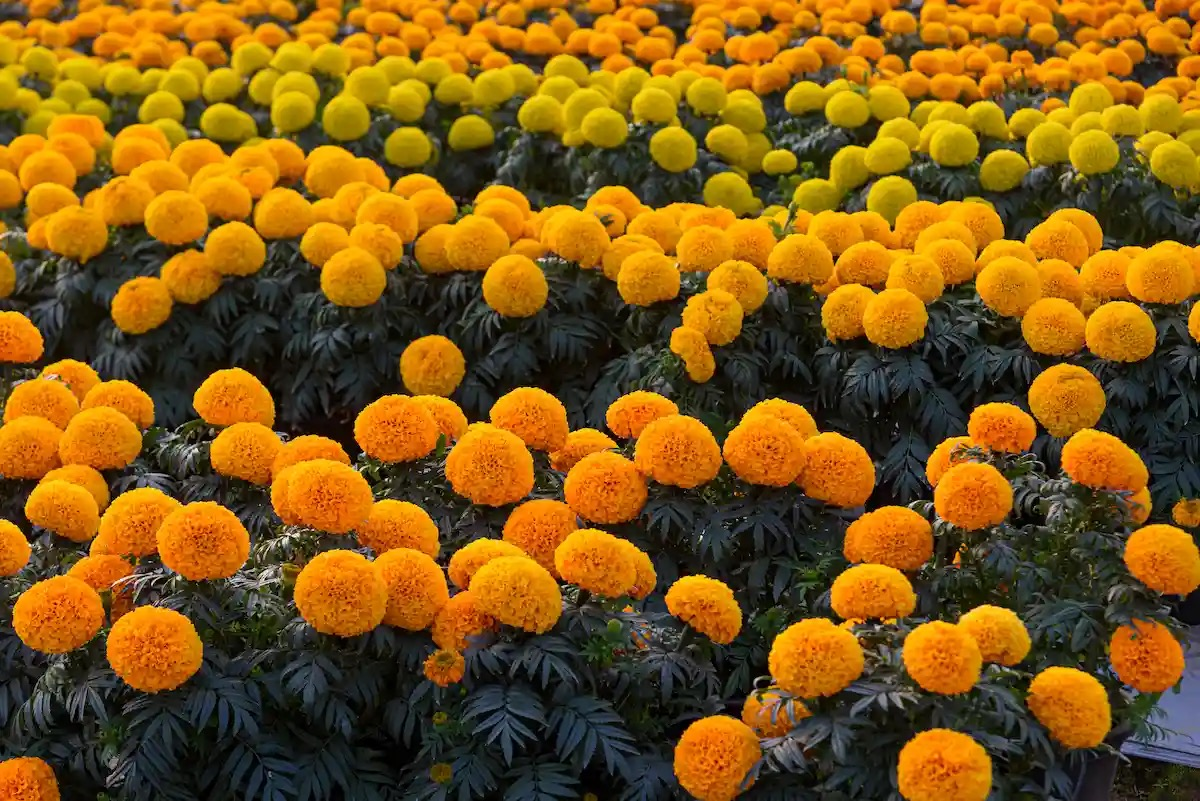
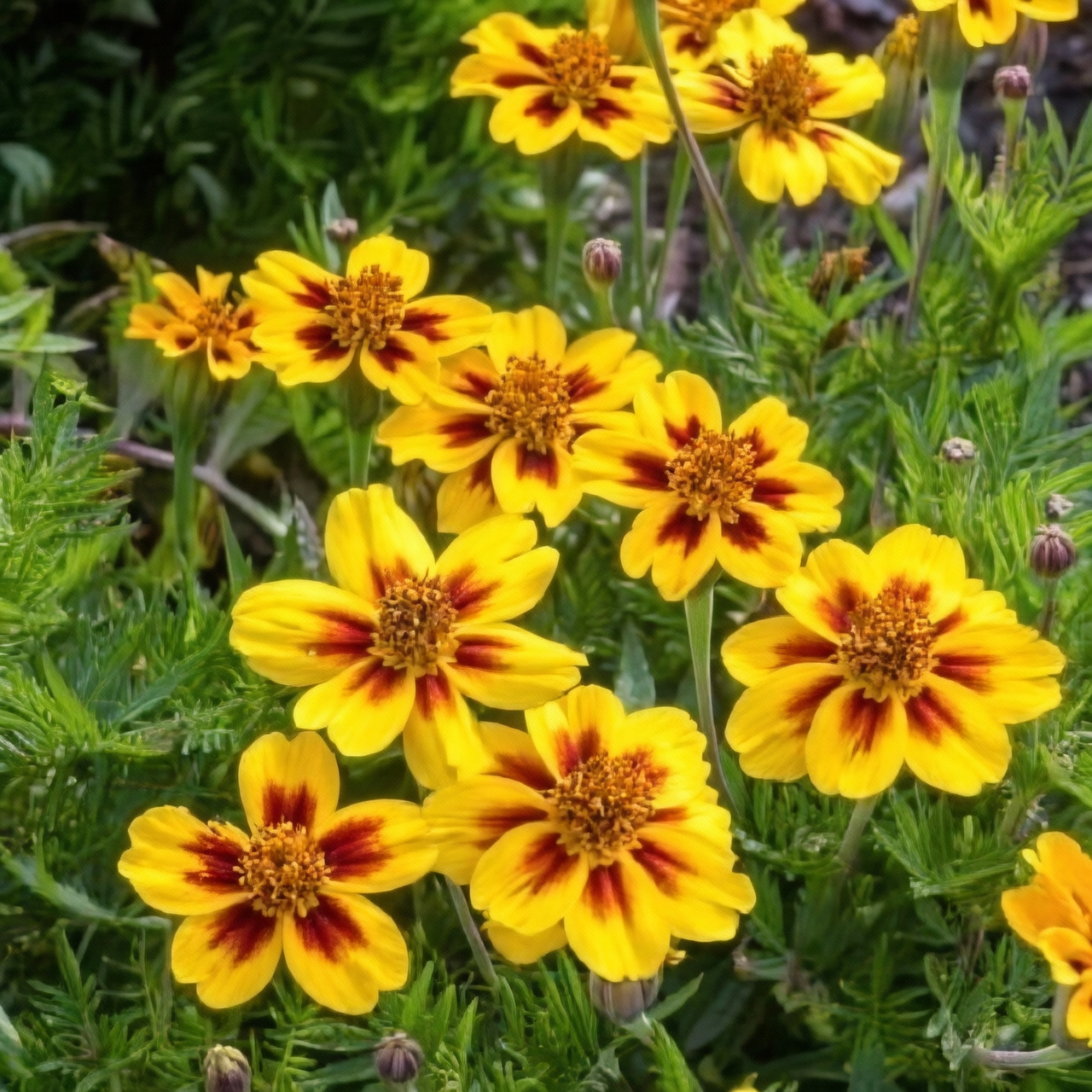
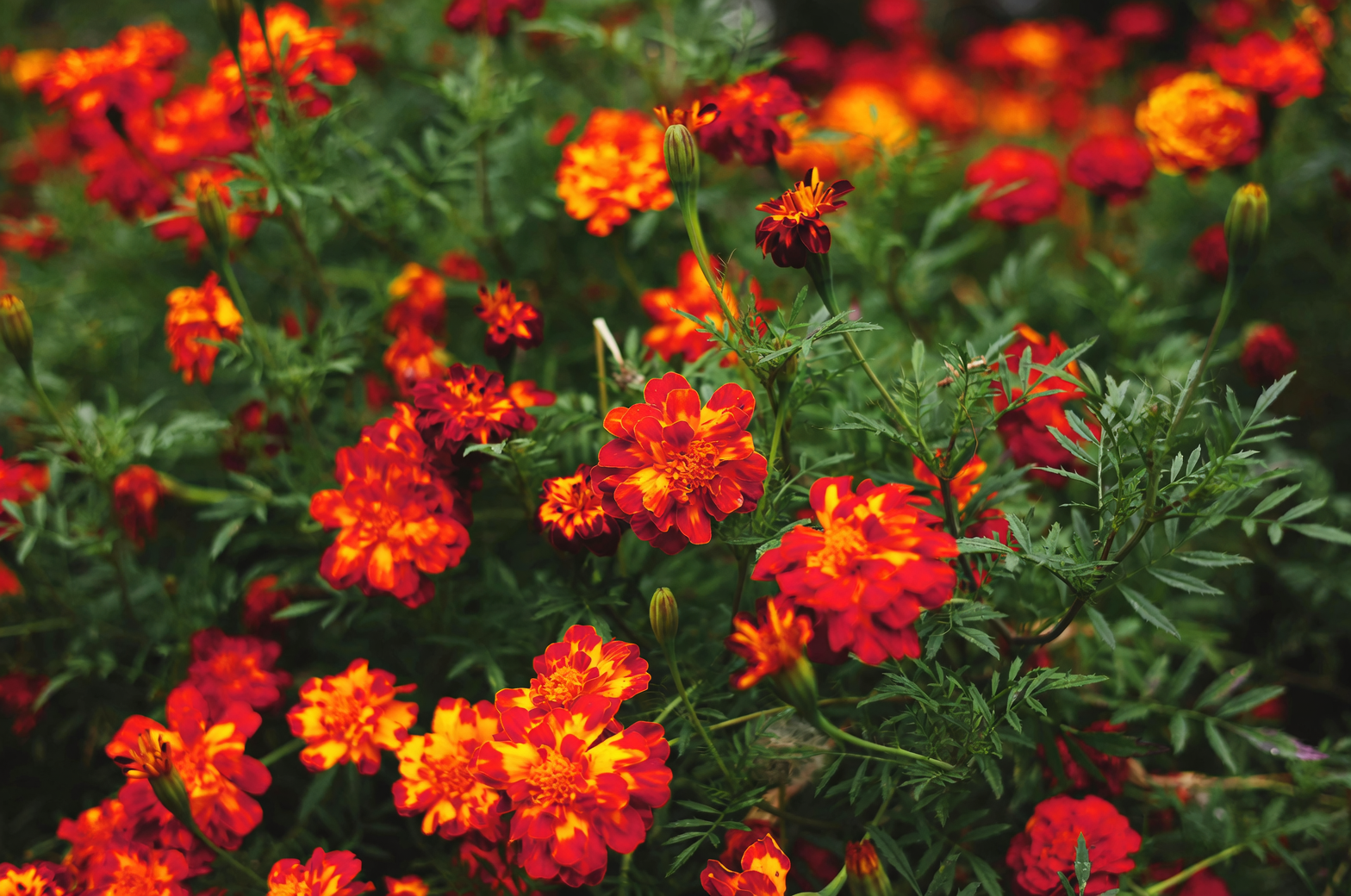
- Look and scent: Ruffled single to double blooms in glowing yellow, orange, red, and bicolors; finely divided, ferny foliage with a pleasantly spicy aroma
- Bloom window: Early summer to frost; flowering often slows in extreme midsummer heat, then rebounds as temperatures cool
- Best conditions: Full sun (6+ hours). In very hot climates, light afternoon shade helps preserve flowers and foliage
- Soil and water: Well-drained soil, pH 6–7; dry-to-evenly moist suits them best
- Extra perks: Easy from seed, drought-tolerant once established, discourages deer and rabbits, supports beneficial insects, and valued in companion planting
Why heat stalls the show—and how to help
When days scorch and nights stay warm, marigolds divert energy from bloom production to survival. Buds may be fewer, smaller, or pause altogether. Your strategy is to lower plant stress without depriving them of essential sun.
The light tweak: give “light afternoon shade” (not full shade)
- Aim for at least 6 hours of direct sun. In hot-summer regions, shade from roughly 2–5 p.m. can keep plants cooler without sacrificing bloom.
- How to provide it:
- Position near a taller companion that casts dappled shade in midafternoon (peppers, tomatoes on cages, airy grasses).
- Use 20–30% shade cloth on the west side during heat waves.
- Site pots where a wall or railing throws brief afternoon shade.
- Avoid overdoing shade—too little sun means fewer flowers.
Watering for resilience: deep, then let the surface dry
French marigolds handle dry spells, but they flower best with consistent, non-soggy moisture—especially in heat.
In-ground plants
- Water deeply, then wait: Soak soil to 6–8 in (15–20 cm) depth, then let the top inch dry before watering again.
- Frequency guide: About once per week in normal weather; every 4–5 days in heat waves, adjusted for your soil type.
- Best timing: Early morning. Always water at soil level to keep foliage dry and reduce disease.
Containers
- Check daily in hot spells. Water when the top 1 in (2–3 cm) is dry.
- Water thoroughly until a little drains from the bottom; empty saucers.
- Expect to water more often than in-ground plants. Small pots dry fastest.
- Use a high-drainage potting mix and a container with ample drainage holes.
Pro tip: Mulch in beds with a light, airy layer (1–2 in/2–5 cm) of shredded bark or straw to buffer swings in temperature and moisture. Keep mulch a couple of inches off the stems to prevent rot.
Container refresh: revive tired pots midseason
Heat, frequent watering, and fertilizer salts can leave potted marigolds weary by late July. A 15-minute refresh can perk them up.

- Loosen and top-dress: Scratch the top 1–2 in (2–5 cm) of mix, remove any crust, and replace with fresh potting mix.
- Leach salts: Water thoroughly until runoff, pause 10–15 minutes, and water again to flush excess fertilizer residues.
- Light feeding: If growth is weak, apply a light dose of a balanced fertilizer (e.g., 10-10-10) at half strength. Avoid high-nitrogen formulas that push leaves over flowers.
- Space check: Overcrowding invites disease in heat. Dwarf types are often happy in 6-in (15 cm) pots (commonly 2–3 per pot), while standard types appreciate 12-in (30 cm) containers; avoid cramming too many together.
- Pot choice matters: Light-colored pots stay cooler; terra-cotta breathes but dries faster. Choose what suits your watering routine.
Coaxing blooms back after a midsummer stall
When temperatures cool slightly—or right as a heat wave breaks—invite a flush of new color with these steps:
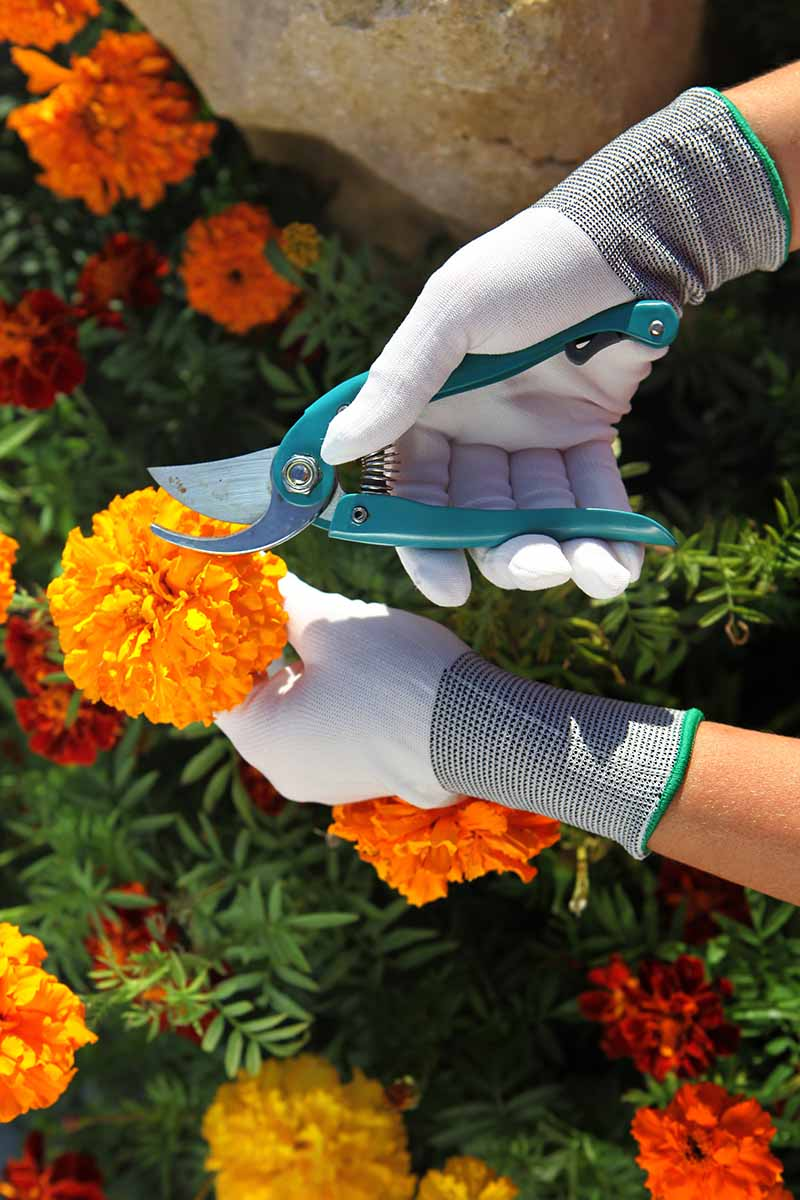
- Deadhead thoroughly
- Remove every spent bloom, snipping just above a leaf node.
- Shear lightly for a reset
- If plants are leggy, trim stems back by up to one-third, cutting just above a leaf set. This stimulates branching and bud formation.
- Water deeply, then evenly
- Follow the deep-then-dry-surface rhythm to support new growth without saturating roots.
- Feed lightly (only if needed)
- A gentle, balanced feed at half strength jump-starts recovery. Avoid heavy nitrogen.
- Fine-tune light
- As the worst heat passes, ease off any added shade so plants regain full sun and maximum bloom.
What to expect: With good moisture and a light trim, you’ll often see new buds forming within 1–3 weeks as nights cool toward the ideal flowering range (around 68–75°F / 20–24°C).
Heat-time pest patrol: mites and thrips
Hot, dry weather favors certain sap-suckers that can further stall blooms.
- Spider mites
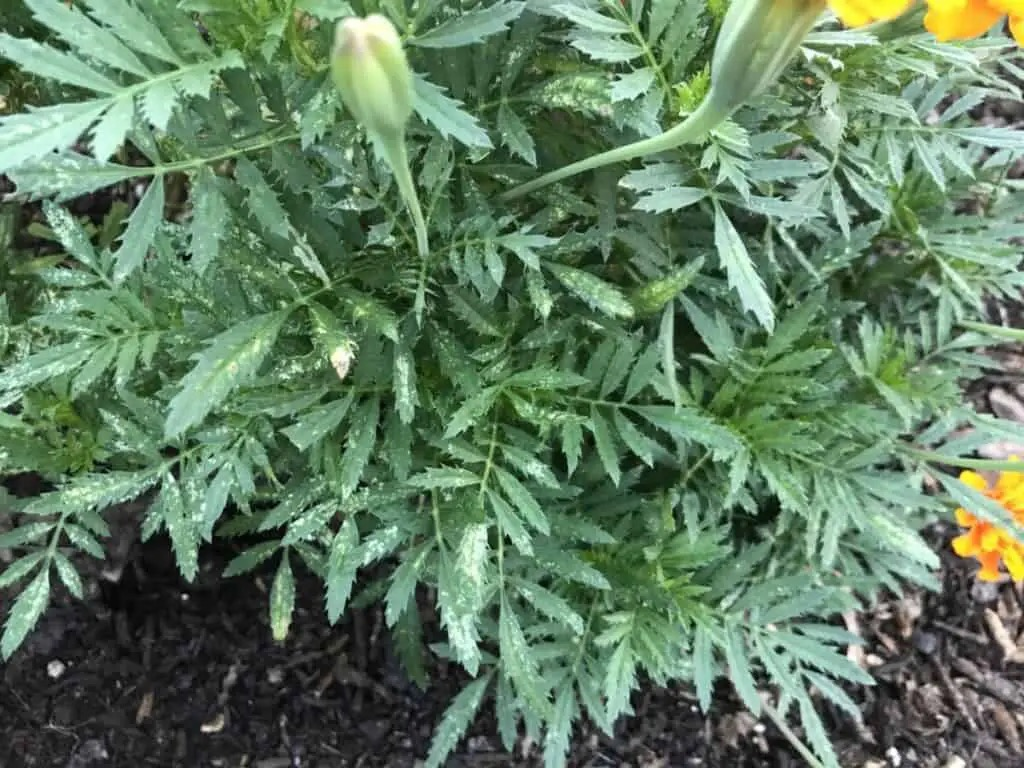
- Symptoms: Fine stippling, pale or bronzed leaves, delicate webbing.
- Fix: Blast undersides of leaves with a strong water spray every few days; follow with neem or horticultural oil for heavier infestations. Improve airflow.
- Thrips
- Symptoms: Distorted buds/flowers, silvery streaks.
- Fix: Sticky cards to monitor; prune and discard heavily damaged blooms; use neem or horticultural oil as needed.
- Fungal and bacterial leaf spots
- More common with crowding and wet foliage. Space plants 10–12 in (25–30 cm) apart, water at the base, and remove badly affected leaves.
Soil, feeding, and spacing—keep it simple
- Soil: Well-drained is the nonnegotiable. Loam, sandy, or even clayish soil can work if drainage is decent; pH around 6–7.
- Feeding: Not heavy feeders. Mix in a balanced fertilizer at planting in poor soils or containers; go easy thereafter. Overfeeding (especially nitrogen) trades flowers for foliage.
- Spacing: 10–12 in (25–30 cm) between plants encourages airflow, reduces disease, and helps them handle heat better.
Heat-wave playbook (at-a-glance)
- Morning soak at soil level; allow the surface to dry before the next deep watering.
- Provide light afternoon shade (2–5 p.m.) without dropping total sun below 6 hours.
- Mulch beds lightly; keep mulch off stems.
- Flush container salts; top-dress with fresh mix.
- Deadhead often; shear lightly if plants get leggy (remove no more than one-third).
- Scout for mites and thrips; use water sprays and neem/horticultural oil if needed.
Design and companion ideas that help in heat
- Along hot paths and borders, pair French marigolds with heat-hardy herbs (rosemary, thyme) that cast gentle afternoon shade.
- In edible gardens, tuck them among tomatoes and peppers—great companions that attract beneficial insects and help suppress root-knot nematodes.
- Choose modern, heat-savvy series such as Hot Pak, Durango, or Safari; classics like ‘Naughty Marietta’ and ‘Super Hero Spry’ bring time-tested vigor.
Seasonal notes
- Spring: Start seeds indoors 6–8 weeks before last frost or sow/plant out after frost risk passes.
- Summer: Peak color. In extreme heat, add light afternoon shade, keep watering consistent, deadhead, and feed only if growth is weak.
- Autumn: Blooms continue right up to frost in most regions.
- Winter: Not frost-hardy—grown as an annual in USDA Zones 2–11.
Safety and ease
- Beginner-friendly and forgiving—great for kids’ gardens.
- Low-toxicity, though the aromatic foliage can irritate sensitive skin; wear gloves if needed.
- Strong scent tends to discourage deer and rabbits.
Flower language and cultural threads
“Marigold” has carried many meanings. In Western floriography (the Victorian “language of flowers”), French marigolds often signal warmth, affectionate devotion, and steadfast love. Yet in some traditions they’re also linked with grief or remembrance—an echo of their vivid presence in memorial contexts. While the “French” marigold’s roots are in Mexico and Central America, the genus Tagetes has long been woven into ritual and protective uses, and marigolds are famously prominent in Mexican celebrations honoring loved ones. In gardens today, many still view them as bright, lucky guardians that keep negativity—and a fair number of pests—at bay.
Final nudge
When the dog days arrive, think like a marigold: keep your roots cool, your afternoons dappled, and your energy focused on resilience rather than sprinting. With a little shade, a deep drink, and a quick summer haircut, Tagetes patula will turn the heat break into an encore—ruffled, radiant, and ready to bloom until frost.