
French marigolds (Tagetes patula) are the little dynamos that can turn a porch, path, or patch of soil into a joyful parade of color—without demanding much in return. Their ferny, airy foliage and ruffled blooms in gold, orange, red, and irresistibly fun bicolors make them stars of containers and borders. Here’s how to harness dwarf and standard forms, smart color pairings, and heat-wise placement for curb appeal that doesn’t quit.
Meet Tagetes patula, fast
- Native roots: Mexico and Central America (Mexico, Guatemala)
- Habit: Compact, bushy annual, 15–30 cm tall and about 15–20 cm wide
- Flowers: 2.5–7.5 cm across, single to fully double, often frilly and crested
- Season: Early summer to frost (blooms may pause in extreme heat, then bounce back)
- Foliage: Finely divided, fern-like, with a pleasant spicy scent
- Style notes: Easy-going, long-blooming, drought-tolerant once established, and fabulous in pots, edging, and veggie beds
Design by size: dwarf vs. standard for containers and borders
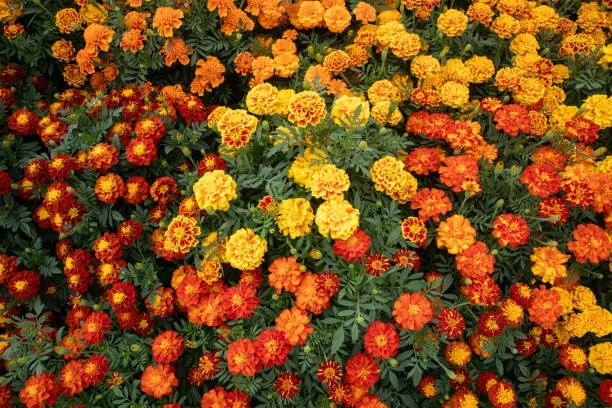
Dwarf workhorses (compact 15–20 cm)
Perfect for:
- Edging and ribbons along paths, steps, and front-of-border seams
- Window boxes and compact pots where a neat, “buttoned” profile shines
- Tight geometric plantings (checkerboards, polka-dots, ombré drifts)
Try:
- Ultra-compact, heat-hardy series: Hot Pak
- Classic, floriferous dwarfs: Boy O’ Boy, Janie, Little Hero
- Bicolor icons: Super Hero Spry (AAS 2018), Naughty Marietta (AAS 1947)
Design trick:
- Dwarfs love structure. Run a crisp gold or bicolor edging along a walkway, then soften with feathery fillers like Euphorbia ‘Diamond Frost’ just behind.
Container cues:
- Use 15 cm pots for dwarf types; 2–3 plants per pot give a plush, brim-to-brim look without crowding.
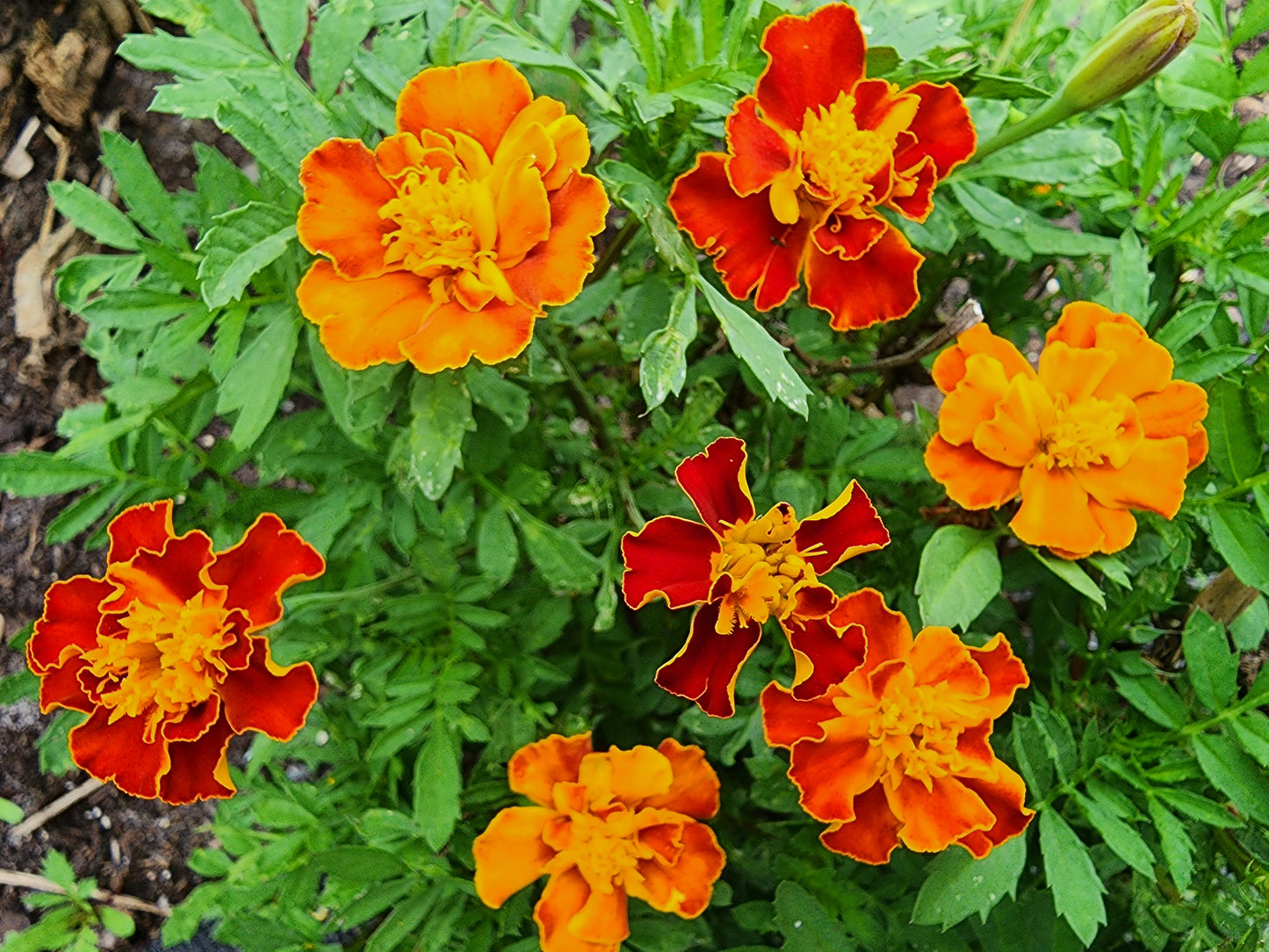
Standard border-stitchers (topping out around 25–30 cm)
Perfect for:
- The mid-to-front border layer behind dwarf edging
- Stand-alone statement containers where a little more height sells the show
- Mixing with low ornamental grasses and broad-leaved companions for foliage contrast
Try:
- Full, showy series: Durango, Safari, Bonanza, Aurora, Disco (singles), Hero
Design trick:
- “Tier the cheer.” Edge with dwarf bicolors, then plant a ribbon of standard orange or gold marigolds behind, followed by airy grasses (Pennisetum setaceum ‘Rubrum’ or a compact Carex) to lift the whole composition.
Container cues:
- Standard forms are happiest in about 30 cm containers; one plant can anchor a pot, or group with airy spillers so the marigold remains the focal “firework.”
Color pairing playbook: gold, orange, red, and bicolors
- Sunlit classic: Gold marigolds + sky-blue annuals (petunia, lobelia, scaevola) for a fresh, seaside vibe.
- Warm sunset: Blend orange, tangerine, and deep red forms in loose drifts; anchor with burgundy foliage (coleus or purple basil) for depth.
- Bicolor pop: Use yellow-with-maroon-blotch cultivars as “exclamation marks” every 30–45 cm along an edging.
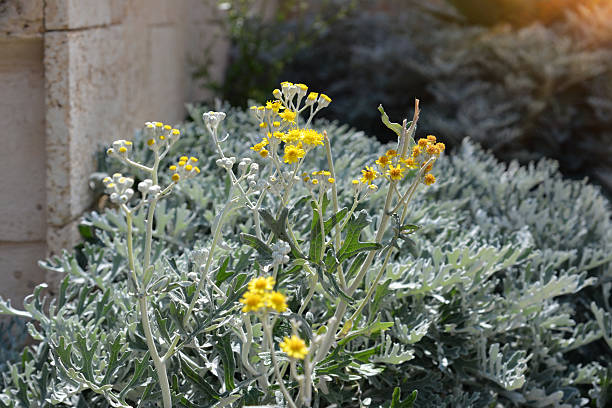
- Sophisticated citrus: Lemon-gold marigolds with silver accents (dusty miller, silvery artemisia) read bright but refined.
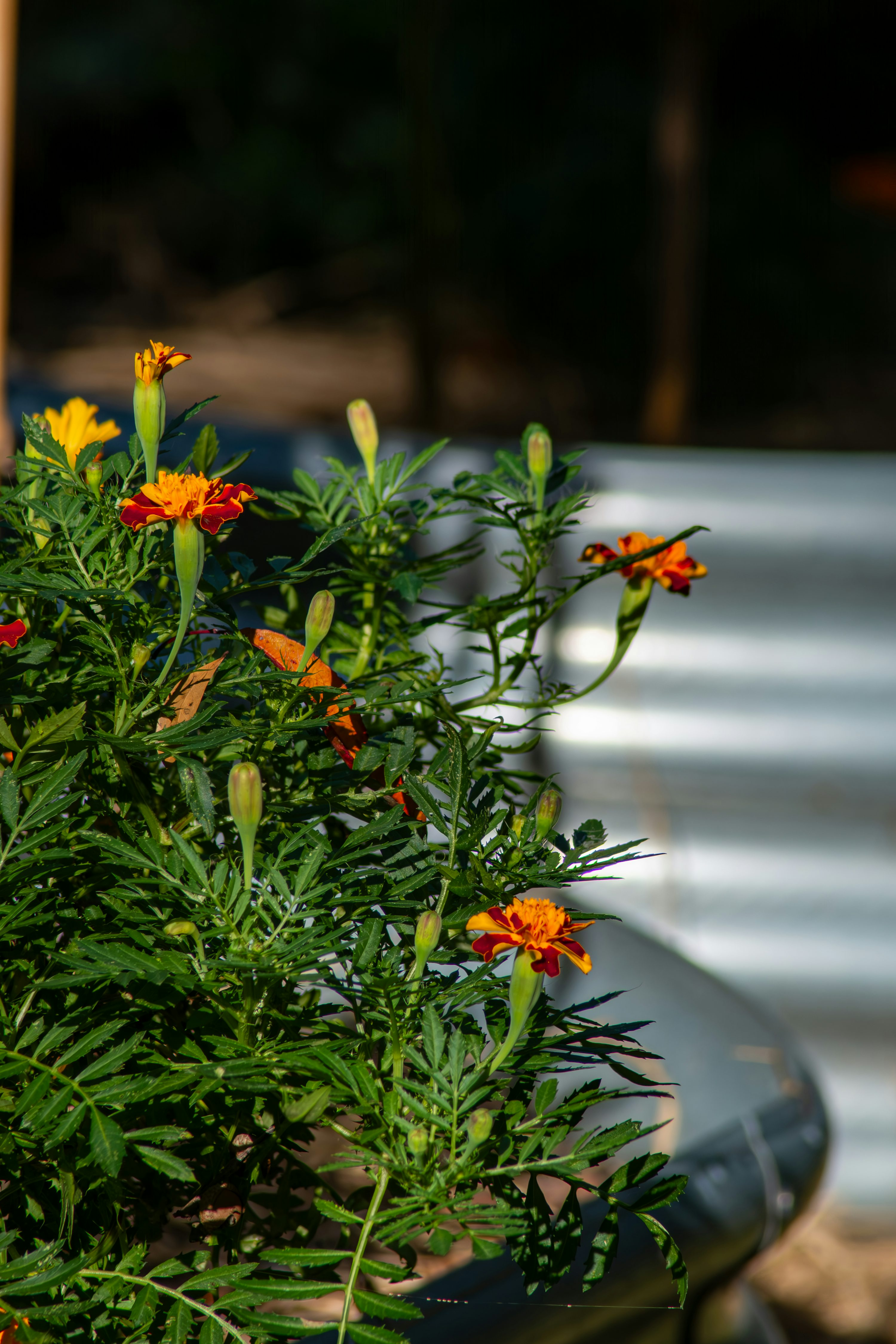
- Night-spark glow: Deep red marigolds against dark mulch and a touch of white (alyssum, euphorbia) make the blooms “glow” at dusk.
Tip:
- For a curated look, limit to one warm hue plus a neutral (silver, white, or deep burgundy foliage). For festive energy, mix two warm hues and scatter bicolors through the middle third of the planting.
Foliage contrast that makes the flowers sing
French marigold leaves are fine-textured and airy—use that to your advantage.
- Pair with broad leaves for bold contrast: coleus, sweet potato vine (chartreuse or deep purple), or edible Swiss chard.
- Echo the fine texture with wisps: Euphorbia ‘Diamond Frost’, feathery dill, or fine grasses to keep compositions light and breezy.
- In the vegetable garden: Stitch marigolds between tomatoes or peppers; the roots help suppress root-knot nematodes and the flowers attract beneficial insects.
Heat-smart placement for nonstop curb appeal
- Sun strategy: Full sun is best, but in very hot climates, light afternoon shade keeps blooms coming when midsummer sizzles.
- Choose heat-savvy series: Hot Pak and other compact lines keep color rolling when humidity and heat rise.
- Site tweaks:
- Keep containers off blazing west-facing walls or reflective pavement; elevate pots slightly to improve airflow.
- Use light-colored containers to reduce root-zone heat.
- Space plants 25–30 cm apart in beds for airflow that discourages mildew and leaf spots.
- Watering rhythm: After establishment, let the top of the soil dry, then water deeply. In hot spells, containers may need water about twice weekly; always water at soil level to keep foliage dry.
- Expect the ebb-and-flow: Flowering may slow in peak heat—it’s normal. Deadhead and keep moisture steady; blooms rebound as temperatures ease.
Tried-and-true container recipes
1) Front-porch firecracker (30 cm pot)
- Center: One standard marigold (orange or gold) as the anchor
- Sides: Silver foliage (compact dusty miller) for cool contrast
- Edges: A spill of white alyssum to brighten and bridge textures
2) Sunstripe window box
- Repeating units 25–30 cm apart: Dwarf bicolor marigolds (e.g., Naughty Marietta or Super Hero Spry)
- Between each: Tufts of blue lobelia or scaevola
- Result: A lively gold-red-blue cadence with airy flow
3) Kitchen-door companion tub
- Ring: Dwarf marigolds spaced evenly around the edge
- Center: Compact basil or patio tomato
- Bonus: Pollinator-friendly, pretty, and practical for pest-sensible growing
Border blueprints that always work
- Ribbon edging: Single-hue dwarf marigolds form a clean visual line along paths; add a second line of silver or white for a “tailored” finish.
- Checkerboard: Alternate gold and bicolor dwarfs in a grid for a playful, cottage feel.
- Ombre drift: Blend from lemon-gold at the front to tangerine and finally deep red toward the mid-border using increasing plant height (dwarfs → standards) to amplify depth.
Keep them humming: simple care
- Sun: Full sun; light afternoon shade in scorching regions
- Soil: Well-drained, moderately fertile; pH around 6–7
- Water: Deeply after the top soil dries; containers need more frequent watering in heat
- Feeding: Not heavy feeders—mix a balanced fertilizer at planting for containers or depleted beds; avoid excess nitrogen
- Grooming: Pinch early tips for fullness; deadhead to fuel more blooms; if leggy, trim lightly above a leaf set
- Spacing: 25–30 cm apart in beds; avoid crowding in containers
- Pests/disease: Watch for spider mites and thrips; improve airflow and keep foliage dry to deter mildew and leaf spots; good drainage prevents root rot
- Wildlife/little hands: Scent discourages deer and rabbits; sap can irritate sensitive skin—gloves help
- Season notes: Annual in USDA Zones 2–11; blooms from early summer to frost; not frost-hardy
Quick cultivar cheat sheet
- Dwarf/compact stars: Hot Pak, Boy O’ Boy, Janie, Little Hero, Super Hero Spry (AAS 2018), Naughty Marietta (AAS 1947)
- Standard/medium favorites: Durango, Safari, Bonanza (double crests), Aurora (anemone-like), Disco (single), Hero
Flower language, history, and meaning—design with heart
French marigolds wear a warm smile, but their symbolism runs deeper. Across traditions they can signal warmth, passionate affection, and steadfast love—yet also grief and bittersweet remembrance. In Mexico’s Day of the Dead, marigolds guide loved ones home with color and scent; in Victorian floriography, their bold hues sometimes hinted at the complexity of love and loss. That duality is powerful in design:
- Celebratory entry: Use golden and orange marigolds with white companions for joy and welcome.
- Reflective borders: Weave in bicolors and rich reds near a bench or memorial space to balance brightness with contemplative tones.
Quick answers to common questions
- Do they come back? They’re annuals; original plants die with frost. Leave a few spent blooms to mature and you may find happy self-seeded volunteers next year.
- How do I keep blooms nonstop? Full sun, steady (not soggy) moisture, light feeding in containers, and regular deadheading. If heat stalls flowers, they’ll pick up again as temperatures cool.
- Why the leaf spots or browning? Often wet foliage or crowded spacing. Water at the base, improve airflow, and remove heavily affected leaves.
Bring on the gold, the spice, and the sparkle—Tagetes patula turns ordinary edges and pots into head-turning, heat-savvy displays with almost effortless charm. With the right size in the right spot, and a few smart pairings, you’ll have color from summer’s first fanfare to the very last encore before frost.