
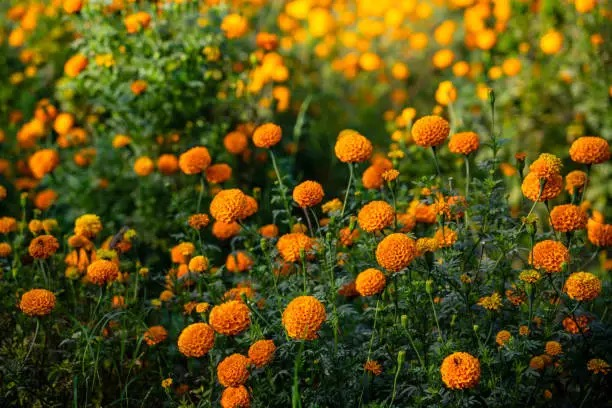
French marigolds (Tagetes patula) are the little powerhouses of summer: compact, bushy, fragrant, and endlessly colorful from early season to frost. They’re famously easy from seed—but doing it “pro level” means dialing in germination temperature, light, thinning, hardening off, spacing, and strategic pinching for lush, flower-packed plants. Here’s your deep dive, plus a practical, week-by-week timeline from first sow to first show.
H2: Seed to seedling: setting up perfect germination
French marigold seeds are uncomplicated and quick. Give them warm, evenly moist soil and they reward you with fast, uniform sprouts.
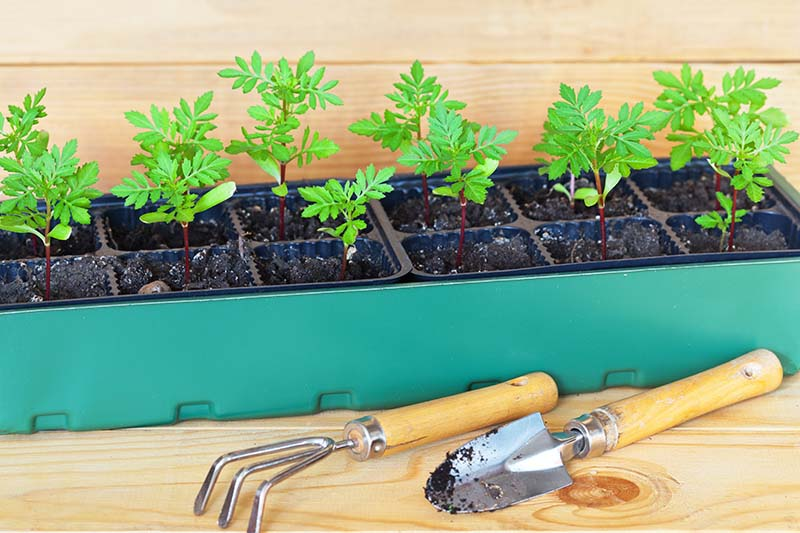
- Ideal temperature: 21–24°C (70–75°F). That’s the sweet spot for strong, speedy germination.
- Depth: 6 mm (1/4 in). Covering ensures good seed-to-soil contact and prevents drying—these seeds don’t need light to sprout.
- Timing:
- Indoors: Start 6–8 weeks before your last frost.
- Outdoors: Direct sow after all frost danger has passed and soil is warm.
- Medium: A fine-textured, well-drained, sterile seed-starting mix. Overly rich mixes can stay too wet.
- Moisture: Keep consistently moist but never waterlogged. A humidity dome helps early on—vent daily to prevent fungal issues.
- Bottom heat: Optional but helpful. A heat mat set near 21–24°C speeds and evens out germination (usually 7–14 days).
Pro tip: The moment you see green, remove the dome and move seedlings under bright light to prevent legginess.
H2: Light needs at each stage
- Germination: No light required. Once they crack, light is crucial.
- Seedlings indoors: Provide strong, close lighting for 14–16 hours daily. If using LED or fluorescent fixtures, keep them just a few inches above the canopy and raise as plants grow. Leggy stems = not enough light or too much heat.
- Outdoors in the garden: Full sun is best (6+ hours/day). In very hot regions, a touch of light afternoon shade keeps flowers coming when midsummer is intense.
H2: Thinning, pricking out, and spacing that prevents problems
- Pricking out (indoors): Move seedlings from cell trays to individual plugs/pots when the first set of true leaves appears. Handle by leaves, not stems.
- Thinning (direct-sown): When seedlings have 2–3 true leaves, thin to:
- 25–30 cm (10–12 in) between plants.
- Final spacing in beds: 25–30 cm (10–12 in) all around. This spacing:
- Builds a dense, tidy drift without overcrowding.
- Improves air circulation to reduce leaf spot and mildew risk.
- Containers:
- Dwarf types: a 15 cm (6 in) pot fits 2–3 plants comfortably.
- Standard French marigolds: a 30 cm (12 in) pot per plant (or a trio in a generous bowl planter) to avoid cramped, disease-prone roots.
H2: Pinching for bushier, bloomier plants
A single, early pinch multiplies stems and flower count.
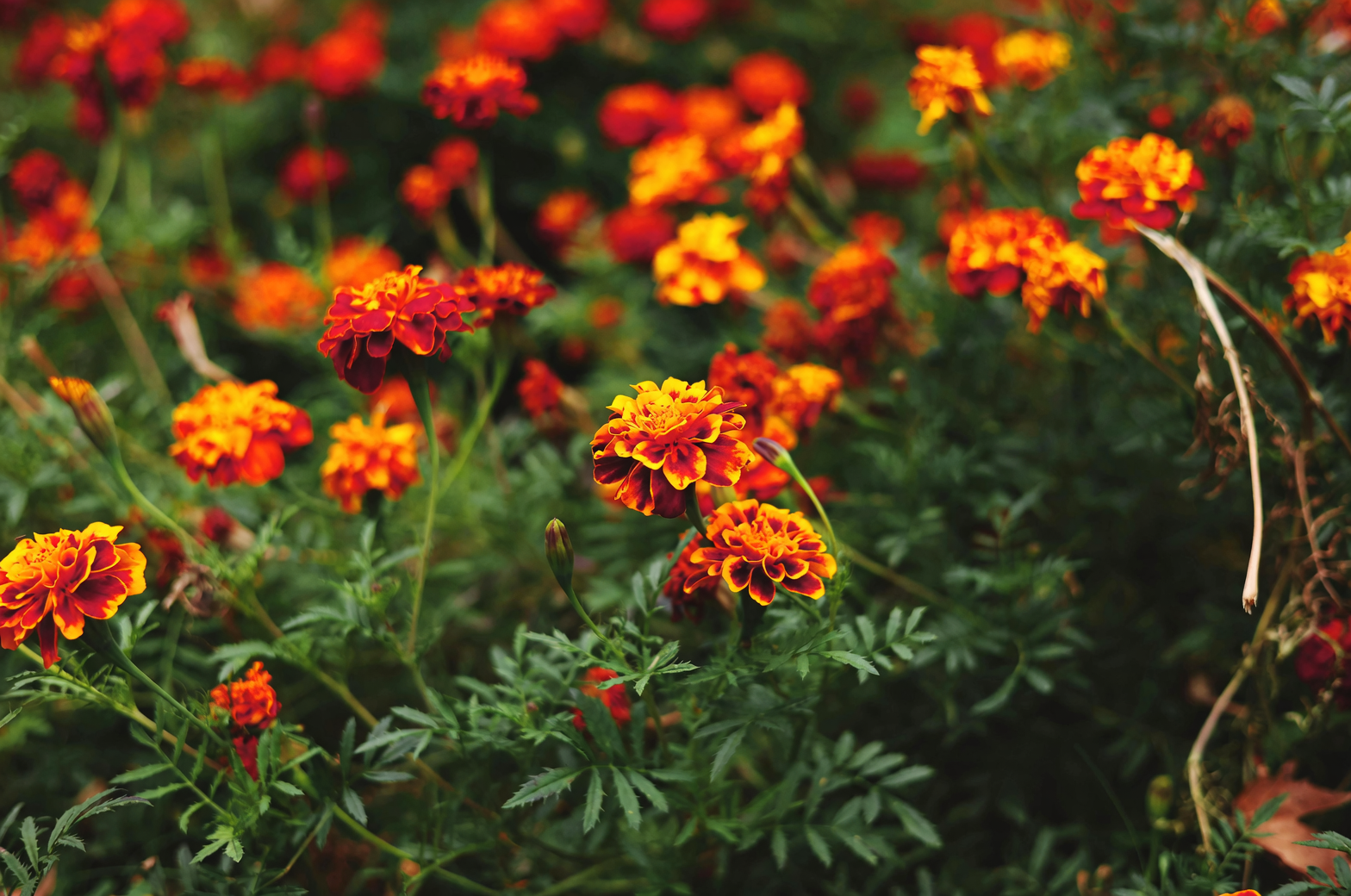
- When to pinch: Once seedlings are sturdy with 4–6 true leaves (often 2–3 weeks after germination indoors), nip out the growing tip just above a leaf node.
- How much to remove: A soft pinch—only the top 0.6–1.2 cm (1/4–1/2 in) and its tip—encourages branching without shocking the plant.
- Expectation: Pinching can delay the very first bloom by about a week, but you’ll get a fuller plant with more flowers overall.
- After transplant: If you didn’t pinch indoors, you can still lightly pinch a week after planting out, before visible buds form.
H2: Hardening off without hiccups
French marigolds aren’t frost-hardy, so think “gentle graduation” from cozy indoors to real-world weather.
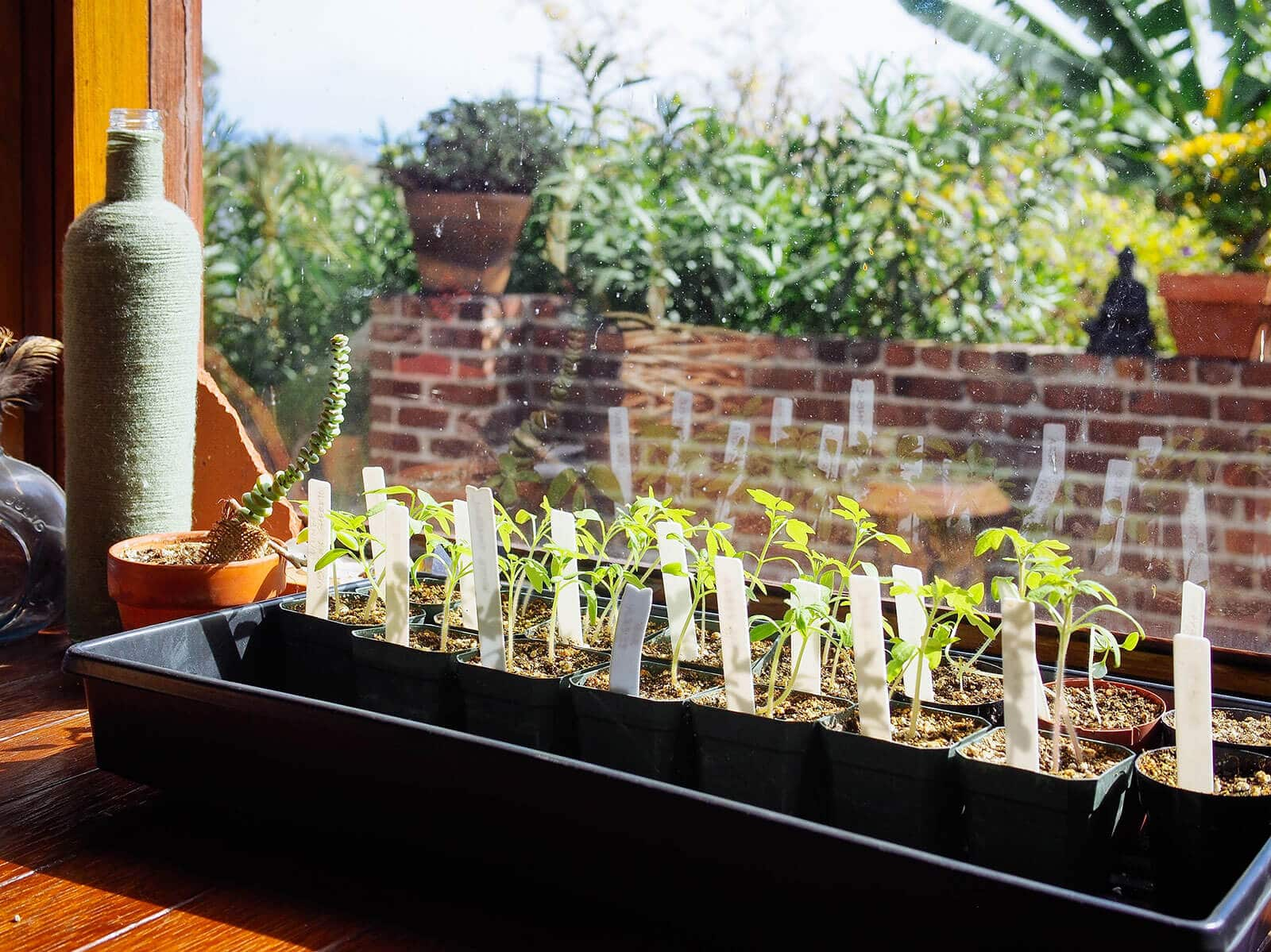
- Start 7–10 days before transplanting.
- Steps:
- Day 1–2: Place plants outdoors in bright shade/sheltered area for 2–3 hours. Bring them back in.
- Day 3–5: Increase outdoor time to 4–6 hours; introduce morning sun.
- Day 6–7: Full days outside in increasing sun. Protect from strong wind.
- Transplant after frost danger passes and soil is draining well.
- Watch temps: Growth slows near 4°C (40°F); avoid cold snaps. If nights dip, pause the process.
H2: Transplanting and site prep
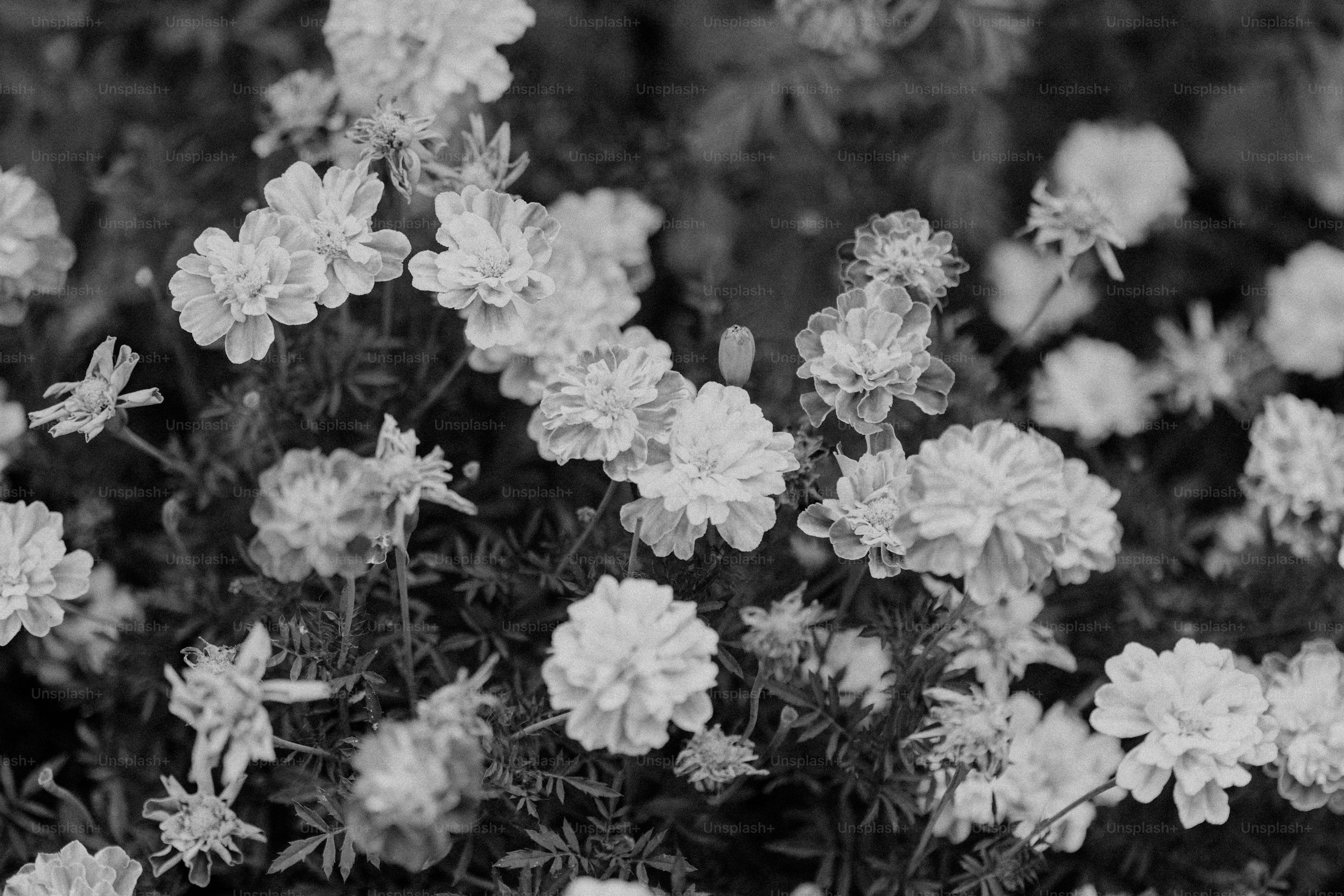
- Sun: Full sun produces the most blooms. In scorching climates, light afternoon shade helps during peak heat.
- Soil: Well-drained is non-negotiable. Moderately fertile, pH ~6–7. Sandy, loamy, or even clay soils are fine if drainage is good.
- Feeding: Not heavy feeders. Mix in a balanced, modest fertilizer at planting (e.g., 10‑10‑10) only if your soil is poor. Too much nitrogen = leaves over flowers.
- Watering in: Soak the root zone after planting. Thereafter, let the top of the soil dry to the touch between thorough waterings.
H2: The week-by-week timeline: from sow to show
Choose your path—Indoor Start or Direct Sow—and follow the clock.
H3: Indoor Start (6–8 weeks before last frost)
- Week −8: Sow seeds 6 mm (1/4 in) deep in warm (21–24°C) mix. Keep evenly moist. No light needed until germination.
- Week −7: Sprouts appear (days 7–14). Move under strong light for 14–16 hours/day. Keep temperatures mild and even.
- Week −6: First true leaves. Prick out to individual cells/pots. Begin a very light, balanced feed if using soilless mix.
- Week −5: Soft pinch above a leaf node when plants have 4–6 true leaves. Increase airflow (small fan or gentle daily brush) to strengthen stems.
- Week −4: Pot up if roots fill cells. Aim for compact growth: bright light, moderate temps, and slightly drier intervals between waterings.
- Week −3: If weather is settling, start brief outdoor field trips in bright shade to pre-harden.
- Week −2: Full hardening week—extend outdoor time and sun exposure daily. Prep beds/containers; confirm final spacing (25–30 cm).
- Week −1/0: Transplant after frost danger passes. Water in at the base. Optional: a second tiny pinch only if plants haven’t set visible buds.
- Week +1 to +2: Establishment. Expect steady vegetative growth. Keep moisture consistent; no heavy feeding.
- Week +3 to +4: First buds often show. In extreme heat, brief afternoon shade helps sustain flowering.
- Week +5 to +6: First strong flush of color—your show begins. Start regular deadheading to keep blooms rolling to frost.
H3: Direct Sow (after last frost)
- Week 0: Rake a fine seedbed in full sun. Sow 6 mm deep; water gently.
- Week +1 to +2: Germination. Keep soil evenly moist.
- Week +3: First true leaves. Thin ruthlessly to 25–30 cm spacing for best airflow and flowering.
- Week +4 to +6: Plants fill in. A light pinch (if still pre-bud) can boost branching.
- Week +7 to +9: First blooms open. Deadhead to fuel continuous color.
Note: French marigolds flower best around 20–24°C (68–75°F). In midsummer extremes, blooming may pause and then pick up again as temperatures ease.
H2: Watering, feeding, and simple routines that maximize bloom
- Water: After establishment, let the topsoil dry before soaking thoroughly. In hot spells, containers may need watering twice weekly. Always water at soil level to keep foliage dry.
- Feeding: Light hand only. In poor soils or containers, a modest balanced feed at planting is plenty. Overfeeding, especially with nitrogen, gives you leaves instead of flowers.
- Deadheading: Remove spent blooms regularly to prevent self-seeding if you want nonstop color. Leave a few at season’s end if you enjoy surprise seedlings next year.
H2: Quick propagation troubleshooting
- Leggy seedlings: Increase light intensity/duration and slightly lower indoor temps. Avoid overwatering.
- Damping-off: Use sterile mix, sow shallowly, provide airflow, and avoid soggy conditions.
- Patchy germination: Check depth (6 mm), temperature (21–24°C), and seed freshness. Overly cold or saturated media slow/stop sprouting.
- Transplant shock: Harden off longer, water in thoroughly, and avoid disturbing roots.
- Fungal leaf spots/powdery mildew: Improve spacing (25–30 cm), water at the base, and remove affected leaves.
- Pests: Spider mites and thrips are the usual suspects. Start with a strong water spray; escalate to neem or horticultural oil if needed.
H2: Where and how they shine in the garden
- Size and habit: Compact, bushy 15–30 cm (6–12 in) tall, 15–20 cm (6–8 in) wide—neat edging, path-lining, and container naturals.
- Companion planting: A classic alongside vegetables (tomatoes love them). Their roots help suppress root‑knot nematodes and the flowers support beneficial insects.
- Heat and sun: Full sun for best bloom; light afternoon shade in very hot climates helps during heat spikes.
H2: Cultivars worth sowing
- Tried-and-true winners: ‘Naughty Marietta’ (AAS 1947) and ‘Super Hero Spry’ (AAS 2018) for dependable, vivid bicolors.
- Popular series with varied heights and forms: Bonanza, Durango, Safari, Super Hero, Little Hero, Janie, Aurora, Disco, Boy O’ Boy, and Hot Pak. Choose single, semi-double, or crested forms to match your style.
H2: Symbolism and cultural notes
Despite the “French” moniker, Tagetes patula hails from Mexico and Central America. In the language of flowers, marigolds often symbolize warmth, steadfast love, and passionate affection—yet they can also carry a thread of grief or longing, reflecting their long-standing role in memorial traditions. In many cultures they’re considered protective and lucky, used to “brighten” thresholds and ward off negativity. Their star turn in Mexican Day of the Dead celebrations underscores this dual meaning: joy and remembrance, life and memory intertwined.
H2: Your take-home recipe for standout French marigolds
- Sow shallowly (6 mm) into warm media (21–24°C); germination in 7–14 days.
- Blast seedlings with bright light immediately; aim for 14–16 hours indoors.
- Pinch early for branching; don’t wait until buds form.
- Harden off over 7–10 days; never rush frost-sensitive plants.
- Space 25–30 cm apart (or follow container guidelines) for airflow and longevity.
- Water at the base and feed lightly—conservative nutrition equals more flowers.
Follow this plan and your Tagetes patula will go from tiny commas of seed to generous commas of color all along your borders—bushy, fragrant, and blooming their hearts out from early summer to the first frost.