
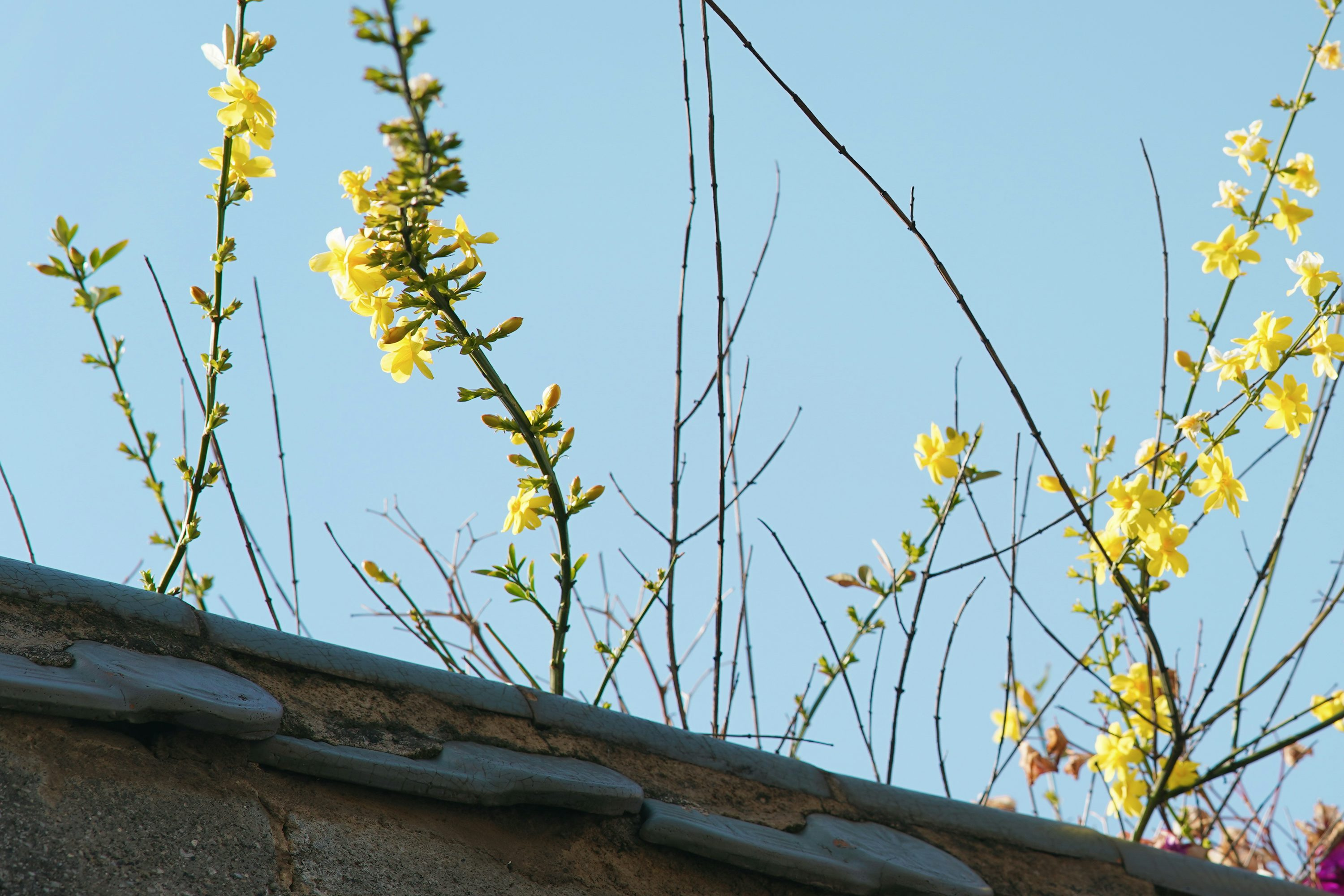
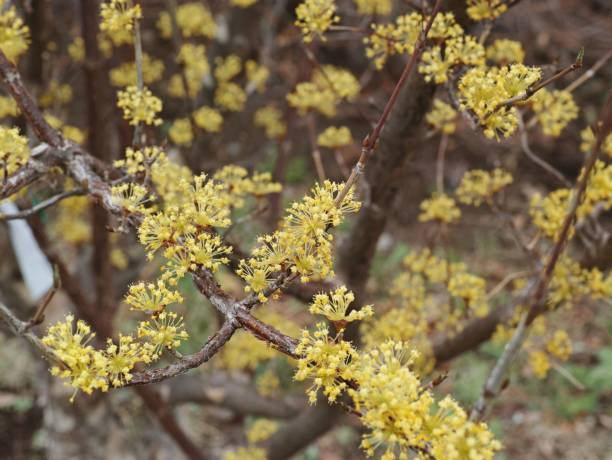
If you’ve ever craved a spark of color when winter still has your garden on pause, Japanese Cornel (Cornus officinalis) is your co-conspirator: clouds of tiny yellow flowers in late winter, a cool, deep-green canopy in summer, fiery leaves and glossy red fruits in fall, then handsome, patchy bark all winter. To get that performance on cue—especially in warm or windy gardens—think like a stage manager. Tweak the light angles, tune the soil, set the mulch, and dial the watering so buds set strong, fruits ripen well, and the plant shrugs off heat and gusts.
Why this matters: Flower buds initiate on last season’s growth and need steady light, moisture, and moderate nutrition to mature. In hot or desiccating wind, buds can abort or foliage can scorch. The following site-tuning playbook stacks the odds in your favor.
The plant at a glance
- Botanical: Cornus officinalis Siebold & Zucc.
- Common names: Japanese Cornel; Japanese Cornelian Cherry; Asiatic/Chinese Cornelian Dogwood
- Habit: Deciduous, multi-stem shrub or small tree, typically 15–26 ft tall, 10–15 ft wide
- Bloom: Late winter to early spring (Feb–Apr), bright yellow clusters on bare branches
- Fruit: Glossy red drupes; edible but tart; wildlife-friendly
- Hardiness: USDA 5–8; thrives with evenly moist, well-drained soil
- Sun: Full sun to partial shade; in hot-summer regions, give light afternoon shade
Tuning the light: angles that build buds and protect in heat
- Morning sun, tempered afternoons: In hot or windy sites, orient the plant to catch strong morning light (east or southeast exposure) and provide dappled shade from 2–5 p.m. This balances energy for bud formation with leaf and bud protection.
- Avoid heat traps: South- or west-facing masonry can overbake buds and fruit in zones with hot summers. If you must plant near walls, add an overhead, latticed light-filter or train a lightweight screen vine nearby to break late-day glare.
- Spacing for light in the crown: Buds form best with air and light. Space plants so their mature canopies barely meet (10–15 ft apart) and thin lightly after flowering to keep an open, rounded structure.
- Wind-smart siting: Place Japanese Cornel on the lee side of permeable windbreaks (hedges or slatted fences), not solid walls. A 40–60% porous barrier slows wind without creating turbulence that can desiccate buds.
Soil tweaks that lock in drainage, moisture, and nutrients
Japanese Cornel likes fertile, well-drained loam or sandy loam that stays evenly moist but never soggy. Slightly acidic to neutral (roughly pH 6.5–7.5) is the sweet spot.
- For heavy clay:
- Incorporate 2–4 inches of compost or leaf mold into the top 10–12 inches of soil over a wide area (at least a 3–5 ft diameter).
- Blend in fine pine bark or grit for structure.
- Create a broad, low mound if drainage is marginal.
- For overly sandy soils:
- Work in compost and a bit of biochar or well-rotted bark to increase water-holding.
- Plan on deeper, less frequent watering once established.
- pH nudge:
- If alkaline, topdress annually with compost and use lightly acidifying mulches (pine needles, shredded bark). Large, rapid pH swings aren’t necessary; steadiness wins.
- Nutrition for buds and fruit:
- Feed lightly in spring with a balanced fertilizer and water in well. Heavy nitrogen leads to soft, leafy growth at the expense of flowers.
- Compost topdressing every spring supports slow, even nutrition—ideal for bud maturation.
Mulch as a microclimate tool
Mulch does more than “look finished”—it cools roots, buffers moisture, and reduces heat stress.
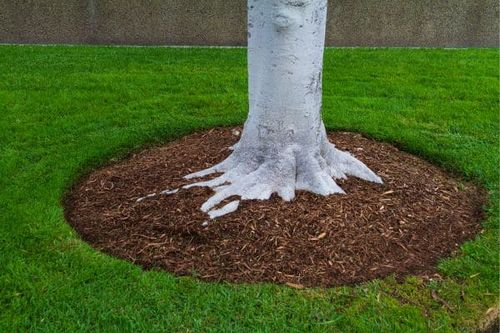
- What and how much:
- 2–3 inches of shredded leaves, pine straw, or composted bark out to and slightly beyond the dripline.
- Keep mulch 3–4 inches away from stems to prevent rot.
- In heat or wind:
- Use slightly heavier-textured mulches (wood chips or bark fines) so gusts don’t lift them.
- Avoid rock or rubber mulches; they store and radiate heat that can stress dogwoods.
- Bonus move:
- In very hot gardens, add a thin, fresh layer in late June to refresh evaporative cooling just before peak summer heat.
Watering cadence that syncs with the plant’s calendar
Even moisture is the single biggest lever for bud retention and fruiting. Think deep and steady, with seasonal nuance.
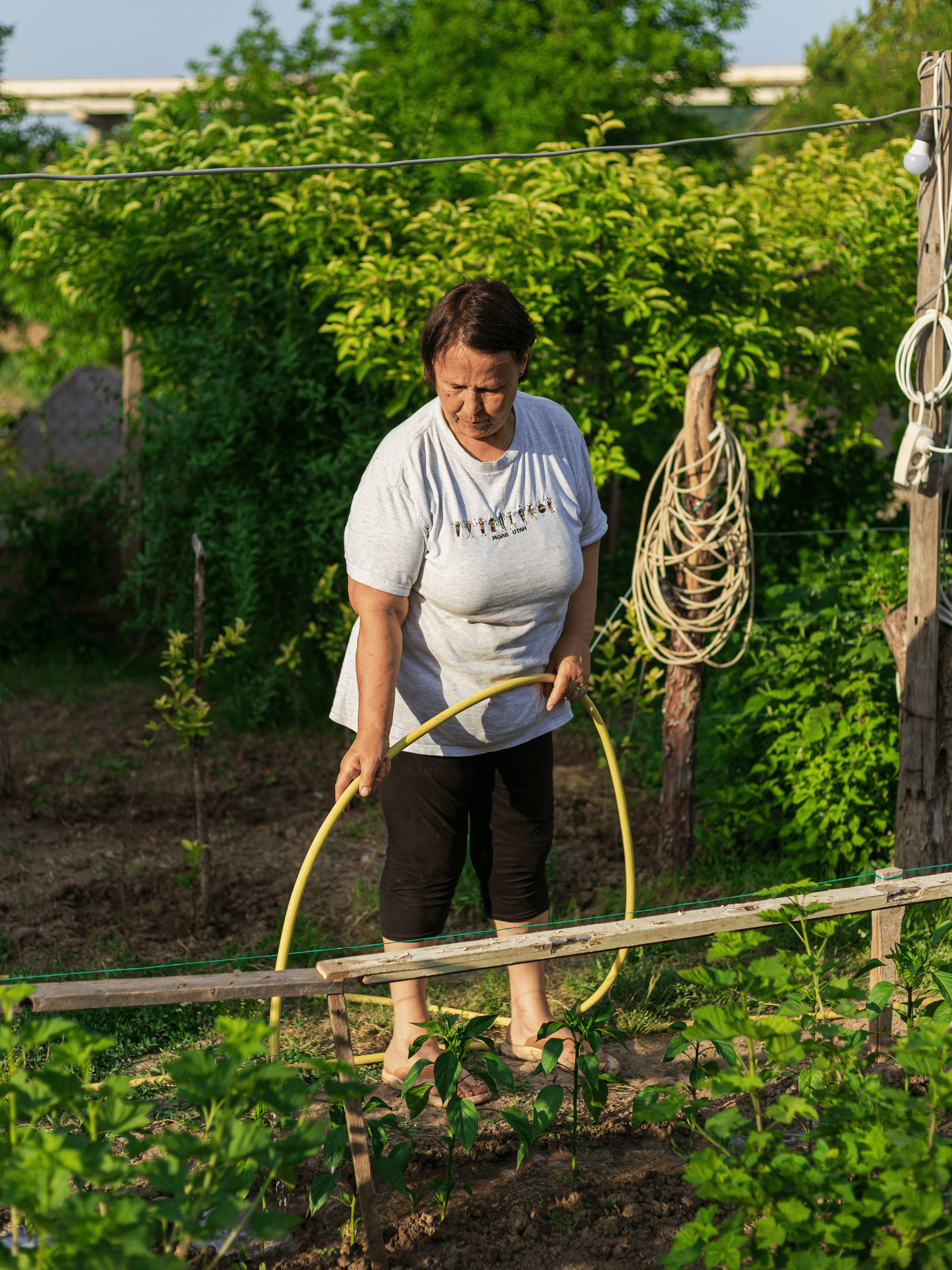
- Establishment (first 1–2 years):
- Keep soil evenly moist—not soggy. A simple test: if the top ~1 inch of soil is dry, water.
- Use a soaker hose or drip line circling the root zone to deliver slow, deep moisture.
- Once established:
- Deeply water, then allow the surface to dry slightly. In typical conditions, this averages about every two weeks during the growing season, but adjust for heat, rainfall, and soil type.
- In hot, windy spells or on sandy soils, you may need to water more often. Prioritize depth over frequency—moisten the soil thoroughly throughout the main root zone.
- Critical timing for buds and fruit:
- Late winter to bloom (Feb–Apr): Ensure the root zone isn’t dry while buds swell and flowers open.
- Mid-summer to early fall: Buds for the next year are forming—avoid drought stress during this window.
- Late fall into early winter: If autumn is dry and ground isn’t frozen, give a deep soak before hard freezes to reduce winter desiccation in windy climates.
- Best practice:
- Water early morning. Avoid wetting foliage routinely; focus on the root zone.
Heat and wind resilience toolkit
- Light afternoon shade: In hot-summer regions, position where light shade lands during the harshest hours. Under a high-canopy tree or beside a latticed pergola works well.
- Wind mitigation:
- Install a permeable windbreak upwind (hedge, staggered fencing).
- For young plants, stake loosely in windy exposures for the first 1–2 seasons to reduce root-rocking while still allowing some movement for trunk strength.
- In very exposed winter sites, temporary burlap screens help protect swelling buds.
- Root-zone cooling:
- Maintain that 2–3 inch mulch layer and keep turfgrass well back; grass steals moisture and radiates heat.
- Reduce stress inputs:
- Skip heavy late-summer fertilizing. Soft, late growth is more vulnerable to heat and wind.
- Keep watering consistent during heatwaves; sudden drought triggers leaf scorch and bud drop.
Pruning for next spring’s show
Japanese Cornel blooms on wood formed the previous year, so prune with restraint and timing.
- When: Just after flowering in spring.
- What: Remove dead, diseased, rubbing, or crossing wood first. Lightly thin to let dappled light into the crown.
- Avoid: Hard pruning and late-season cuts that rob next year’s buds. If renovation is needed, stage it over 2–3 years.
- Tidiness: Promptly remove basal suckers if you prefer a single-stem look; otherwise, enjoy the natural, multi-stem character.
Fruiting finesse
- Sun matters: More sun (with protection from severe afternoon heat) typically means better bloom density and fruiting.
- Water during fruit swell: Keep moisture steady from flowering through fruit ripening to prevent drop.
- Companion planting for more fruit: Planting two genetically different Japanese Cornels (e.g., two seed-grown individuals or different cultivars) often boosts fruit set.
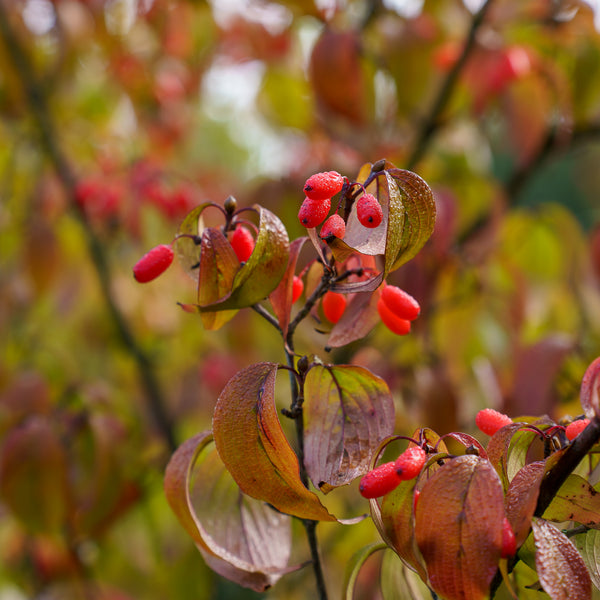
- Harvest cue: Fruits turn glossy red and soften slightly. They’re tart fresh but shine in preserves and syrups.
Microclimate playbooks
- Hot courtyard (Zone 8, reflective surfaces):
- Site on the east side of a building with a 3–4 ft wide mulched bed.
- Provide a light overhead lattice for 2–4 p.m. shade.
- Drip irrigation on a deep, infrequent schedule; top up in heatwaves.
- Windswept slope:
- Plant on the lee side of a mixed hedge or slatted fence.
- Use heavier-textured mulch and a wide planting basin to catch water.
- Stake for the first two seasons; add a winter burlap screen if winds are fierce.
- Woodland edge:
- Filtered morning-to-midday sun with open afternoon shade.
- Leaf mold and compost in the planting zone; minimal fertilizer.
- Light post-bloom thinning to keep the crown bright inside.
Common pitfalls to avoid
- Planting too deep: Keep the root flare at or slightly above grade.
- Waterlogging: Dogwoods resent saturated soil; ensure drainage before planting.
- Rock mulch in hot sites: Increases root-zone temperatures and stress.
- Heavy nitrogen: Lush leaves, fewer flowers.
- Late pruning: Removes next year’s flower buds.
- Letting drought hit mid-summer: That’s prime time for next spring’s bud initiation.
Season-by-season care snapshot
- Late winter–early spring: Enjoy the yellow bloom; keep soil slightly moist; prune right after flowering.
- Summer: Maintain mulch and steady moisture; provide light afternoon shade in hot regions.
- Fall: Admire foliage and fruits; harvest as desired; water deeply if autumn is dry.
- Winter: Minimal care; appreciate exfoliating bark; protect young plants from severe winter wind and avoid salt spray.
A note on climate fit
- Best growth: 60–75°F (15–24°C) growing season temperatures, with winter chilling around 37–45°F (3–7°C) for roughly 60–75 days to set robust buds.
- Hardiness: USDA 5–8. Not a match for frost-free tropical climates or hot, arid sites without irrigation.
Symbolism, briefly
In East Asian tradition, Japanese Cornel carries resonances of longevity, vitality, and prosperity—apt for a plant that wakes the garden with gold when winter still lingers. Its long use of the tart red fruits in traditional preparations deepens that association with health and renewal.
With the right light angles, tuned soil, a thoughtful mulch blanket, and a steady watering rhythm, Cornus officinalis becomes more than a winter pick-me-up—it’s a four-season anchor that sets buds generously, fruits reliably, and keeps its cool when weather doesn’t.