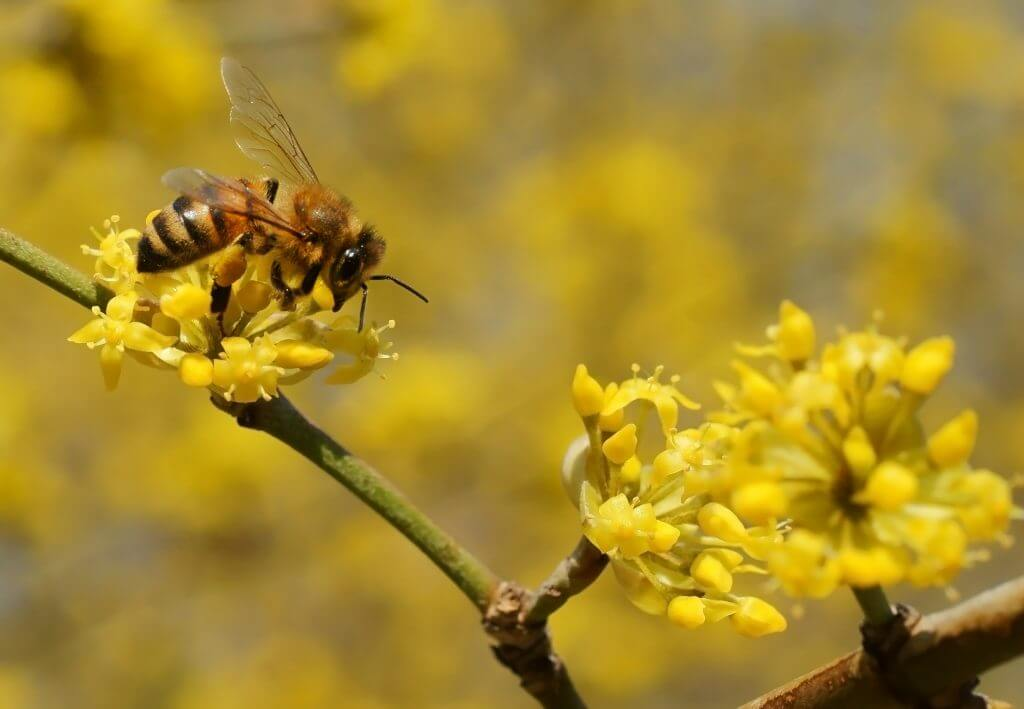
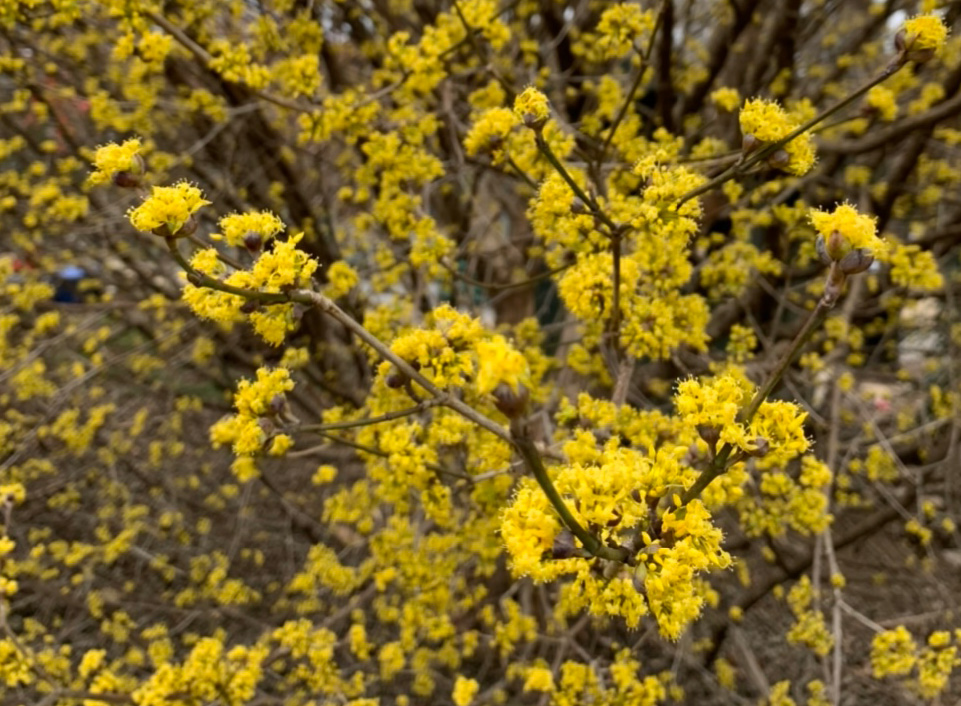
When the rest of the garden is still yawning awake, Cornus officinalis (Japanese Cornel) is already open for business. In late winter, its bare branches ignite with hundreds of bright yellow flower clusters—tiny but abundant—offering nectar and pollen to the season’s earliest foragers. Come autumn, glossy red, olive-shaped fruits shine against flame-colored foliage, a pantry for migratory and resident birds. If you’re building habitat, this is a powerhouse anchor plant—and with a few smart companions, you can turn one small corner of your yard into a year-round wildlife service station.
Meet Cornus officinalis, the late-winter lifeline
- Identity: Cornus officinalis Siebold & Zucc., often called Japanese Cornel, Japanese Cornelian Cherry, or Asiatic Dogwood.
- Origin: Native to north-central and southeastern China; long cultivated and widely grown in Japan and Korea.
- Form: Deciduous, typically a multi-stemmed large shrub or small tree with an open, oval-to-rounded crown.
- Size: Usually 15–26 ft tall and 10–15 ft wide.
- Bark: Gray-brown and exfoliating in handsome patches—gorgeous winter texture.
- Leaves: Opposite, oval to elliptical, dark green above, lighter beneath; small tufts of reddish-brown hairs may line the leaf veins below. Fall color ranges from yellow to rich reds, purples, and oranges.
- Flowers: Tight, 1-inch-wide umbels of many tiny, four-petaled, bright yellow flowers appear on bare branches from late winter into early spring (often February–April), typically holding for up to about 30 days.
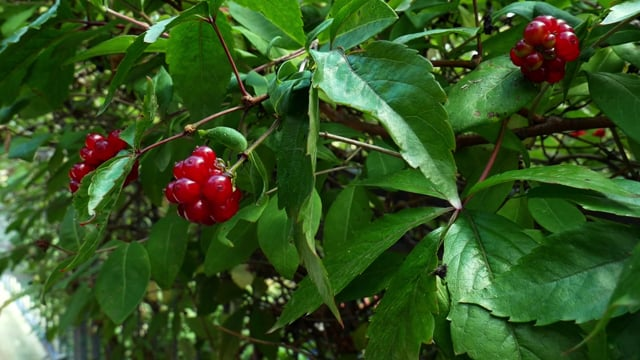
- Fruit: Lustrous red drupes ripen in fall; tart but edible, and a favorite with birds.
Phenology for wildlife: a season-by-season calendar
Late winter to early spring: nectar and pollen when little else blooms
- Why it matters: On those first mild days, queen bumblebees, honey bees, early solitary bees, and hoverflies need quick calories. Japanese Cornel’s numerous small blooms act like a refueling island in a floral desert.
- Bloom behavior: The flowers open before leaf-out, which makes them extra visible to pollinators and easy to access.
- Pro tip for habitat: Plant two or more individuals (or plant it near other flowering shrubs and trees) to attract more pollinator traffic during fickle late-winter windows.
Spring into summer: cover and foraging
- The layered branching creates shelter for small birds. The tree’s canopy becomes a living scaffold for foraging insects and the creatures that eat them.
Autumn: bird banquets
- Fruits ripen glossy red, coinciding with fall migration and pre-winter fueling. Expect thrushes and other fruit-loving birds to work the branches.
- Bonus show: Foliage ignites in reds, purples, oranges, and yellows alongside the fruit—peak wildlife value meets peak ornamental value.
Winter: structure and bark appeal
- Even leafless, the mottled exfoliating bark adds microhabitat texture and winter beauty. The open framework offers perches and shelter in storms.

Supercharge habitat value: what to plant nearby
Think continuity. Pair Japanese Cornel with plants that bridge the “hunger gaps” before and after it flowers, and with species that provide staggered fruits. Layer canopy, midstory, and groundcover to create structure, food, and nesting sites.
Early-season nectar and pollen (before and alongside Cornus officinalis)
- Pussy willows (Salix discolor and related willows): Catkins are a premier early pollen and nectar source.
- Witch-hazels (Hamamelis species and hybrids): Fragrant ribbons of bloom in mid- to late winter.
- Winter heath/heather (Erica carnea, Erica x darleyensis): Long-lasting nectar for cold-tolerant pollinators.
- Cornelian cherry (Cornus mas): A close relative that flowers early too; pairing extends and thickens the “yellow haze” for insects.
Spring-to-summer continuity
- Serviceberry (Amelanchier spp.): Early blossoms for pollinators; early-summer fruits for birds.
- Spicebush (Lindera benzoin): Nectar for native bees; fruits for birds later on.
- Native viburnums (e.g., Viburnum dentatum, V. acerifolium): Pollinator-friendly flowers and excellent wildlife fruits.
- Elderberry (Sambucus canadensis/ nigra): Umbels buzzing with insects; heavy fruit set for birds.
Late-summer to fall nectar (foraging fuel before migration and overwintering)
- Goldenrods (Solidago spp.) and asters (Symphyotrichum spp.): The backbone of late-season pollinator support.
- Sedums (Hylotelephium spectabile group): Bee and butterfly magnets in late summer.
Fall-to-winter fruit for birds
- Winterberry holly (Ilex verticillata): Persisting berries that carry birds through lean months.
- Hawthorns (Crataegus spp.) and crabapples (Malus spp.): Rich late-season fruit, structure, and nesting value.
Tip: Favor regionally native species for most companion plants to support local food webs. Japanese Cornel can serve as a stellar early-flowering accent within an otherwise native-dominant palette.
Design moves that boost wildlife returns
- Plant in the sun: Full sun to light shade maximizes flowering and fruit set. In hotter regions, a touch of afternoon shade eases stress.
- Cluster plantings: Grouping 3–5 shrubs of different species (including Cornus officinalis) concentrates resources for foragers and increases cross-traffic by pollinators.
- Layer the habitat: Combine an overstory (small trees), midstory (shrubs), and understory (grasses, groundcovers, and perennials). Add a small water source and a sunny, sheltered nook of bare or lightly mulched soil for ground-nesting bees.
- Keep a corridor: Connect your planting to hedgerows, street trees, or a neighbor’s garden so wildlife can move easily.
- Leave some fruit: Harvest a few tart drupes for jam or syrup, but let birds have the lion’s share.
Growing and caring for Cornus officinalis (easy and adaptable)
- Hardiness: USDA Zones 5–8. Cold-hardy and tolerant of brief dips to around 0°F (-18°C). A normal winter chill helps set strong flower buds.
- Light: Full sun to partial shade.
- Soil: Fertile, well-drained loam or sandy loam that holds moisture without staying soggy. Slightly acidic to neutral is ideal (about pH 6.5–7.5).
- Water: Keep evenly moist while establishing; thereafter, deep but infrequent watering. A simple rule: if the top inch of soil is dry, water.
- Feeding: Light, balanced fertilizer in the growing season if needed; avoid pushing soft, weak growth with heavy feeding.
- Pruning: Right after flowering so you don’t cut off next year’s buds. Remove dead, diseased, rubbing, or crossing wood first; then lightly shape.
- Pests/diseases: Usually trouble-free. Watch for borers, scale, or occasional leaf spots; good drainage and airflow go a long way. Remove suckers at the base if you want a tidier, tree-like form.
- Siting ideas: Woodland-style borders, naturalized edges, hedging, or as a specimen near paths where winter bark and early flowers shine.
Fruit, safety, and a tasteful compromise
- Edibility: Fruits are tart and traditionally cooked into preserves, syrups, or beverages. Always confirm ID before eating.
- Safety: Not known to be toxic to people or pets.
- Wildlife share: If you harvest, leave plenty—those glossy red drupes are crucial calories for birds in fall.
Propagation pointers
- Seed: Often requires stratification to break dormancy; soaking for 24 hours before sowing can help.
- Cuttings: Softwood or semi-ripe cuttings taken in spring (4–6 inches) with rooting hormone and steady humidity root more reliably.
- Layering: A patient, beginner-friendly method that preserves genetics from a favorite plant.
A quick habitat recipe (Zones 5–8)
- Anchor: 1–3 Cornus officinalis in a sunny, wind-sheltered spot.
- Early bloomers: A willow (small cultivar or coppiced), a witch-hazel, and clumps of winter-blooming heaths.
- Spring-to-summer: One serviceberry and a native viburnum.
- Late-season nectar: Drifts of goldenrods and asters along the sunny edge.
- Winter fruit: Two winterberry hollies (choose male and female for berries).
- Groundlayer: A matrix of sedges and low grasses, with small patches of bare soil for ground-nesting bees.
Result: Nectar and pollen by late winter, continuous forage through fall, and overlapping fruit seasons for birds—plus four-season beauty for you.
Cultural notes and “flower language”
In East Asian cultural contexts, 山茱萸 (Cornus officinalis) symbolizes longevity, health, vitality, and prosperity—apt for a plant that blooms when winter still has a say and bears generous fruit in fall. The species epithet “officinalis” signals its long history in traditional medicine (“of the apothecary”). As for modern “flower language” (花语), take it as poetic shorthand, not botany: the plant’s early golden bloom suggests resilience and renewal, while its late-season fruit hints at abundance earned with patience.
At-a-glance
- Wildlife value: Early nectar and pollen for late-winter foragers; fall fruit for birds; year-round structure.
- Bloom: Late winter to early spring, before leaf-out (often February–April).
- Size: 15–26 ft tall; 10–15 ft wide, often multi-stemmed.
- Best conditions: Sun to light shade; well-drained, moderately fertile soil; steady moisture while establishing.
- Landscape roles: Specimen, hedge, woodland edge, mixed border.
- Care level: Easy when sited well.
Conservation note: This species has been reported as Near Threatened in some assessments. Source plants from reputable nurseries and lean on regionally native companions to build a resilient, wildlife-rich garden.
Plant one Japanese Cornel for late-winter gold. Plant it with good neighbors, and you’ll have a living calendar that feeds, shelters, and dazzles—long before and long after the rest of the garden wakes.