If your garden starves for color when winter overstays its welcome, few sights lift the spirits like dogwoods that fizz with tiny yellow sparks on bare twigs. Two classics vie for that role: Japanese Cornel (Cornus officinalis Siebold & Zucc.) and its close European cousin, Cornelian cherry (Cornus mas). They’re both handsome, both fruiting, both four-season, and both dependable—but they’re not interchangeable. Here’s a clear, gardener-first, head-to-head on bloom timing, bark show, fruit ripening, hardiness, and habit to help you pick the right “gold mist” for your space.
The contenders, in brief
- Cornus officinalis (Japanese Cornel, Asiatic/Chinese Cornelian Dogwood)
- Native to north-central and southeastern China; long cultivated and introduced in Japan and Korea.
- Deciduous, usually multi-stemmed, with standout exfoliating bark and glossy red fall fruits.
- Cornus mas (Cornelian cherry)
- Native to southern Europe and southwest Asia.
- Very similar yellow bloom and red fruit; classic in European orchards and hedgerows.
Head-to-head: where they differ most
Bloom timing and display
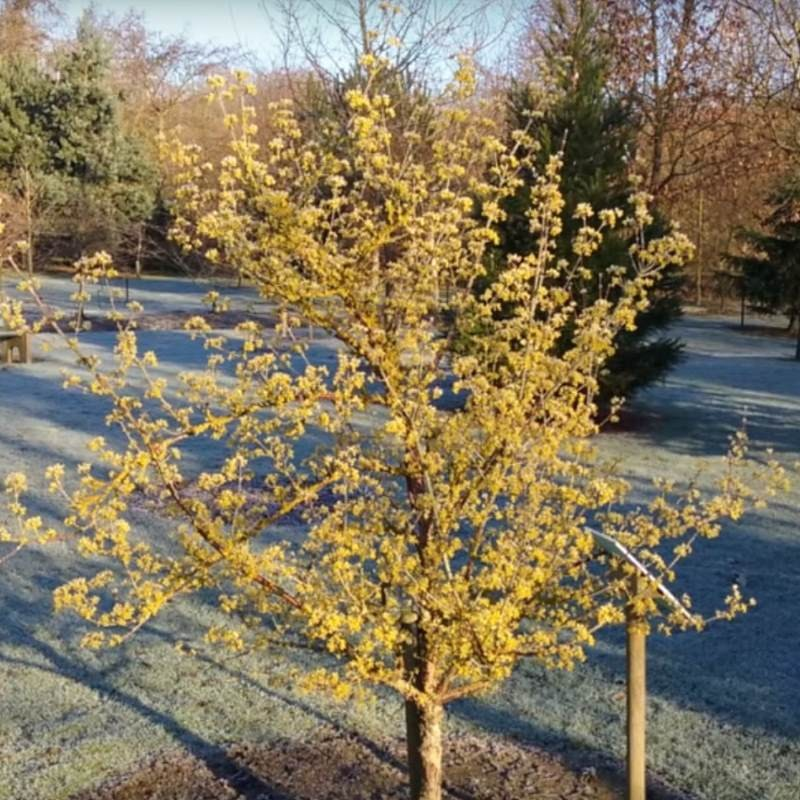
- Who blinks first?
- Cornus officinalis: Typically the earlier starter. Expect clusters of bright yellow, 3 mm-wide flowers in late winter to very early spring (often February to April), before leaf-out. Bloom can last up to about a month—right when the garden needs a morale boost.
- Cornus mas: Very close, but generally a touch later in many climates.
- The look
- Both species present profuse, tight clusters about 2.5 cm wide that read as a “golden haze” from a distance.
- Practical takeaway: If your priority is the earliest possible jolt of yellow, C. officinalis holds the edge.
Bark and winter show
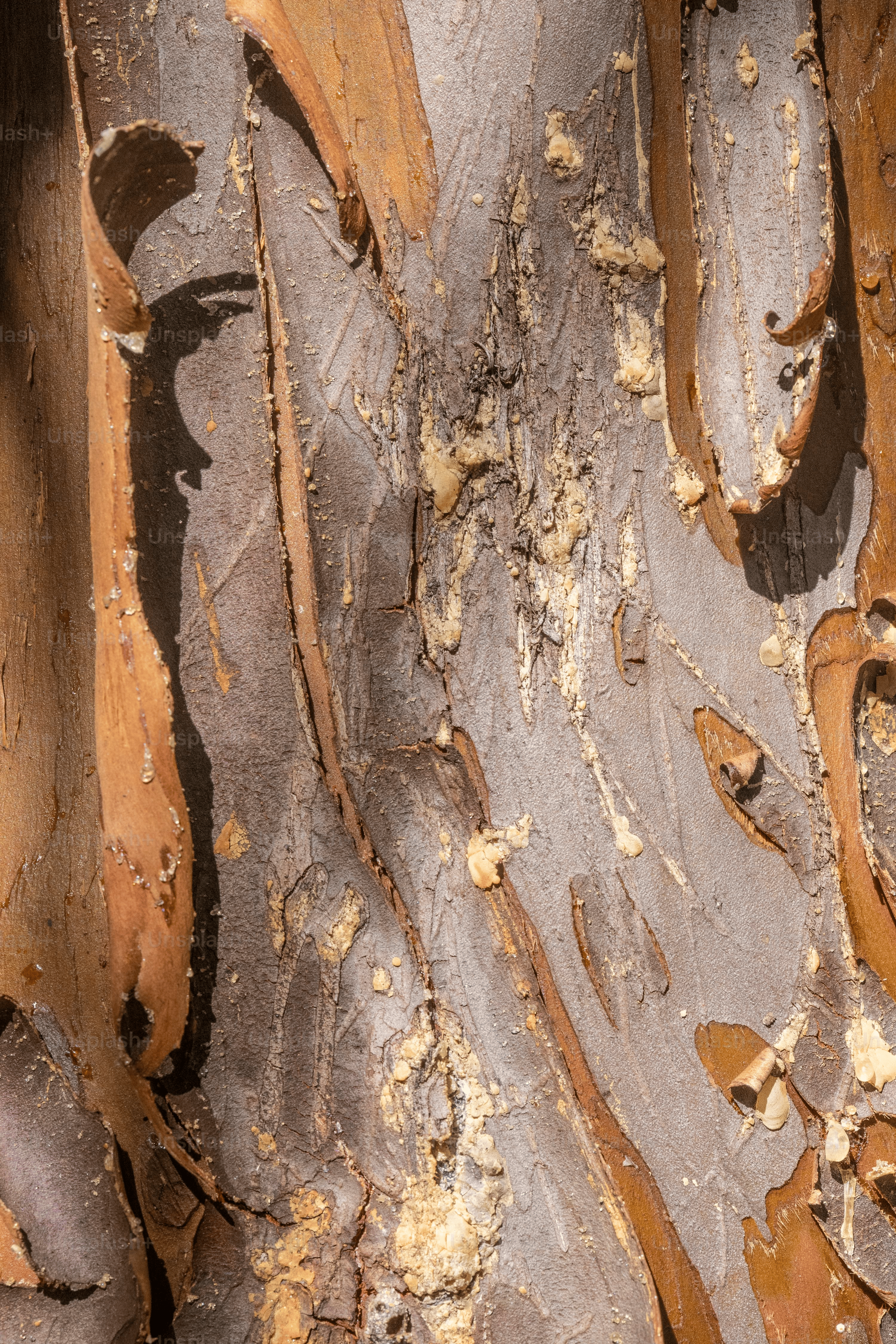
- Off-season beauty matters, and here C. officinalis shines:
- Cornus officinalis: Mature plants develop gray-brown bark that peels in decorative patches—a patchwork that keeps interest alive all winter. Many gardeners consider its bark distinctly more colorful/showy than C. mas.
- Cornus mas: Exfoliates less noticeably; winter bark interest is subtler.
- Practical takeaway: Want winter texture you can enjoy on daily walks to the mailbox? Choose C. officinalis and plant it where you’ll pass by often.
Fruit and ripening window
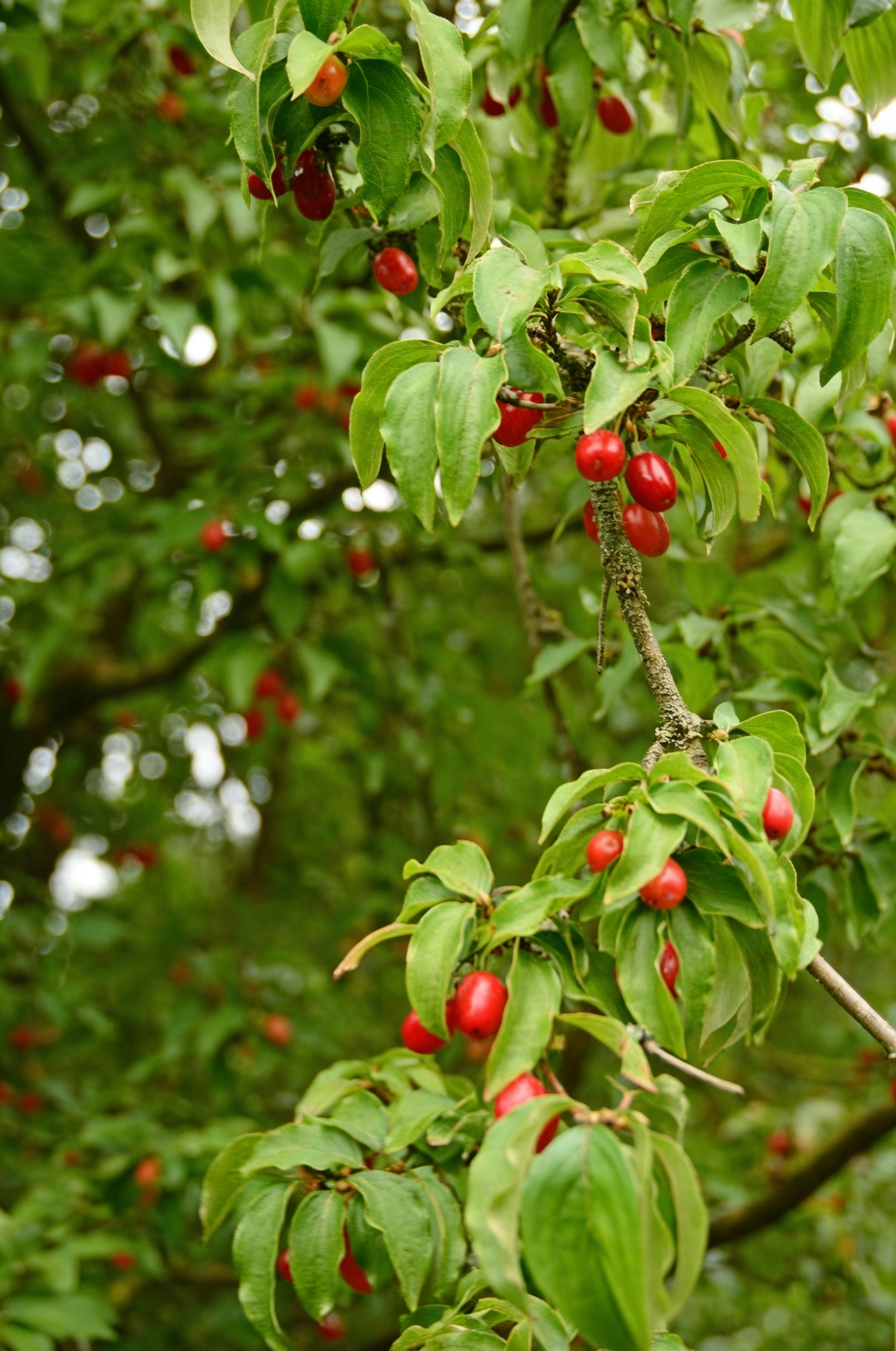
- Both bear glossy, olive-shaped red drupes that attract birds and can be used in the kitchen (think preserves, syrups, and drinks).
- Timing nuance:
- Cornus officinalis: Ripe fruit typically comes later in the season.
- Cornus mas: Often ripens earlier.
- Flavor and use:
- Both are technically edible fresh but notably tart; both really shine when cooked. In East Asia, C. officinalis fruit is famous in traditional preparations; in Europe, C. mas has a long edible history, too.
- Practical takeaway: If you like to stagger harvests and stretch your jam-making season, plant both. If you want earlier fruit specifically, lean C. mas; for a later crop and standout bark, lean C. officinalis.
Cold hardiness and climate fit
- Cornus officinalis:
- USDA Zone 5–8.
- Cold-hardy once established, tolerating brief dips to about -18°C (0°F).
- Performs best with a real winter; like many temperate dogwoods, it sets strongest flower buds with a chilling period around 3–7°C (37–45°F) for roughly 60–75 days.
- In hot regions, provide light afternoon shade and steady moisture.
- Cornus mas:
- Commonly listed a notch hardier overall (often to Zone 4), making it a frequent choice in colder continental climates.
- Practical takeaway: At the chilly edge? C. mas may have the hardiness advantage. In Zones 5–8, both are excellent; choose C. officinalis if winter bark and earliest bloom matter most.
Habit, size, and “fit” in the garden
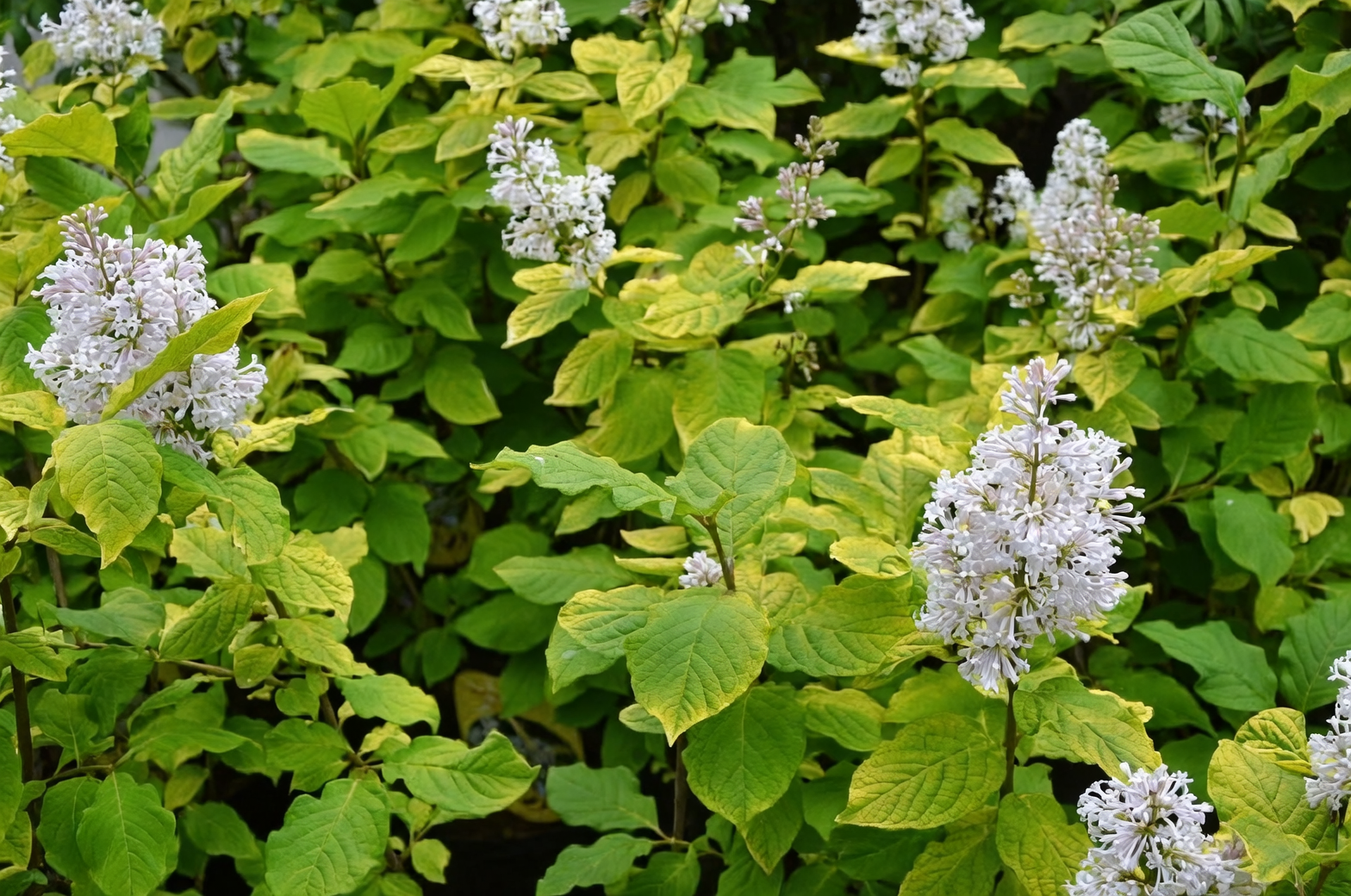
- Cornus officinalis:
- Habit: Multi-stemmed, low-branching large shrub or small tree with an open oval-to-rounded crown.
- Size: Typically 4.5–8 m (15–26 ft) tall and 3–4.5 m (10–15 ft) wide.
- Foliage: Opposite, dark green leaves with clearly marked veins; the undersides may show small tufts of reddish-brown hairs along the veins.
- Seasonal arc: early yellow bloom → tidy summer canopy → vivid fall color in reds, purples, oranges (often with fruit) → richly exfoliating winter bark.
- Cornus mas:
- Similar ultimate size and form; often trained as a small tree or hedging shrub.
- Practical takeaway: For a four-season specimen near a path, window, or terrace, C. officinalis gives you more winter payoff. For clipped hedges and orchard-style plantings in colder zones, C. mas is often the workhorse.
Sun, soil, and day-to-day needs (they’re remarkably similar)
- Light: Full sun to partial shade. Full sun generally boosts flower and fruit; in hotter areas, give C. officinalis a little afternoon shade to reduce stress.
- Soil: Fertile, well-drained loam or sandy loam that holds some moisture but never stays waterlogged. Slightly acidic to neutral (roughly pH 6.5–7.5) is ideal.
- Moisture: Even moisture while establishing; afterward, water deeply but less often—let the surface inch of soil dry before watering again.
- Maintenance: Both are easygoing when sited well. Prune right after flowering so you don’t cut off next year’s buds. Remove dead, diseased, or crossing wood first; light shaping only.
Which one belongs in your space? Scenarios to make it simple
- You crave the very earliest yellow and winter bark you can admire up close:
- Choose Cornus officinalis. Site it near an entry walk or picture window to enjoy both the February confetti and the patchwork bark.
- You garden in a colder-than-average climate and want edible fruit sooner:
- Lean toward Cornus mas for slightly greater cold tolerance and earlier ripening.
- You want four-season interest without fuss in Zones 5–8 and have room for a small tree:
- Either species works; pick C. officinalis if winter bark is a must-have, C. mas if you’re prioritizing earlier fruit.
- You’re designing wildlife-friendly plantings:
- Both attract birds to the fruit and provide shelter; C. officinalis often ripens later, extending the buffet into fall.
Cornus officinalis, dialed-in: quick ID and culture notes
- Quick ID
- Clouds of bright yellow flower clusters on bare branches (late winter to early spring).
- Leaves opposite, dark green; underside paler with tiny reddish-brown hair tufts along vein axils.
- Glossy red, ellipsoid fruits in fall.
- Mature bark gray-brown, exfoliating in mosaic-like patches.
- Size and placement
- 15–26 ft tall, 10–15 ft wide; lovely as a multi-stem specimen, in woodland-style borders, hedging, or naturalized edges.
- Care made easy
- Water: Keep evenly moist while establishing; then deep, occasional watering. A simple rule: if the top inch of soil is dry, it’s time.
- Feeding: Light, balanced fertilizer in spring; avoid pushing soft, sappy growth.
- Pruning: Right after bloom. Make clean cuts above outward-facing buds; avoid hard renovation unless necessary.
- Pests/disease: Generally trouble-free. Possible dogwood borers, scale, and leaf spots; ensure good airflow and drainage. Suckers may appear—remove at the base to keep it tidy.
- Hardiness: USDA 5–8; appreciates a true winter to set robust buds.
Kitchen and culture
- Edible fruits: Tart fresh, but terrific cooked—preserves, syrups, and drinks all benefit from that bright, assertive flavor.
- Heritage: The epithet “officinalis” signals a long history in apothecaries. In East Asia, the fruit (山茱萸) has been valued for well over two millennia.
- Flower language and symbolism:
- In East Asian contexts, Japanese Cornel is linked with longevity, health, vitality, and prosperity. Unlike Victorian floriography, which often assigned whimsical meanings to garden flowers, this symbolism stems from lived tradition—its very early bloom suggests endurance through winter, and its fruit’s longstanding medicinal use anchors associations with health and vigor.
Buying tips and planting pointers
- Sourcing: C. officinalis can be scarce in general nurseries; specialty growers are worth seeking out. Choose young plants with clean bark, healthy buds, and balanced branching.
- Planting: Set in fertile, well-drained soil. Mulch 5–7 cm deep to keep roots cool and moisture steady, but keep mulch off the trunk.
- Siting for show: Give it a backdrop (evergreens, dark fencing, or brick) so the yellow bloom and winter bark pop.
Season-by-season cheat sheet (C. officinalis)
- Late winter–early spring: Enjoy the yellow fireworks; prune right after bloom.
- Summer: Water during dry spells; minimal fuss otherwise.
- Fall: Savor foliage color and harvest glossy red fruits at ripeness.
- Winter: Low maintenance; admire that exfoliating bark. Protect young plants from extreme exposure and avoid road-salt spray.
Bottom line
- Pick Cornus officinalis if you want the earliest yellow bloom and the best bark show, plus late-season fruit—an all-year performer in Zones 5–8.
- Pick Cornus mas if you’re on the colder edge or want fruit a bit earlier on the calendar.
- Can’t decide? Plant both. Their staggered bloom and fruiting extend the spectacle—and your jam-making—while doubling the yellow sparkle when winter feels longest.