
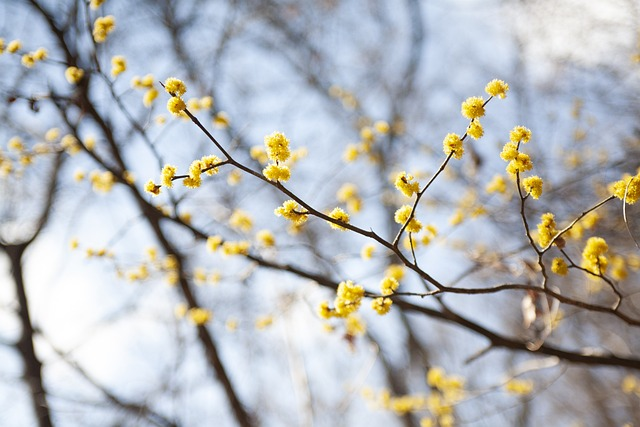
Imagine a bare-branched silhouette in late winter suddenly beading over with gold—tiny constellations of bloom that read as a soft, luminous haze from across the garden. That’s Japanese cornel (Cornus officinalis), a four-season muse that rewards good staging with year-round theater: yellow bloom before almost anything else, a cool summer canopy, fiery fall foliage with glossy red fruit, and handsome, exfoliating winter bark. Below, a design-forward playbook to pair each act with the right companions for continuous drama and real wildlife value.
Meet the muse: what Japanese cornel brings
- Season-by-season interest:
- Late winter to early spring: masses of tiny bright yellow flowers on bare stems (a “gold mist”).
- Summer: neat canopy of dark green, oval leaves—cool shade, calm structure.
- Fall: foliage fires to reds, purples, and oranges; clusters of shiny red, olive-shaped fruits.
- Winter: gray-brown bark exfoliates in patches for living sculpture.
- Habit and scale: multi-stemmed large shrub/small tree; typically 15–26 ft tall by 10–15 ft wide.
- Site: full sun to partial shade; in hotter regions, give light afternoon shade. Best in fertile, well-drained loam with steady moisture (never waterlogged). Slightly acidic to neutral soil (roughly pH 6.5–7.5).
- Hardiness: USDA Zones 5–8.
- Wildlife: early nectar resource for pollinators; fruit draws birds; branchy structure offers shelter.
Design note: Native to north-central and southeastern China and long cultivated; it has been introduced in Japan and Korea. The species epithet “officinalis” nods to its long herbal history.
Place it to perform
- Light choreography: position where winter sun backlights those February–March blossoms and where you’ll see them from a window or path.
- Backdrop matters: a dark evergreen wall or deep woodland edge makes the yellow pop and the winter bark read.
- Airy, multi-stem form: consider lightly lifting the canopy over time to reveal the shaggy, patchwork bark, keeping some lower framework for nesting birds.
- Spacing: allow 12–15 ft on center for specimens or stagger a loose trio for layered depth.
The seasonal pairing playbook
Late winter to early spring: Make the yellow sing
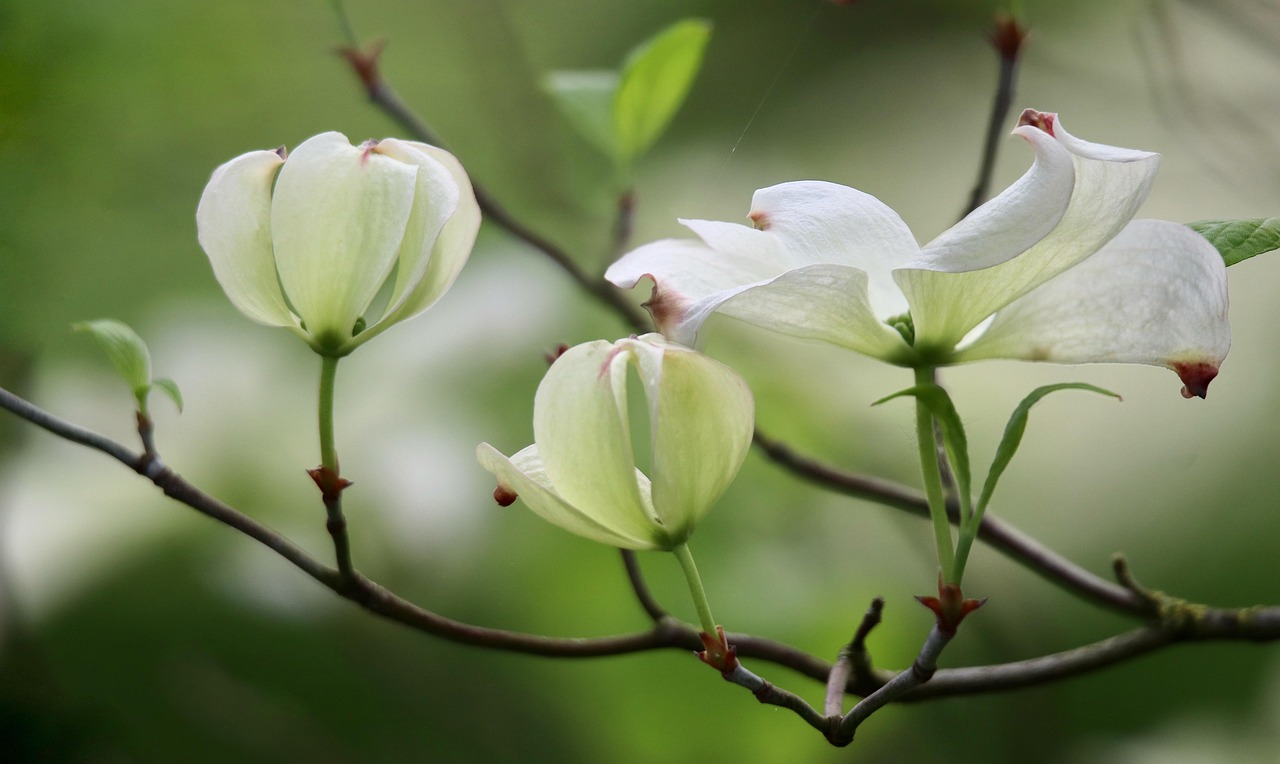
Lean into color theory: yellow glows against blues, purples, near-blacks, and deep greens.
- Ground and edge (wake-up color and pollinator fuel)
- Early bulbs in drifts: Iris reticulata ‘Harmony’ (cobalt), Crocus tommasinianus (lavender), Scilla siberica (electric blue), snowdrops (white sparkles).
- Hellebores (Helleborus hybridus): dusky plums to near-black forms dramatize the gold cloud above; evergreen leaves look good all year.
- Evergreen contrast: black mondo grass (Ophiopogon planiscapus ‘Nigrescens’) as an ink-dark ribbon; tufted sedges (Carex oshimensis selections) for winter-into-spring continuity.
- Shrub partners for shoulder season flow
- Witch hazel (Hamamelis × intermedia) to echo or layer color; choose coppery or orange cultivars to avoid a “too much yellow” moment.
- Mahonia (zones 7–8) for architectural evergreen and late-winter nectar.
- Columnar evergreens (Taxus x media ‘Hicksii’, Thuja occidentalis ‘DeGroot’s Spire’) as calm, dark backplates.
Wildlife win: these early flowers provide nectar when little else is available.
Late spring to summer: Cool the palette, build texture
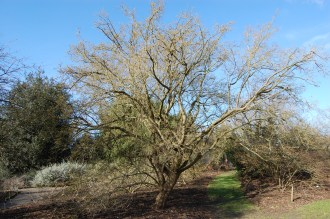
Under the cornel’s tidy canopy, think foliage orchestration and steady moisture.
- Understory perennials (texture first)
- Epimedium (airy spring flowers, glossy leaves), hardy ferns (Dryopteris, Athyrium), and Brunnera macrophylla (‘Jack Frost’ for silvery cool).
- Japanese forest grass (Hakonechloa macra) paints soft waves in part shade.
- Heuchera in muted tones (smoky purples, silvers) for small-scale contrast.
- Bugbane (Actaea simplex; moist shade) adds vertical wands mid-to-late summer—pollinator friendly.
- Shrubs for part shade harmony
- Hydrangea arborescens (e.g., ‘Annabelle’) keeps the scene soft; thrives in the same moisture-minded soils.
- Viburnum dentatum (arrowwood) at the sunny perimeter: spring bloom, summer structure, later wildlife berries.
Design tip: keep the root zone mulched and undisturbed; plant in pockets, not trenches, to respect dogwood roots.
Autumn: Double down on fire and fruit
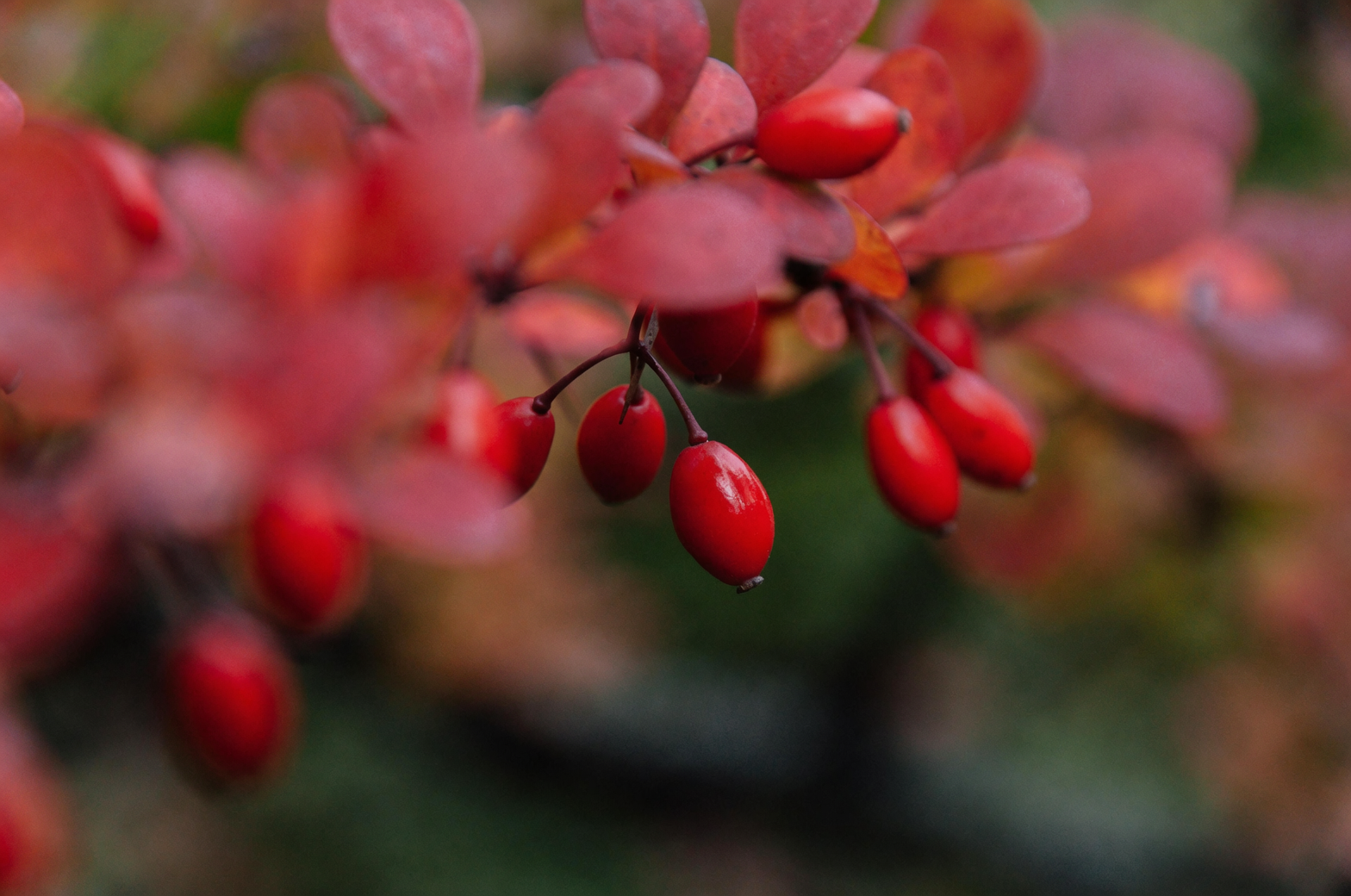
Japanese cornel’s foliage ignites, then the red drupes shine. Choose companions that echo, complement, or cool the flames.
- Color echoes and foils
- Asters (Symphyotrichum ‘October Skies’, ‘Purple Dome’) throw a cool violet veil against the hot leaves.
- Switchgrass (Panicum virgatum ‘Shenandoah’ or ‘Northwind’) brings upright form and wine-to-amber tones.
- Fothergilla gardenii (zones 5–8; in acidic sites) layers ambers and scarlets for a low shrub glow.
- Callicarpa dichotoma (beautyberry, zones 5–8) drops surreal purple berries among the cornel’s red fruit for high-contrast punctuation.
- Bird-forward fruiting shrubs
- Ilex verticillata (winterberry holly; moist spots, select male for pollination) bridges berry color into winter.
- Aronia arbutifolia ‘Brilliantissima’ (red chokeberry) for scarlet fruit and fall foliage.
Winter: Bark theater
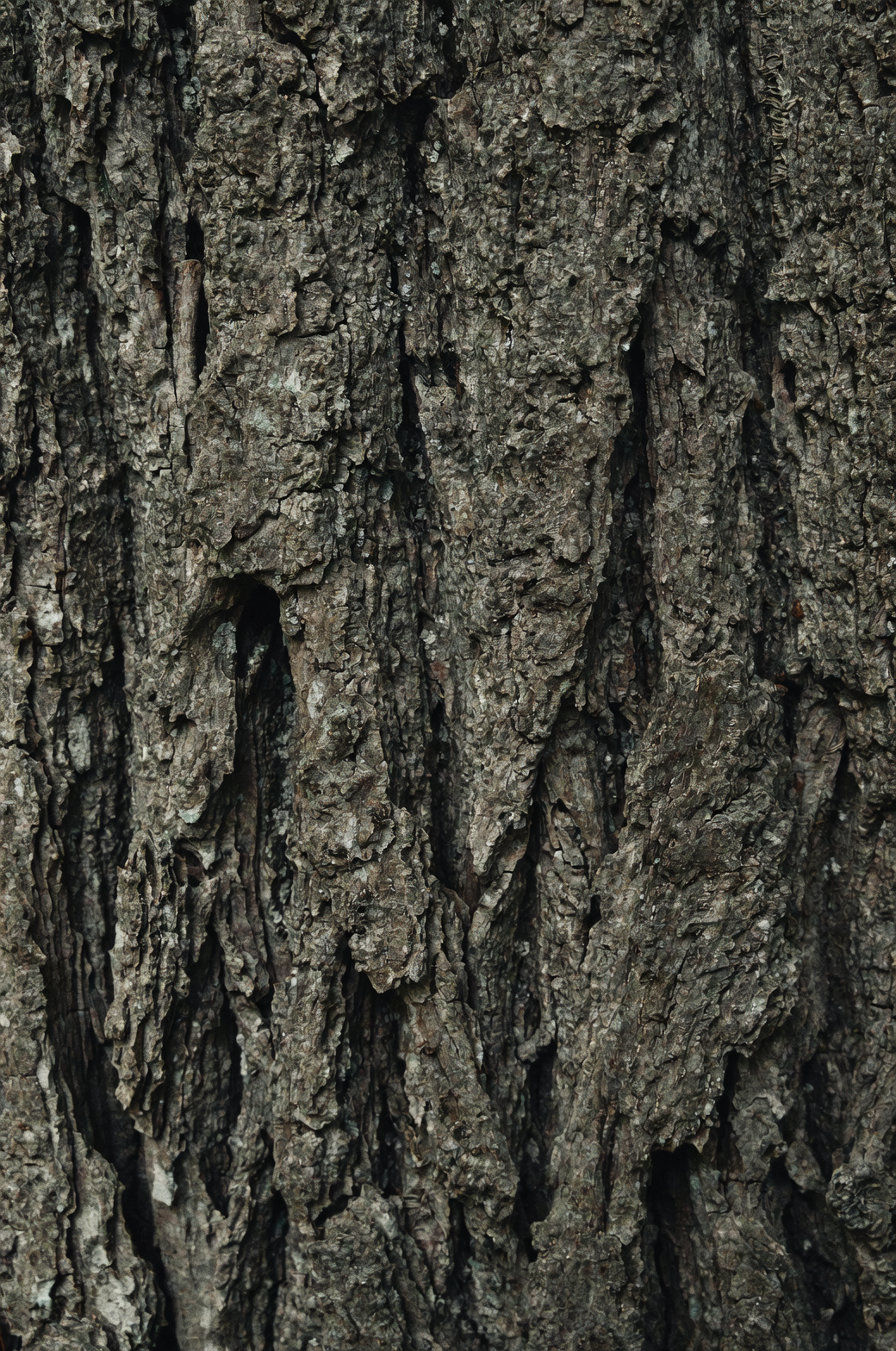
Now the cornel is all structure and texture—lean into silhouettes, stems, and evergreen planes.
- Backdrop and frame
- Dark conifers (hemlock where suitable, yew, columnar arborvitae) as a velvet stage.
- Red- or yellow-stem dogwoods (Cornus sericea/alba selections) at the mid-ground echo the bark drama with color-shot stems.
- Groundplane that doesn’t blink
- Evergreen sedges (Carex), hellebores, and low mounding box alternatives (Ilex glabra ‘Shamrock’ in acidic-leaning soils) keep the base tidy.
- Subtle hardscape: a pale gravel skirt or frost-proof pavers bounce winter light onto peeling bark; warm-white uplights catch the textures after dusk.
Wildlife layering that works all year
- Early nectar (Feb–Apr): Japanese cornel blossom, witch hazel, hellebores, early bulbs.
- Spring–summer forage and cover: viburnums, hydrangeas, ferns for humid cover; flowering perennials (bugbane, Brunnera) for pollinators.
- Autumn–winter fruit for birds: Cornus officinalis drupes, winterberry holly, beautyberry, chokeberry; leave some leaf litter and seedheads (asters, grasses) for shelter and food.
- Structure: multi-stem cornel plus mixed-height shrubs creates nesting niches; avoid heavy pruning in nesting season.
Four design recipes (plant palettes that click)
1) Gold-and-amethyst entry vignette (Zones 5–8)
- Cornus officinalis (multi-stem) as focal.
- Understory: Iris reticulata ‘Harmony’ and Crocus tommasinianus in drifts; hellebores in dark tones; black mondo as edging.
- Backdrop: Taxus ‘Hicksii’ hedge.
- Why it works: yellow blossoms vibrate against purples and deep greens; evergreen bones carry winter.
2) Woodland edge “cool summer” panel (Zones 5–8)
- Cornus officinalis with a lightly lifted skirt to reveal bark.
- Layered understory: Epimedium, Brunnera ‘Jack Frost’, Hakonechloa, Dryopteris ferns.
- Accent shrub: Hydrangea arborescens ‘Annabelle’ at dappled margin.
- Why it works: quiet greens and silvers cool summer heat, then the cornel reignites in fall.
3) Fire-and-berries fall corridor (Zones 5–8)
- Cornus officinalis aligned with switchgrass ‘Shenandoah’.
- Shrubs: Fothergilla gardenii (acid-leaning soils), Callicarpa dichotoma for purple berries.
- Perennials: Aster ‘October Skies’ weaving through.
- Why it works: layered reds, oranges, purples, and blues with fruit for birds and painterly movement.
4) Winter bark gallery (Zones 5–8; sunny to part shade)
- Cornus officinalis centered with uplighting.
- Flanks: Cornus sericea ‘Arctic Fire’ (red stems) and a tall column of Thuja ‘DeGroot’s Spire’.
- Groundplane: evergreen sedges and hellebores; pale gravel path for reflectivity.
- Why it works: contrasting stems and evergreen planes frame the exfoliating bark for a museum-quality winter show.
Practical notes for design that lasts
- Water: keep evenly moist while establishing; then deep, occasional watering (let top inch of soil dry before watering again).
- Soil: fertile, well-drained loam or sandy loam; avoid waterlogging.
- Feeding: light, balanced fertilizer in the growing season—go easy to avoid soft, lanky growth.
- Pruning: right after flowering; remove dead, diseased, or crossing wood; keep the multi-stem grace; avoid hard cuts unless renovating.
- Suckers: remove promptly if you want a clean outline; allow some if you’re building a wildlife thicket.
- Sun strategy: full sun gives best bloom and fruit; in hot-summer regions, protect from harsh afternoon sun.
- Safety: not known to be toxic to people or pets; fruits are edible but quite tart—better cooked into jams and syrups.
Flower language and cultural echo
In East Asian contexts, 山茱萸 (Cornus officinalis) is often linked with longevity, health, vitality, and prosperity. The symbolism likely springs from two sources: its fearless early bloom—life asserting itself before spring—and a long history of valued fruit in traditional preparations. In other words, the plant’s seasonal poetry and practical reputation converge into a wish for well-being and endurance.
Designer’s quick checklist
- Zones: 5–8; enjoys winter chill; not for frost-free tropics.
- Light: sun to part shade; afternoon shade in heat.
- Soil: well-drained, moisture-retentive; pH roughly 6.5–7.5.
- Scale: plan for 15–26 ft tall, 10–15 ft wide.
- Seasonal partners:
- Late winter: blue/purple bulbs, hellebores, witch hazel, dark evergreens.
- Summer: epimedium, ferns, Brunnera, Hakonechloa, hydrangea.
- Fall: asters, switchgrass, fothergilla (acidic sites), beautyberry.
- Winter: red/yellow-stem dogwoods, columnar conifers, evergreen sedges, warm-white lighting.
Stage Cornus officinalis where you’ll pass it often, give it good soil and a thoughtful cast, and it will turn the garden into a living calendar—each page a fresh composition, and every season a standing ovation from pollinators and birds.