
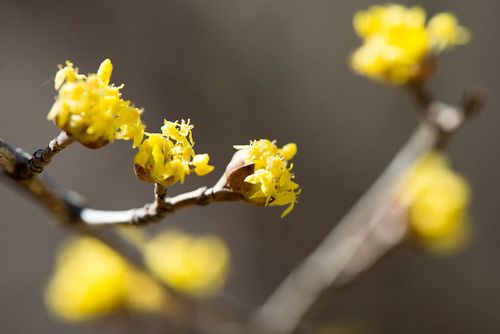
Picture this: February sunlight catches on bare, silver-gray branches that are suddenly dusted in gold. That’s Cornus officinalis—Japanese cornel, Asiatic dogwood, the cornelian cousin that wakes the garden before almost anything else. Plant it wisely and care for it in a simple, seasonal rhythm, and you’ll enjoy a true four-season performance: late-winter bloom, summer’s cool canopy, autumn fireworks and fruit, and handsome, exfoliating winter bark.
Below is your clear, Zone 5–8 blueprint for light, water, soil, pruning, and feeding—plus pro tips that keep this tough, easy dogwood dazzling year after year.
Meet Japanese Cornel (Cornus officinalis Siebold & Zucc.)
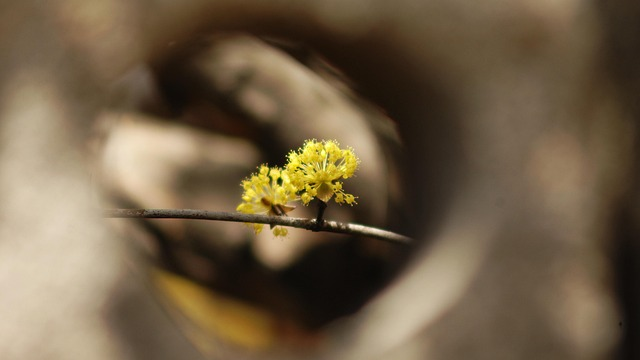
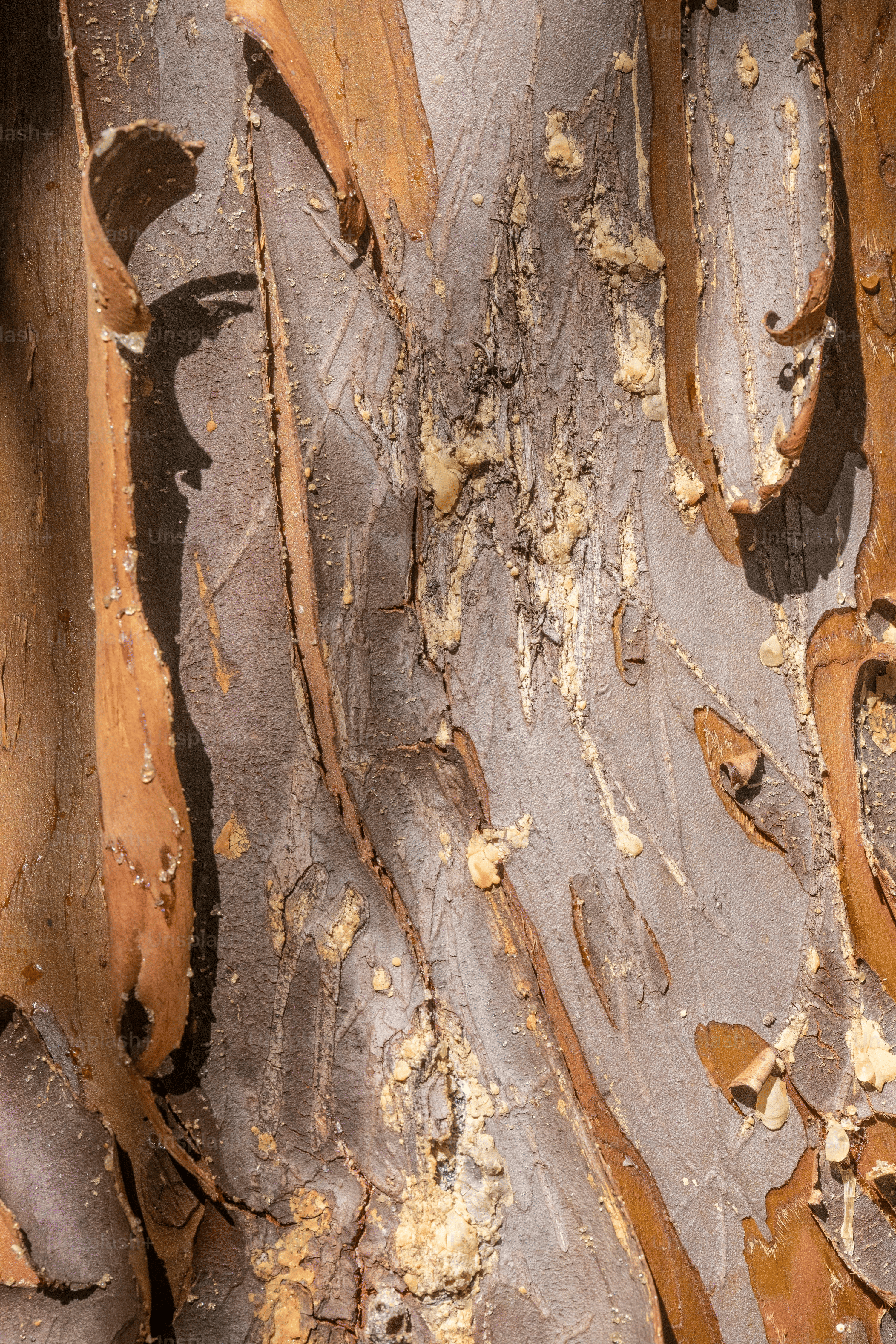
- Type and habit: Deciduous, often multi-stemmed large shrub or small tree with an open, rounded crown and beautiful gray-brown bark that peels in patches as it matures.
- Size: Typically 15–26 ft tall and 10–15 ft wide.
- Bloom: Tight clusters of tiny, bright yellow flowers from late winter to early spring (often February–April), appearing before leaves and lasting up to about a month.
- Foliage and fruit: Dark green, oval leaves in summer; fiery fall color in yellows, reds, purples, and oranges. Glossy, red, olive-shaped fruits add a seasonal spark.
- Hardiness: USDA Zones 5–8.
- Best placements: Woodland edges, mixed borders, hedging, naturalized slopes, or as a specimen by paths and windows—anywhere you’ll notice late-winter bloom and winter bark.
Note on origin: Despite the “Japanese cornel” moniker, this species is native to north-central and southeastern China and was later introduced to Japan and Korea.
Light: Where It Truly Shines
- Full sun to partial shade is ideal.
- For maximum flowers and fruit: Give it full sun.
- In hotter sites (especially the warmer end of Zone 7–8): Offer light afternoon shade to reduce summer stress and leaf scorch.
Pro tip for Zones 7–8
- Morning sun + dappled afternoon shade is a winning combo. Think east exposure or open woodland light.
Soil: Moisture-Retentive Yet Well-Drained
- Texture: Fertile loam or sandy loam that holds moisture but never stays waterlogged.
- Drainage: Essential—soggy soil invites root problems.
- pH: Slightly acidic to neutral (about 6.5–7.5) suits dogwoods well.
- Prep: Work in 2–3 inches of compost across the planting area to boost structure, moisture balance, and microbial life.
Mulch matters
- After planting, apply 2–3 inches of organic mulch (shredded leaves, fine bark), keeping it a few inches off the trunk. Mulch keeps roots cool, buffers moisture, and supports that all-important even moisture.
Watering: A Simple, Seasonal System
Japanese cornel prefers evenly moist conditions—especially while establishing. Once settled, it’s fairly easygoing.
Year 1 (establishment)
- Frequency: Check the top 1 inch of soil. If it’s dry, water deeply.
- Typical rhythm: About once per week in spring; potentially twice weekly during hot, dry spells in summer; scale back with steady rainfall.
- Method: Slow, deep soaks to moisten the root zone (roughly the width of the canopy); avoid quick sprinkles.
After establishment (Year 2+)
- Frequency: Deeply every two weeks during the growing season, adjusting for heat, rainfall, and soil type.
- Sandy soils: Increase frequency (water moves through faster).
- Heavier loams: Water less often but still deeply.
Seasonal cues in Zones 5–8
- Late winter to early spring (bloom and leaf-out): Keep soil evenly moist—consistent moisture supports flowering and strong new growth.
- Summer: Water during dry spells; mulch to retain moisture and cool roots.
- Fall: Steady moisture helps with fall color and supports root growth before winter.
- Winter: Usually no irrigation needed unless it’s a prolonged thaw and very dry; avoid frozen soil watering.
Pro tips
- A cheap rain gauge helps you tally weekly totals. Aim for roughly 1 inch of water per week from rain + irrigation while actively growing.
- Drip or a slow soaker hose is ideal. Wet foliage in hot weather adds disease pressure without helping the roots.
Feeding: Measured, Not Maniac
This species doesn’t want heavy fertilizer.
- What to use: A balanced, slow-release fertilizer at a light (often half) rate.
- When:
- Early spring as growth begins: Light application over the root zone, then water in.
- Optional light top-up in late spring if growth seems lackluster.
- Avoid: Heavy or late-summer feedings that push soft growth.
Organic alternative
- A spring layer of compost beneath mulch often gives all the nutrition a healthy plant needs.
Pruning: Right After the Show
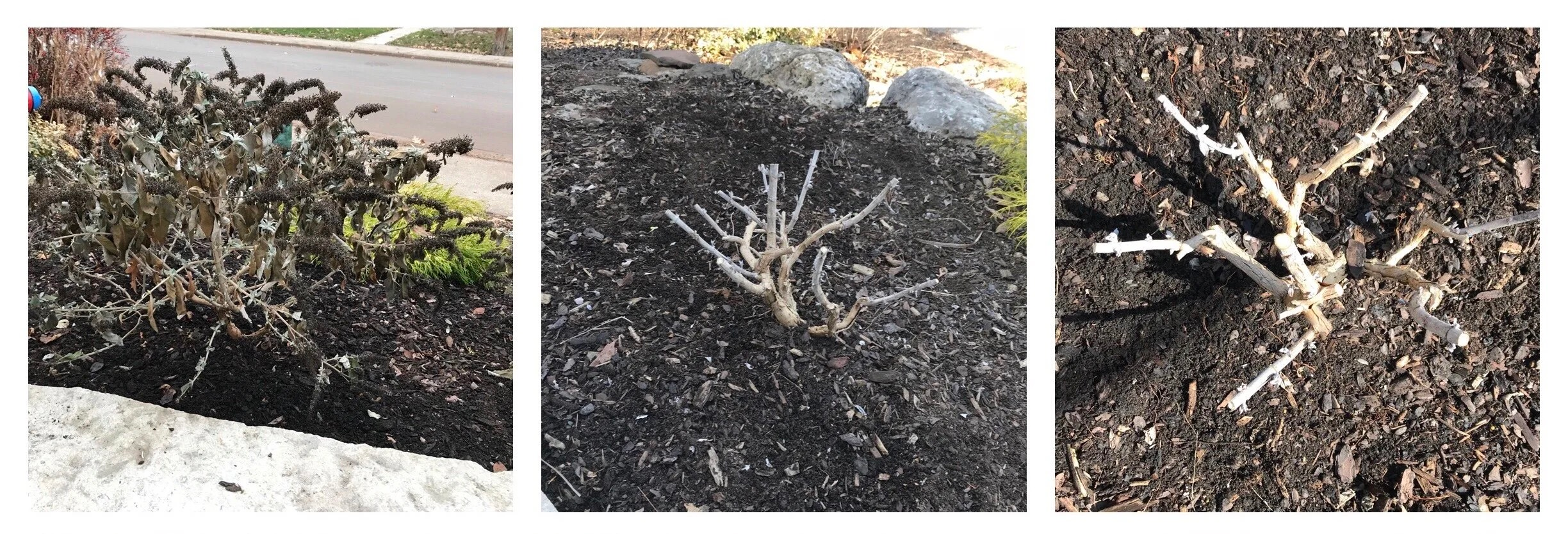
Timing is everything: Prune just after spring flowering so you don’t cut off next year’s blooms.
How to prune
- First, remove dead, diseased, rubbing, or crossing branches.
- Lightly shape: Make clean cuts just above outward-facing buds or nodes.
- Tidy suckers: If shoots pop up at the base, remove them to maintain a clean, multi-stemmed form.
Renovation
- Avoid hard pruning unless necessary. If you must, spread it over 2–3 years, always post-bloom.
Winter bark reveal
- Thoughtful thinning after flowering opens the canopy and spotlights that patchwork, exfoliating bark in winter.
Temperature, Chill, and Wind
- Best growth: 60–75°F (15–24°C).
- Cold hardiness: Tolerates brief dips to about 0°F (-18°C) once established.
- Chill benefits: A dose of winter cold (roughly 37–45°F for 60–75 days) supports strong flower bud set.
- Young plants: In exposed Zone 5 sites, shield from harsh winter winds; avoid salt spray.
Seasonal Blueprint (Zones 5–8)
Think in seasons; slide dates earlier in warmer zones and later in colder ones.
Late winter to early spring
- Enjoy bloom.
- Water if the top 1 inch of soil is dry and ground is workable.
- Apply a light, balanced fertilizer or compost as growth begins.
Post-bloom spring
- Prune immediately after flowering.
- Maintain even moisture as leaves unfurl.
- Refresh mulch to 2–3 inches.
Summer
- Water during dry spells; deep, infrequent soaks.
- Light afternoon shade in hot sites reduces stress.
- Monitor for pests (borers, scale) and occasional leaf spots; keep good airflow.
- No heavy feeding.
Fall
- Enjoy foliage color and glossy red fruits; harvest if you like.
- Keep soil slightly moist to fuel root growth.
- Clean up fallen leaves/fruit if you prefer a tidy look.
Winter
- Minimal care; admire exfoliating bark.
- In windy Zone 5 sites, consider a windbreak for young plants.
- Do not hard-prune now—buds for next spring are already set.
Zone tweaks
- Zone 5: Bloom often peaks in March; protect young plants from wind; watering resumes as soil thaws.
- Zones 6–7: Classic performance; afternoon shade helps in heat-prone spots.
- Zone 8: Often blooms in February; site with morning sun/afternoon shade, mulch well, and be more attentive to summer irrigation.
Troubleshooting and Pro Tips
- Leaf scorch in summer? Add light afternoon shade and ensure deep, regular watering. Maintain mulch.
- Yellowing leaves in high-pH soils? Top-dress with compost to gently moderate pH toward the 6.5–7.5 sweet spot and improve micronutrient uptake.
- Sparse bloom? Ensure adequate sun, avoid heavy late-season pruning, and keep the plant evenly moist through late summer when buds set.
- Soggy soil woes? Elevate the planting area slightly or improve drainage—this dogwood likes moisture but not waterlogging.
- Pests and diseases: Usually minor if the plant has good light, drainage, and airflow. Watch for dogwood borers and scale; remove stressed wood promptly and avoid trunk injuries.
Fruit, Wildlife, and Safety
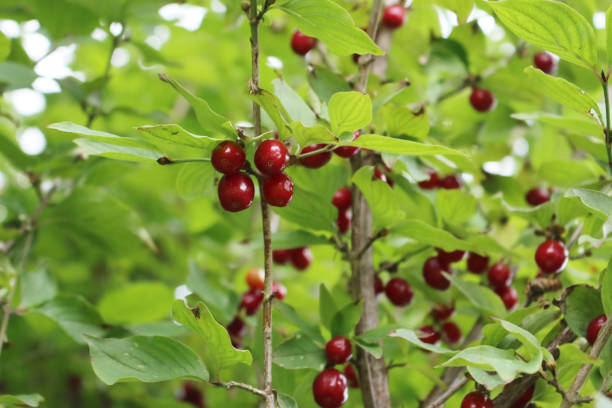
- Edible, tart fruits: Great for preserves, syrups, and drinks; more sour than sweet when fresh.
- Not known to be toxic to people or pets.
- Birds enjoy the fruit, and the branching offers cover—win-win for wildlife gardens.
Look-Alike: Cornus officinalis vs. Cornus mas
- Bloom timing: C. officinalis often flowers a bit earlier.
- Fruit timing: C. officinalis tends to ripen later.
- Bark: C. officinalis is especially prized for its more noticeable exfoliating bark.
Design and Placement Tips
- Give it space: Ultimately 10–15 ft across.
- Frame the view: Place near paths, patios, or windows so winter bark and early flowers shine when you need them most.
- Companion plants: Pair with hellebores, snowdrops, and early bulbs for a layered late-winter show; follow with ferns and shade perennials beneath the summer canopy.
Culture, Meaning, and “Flower Language”
In East Asian cultures, this species is linked with longevity, vitality, health, and prosperity—fitting symbols for a plant that ushers in spring before the calendar does and has long-standing traditional use of its fruit. If you come across “flower language” claims, take them as cultural associations rather than formal Victorian floriography: the message here is renewal and enduring strength, distilled from centuries of observation and use rather than a fixed codebook.
Quick At-a-Glance Care
- Light: Full sun to light shade; afternoon shade in hotter spots.
- Water: Keep evenly moist the first year; thereafter deep water about every 2 weeks in the growing season, adjusting for weather and soil.
- Soil: Fertile, well-drained loam/sandy loam; pH ~6.5–7.5; mulch 2–3 inches.
- Feed: Light balanced fertilizer in early spring; optional light top-up late spring.
- Prune: Right after bloom; remove dead, diseased, rubbing wood; avoid hard winter pruning.
- Zones: 5–8; appreciates winter chill, dislikes hot, arid exposure without irrigation.
A final thoughtful note
Cornus officinalis has been valued for millennia and, in some references, is noted as less common in mainstream nursery trade. Sourcing from reputable growers helps preserve its distinct traits—and rewards you with a garden companion that truly works all four seasons.