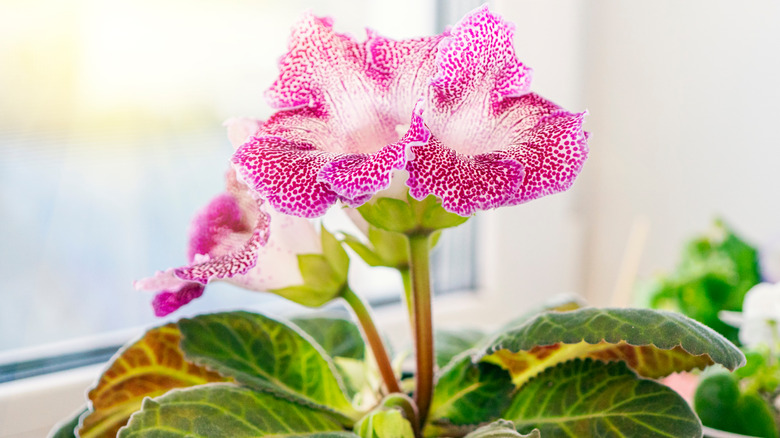
Velvet leaves, plush trumpets, and a color range that reads like a paintbox—Sinningia speciosa, better known as florist’s gloxinia or “大岩桐,” is the windowsill showstopper your inner collector has been waiting for. If you’re shopping for one (or three), here’s a buyer-forward tour through standout cultivars and smart timing—so your plant blooms hard from late spring right into autumn.
Meet the plant in two lines
- What it is: A tuber-forming perennial (Gesneriaceae) from Brazil that grows a low rosette of plush, velvety leaves and sends up big, bell-to-trumpet flowers in reds, pinks, purples, whites, and knockout bicolors (including doubles).
- What it loves: Bright, filtered light; steady warmth; even moisture kept off those fuzzy leaves; and moderate-to-high humidity with gentle airflow.
The showroom: standout cultivars to put on your shortlist
Doubles that read like velvet roses
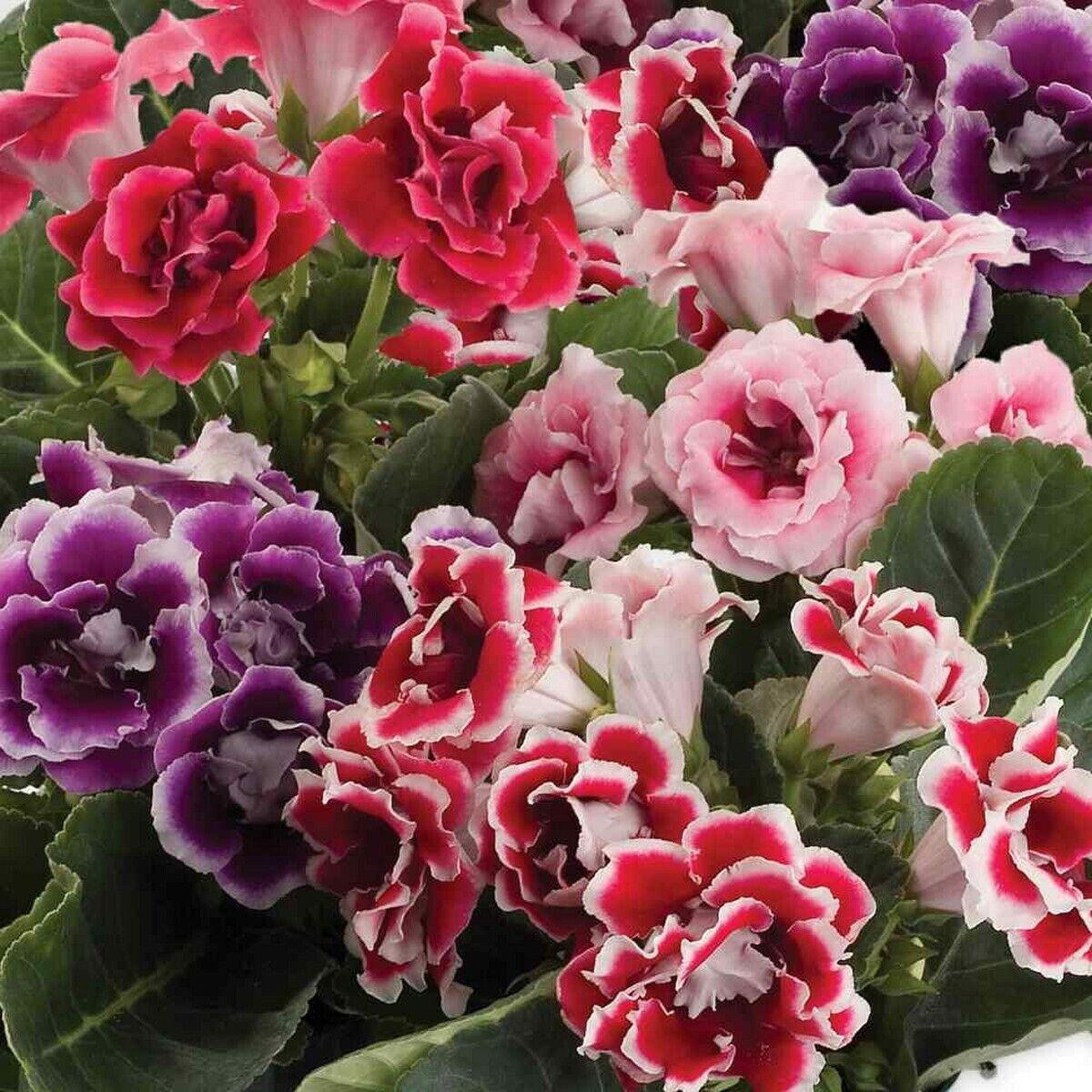
- Double “Brocade” strains: The classic gateway into doubles—layers of ruffled petals in red, deep purple, magenta, or white, often with white picotee edges. They read lush and romantic even from across the room.
- What to look for: Sturdy, upright flower stalks; symmetrical rosettes; and plenty of fat buds queued behind the open flowers for a longer run.
Why buyers love doubles: They create the most abundant, bouquet-like display on compact plants—perfect for tabletops and gifting.
Bicolors and “bright eyes”
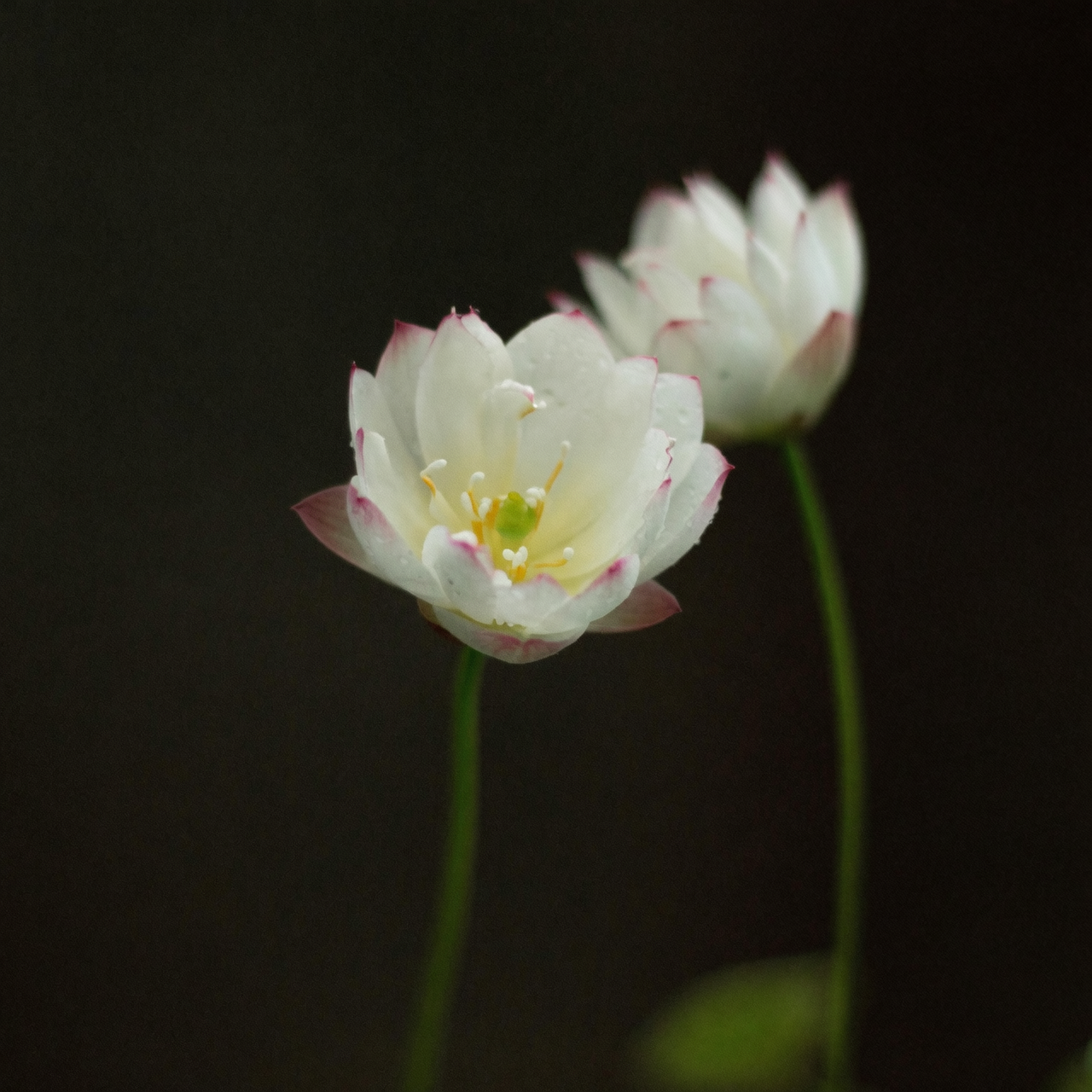
- Picotees and edged forms: Think vivid color boldly rimmed in white—clean, graphic, and very photogenic.
- “Tigrina”–type speckled throats: White or pale petals with a saturated, spotted throat in violet, burgundy, or red—dynamic up close and dazzling en masse.
Tip for shoppers: Bicolors and speckled throats hold their pattern best in bright, indirect light. In dim rooms, color contrast can wash out.
Variegated leaves (for foliage-forward collectors)
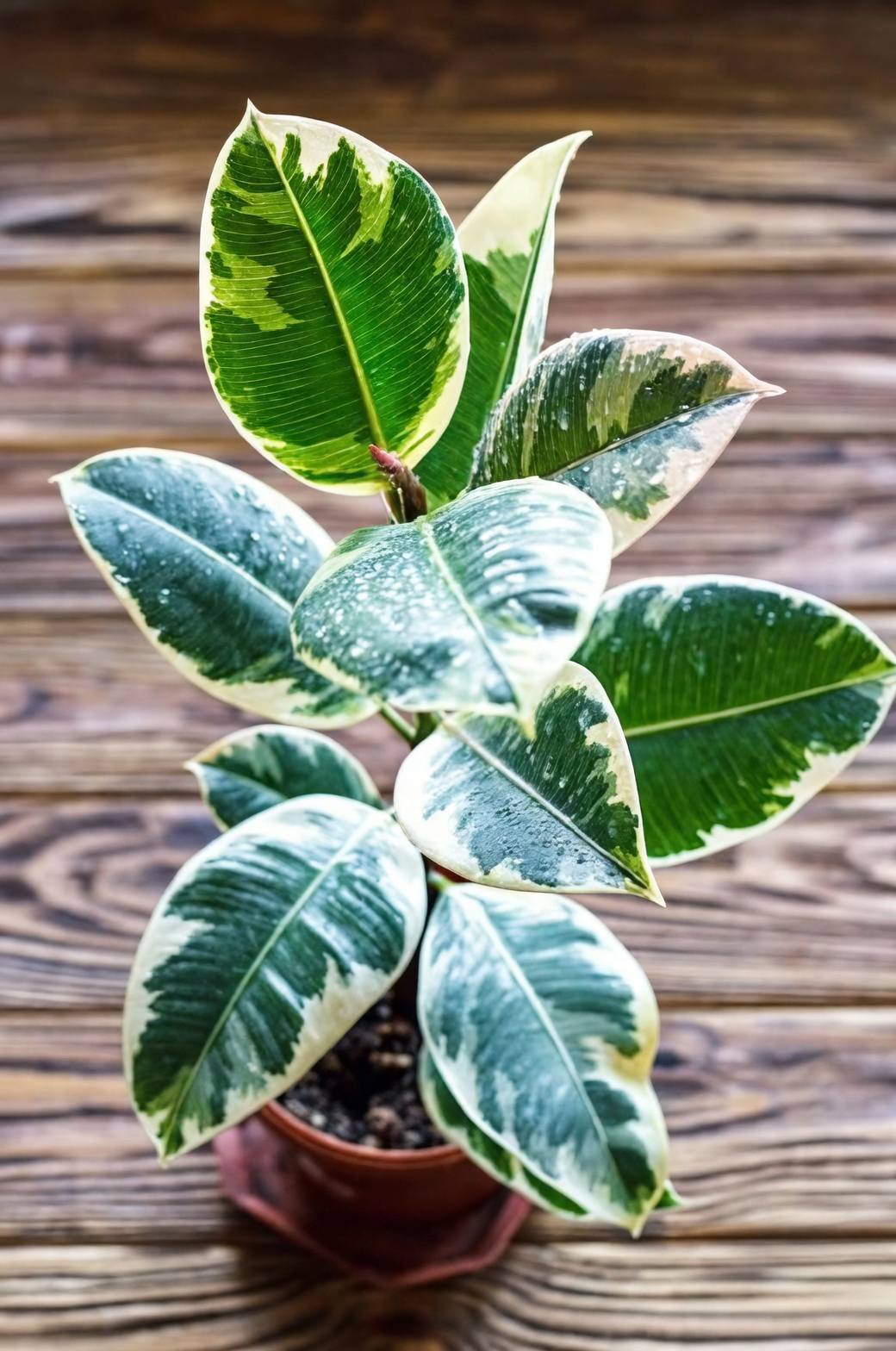
- What they look like: Cream-to-lime marbling or margins on the classic velvety leaf. These are rarer, often sold as select or named forms.
- Care note: Variegates tend to grow a bit slower; give them bright but filtered light (not harsh sun) and be extra careful to keep leaves dry to prevent spotting.
Buyer’s checklist: what a healthy plant or tuber looks like
If you’re buying a potted, blooming plant
- Rosette and foliage
- Leaves thick, plush, and evenly colored; no greasy-looking spots, webbing, or mealy tufts.
- Petioles sturdy, not stretched or flopping (a sign of too little light).
- Flowers and buds
- Choose a plant with both open blooms and many unopened buds for a longer show.
- Stalks should be strong and upright, not collapsing at the crown.
- Overall health
- Potting mix lightly moist, not swampy; no sour smell.
- Flip the leaves: undersides should be clean—no mites, aphids, or mealybugs.
- Avoid plants displayed next to fruit bowls at shops—ethylene can cause bud drop fast.
If you’re buying dormant tubers
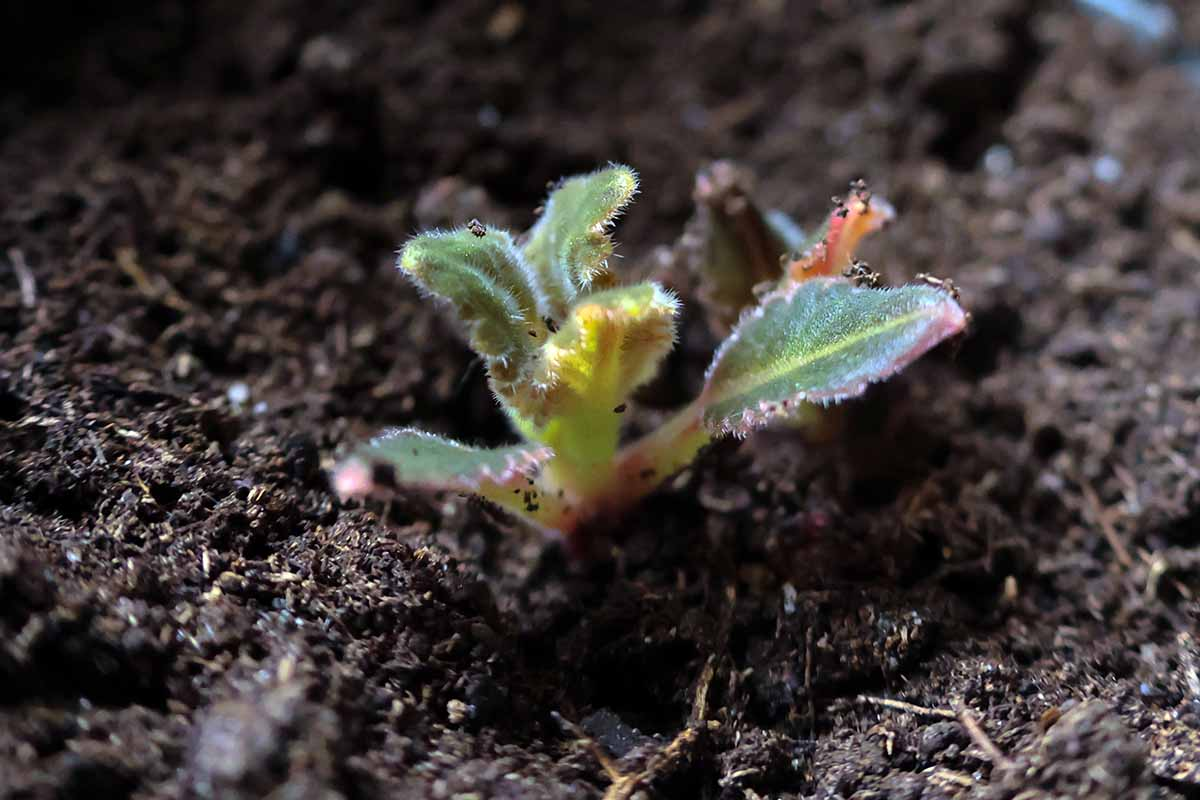
- Choose tubers that are fresh, firm, and plump, ideally at least 2 cm (0.8 in) across.
- Skin should be clean, free of mold or soft spots. Tiny “eyes” or nubs are a plus.
- Skip any that are shriveled, mushy, or scarred by pests.
Prime your plant for a marathon bloom season
Light
- Best seat: Bright, indirect light—an east window is ideal, or a softened south window behind a sheer curtain.
- Avoid: Harsh midday sun (scorches) and deep-room shade (weak, pale growth and fewer flowers).
Watering and humidity (keep those leaves dry!)
- During growth and bloom: Keep soil evenly moist but never soggy; water when the surface begins to dry. Typically twice weekly in bloom, adjusted for pot size and weather.
- Technique: Water at soil level or bottom-water briefly; drain well and never let the pot sit in water.
- Humidity: Aim for 50–70%. Use a pebble tray or humidifier, plus gentle airflow to prevent botrytis.
Feeding for flower power
- Feed every 2 weeks in active growth with a diluted balanced fertilizer; switch to a bloom-leaning formula higher in P and K (for example, around 15-15-30) once buds form.
- Always fertilize onto moist soil; keep fertilizer off the leaves and petals.
Grooming that matters
- Deadhead fast: Remove spent blooms and cut the flower stalk to keep energy flowing into new buds and the tuber.
- Don’t let the plant set seed unless you’re breeding—flowers will last longer if you skip it.
Heat and ethylene management
- Ideal temperatures: 16–24°C (61–75°F) during active growth. If intense summer heat strikes (often July–August), flowering may pause—shift to the coolest bright spot you have and ease watering.
- Keep away from ripening fruit and heat vents—ethylene gas and hot drafts can trigger bud blast and shorten the display.
Repotting for results: exactly when and how
When to repot
- Not right away: Newly purchased blooming plants rarely need an immediate repot.
- Best windows:
- Early spring as the tuber begins to sprout (often around April).
- Or right after the main flowering flush ends.
Pot and mix
- Size: A slightly snug pot often yields better blooming. Many standard plants thrive in 12–15 cm (4.7–5.9 in) pots.
- Shape: Shallow, well-drained pots suit tubers better than deep, water-holding ones.
- Mix: Use an African violet–style, airy medium—peat or coco plus perlite (and a touch of compost/leaf mold if you like). It should hold light moisture yet drain freely.
Planting the tuber
- Set the tuber at or just above the soil surface. If there’s a shallow “dimple” (the eyes), orient that side up.
- Start moisture gently: Lightly moisten and increase watering only once active growth is visible.
- Pro tip for bigger blooms: Many growers keep one strong sprout per tuber by pinching weaker side-shoots early.
The seasonal rhythm (your quick calendar)
- Spring (around April): Tubers wake. Repot if needed. Begin watering gradually; start feeding once leaves expand. Sow seed if propagating.
- Late spring to autumn (often May–October): Prime blooming season. Bright filtered light, steady moisture, biweekly feeding, diligent deadheading.
- Midsummer heat (often July–August): Flowering may slow or pause. Shade from harsh sun, improve airflow, reduce watering and feeding slightly.
- Winter rest: Keep cooler if possible—about 10–12°C (50–54°F) works well; some growers use a lighter rest around 15–17°C (59–62°F). Keep much drier than summer and resume watering when new growth returns. Always protect from temperatures below 5°C (41°F).
Troubleshooting (so your show never stops)
- Pale, floppy growth, small blooms: Light too low—move closer to a bright window with filtered sun.
- Spots or gray fuzz on leaves/flowers: Likely wet foliage and stale air—switch to soil-level watering, trim affected tissue, improve airflow.
- Buds aborting or flowers fading fast: Check for ethylene (fruit bowl nearby?), drafts, or heat spikes.
- Pests to watch: Mealybugs, spider mites, aphids, fungus gnats; treat early. Foliar nematodes are serious—discard heavily infested plants and disinfect pots/tools to prevent spread.
- Root issues: Overwatering can cause root/crown rot—refresh to a freer-draining mix and let excess water run off fully.
Advanced collector note: making seed on purpose
Love a particular double or bicolor? Hand pollination improves seed set. Use a soft, clean brush to move pollen to the stigma, then remove petals to reduce rot. Seed capsules typically ripen in 30–40 days. Sow dust-fine seed on the surface—don’t cover—and germinate at 15–21°C (59–70°F).
A short word on “flower language”
In the Victorian era, florist’s gloxinia came to symbolize “love at first sight” and ardent admiration—fitting for a plant whose velvety trumpets feel like instant theater. While the historical “language of flowers” was more salon pastime than science, the association stuck: red forms especially carry a romance-forward aura, making gloxinia a stellar gift when you want to say “I’m smitten” without uttering a word.
Quick start: your perfect first pick
- Choose a compact plant with plush, spotless leaves and a mix of open blooms plus plenty of buds.
- For a big, classic look: Double Brocade–type in deep purple or red.
- For high-contrast drama: A picotee or speckled-throat bicolor.
- For collectors: A variegated-leaf selection for four-season interest.
- Repot in early spring or just after blooming, keep leaves dry, feed every two weeks, and deadhead fast—you’ll be rewarded with a velvet show that can run for months.