

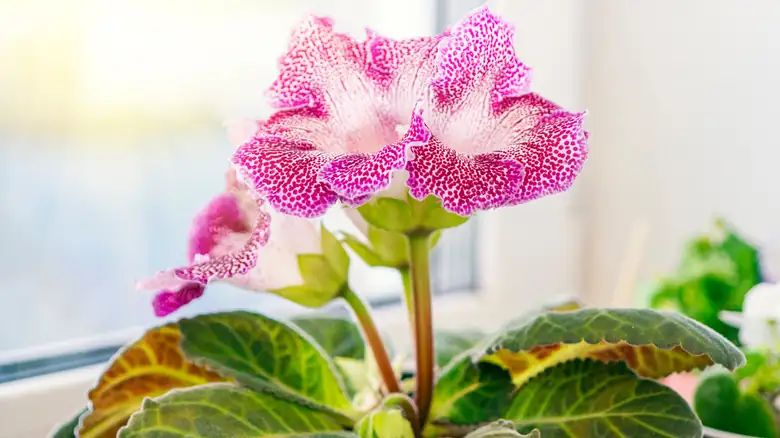
Picture this: a velvet bouquet on legs, glowing on your windowsill, flanked by a smart little squad of plants that like the same light, sip the same humidity, and don’t smother each other’s style. That’s the sweet spot for Florist’s Gloxinia (Sinningia speciosa)—and with the right Gesneriad allies, it’s easier than it looks.
Meet the star: Florist’s Gloxinia in a nutshell
- Look and habit: A compact, tuber-forming rosette with plush, velvety leaves and big trumpet-to-bell blooms in reds, pinks, purples, whites, and bicolors (yes, doubles too). Typical size 15–30 cm (6–12 in) tall and wide.
- Light: Bright, indirect/filtered. East windows are ideal; south with a sheer works. Avoid harsh direct sun and don’t park it deep in the room for long stretches—weak growth and faded flowers follow.
- Temperature: 16–24°C (61–75°F) in growth. It dislikes extreme heat; midsummer may bring a short pause. Cool rest in winter around 10–12°C (50–54°F) is helpful (keep much drier), always above 5°C (41°F).
- Humidity: Moderate to high—aim for 50–70%—with airflow. Use a pebble tray or humidifier instead of misting.
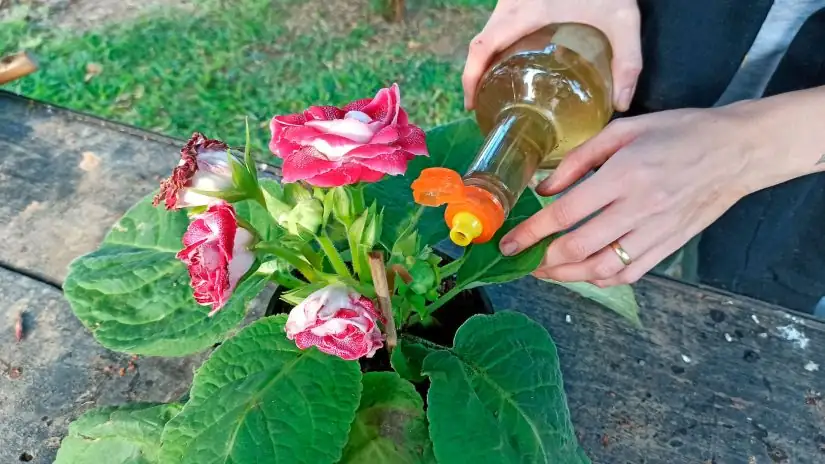
- Watering: Keep the mix evenly moist, never soggy. Water at soil level or bottom-water—and keep those velvety leaves and flowers dry.
- Extra-sensitive: Ethylene gas. Keep away from ripening fruit; ethylene can cause bud blast and fast flower fade.
Now, let’s build the crew around those needs.
The Gesneriad crew that plays beautifully with gloxinia
The Gesneriad family includes many indoor gems with nearly identical care preferences. Grouping these together helps you hit that sweet spot of bright filtered light, warm temps, moderate-high humidity, and gentle airflow—without resorting to misting.
African violet (Streptocarpus sect. Saintpaulia)
- Why it works: Loves the same bright, indirect light and similar humidity. Also appreciates bottom-watering.
- Where to place: Front-row, slightly off to the side so its soft leaves don’t brush the gloxinia’s. A low stand or saucer works well.
- Styling note: Keep leaf edges from touching to avoid trapped moisture and leaf-spot domino effects.
Cape primrose (Streptocarpus)
- Why it works: Thrives in bright, filtered light; enjoys similar 50–70% humidity. Air movement helps prevent Botrytis on its delicate flowers.
- Where to place: Beside or just behind gloxinia on a small riser so blooms don’t crowd.
- Styling note: Dramatic, strap-like leaves contrast nicely with the gloxinia rosette.
Flame violet (Episcia)
- Why it works: Warmth-loving Gesneriad with fuzzy leaves; loves humidity and bright shade.
- Where to place: Trailing over the edge of a lower shelf beneath the gloxinia to keep airflow between their leaves.
- Watch-outs: Episcia can attract mealybugs if crowded—quarantine new plants and inspect often.
Lipstick plant (Aeschynanthus)
- Why it works: Prefers bright, indirect light and decent humidity; cascading habit keeps it out of the gloxinia’s space.
- Where to place: Hanging slightly off to the side of the window, never shading the gloxinia.
- Styling note: Red tubular flowers echo gloxinia’s dramatic colorways.
Goldfish plant (Nematanthus or Columnea types)
- Why it works: Loves bright filtered light and good airflow, with slightly succulent leaves that don’t drip on neighbors.
- Where to place: Back row or hanging, ensuring it doesn’t block light to the gloxinia.
- Watch-outs: Keep soil on the airy side to avoid fungus gnat pressure in the group.
Kohleria
- Why it works: A little taller, fuzzy, and flower-forward; enjoys similar warmth, light, and humidity.
- Where to place: Rear corner as a vertical accent.
- Watch-outs: Don’t crowd; its foliage can trap humidity if packed tight.
Primulina (formerly Chirita) and Petrocosmea
- Why they work: Compact rosettes that adore bright, indirect light and modest humidity—great as edging plants.
- Where to place: Tuck two small pots on opposite sides of the gloxinia to frame it without touching.
Spacing and airflow: how to display without inviting trouble
Think of your plant shelf as a mini stage with wings and aisles—space is part of the set design.
- The gap rule: Keep 8–10 cm (3–4 in) of open air between leaf edges for your rosette-formers. No leaf-to-leaf contact.
- Layer smartly: Use short risers and hanging hooks to create heights without casting shade on the gloxinia.
- Air, not drafts: A gentle, indirect fan on low or a naturally breezy room keeps gray mold (Botrytis) at bay. Avoid cold drafts.
- Humidity without wetting: Pebble trays or a room humidifier, never misting. Water at soil level or bottom-water so all that velvet stays dry.
- Rotate regularly: Quarter-turn weekly so blooms and leaves grow evenly and don’t lean into neighbors.
The do-not-disturb list: what to skip or keep well away
Your gloxinia is ethylene sensitive and disease-averse. A few smart avoidances keep the show going for months.
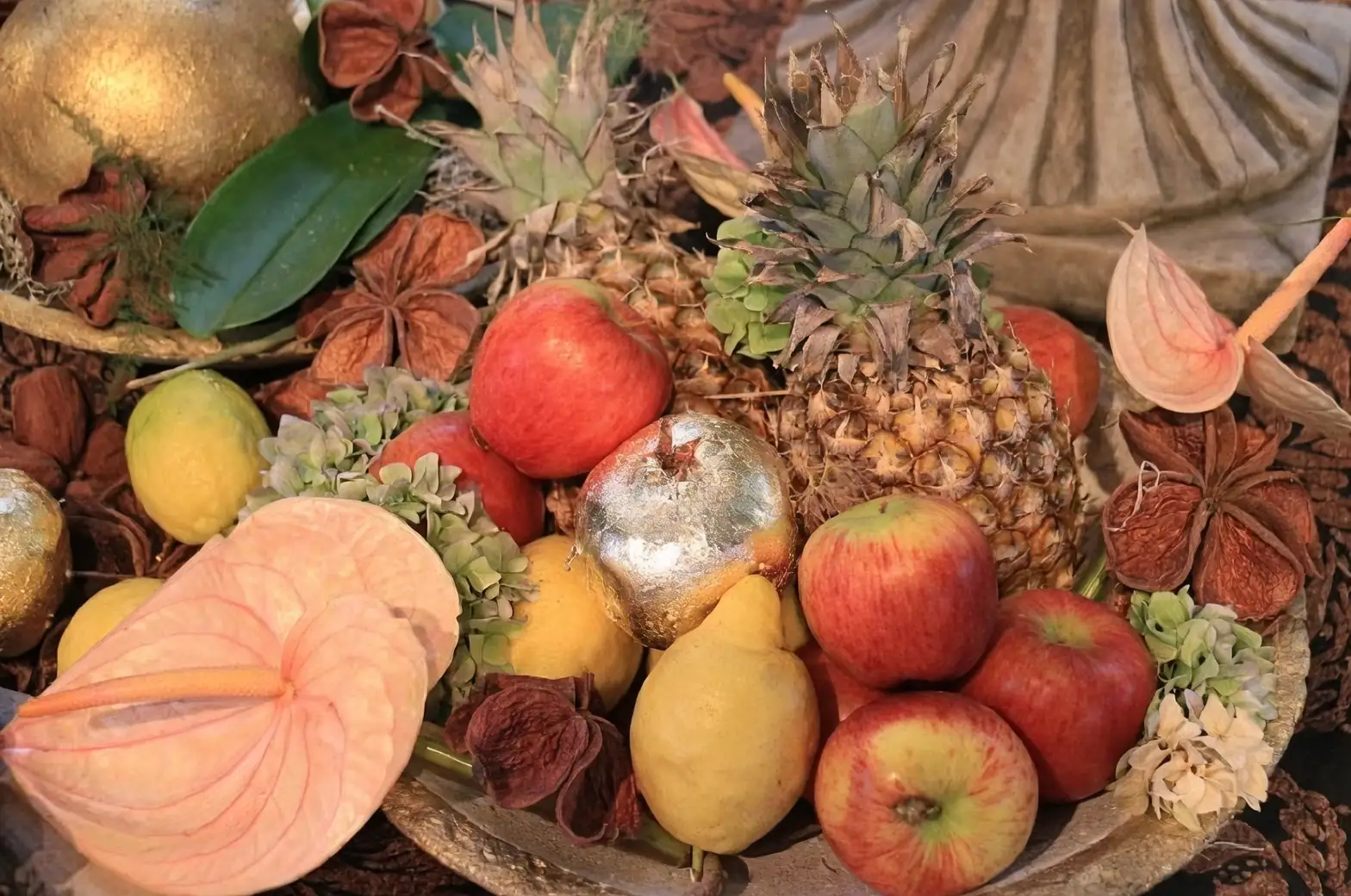
- Ethylene sources to keep out of the display:
- Fruit bowls (bananas, apples, avocados, tomatoes as they ripen).
- Aging produce baskets and wilting cut flowers nearby.
- Storage closets that double as a pantry—ethylene can pool in still air.
- Splashy neighbors:
- Plants that you routinely mist (e.g., fine-foliage ferns, mist-loving calatheas) can speckle and spot the gloxinia’s velvety leaves. If you grow them, give them a separate station.
- Fungus gnat magnets:
- Overwatered, peat-heavy pots with poor drainage raise gnat pressure. Use airy mixes and let the top centimeter (½ in) dry between waterings on non-Gesneriads nearby.
- Usual pest carriers:
- New trailing or fuzzy-leaved plants can smuggle in mealybugs and spider mites. Quarantine everything new for 2–3 weeks, and inspect leaf undersides before joining the crew.
Soil, pots, and watering that the whole crew can share
- Potting mix: An African violet–style mix is perfect—rich, loose, and well-drained (peat or coco plus perlite; a bit of compost/leaf mold is fine). For the gloxinia tuber, plant it at or slightly above the soil surface.
- Pots: Use containers with generous drainage. Slightly snug pots (around 12–15 cm / 4.7–5.9 in for a flowering gloxinia) often enhance bloom.
- Watering rhythm: During active growth, water when the surface just begins to dry—often about twice per week in bloom, adjusting to pot size, temperature, and airflow. Bottom-water or pour at the rim; never drench the foliage.
- Feeding: Every 2 weeks in growth. Switch to a bloom-leaning, higher P and K formula when buds appear (for example, something like 15-15-30). Always apply to moist soil and keep fertilizer off leaves.
Seasonal choreography: keep the display flexible
- Late spring–autumn = showtime: Bright filtered light, steady moisture, and regular feeding. Deadhead promptly to channel energy into fresh blooms.
- Midsummer heat pause: If it’s hot and muggy, flowering may slow or stop. Ease off feeding and water slightly less, keep it bright and cooler if you can.
- Winter rest: Cooler and much drier around 10–12°C (50–54°F) helps the tuber regroup. Consider parking the gloxinia on a separate, cooler sill while your evergreen companions continue under normal room temps and bright light.
Troubleshooting in a mixed display
- Buds dropping or flowers fading too fast: Too dim—or ethylene exposure. Bring it closer to bright filtered light and relocate bowls of ripening fruit or wilting bouquets.
- Leaf spots, gray fuzz, or mushy petals: Botrytis thrives on wet, stagnant setups. Increase spacing, improve airflow, and stop any overhead watering nearby.
- Pests (mealybugs, mites, aphids, fungus gnats): Quarantine, inspect, and treat early. Use yellow sticky traps for gnats; prune heavily infested growth; clean tools. If foliar nematodes are suspected, discard the plant and disinfect pots and media.
Quick buying and grooming pointers
- Choose compact plants with clean, plush leaves and a mix of open blooms and tight buds for a long run.
- Deadhead fast: Remove spent flowers and cut the stalks unless you’re saving seed (hand pollination helps if you do).
- Keep leaves spotless—but dry. Dust with a soft brush rather than wiping with water.
Flower language and lore: why gloxinia reads as “love at first sight”
Victorian gardeners fell head over heels for Sinningia speciosa, and the association stuck: velvet petals, extravagant trumpets, and a dramatic flush of color that feels instant and romantic. “Love at first sight” is less a formal doctrine than a cultural shorthand born from 19th-century gifting traditions, where bold, immaculate blooms signaled admiration and show-stopping presence. Red cultivars, unsurprisingly, got folded into the language of first love and romance. Today, that symbolism still resonates—especially when a windowsill erupts into months of satin blooms.
Safety note
Toxicity isn’t strongly documented and is generally considered low concern, but it’s still best to prevent pets and children from chewing or ingesting any part of the plant.
—
Curate your gloxinia’s entourage like a great cast: similar needs, distinct silhouettes, and plenty of air between the stars. Keep mist off the velvet, fruit bowls out of the wings, and the light soft but strong. Do that, and your Florist’s Gloxinia will headline happily from late spring well into autumn—no drama, just applause.


