

Velvet trumpets, months of color, and a reputation for being a bit particular—Sinningia speciosa (florist’s gloxinia) will reward a careful grower with a nonstop show. If your goal is maximum bloom count, richer color, and flowers that hold instead of fizzling, think beyond “good care.” The secret is a pro’s mix of deadheading discipline, bloom-leaning nutrition, cool night management, gentle airflow, and strict ethylene control. Let’s tune your plant like a concert violin and orchestrate a long, luxurious performance.
The plant at a glance
- Botanical: Sinningia speciosa (Gesneriaceae)
- Common names: Florist’s Gloxinia, Brazilian Gloxinia, Gloxinia
- Origin: Brazil; warm tropical forests, often on rocky outcrops
- Habit: Compact rosette from a tuber; plush, velvety leaves; large, velour bell-to-trumpet blooms in rich reds, pinks, purples, whites, and bicolors (singles and doubles)
- Typical size: 15–30 cm tall and wide (6–12 in)
- Peak season: Late spring to autumn (often May–October), with possible hot-weather pause
The bloom-maximizer’s playbook
Light: bright and filtered, never harsh
- Aim for bright, indirect light—an east window is ideal; a south window is fine if softened with a sheer.
- Avoid deep-interior placements for long stretches; low light fades flowers and weakens peduncles.
- Rotate the pot weekly for balanced bud development.
Temperature rhythm: cooler nights extend the show
- Prime growth/bloom range: 16–24°C (61–75°F).
- Night strategy: let nights drift toward the lower end of that range (around 16–18°C / 61–64°F) to slow petal aging and help buds hold.
- Guardrails: If midsummer gets hot and muggy, expect a pause or semi-dormancy. Shade from harsh sun, ease up on water and feed, and keep air moving.
Moisture discipline: even, never soggy
- During active growth and bloom, keep the mix evenly moist—water when the surface just begins to dry.
- Practical cadence: often about twice per week in bloom, but adjust for pot size, light, and airflow.
- Technique matters: water at soil level or bottom-water; never splash the velvety leaves or flowers. Don’t leave the pot sitting in water.
Feeding for flowers: nudge the plant to bloom, not leaf
- Start with a diluted balanced fertilizer every 2 weeks in active growth.
- When buds form, switch to a bloom-leaning formula higher in phosphorus and potassium (for example, ~15-15-30) every 2 weeks.
- Always feed onto moist soil and keep fertilizer solution off the foliage.
- Tip: leach the pot thoroughly every 4–6 weeks to prevent salt buildup that can crisp leaf margins and stunt buds.
Airflow that flatters, not flattens

- Target: gentle, steady air movement plus 50–70% humidity.
- Use an oscillating fan on low or a soft cross-breeze that never feels cold or forceful.
- Avoid cold drafts and stagnant, damp corners—both invite Botrytis and leaf spot.
Strict ethylene control: the anti–bud-blast rulebook
Sinningia speciosa is notably ethylene sensitive—trace amounts can trigger bud drop and speed up fading.
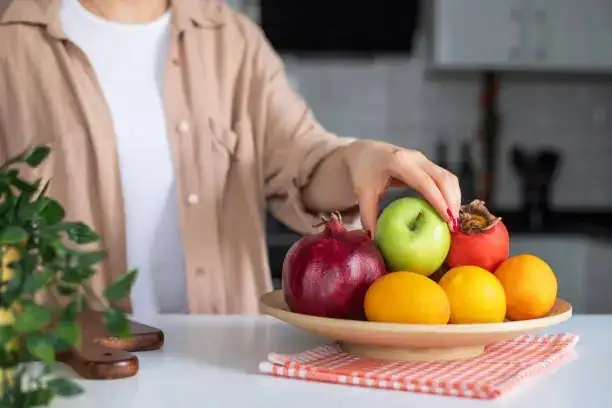
- Keep 2–3 meters (6–10 ft) away from ripening fruit—especially bananas, apples, avocados, tomatoes, melons.
- Don’t park it beside fruit bowls, compost caddies, or bags of produce from the market.
- Remove spent flowers promptly (they release ethylene as they senesce).
- Give the plant its own room during big kitchen-cooking or canning days; ventilate well.
- Avoid crowding with cut-flower bouquets, which can also elevate ethylene nearby.
Deadheading with purpose: make every cut count
Think of deadheading as redirecting the plant’s energy from seed-making back to bloom-making and tuber reserves.
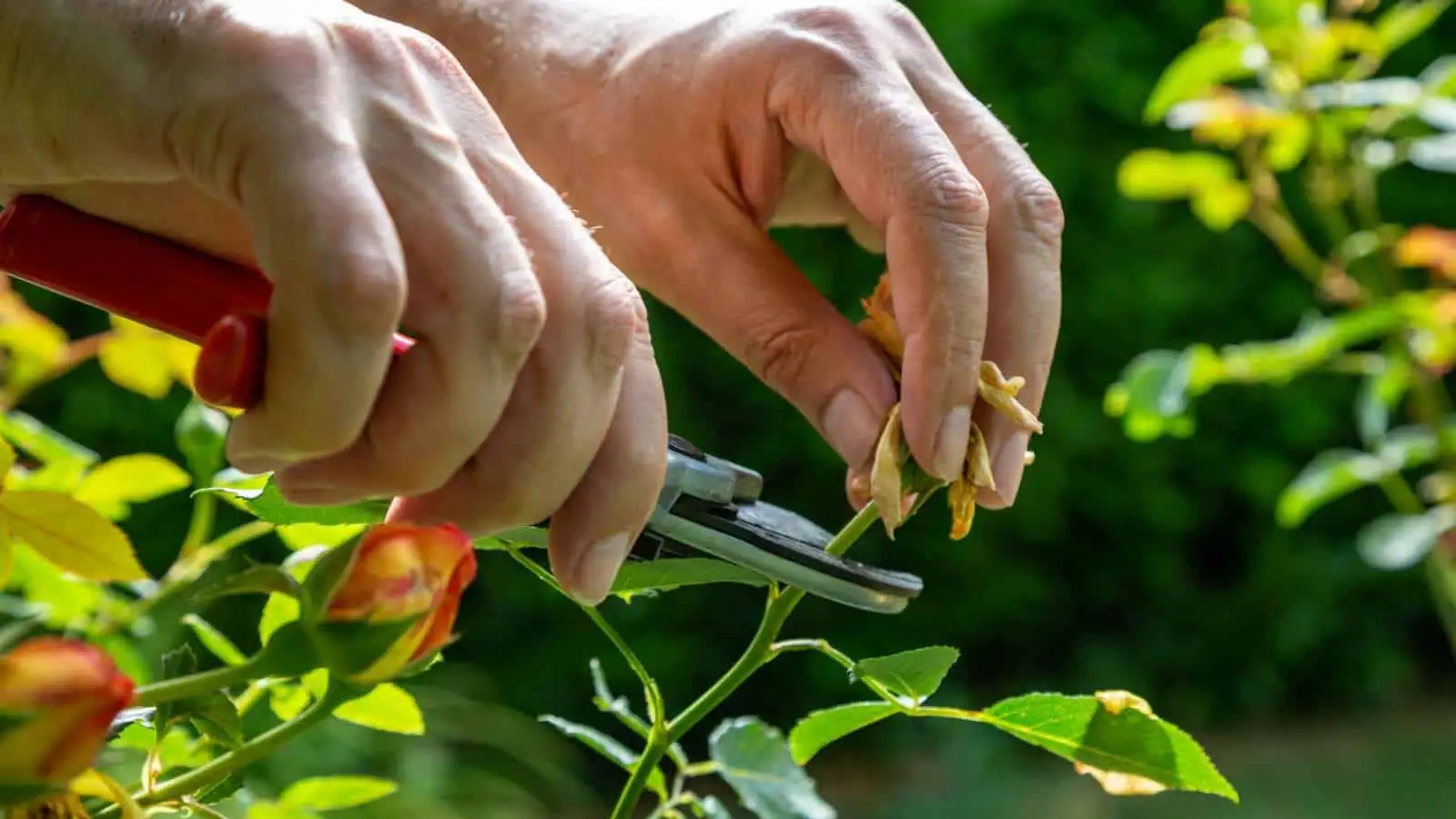
- Timing: remove each flower as soon as the corolla softens or colors dull—don’t wait for it to collapse.
- Where to cut: follow the flower stalk (pedicel) to its base and snip cleanly; then remove the spent peduncle when the cluster is finished.
- Tools: use fine snips sterilized with alcohol; wipe between cuts in damp, cool conditions to prevent Botrytis spread.
- Seed restraint: unless you’re breeding, don’t let capsules form. Seed set siphons energy and reduces subsequent bloom.
Bud blast triage: stop it before it starts
If buds yellow, pucker, or fall, look for these triggers:
- Ethylene exposure: move the plant away from fruit/cut flowers; improve ventilation.
- Heat spikes: cool the nights, add shade at midday, and boost airflow.
- Light too low: shift closer to a bright window with filtered light.
- Moisture swings: avoid the dry–soggy whiplash; adopt small, consistent waterings.
- Excess nitrogen: resume a bloom-leaning formula; flush salts.
- Stagnant, humid air on petals: increase gentle airflow without chilling.
Heat-wave management and the midsummer pause
Many plants briefly slow or go semi-dormant in peak midsummer heat.
- What to do: reduce watering frequency (but don’t let the tuber desiccate), pause or lighten feeding, shade more deeply, and maintain airflow.
- What not to do: heavy pruning or repotting in the heat. Wait for cooler weather or post-bloom.
Potting, medium, and roots for repeat performances
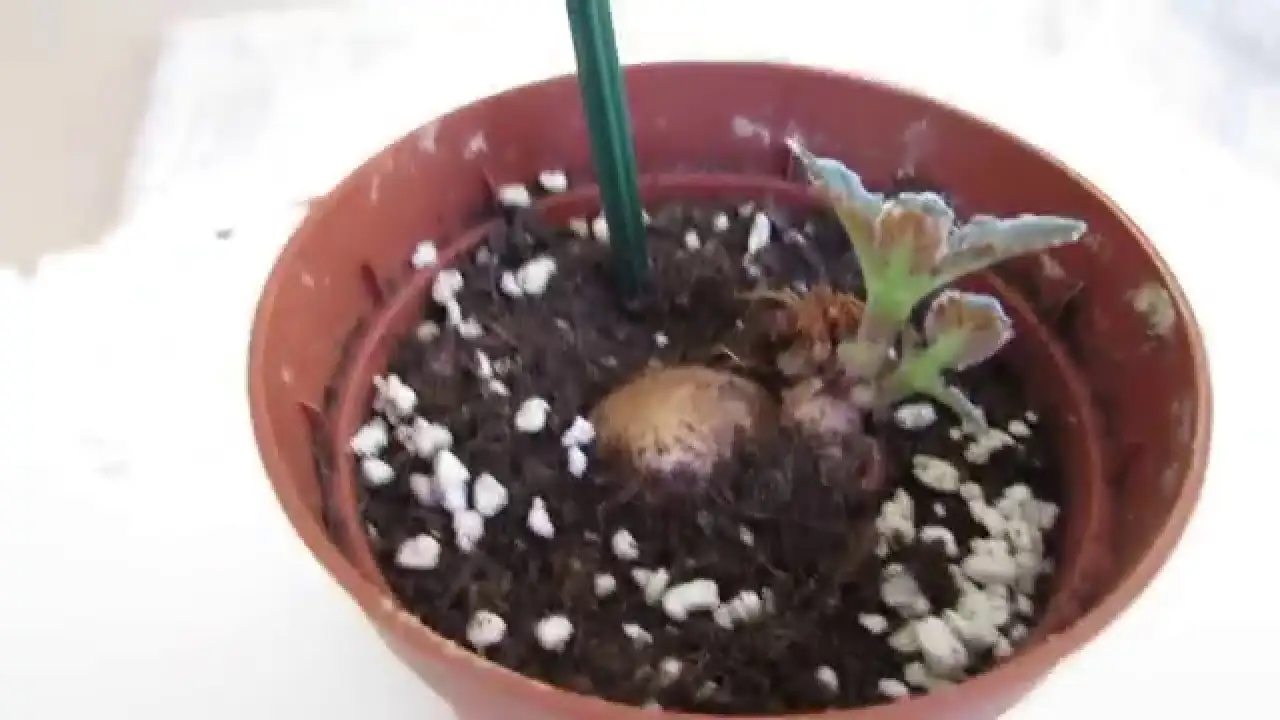
- Mix: an African violet–style medium—peat or coco coir with perlite—rich, loose, and fast-draining.
- Positioning: set the tuber at or slightly above the soil surface to discourage rot.
- Pot size: slightly snug pots often flower best; many cultivars are happy in 12–15 cm (4.7–5.9 in) containers.
- Repotting window: spring as sprouts emerge, or right after the main flowering flush. Refresh the mix every couple of years.
Velvet-safe pest and disease control
Wet fuzz equals trouble, so prevention and targeted treatments are key.
- Common pests: mealybugs, spider mites, aphids, fungus gnats.
- Gentle tactics:
- Spot treat mealybugs with cotton swabs dipped in isopropyl alcohol (avoid soaking leaves).
- Use yellow sticky cards for fungus gnats; let the top layer dry a bit between waterings.
- Improve airflow and light to reduce mite pressure; rinse the pot exterior and bench, not the leaves.
- Disease watch: gray mold (Botrytis), leaf spots, powdery mildew, and rot typically follow wet foliage and stale air. Keep leaves dry, prune promptly, and ventilate.
Optional: hand pollination (and how to keep petals from rotting)
If you’re breeding or saving seed:
- Use a soft, clean brush to transfer pollen to the stigma.
- After pollination, remove petals to reduce Botrytis risk on the sticky corolla.
- Expect capsules to ripen in about 30–40 days. Otherwise, remove them promptly to conserve energy for flowering.
The annual rhythm for maximum bloom
- Spring (tubers waking): repot if needed; begin gentle watering; start balanced feeding once growth is underway.
- Late spring–autumn (May–October): main flowering. Maintain bright filtered light, even moisture, bloom-leaning feeding every 2 weeks once buds show, and consistent deadheading.
- Midsummer heat: protect from harsh sun; allow a light rest if the plant slows; reduce watering/feeding slightly.
- Winter rest: hold cooler if possible (about 10–12°C / 50–54°F), much drier than summer, with enough light and airflow to avoid rot. Resume watering when new growth returns.
Advanced finishing touches for a longer, fuller display
- Support: discreetly stake heavy peduncles so buds don’t kink.
- Humidity with restraint: use a pebble tray or humidifier to reach 50–70% but never mist the leaves or blooms.
- Cleanliness: keep benches, snips, and pots tidy; remove yellowing leaves fast.
- Presentation: rotate weekly and keep a small fan running on low to keep petals fresh.
Meaning and lore: the velvet of first love
Victorian-era plant lovers popularized this “gloxinia,” and with its plush, glowing blooms, it picked up a romantic reputation—often symbolizing love at first sight and deep admiration. The symbolism likely comes from the plant’s theatrical look: a rosette that seems to present a bouquet all at once. It’s an elegant, show-stopping presence—fitting as a gift for a new romance or a celebration—yet its longest, most luminous displays belong to those who master its quiet preferences for cool nights, steady moisture, and clean, moving air.
Quick answers to common bloom questions
- Why are my flowers fading fast? Too little light or warm, stagnant air speeds aging; brighten the spot, cool the nights, and add gentle airflow. Check for ethylene sources.
- Why are buds dropping? Ethylene exposure (fruit/cut flowers), heat spikes, moisture swings, or low light are prime suspects. Correct those first.
- How often should I deadhead? Daily scans during peak bloom—remove each fading bloom at the pedicel base and clear entire spent stalks promptly.
One last reminder
Sinningia speciosa is a tuberous perennial capable of multiple seasons of bloom. Keep water and fertilizer off the velvet, enforce strict ethylene hygiene, and give it a slight nightly cool-down. Do that, and you’ll turn a pretty plant into a repeat headliner.


