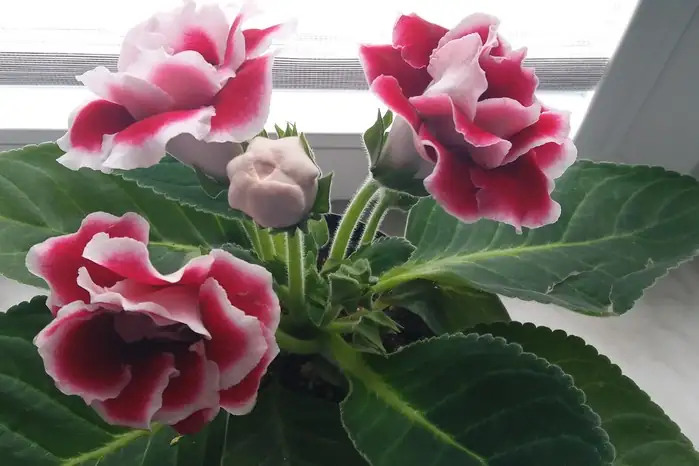
Think of florist’s gloxinia (Sinningia speciosa) as a velvet-clad performer with a well-rehearsed program: lush foliage, a long run of extravagant blooms, an intermission during sweltering midsummer, and a restorative winter retreat that sets up a vigorous spring comeback. Once you understand that rhythm—and how to tweak water, fertilizer, and temperature to match it—you’ll get longer shows, cleaner foliage, and sturdier regrowth year after year.
Meet the plant: velvet leaves, trumpet blooms, tuber power
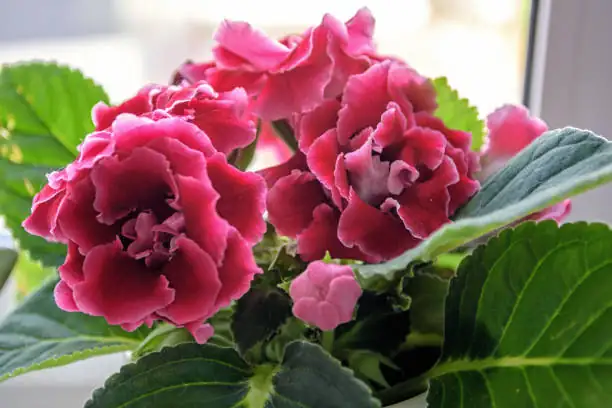
- Botanical profile: Sinningia speciosa (Gesneriaceae), a tuberous Brazilian native often sold as “florist’s gloxinia,” with plush rosettes of velvety leaves and big bell-to-trumpet flowers.
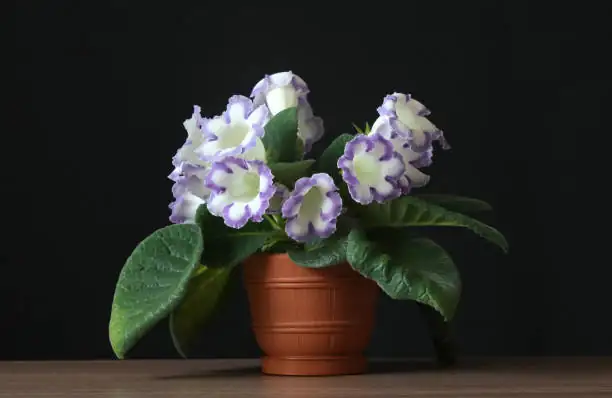
- Look and size: Typically 15–30 cm tall and wide. Blooms in rich reds, pinks, purples, whites, and bicolors; many speckled or double.
- Key habit: Grows from an underground tuber that fuels the display. With the right light, moisture, and a cool, drier rest, it can flower from late spring well into autumn—though it commonly pauses in the peak of hot midsummer.
The seasonal rhythm—decoded
Late spring to early summer: the main act
- What you’ll see: Strong, tidy rosettes, buds stacking up, then weeks to months of flowers.
- What it wants: Bright, filtered light; even moisture; modest heat (about 16–24°C / 61–75°F); and steady feeding.
Hot midsummer pause: the intermission
- Why it happens: In hot, muggy weather (often July–August), this species dislikes heat stress. It may slow bloom production or go semi-dormant to protect the tuber.
- What you’ll see: Fewer new buds, flowers finishing quickly, leaves less perky.
- What to do: Reduce water and fertilizer, keep it bright but out of harsh sun, and cool it down if possible with airflow and a lighter spot away from heat sources.
Early autumn: the encore
- Cooler nights can nudge plants back into light flowering, provided you’ve protected the foliage, avoided waterlogging, and kept them in bright, indirect light.
Winter rest: the backstage reset (two good options)
- Classic cool rest: 10–12°C (50–54°F), drier, bright position, absolutely no chill below 5°C (41°F).
- Lighter, cool-ish rest: 15–17°C (59–62°F), still much drier than summer, bright, with minimal feeding.
- Either approach works if the mix stays free-draining, the air is fresh (not cold and clammy), and you resist the urge to overwater.
Water and feed—by season
Match the plant’s metabolism to your care. The goal is even moisture during growth, then a gentle taper during heat stress and a cool, drier hold in winter.
Active growth and bloom (late spring to early summer; often May–June)
- Watering:
- Keep evenly moist but never soggy.
- Water when the surface just begins to dry; for many homes in bloom this is roughly twice per week.
- Always water at soil level or bottom-water; keep the velvety leaves and flowers dry.
- Feeding:
- Every 2 weeks with a diluted balanced fertilizer.
- When buds form, switch to a bloom-leaning formula higher in phosphorus and potassium (for example, around 15-15-30).
- Feed only onto moist soil; never over dry roots and never splash foliage.

Midsummer slowdown (often July–August)
- Why adjust: Heat and humidity push the plant toward a semi-rest.
- Watering dial-back:
- Let the top 2–3 cm of mix dry before rewatering.
- Reduce volume and frequency by about one-third, watching the plant’s cues.
- Feeding dial-back:
- Cut feeding to once a month at half strength—or pause entirely if growth stalls.
- Environment:
- Keep bright, indirect light; shield from harsh sun.
- Boost airflow; avoid heat vents and stifling corners.
- Never let the pot sit in water.
Winter rest (cool and drier)
- Watering:
- Keep on the dry side. Offer light sips just often enough to prevent the tuber and mix from bone-dry shrinkage.
- If the top growth dies back, reduce further—think a brief drink every few weeks rather than a proper watering.
- Feeding:
- Reduce markedly or stop until new spring growth resumes.
- Temperature and light:
- Aim for 10–12°C for a deep rest or 15–17°C for a lighter rest, always in bright, indirect light with fresh air.
- Protect from temperatures below 5°C (41°F).
Light, temperature, humidity, soil—the comfort quartet
- Light:
- Bright, indirect/filtered light. East-facing windows are ideal; south with a sheer curtain works; avoid harsh midday sun.
- Too low light = pale leaves, weak stalks, fewer flowers.
- Temperature:
- Best at 16–24°C (61–75°F) in growth; dislikes extreme heat.
- Humidity and airflow:
- Prefers about 50–70% humidity with gentle ventilation.
- Never mist the leaves or flowers—wet velvet spots and rots.
- Pebble trays or a humidifier are fine; keep air moving to avoid cold, damp stagnation in winter.
- Soil and pot:
- Use a rich, loose, fast-draining African violet–type mix (peat/coco plus perlite; a bit of leaf mold/compost is fine).
- Plant the tuber at or just above the soil surface.
- A snug 12–15 cm pot often promotes better bloom; always with good drainage.
Spring wake-up: priming the tuber for a strong season
- Late winter to spring (often around April), as eyes swell:
- Refresh into fresh mix if needed; choose a pot with room but not excess.
- Start watering gradually—lightly moisten, then step up as leaves expand.
- Begin feeding once growth is underway; switch to bloom-leaning formula when buds appear.
- Deadhead promptly to extend the show and help the tuber store energy.
- Handy grower tip: If multiple weak shoots emerge, keeping one or two strong sprouts can yield larger, showier blooms.
Midsummer and winter playbooks (step-by-step)
Midsummer heat playbook
- Move to the brightest indirect light you have; add a sheer if needed.
- Increase airflow; avoid hot glass, ovens, or sunny sills during heat spikes.
- Water less often and with smaller volumes; never leave the pot in a saucer of water.
- Halve or pause fertilizer; resume only when new buds reappear.
- Keep it far from ripening fruit—ethylene gas triggers bud drop and shortens bloom life.
Winter rest playbook
- Choose your rest: deep (10–12°C) or light (15–17°C).
- Hold the plant bright and airy, but cool; no cold drafts or damp, stagnant corners.
- Water sparingly; allow the mix to dry more than in summer, but avoid bone-dry for long stretches.
- Stop or greatly reduce feeding.
- Resume regular watering and feeding only when new growth returns in spring.
Troubleshooting the rhythm
- Buds drop or flowers age fast:
- Likely ethylene exposure (fruit bowls), heat stress, or dim light. Increase bright, filtered light; improve airflow; relocate away from fruit.
- Leaves spot or rot:
- Foliage got wet or the room is damp and stagnant. Water at soil level or bottom-water; increase ventilation; remove affected parts.
- Pale leaves, floppy petioles:
- Not enough light. Move closer to a bright window with filtered sun.
- Browned edges and soggy mix:
- Overwatering or poor drainage. Repot into a looser mix; water only when the surface dries.
Quick seasonal calendar
- Spring: Tubers wake—repot if needed; gradually increase water; start feeding when growth is active; sow seed if propagating (15–21°C).
- Late spring to autumn (often May–October): Main growth and flowering—bright filtered light, even moisture, feed every 2 weeks, deadhead.
- Midsummer (often July–August): Likely pause—shade from harsh sun, reduce water and feed, keep airy and cool.
- Winter: Cool, drier rest at about 10–12°C (or a lighter 15–17°C); keep above 5°C; resume care when new growth appears.
Propagation for future shows
- Leaf cuttings: Take a healthy mature leaf with ~1 cm of petiole; insert into perlite or a light mix; warm, shaded, humid. Roots often form in 10–15 days.
- Seed (spring): Dust-fine seed sown on the surface—do not cover. Germinates in 2–3 weeks at 15–21°C. Pot up at 6–7 true leaves; you may see blooms by autumn.
- Tuber division: Divide in spring as growth begins. For reliable seed set, hand pollinate and remove petals after pollination to reduce rot; capsules ripen in 30–40 days.
Pests, diseases, and precautions
- Pests: Mealybugs, spider mites, aphids, fungus gnats; act early.
- Diseases: Botrytis (gray mold), leaf spot, powdery mildew, and root rot—usually tied to wet foliage or soggy media. Keep foliage dry, air moving, and drainage excellent.
- Safety: Toxicity is not strongly documented and is often treated as low concern, but prevent pets and children from chewing any part.
Symbolism: “love at first sight,” with Victorian roots
Florist’s gloxinia became a sensation in 19th‑century parlors where extravagant blooms signaled taste and affection. That salon debut likely fed its association with admiration and love at first sight—one glorious, velvety bouquet on a windowsill could stop conversation. While flower language is cultural rather than botanical, gifting a deep red cultivar still carries that “instant spark” message; bicolors and frilled doubles read as elegance and showmanship.
—
Master its intermission and its winter retreat, and Sinningia speciosa will reward you with a longer, richer season—lush rosettes, saturated color, and a spring encore that looks anything but tired. Keep it bright, keep its leaves dry, cool it when it asks, and let the tuber rest: that’s the whole rhythm.