

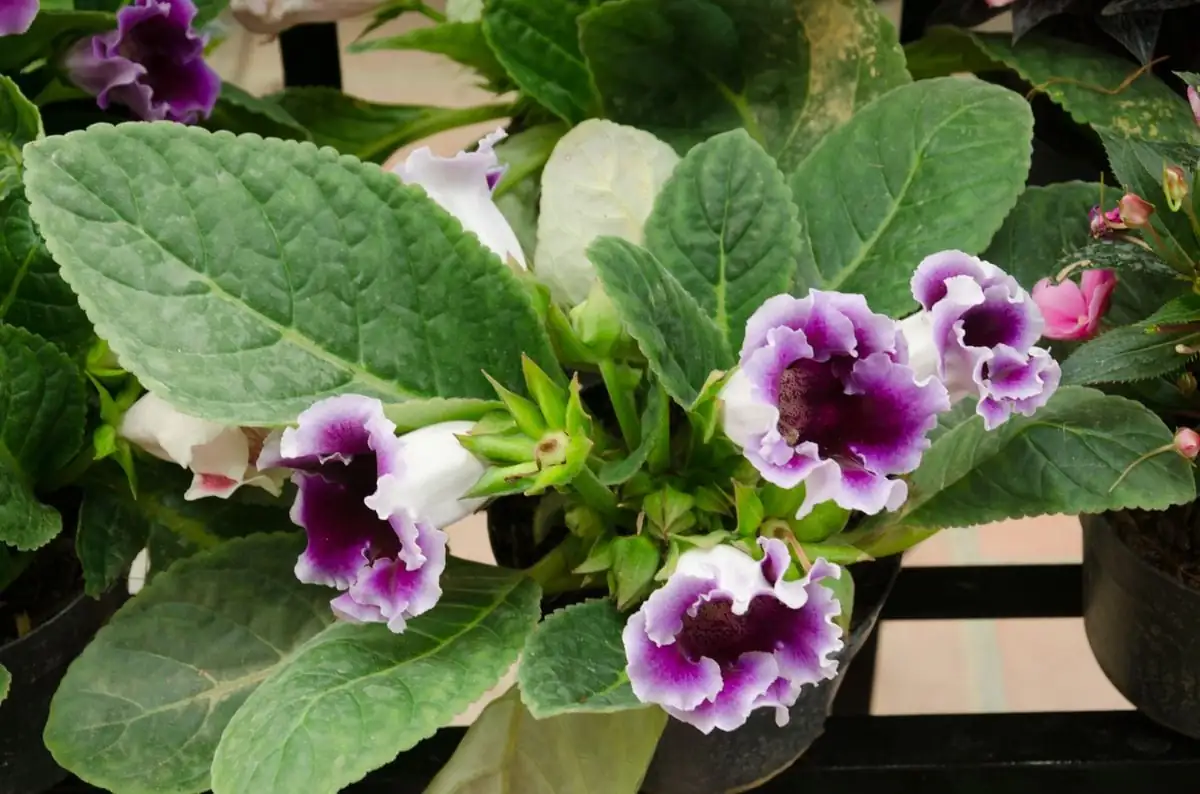
If you’ve ever fallen for the plush, velvety drama of florist’s gloxinia (Sinningia speciosa), here’s your backstage pass to making more—faster, cleaner, and with fewer hiccups. We’ll dive into three reliable routes—leaf cuttings, seed surface-sowing, and tuber division—plus the humidity tricks and hand‑pollination moves that turn a good attempt into a sure thing.
Before you start: dial in the microclimate
- Light: Bright, filtered light—think east window or a south window softened by a sheer curtain. Avoid harsh midday sun that scorches the fuzzy leaves.
- Temperature: For active growth and propagation, aim for 16–24°C (61–75°F). Germinating seeds prefer 15–21°C (59–70°F).
- Humidity: 50–70% is the sweet spot. Increase humidity without wetting leaves (pebble tray, humidifier, or a vented dome). Always pair humidity with airflow to prevent botrytis and damping‑off.
- Mix matters:
- African violet-style base mix for plants/tubers: 60% peat or coco coir + 30% perlite + 10% fine bark or leaf mold.
- Leaf cuttings: 1:1 perlite and coarse sand, or 2:1 perlite:coco for a light, airy rooting bed.
- Seed sowing: Fine-textured, sterile mix—try 60% screened peat/coco + 30% fine perlite + 10% vermiculite, pre‑moistened and firmed.
- Watering rule: Keep moisture even, never soggy, and don’t splash those velvety leaves or flowers. Bottom-water or trickle at soil level.
- Clean tools, clean starts: Sterilize blades and trays. If damping-off has haunted you, microwave or oven‑pasteurize the seed mix before sowing.
Propagation route 1: leaf cuttings (fast clones of your favorite plant)

When to cut: Spring through early summer, when the plant is in active growth.
What to take
- Choose a mature, healthy leaf with about 1 cm (0.4 in) of petiole.
- Optional: For more starts, you can section a large leaf (cut across the midrib into 2–3 pieces), but a whole-leaf cutting is simplest and most reliable.
Step-by-step
1) Prep the leaf: Make a clean cut and let the petiole/cut edge dry for 20–30 minutes in the shade to lightly callus.
2) Optional dip: Dust the petiole end with a tiny amount of rooting hormone.
3) Planting angle: Insert the petiole 1–1.5 cm deep into the airy rooting medium. Keep the leaf blade slightly inclined so water can’t pool on it.
4) Humidity tent: Cover with a clear vented lid or bag. Aim for high humidity at first but open vents daily to refresh air.
5) Light and heat: Bright shade (no direct sun on the dome); 16–24°C (61–75°F).
6) Water: Bottom-water as needed. The medium should be lightly moist, never wet.
Timelines
- 10–15 days: Roots typically form.
- 3–6 weeks: Tiny plantlets (and little tuberlets) appear at the petiole base.
- Potting up: When each plantlet has 2–3 leaves, separate gently and pot into a light African violet-style mix. Keep the new tuber at or slightly above the surface.
Pro tip
- Vent the dome a little more each week to toughen young plants.
- Feed very lightly (1/8–1/4 strength) once plantlets are actively growing—apply to soil only.
Propagation route 2: seed, surface-sown (for big batches and new color combos)

When to sow: Spring is classic, but you can sow year‑round under lights with steady warmth.
Sowing method
1) Fill a shallow tray or deli cup with sterile, pre‑moistened, fine mix. Firm the surface.
2) Sow dust-fine seed on top—do not cover. For even distribution, mix seed with a pinch of fine sand.
3) Humidity: Cover with a clear lid or tuck the tray into a transparent clamshell. Add 2–4 pinholes for gentle ventilation.
4) Light and temperature: Bright, indirect light; 15–21°C (59–70°F). A small LED panel (12–14 hours/day) keeps seedlings stout and even.
5) Water: Bottom-water only. Avoid splashing; never let the tray sit in water.
Timelines
- 2–3 weeks: Germination begins.
- Weeks 3–6: Start “hardening the air”—open vents a bit more every few days.
- 2–3 leaf pairs: Prick out and space seedlings into a fresh tray.
- 6–7 true leaves: Pot up as individuals. Feed lightly every two weeks during active growth, keeping fertilizer off foliage.
- Flowering window: Spring-sown seedlings can reach first bloom by autumn with good light and even moisture.
Clean-room hacks for seed success
- Label like a scientist. Note sowing date and variety on tray and tag.
- If you’ve battled moss and fungi, pasteurize the mix in the microwave before sowing.
- Gentle airflow (small USB fan nearby, not blowing directly) keeps domes dry inside.
Propagation route 3: tuber division (instant upgrades, spring only)
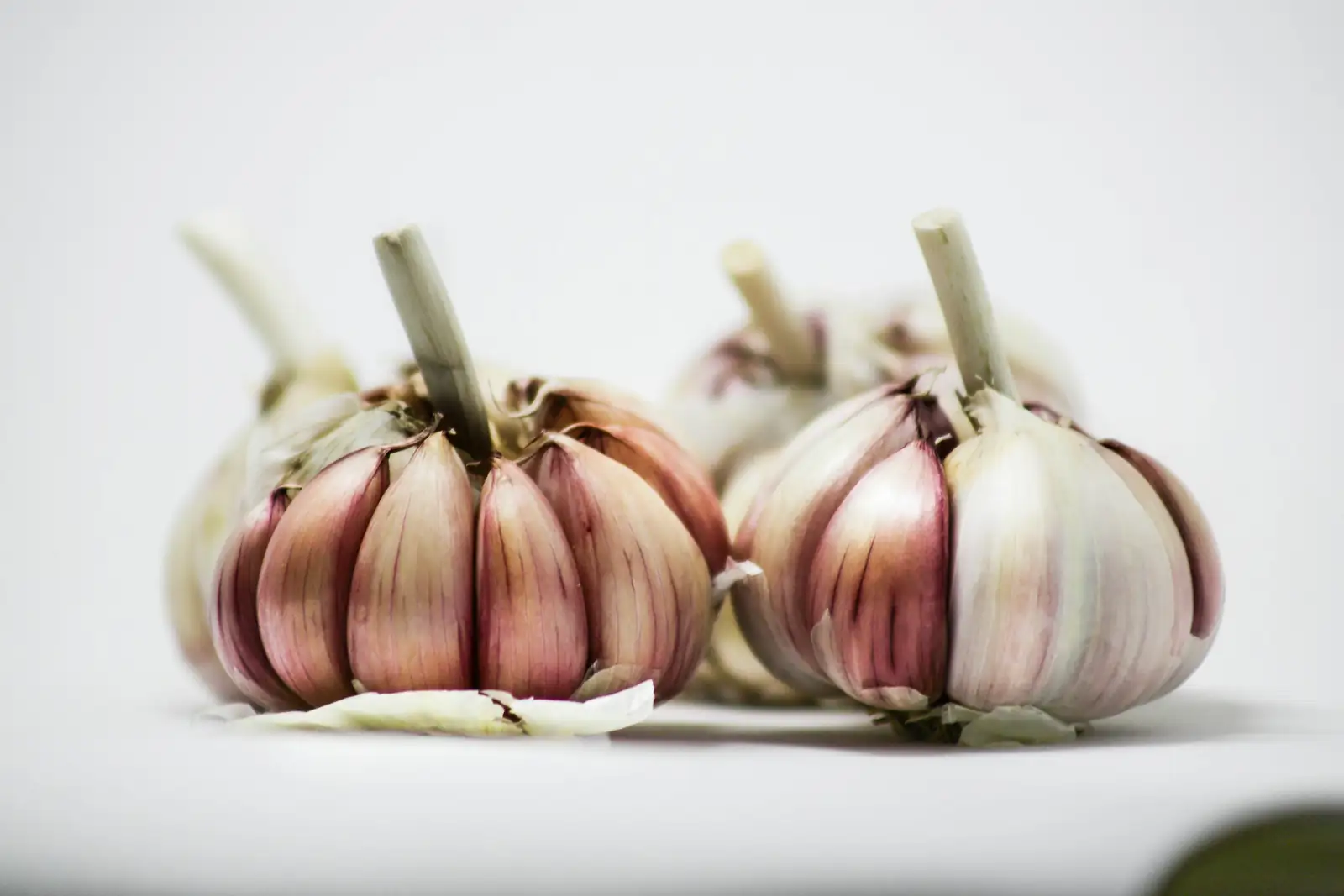
When to divide: Early spring as the tuber “eyes” swell and sprouts just start to show.
Step-by-step
1) Unpot and inspect: Rinse the tuber gently to find natural lines or growing points.
2) Sterilize and slice: With a clean, sharp blade, cut so each division has at least one healthy bud.
3) Callus: Air-dry cut surfaces 24–48 hours in a warm, shaded place. Optionally dust cuts with powdered sulfur or cinnamon.
4) Potting depth: Set divisions in a fresh, well‑drained mix with the crown at or slightly above the surface. Use a snug pot—too large stays wet too long.
5) Watering and light: Lightly moisten the mix; keep bright, indirect light. Water sparingly until new leaves expand.
Timelines
- 2–4 weeks: New growth typically appears.
- Feed lightly once established. Keep leaves dry.
A note on culture while propagating
- Originating from warm Brazilian forests and rocky outcrops, Sinningia speciosa thrives in bright, filtered light, even moisture (never waterlogged), and steady warmth. It may pause or go semi‑dormant in sultry midsummer heat; ease off water and fertilizer then resume when growth rebounds.
- Indoors is best in most climates. Protect from cold snaps and always keep above 5°C (41°F). A cool, drier winter rest around 10–12°C (50–54°F) helps tubers recharge.
Hand‑pollination for reliable seed set
Sinningia speciosa will often set more seed—and set it more dependably—when you lend a hand.
What you’ll need
- A soft, clean brush or a fine paintbrush
- Plant tags and dates
- Paper sleeves or mesh bags (optional for controlled crosses)
Timing and technique
1) Choose flowers at peak: Freshly open blooms often shed pollen within a day. Look for visible pollen on the anthers; the stigma should appear slightly glossy or sticky when receptive.
2) Transfer: Gently touch the anthers to pick up pollen, then brush it onto the stigma of the chosen flower. For crosses, move from donor to recipient and label immediately.
3) Repeat: For best take, repeat the transfer on the next day.
4) Petal removal: After pollination, carefully remove the corolla (petals) to improve air circulation and reduce the risk of botrytis.
5) Keep conditions steady: Bright, indirect light; avoid overhead wetting; and keep away from ripening fruit—ethylene gas can trigger bud drop.
Seed ripening
- Capsules typically mature in 30–40 days. They’ll dry and lightly split when ready.
- Let capsules dry in a labeled paper packet, then surface‑sow for your next generation.
Humidity hacks that actually help
- The clamshell method: A clear salad box makes a perfect mini propagator—easy to vent, easy to bottom‑water.
- Deli-cup nurseries: Use a clear cup with a few lid holes, and a second cup as a saucer. Drill side holes near the base for gentle air exchange.
- Pebble tray + fan: For potted stock plants, a pebble tray boosts humidity while a small fan prevents stale, damp air.
- The “dry leaf” rule: High humidity is good—wet foliage is not. Always direct moisture to the medium, not the leaves.
Season-by-season propagation game plan
- Spring
- Repot awakening tubers; divide if needed.
- Start leaf cuttings.
- Surface‑sow seeds at 15–21°C (59–70°F).
- Begin regular, dilute feeding once growth is underway.
- Late spring to autumn
- Main growth and flowering. Maintain bright filtered light, even moisture, and biweekly feeding.
- Hand‑pollinate if you’re saving seed; deadhead other blooms to help the tuber store energy.
- Expect a heat pause in midsummer; scale back water and fertilizer as needed.
- Winter
- Cool, drier rest around 10–12°C (50–54°F). Keep the tuber just barely moist. Resume watering when new growth returns.
Troubleshooting quick hits
- Leaf or petiole rot on cuttings: Too wet, too cold, or too stagnant. Increase ventilation, warm it up, and water less often.
- Damping‑off in seedlings: Sterile mix, bottom-water, vent domes daily, and don’t overcrowd.
- Bud blast or fading flowers: Improve light (but keep it filtered), and move plants away from fruit bowls—ethylene can cause buds to drop and blooms to age faster.
A few pro touches
- Keep the tuber’s crown at or slightly above the soil surface to discourage rot.
- Slightly snug pots often produce better bloom displays.
- When sprouting a large tuber, some growers keep just one or two strong shoots for a compact, floriferous plant.
Flower language, thoughtfully considered
Sinningia speciosa is often linked with “love at first sight” and admiration—a nod to the Victorian floriography era when lavish, velvety blooms telegraphed romance without words. While these meanings aren’t botanical truths, they capture how the plant is experienced: a sudden, striking presence that steals attention at a glance. If you gift one in full velvet regalia, you’re echoing a century‑old tradition of elegant courtship.
Safety note
Toxicity isn’t well documented and is generally treated as low concern, but it’s still wise to prevent pets and children from chewing on any part of the plant.
Your propagation checklist
- Bright, indirect light; 16–24°C (61–75°F)
- Humidity 50–70% plus airflow
- Sterile blades, labeled trays, and clean media
- Leaf cuttings: whole leaf with 1 cm petiole; roots in 10–15 days
- Seeds: surface‑sow at 15–21°C (59–70°F); germinate in 2–3 weeks
- Tuber division: in spring; callus cut surfaces 24–48 hours
- Hand‑pollination: soft brush; remove petals after; capsules ripen in 30–40 days
Nail these fundamentals, and your windowsill can become a year‑round propagation lab—turning one velvety showstopper into a chorus line of blooming Sinningia speciosa.


