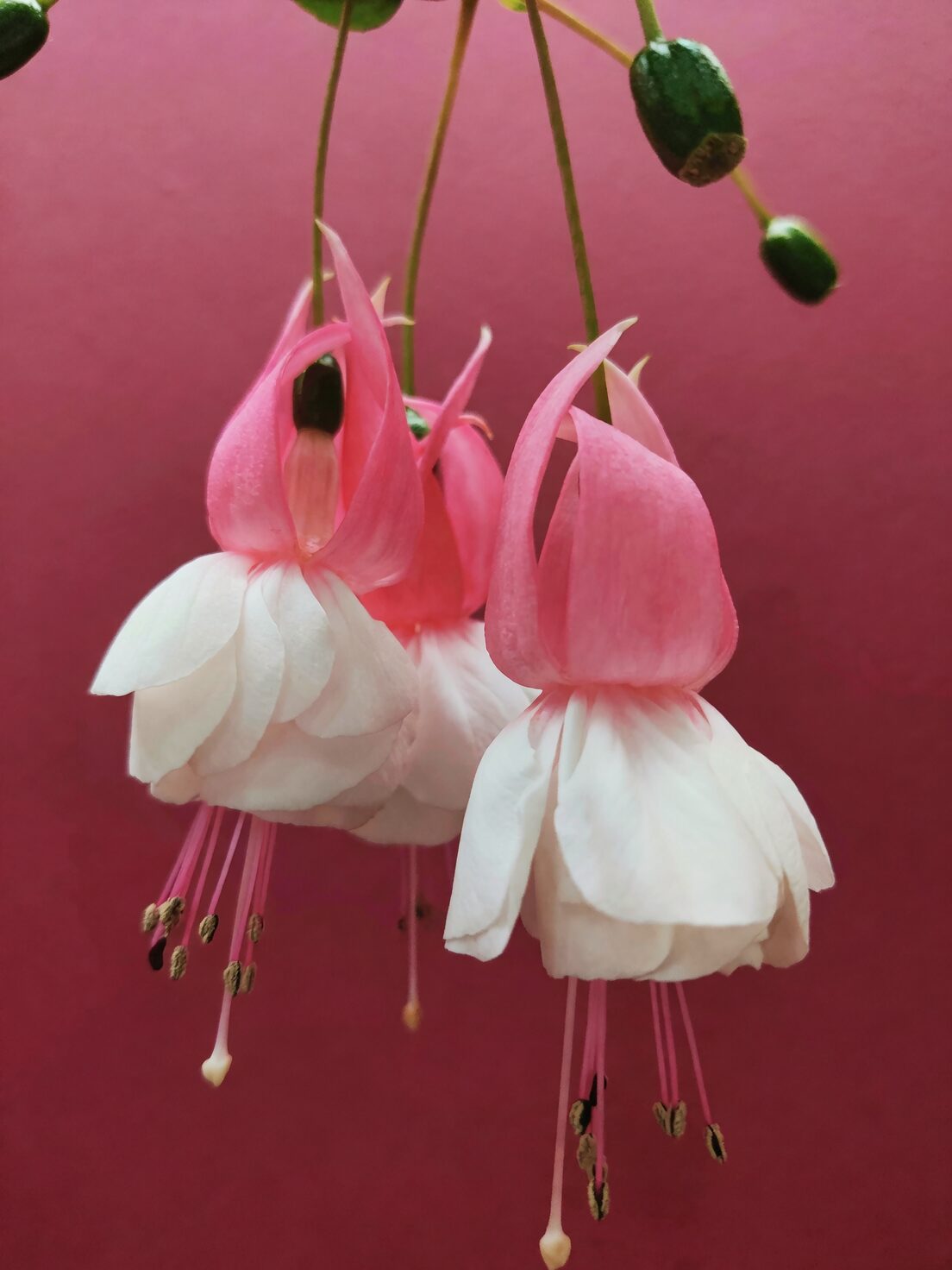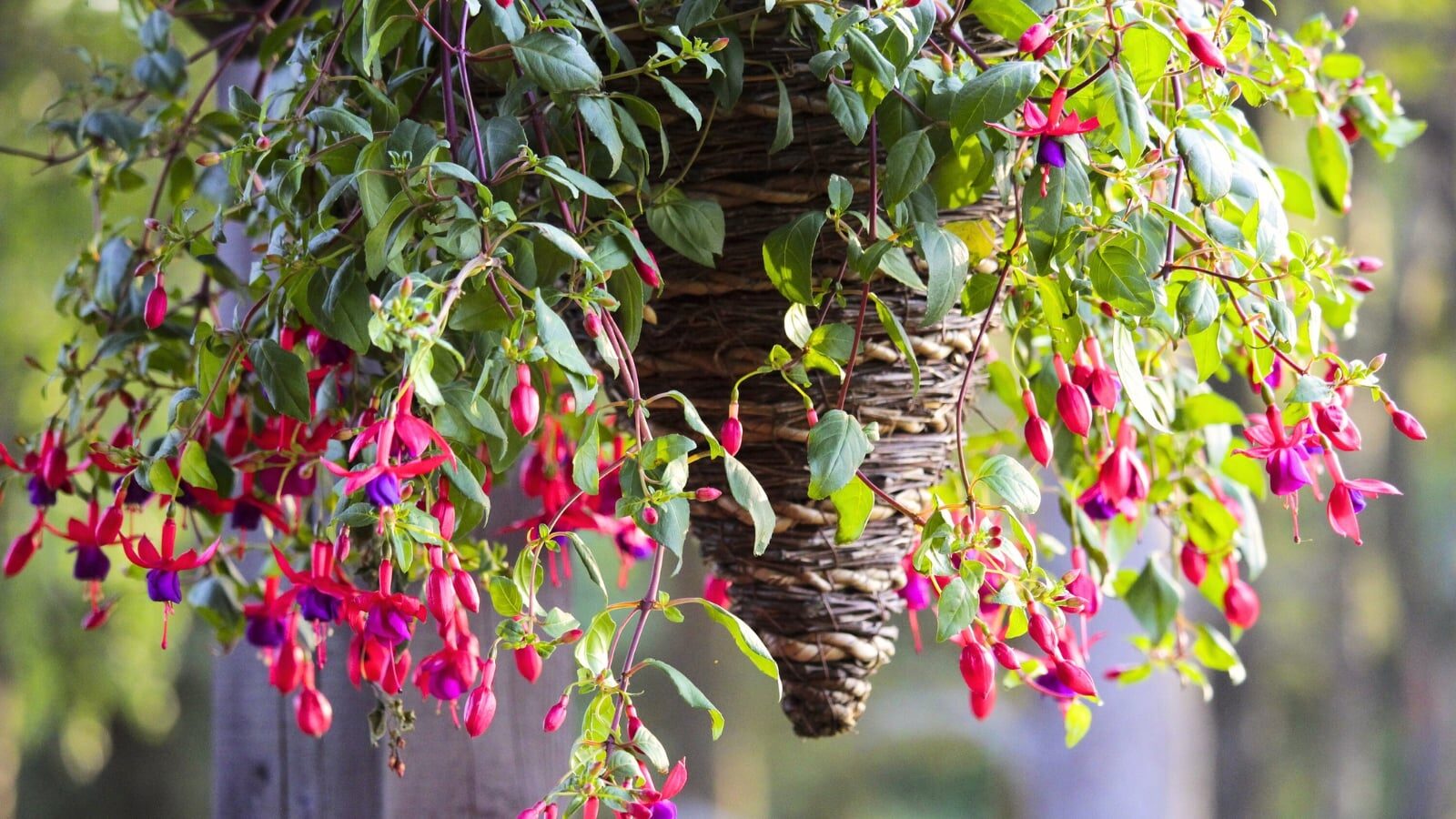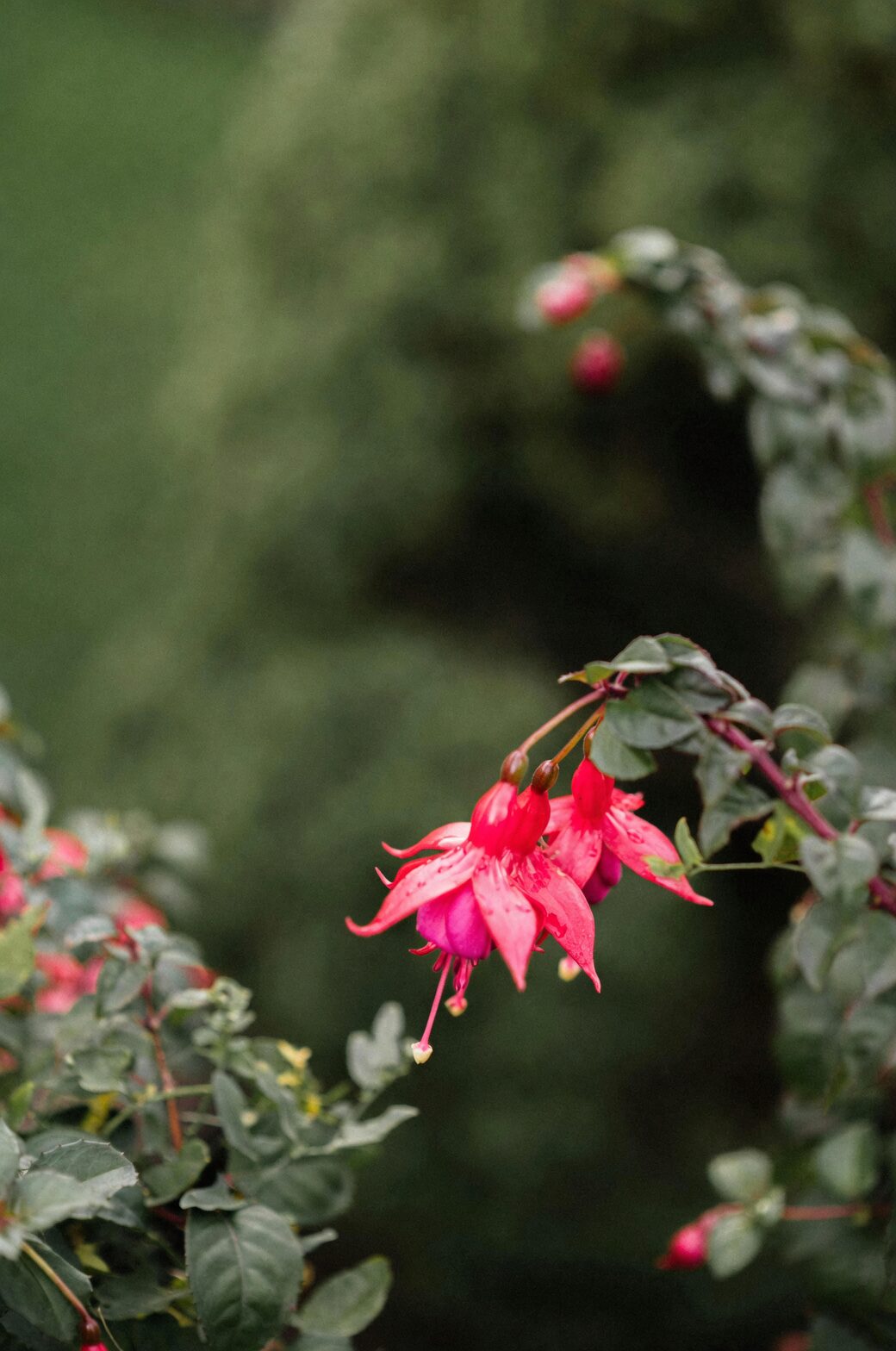


Meet the velvet showstopper you can style like a piece of furniture: Sinningia speciosa, the florist’s gloxinia. Compact, plush, and wildly floriferous, it turns a bright sill into a jewel-box display. The secret to keeping it lush and blooming for months? Design choices that honor what this Brazilian, tuber-forming plant actually wants: bright filtered light, even moisture without wet leaves, moderate humidity, and gentle temperatures. Let’s match its needs to high-style placement, color palettes, and tactile pot pairings—plus the crucial reasons to keep it far from heaters and fruit bowls.
H2: Light That Flatters: East Windows and Sheer South Light
- East-facing windows: This is the plant’s sweet spot. It gets bright morning sun that’s gentle enough not to scorch those velvety leaves. Park your gloxinia right on the sill or a stand just off the glass for diffuse brightness.
- South-facing windows with sheers: Strong southern exposure can be too harsh. A sheer curtain (or frosted film) softens glare into the “bright, indirect light” zone. Aim for bright but softened rays across most of the day.
- Avoid deep room placement: If it sits too far from the window, you’ll see pale foliage, stretched growth, and fewer flowers. If you can read a book there without switching on a lamp in daytime, the light is probably right.
- Rotate for symmetry: Quarter-turn the pot weekly so flower stalks rise evenly and the rosette keeps its neat form.
H2: Room-by-Room Placement Ideas (That Also Keep It Happy)
H3: Living room vignette
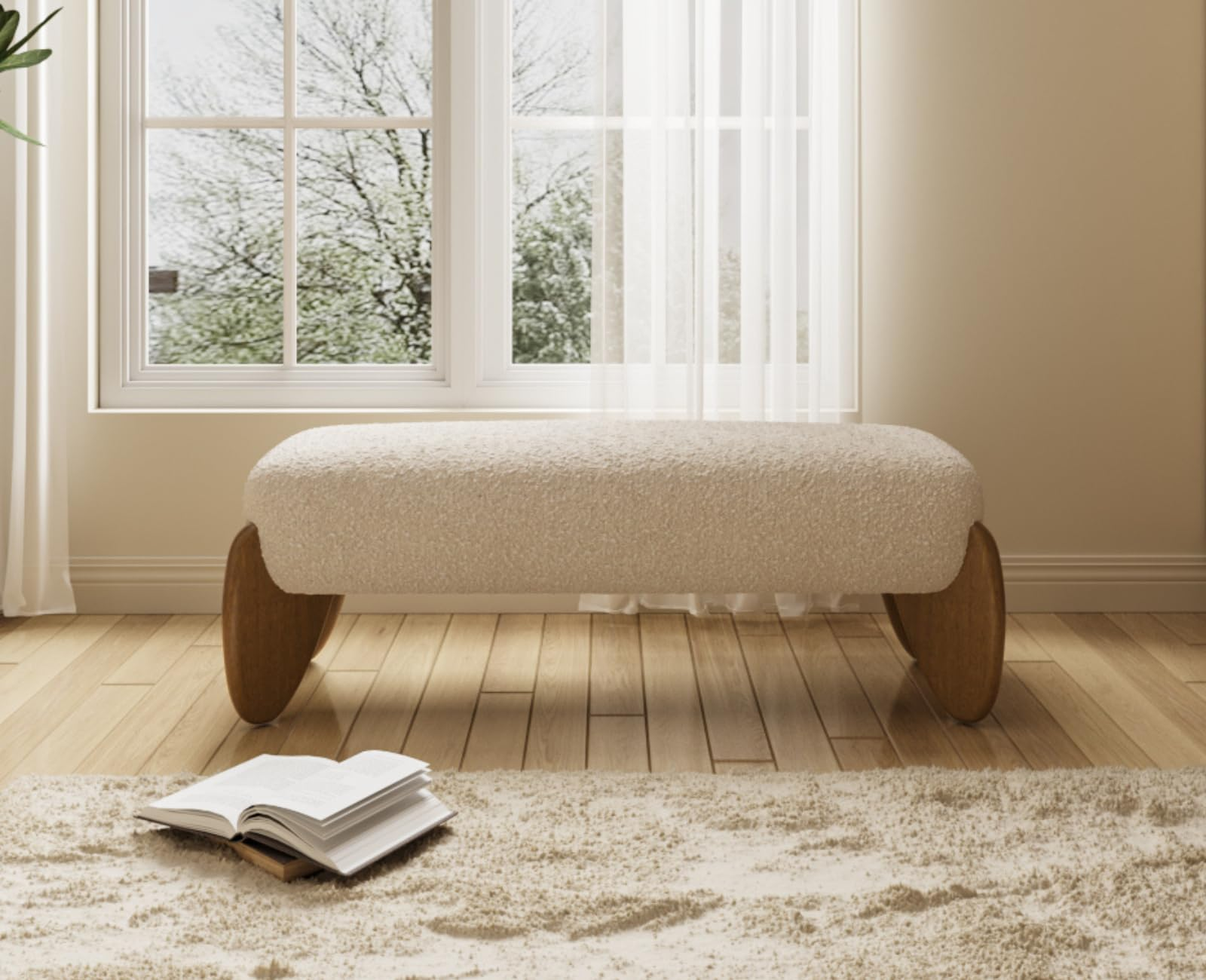
- Style cue: Think “velvet on velvet.” The soft leaves pair beautifully with a boucle ottoman or an upholstered window bench.
- Where: East window, or south window with sheers. Add a slim side table so air can move freely around the plant.
- Why it works: Bright, filtered light plus stable temperatures create long runs of flowers from late spring to autumn.
H3: Kitchen window, with caution
- Style cue: A shallow tray of black river pebbles reads modern and doubles as a humidity booster.
- Where: Bright east nook or shielded south exposure; keep it away from the stove’s heat and splatter zone.
- Crucial: Do not stage it beside the fruit bowl—ethylene gas from ripening fruit causes bud blast and speeds up flower decline.
H3: Home office accent
- Style cue: A matte stoneware pot in slate or putty keeps focus on saturated blooms (red, purple, or bicolors).
- Where: Desk near an east window, or on a credenza behind a sheer-draped south window.
- Bonus: Good airflow without cold drafts helps prevent botrytis and leaf spotting.
H3: Bedroom calm corner
- Style cue: White or blush-pink varieties against linen bedding and pale walls look cloud-soft.
- Where: East window for gentle morning light. Keep it off radiators and away from winter drafts.
H2: Color-Palette Pairings That Sing
Gloxinia flowers range from white to saturated reds, pinks, and purples, often with spots, stripes, or double “brocade” petals. Use the blooms as your palette anchor.
- Moody purple and aubergine
- Pair with: Sage or eucalyptus wall paint, smoked glass accessories, matte graphite pot.
- Textiles: Nubby neutrals so the velvety flowers read like jewels.
- Classic red
- Pair with: Warm woods, bone or cream ceramics, and brass accents that bounce light to the blooms.
- Pot: Glossy ivory or oxblood glaze for an old-world salon feel.
- Blush to fuchsia pink
- Pair with: Soft taupes and pale oak; add a ribbed vase or travertine tray for texture contrast.
- Pot: Chalky, unglazed stoneware to offset the petal sheen.
- Crisp white (and white with edging)
- Pair with: Black accents and crisp lines for a gallery look.
- Pot: Charcoal concrete or minimalist footed bowl; let foliage shadow the rim for drama.
- Bicolors and speckled forms
- Pair with: Mixed metals (brass + blackened steel) and graphic cushions that echo the petal patterning.
- Pot: Subtle speckles or reactive glazes to harmonize without competing.
H2: Pot Textures, Shapes, and Stands
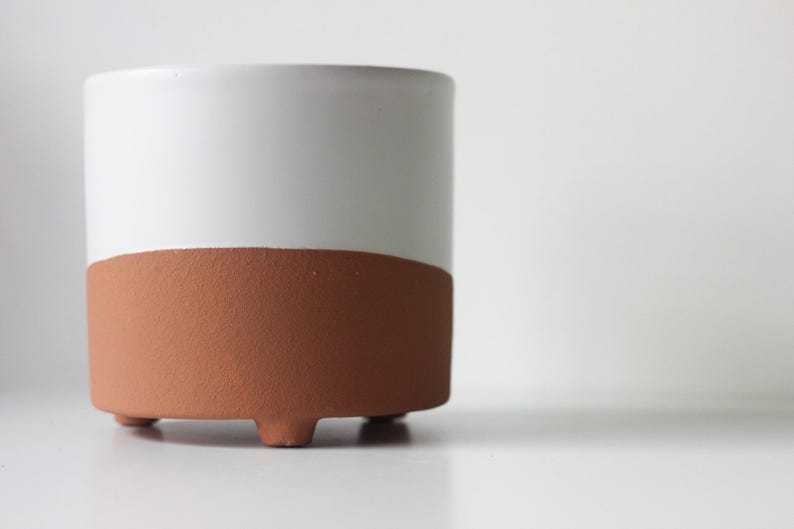
- Matte stoneware: Echoes the leaves’ velvet with a soft, light-absorbing surface. Great for saturated reds and purples.
- High-gloss ceramic: A classic foil to ruffled double blooms; choose creams and celadons for a vintage conservatory feel.
- Speckled or reactive glazes: Perfect with bicolors—just keep the palette restrained so the flowers lead.
- Footed bowls and pedestals: Lift foliage above a potentially damp surface and improve air movement around the rosette.
- Size and fit: A 12–15 cm (4.7–5.9 in) pot suits most flowering plants; slightly snug encourages better blooming. Always use a pot with drainage.
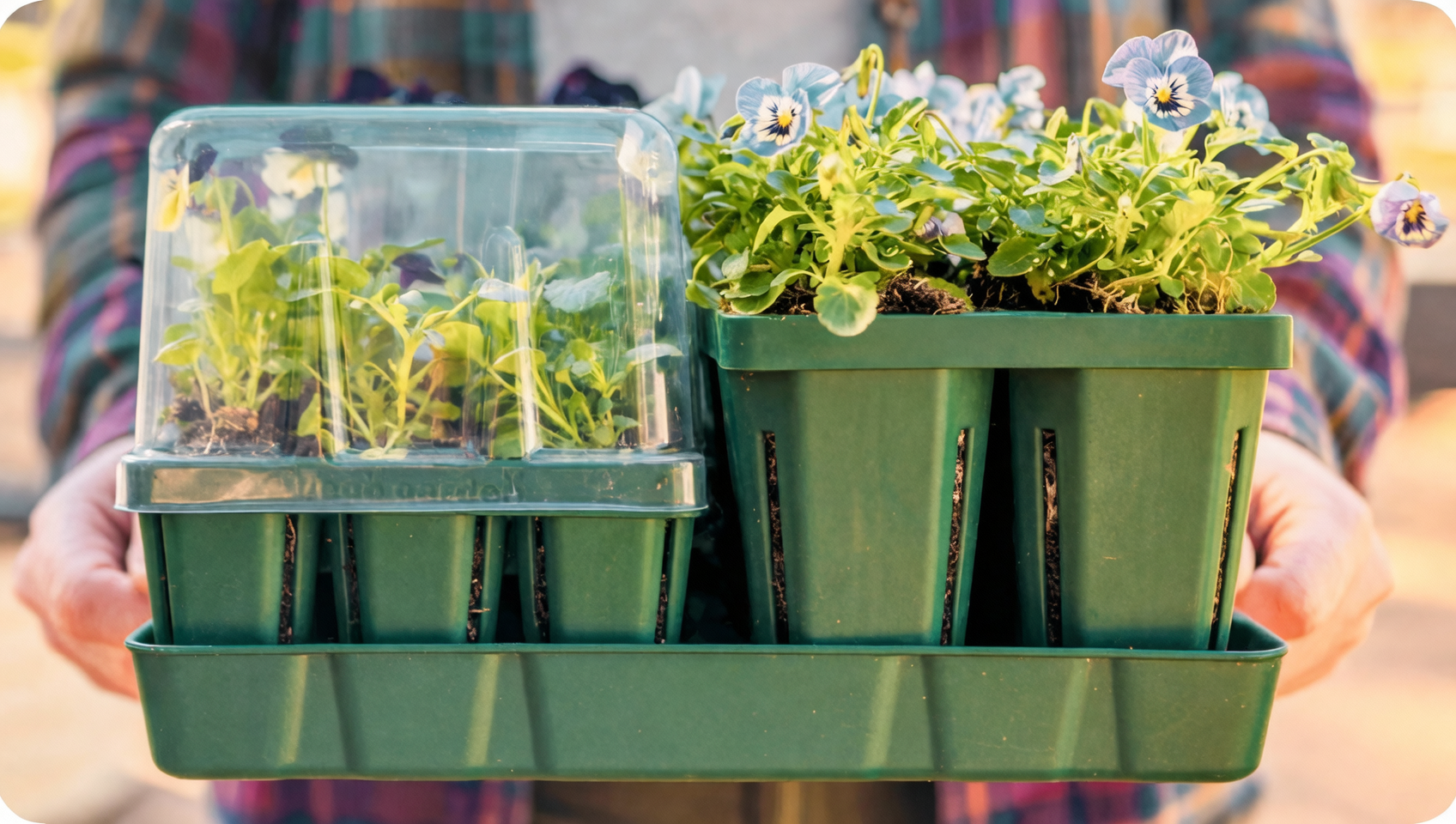
- Inner grow pot + cachepot duo: Slide the plastic nursery pot into a decorative outer pot to make bottom-watering mess-free and keep leaves dry.
H2: Microclimate Styling: Humidity and Airflow (Without the Eyesore)
- Target humidity: 50–70%. Achieve it beautifully with:
- Pebble trays styled as décor: Brass, slate, or ceramic trays half-filled with pebbles and water (pot sits above waterline).
- Discreet humidifier: Tuck a small, quiet unit behind a chair; keep gentle airflow but avoid cold drafts.
- Avoid misting: Wet, fuzzy leaves spot and rot easily. Keep foliage dry.
H2: Why You Must Keep It Away from Heaters and Fruit Bowls
- Heaters and vents: Hot, dry air causes leaf edges to crisp, accelerates moisture loss, and can push the plant into heat stress or semi-dormancy right when you want flowers. Ideal active-growth temps are about 16–24°C (61–75°F).
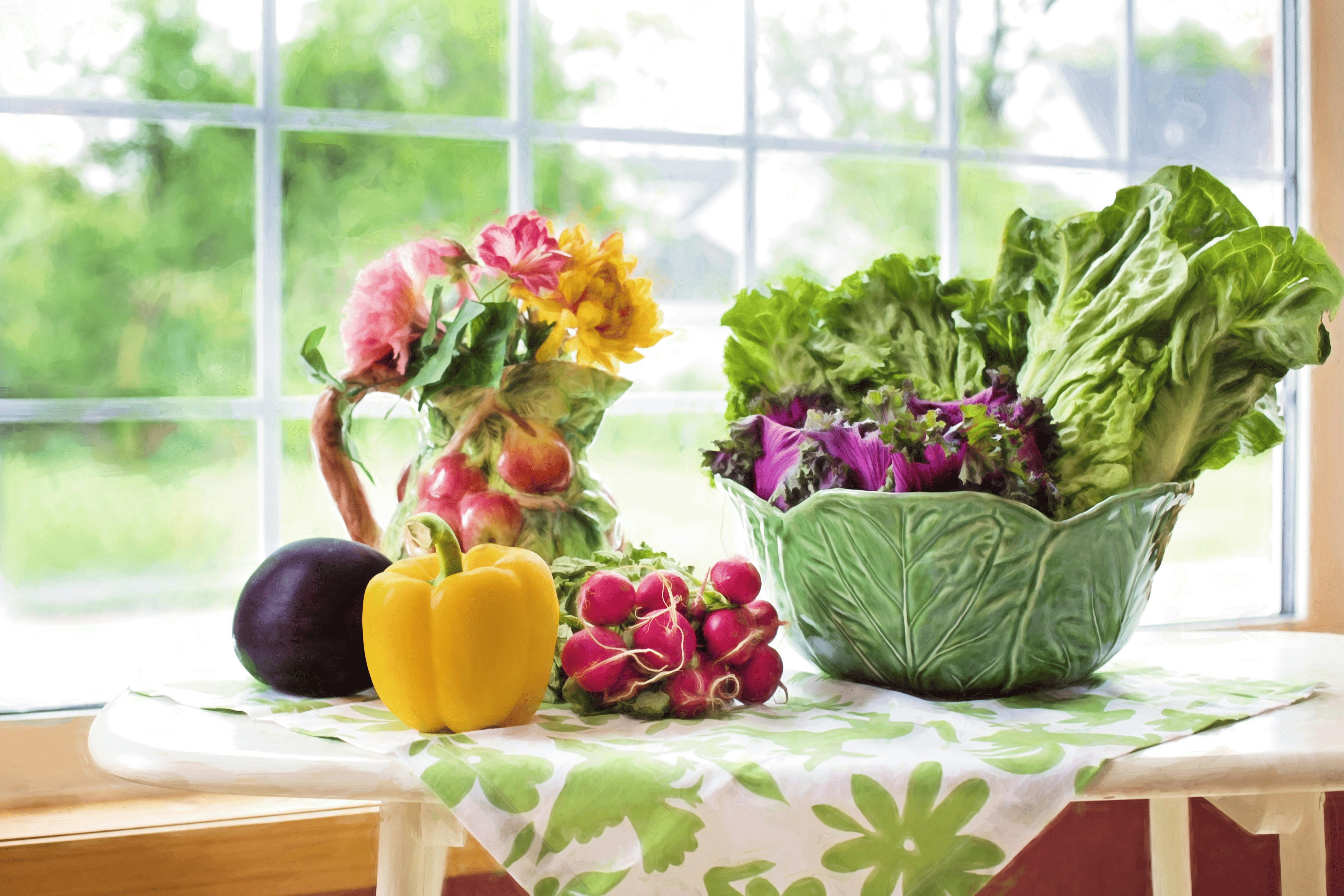
- Fruit bowls: Ripening fruit releases ethylene gas, which triggers bud drop and makes flowers age faster. A pretty kitchen tableau can quietly sabotage your bloom show—stage fruit and flowers far apart.
H2: Watering and Feeding Without Spots
- Watering rhythm: Keep the potting mix evenly moist but never soggy during growth and bloom. Typically twice weekly works for many homes—adjust for pot size, warmth, and airflow.
- Technique matters:
- Water at soil level (around the pot edge) or use bottom-watering. Never leave the pot sitting in water.
- Keep leaves and petals dry to prevent spotting and rot.
- Soil: An African violet-style mix is ideal—rich, loose, and well-drained (peat/coco base with perlite).
- Feeding for flowers: Every 2 weeks in active growth; switch to a bloom-forward formula higher in phosphorus and potassium once buds form. Always apply to moist soil and keep fertilizer off the foliage.
H2: Seasonal Styling and Care Rhythm
- Spring: As tubers wake (often April), refresh the mix and repot if needed. Plant the tuber at or slightly above the soil surface, then ease into regular watering.
- Late spring to autumn (May–October): Peak display season. Bright filtered light, steady moisture, and biweekly feeding will keep the show going. Deadhead promptly for encore blooms.
- Midsummer heat: If your home turns hot and muggy (often July–August), flowering may pause. Move to the coolest bright spot you have, reduce watering a notch, and keep air moving.
- Winter rest: If you can, give a cooler, drier rest around 10–12°C (50–54°F), always above 5°C (41°F). Some growers hold a lighter rest near 15–17°C (59–62°F)—the key is cool, bright, and much drier than summer.
H2: Styling With Other Plants (Compatibility Counts)
- Great companions: Other bright-indirect lovers like African violets and rex begonias—grouped on a pebble tray for shared humidity.
- Avoid sun-worshippers: Cacti or full-sun herbs can nudge you toward harsher light than gloxinia likes.
- Keep space: Allow air between plants to prevent stale pockets that invite botrytis and powdery mildew.
H2: Quick Design-and-Care Cheat Sheet
- Best window: East; or south with a sheer.
- Keep leaves dry: Bottom-water or pour at soil level.
- Humidity: 50–70%; use a styled pebble tray.
- Temperature: 16–24°C in growth; cooler and drier in winter rest.
- Pot: 12–15 cm, with drainage; snug fit is fine.
- Don’t: Place near heaters, vents, or fruit bowls; don’t push it deep into a dim room.
- Do: Deadhead spent blooms and remove stalks promptly to encourage more.
H2: A Note on Symbolism (Flower Language)
Florist’s gloxinia has long been linked with “love at first sight” and bold admiration—a natural fit for a plant that looks like velvet bouquets on a sill. These associations trace back to Victorian gift culture, when showy exotics signaled ardor and status. Red forms often carried the most romantic charge, but any lavishly ruffled bloom could broadcast a message of instant enchantment. Today, the symbolism endures as design shorthand: place a crimson or purple gloxinia on an entry console to greet guests with a couture-level flourish.
H2: Smart Sourcing and Health
- When buying: Choose a compact plant with spotless, plush leaves and a balance of open blooms and firm buds.
- Pests to watch: Mealybugs, spider mites, aphids, fungus gnats—good airflow and soil-level watering help prevent issues.
- Pet/child safety: Toxicity isn’t strongly documented and is often treated as low concern, but it’s best to prevent chewing or ingestion.
Bring home a florist’s gloxinia, and style it like a statement lamp: positioned for perfect light, elevated on the right stand, dressed in a texture-rich pot, and kept clear of heat blasts and fruit. Get those details right, and you’ll have months of velvety bloom that looks curated, not crowded—an interior designer’s secret that also happens to be alive.