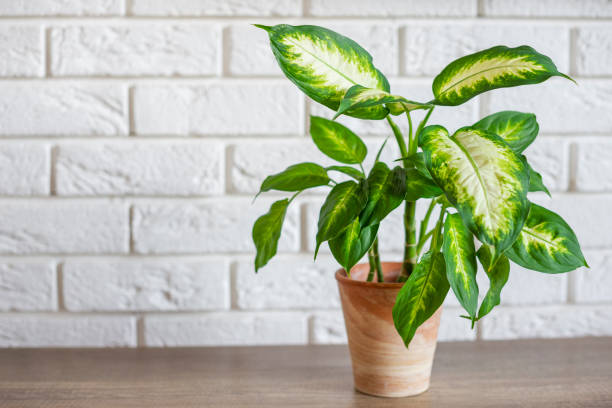
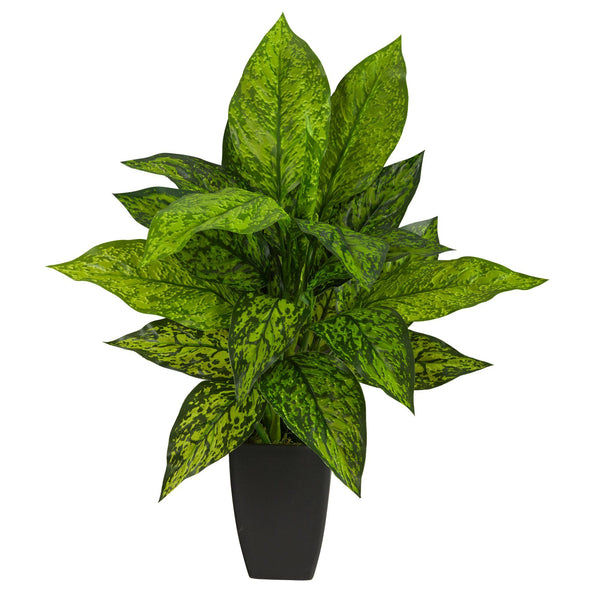
Bold, graphic, and instantly architectural, Dieffenbachia seguine (often called Dumb Cane) is the statement plant that turns rooms into scenes. Its creamy splashed leaves read like modern art, and its upright, cane-forming habit brings clean vertical lines that play beautifully with furniture, artwork, and natural light. Use it as a solo showpiece or anchor it in layered groupings—either way, this tropical makes interiors feel curated, not cluttered.
Below, a design-forward guide to placing, pairing, and styling Dieffenbachia for maximum impact—and crisp, high-contrast variegation—in homes, offices, and lobbies.
Where it shines: light-first placement for vivid leaves
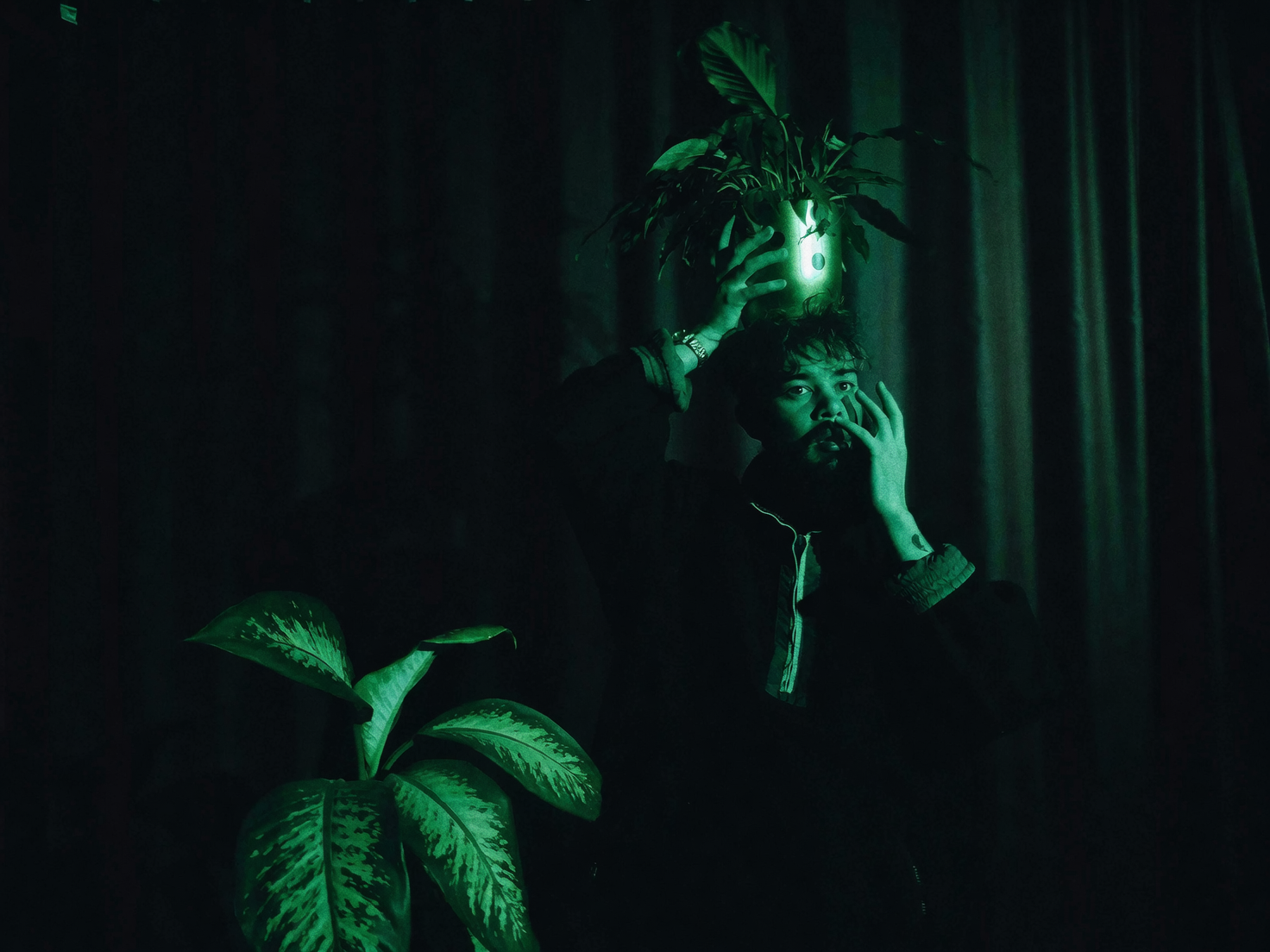
For the sharpest white-to-cream markings, give Dieffenbachia bright, indirect light.
- Best zones at home: within a few feet of an east-facing window; near a bright north window; or set 4–8 feet back from a south/west window behind a sheer.
- Best zones in offices/lobbies: atriums, bright corridors with frosted or clerestory glass, and waiting areas with filtered light. A bright bathroom (with a window) is a surprisingly perfect microclimate.
- Watchouts: direct sun can scorch; deep shade softens the pattern and slows growth. Rotate the plant every 1–2 weeks so variegation stays even and the form stays balanced.
- Low-light tolerance: it copes, but the drama fades. If natural light is limited, supplement with a full-spectrum grow light 10–14 hours daily, positioned to avoid hotspots.
Pro tip for crisp variegation: dusted leaves can look dull. Wipe foliage with a soft, slightly damp cloth so light reaches every cell.
Height layering: build a lush, legible composition
Dieffenbachia’s vertical canes make it a natural “back line” in a plant vignette. Try these layered formulas:
- The Triad (3–5 ft hero):
- Back: Dieffenbachia seguine in a tall cylinder planter.
- Mid: a rounded-leaf Philodendron (e.g., Congo Green) or Aglaonema (solid or softly marbled) in a low, wide pot.
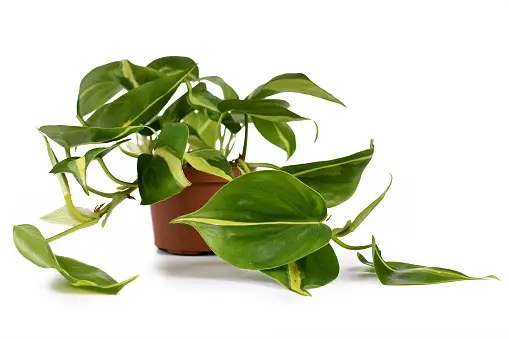
- Front: a cascading Epipremnum aureum (pothos) or Philodendron micans to spill over the edge.
- The Gentle Jungle (softer textures):
- Back: Dieffenbachia.
- Mid: Bird’s nest fern (Asplenium nidus) for a ruffled, bowl-shaped silhouette.
- Front: Prayer plant (Maranta) or a petite Peperomia for pattern without visual noise.
- Linear Minimalism:
- Two or three Dieffenbachias of staggered heights in identical planters, spaced evenly along a wall or glass partition for rhythm and privacy screening.
Design note: lower Dieffenbachia leaves naturally shed over time, revealing attractive cane. Lean into that “indoor grove” effect—let canes show—or cut back one or two stems in spring to cue fresh shoots and maintain fullness.
Pot scale, shape, and color that make the leaves sing
The right vessel is half the look.
- Scale:
- Good rule indoors: move up only 1–2 inches in diameter when repotting. For a 3–5 ft specimen, a 12–14 inch inner diameter works well.
- Go larger only if you’re staging a multi-plant composition in a single planter; otherwise, oversized pots invite soggy soil.
- Shape:
- Tall cylinders emphasize the plant’s verticality and feel tailored in modern spaces.
- Low, wide bowls calm the look and pair well with underplantings or trailing companions.
- Plinths or plant risers add instant drama and keep foliage above foot traffic.
- Color/material pairings:
- Matte black or charcoal: amplifies the white variegation and suits contemporary offices.
- Sand, greige, or pale stone: softens the contrast and blends with light wood floors or Scandinavian palettes.
- Deep green or forest glaze: creates a “disappearing pot” effect so the foliage takes center stage.
- Terracotta: warm, earthy, and breathable—great at home; be mindful it wicks moisture faster.
- Polished fiberstone or terrazzo: lobby-ready, lightweight yet architectural. Consider a weighted base for stability.
Styling tip: Drop the nursery pot into a cachepot with a riser, so you keep perfect drainage while achieving a polished, maintenance-friendly finish.
Textural companions that flatter (not fight) variegation
Think contrast: pair Dieffenbachia’s bold blades with plants that offer either finer texture or solid color blocks.
- Fine/feathery contrast:
- Bird’s nest fern (Asplenium nidus)
- Lady palm (Rhapis excelsa) for vertical striations
- Parlor palm (Chamaedorea elegans) for airy fronds
- Rounded or matte-leaf foils:
- Philodendron ‘Congo Green’ or ‘Rojo Congo’
- Aglaonema cultivars with subtler variegation (avoid overly busy patterns competing for attention)
- Cast iron plant (Aspidistra elatior) for deep green calm
- Cascaders to soften edges:
- Pothos (Epipremnum aureum)
- Philodendron micans
- Peperomia prostrata (string of turtles) in brighter spots
Underplanting idea for large planters: a low ribbon of moss or a tight ring of small Peperomia keeps the soil line clean in lobbies and minimizes splash during watering.
Safe traffic flow: beauty that never blocks a path
Dieffenbachia looks best when people see it—just not when they brush against it.
- Clearance:
- Maintain at least 36 inches (about 1 m) of walkway clearance in homes and offices; more in busy lobbies.
- Avoid corners where doors swing or where rolling bags or carts pass.
- Draft and bump zones to dodge:
- Entry doors (cold snaps), HVAC vents, and narrow hallways.
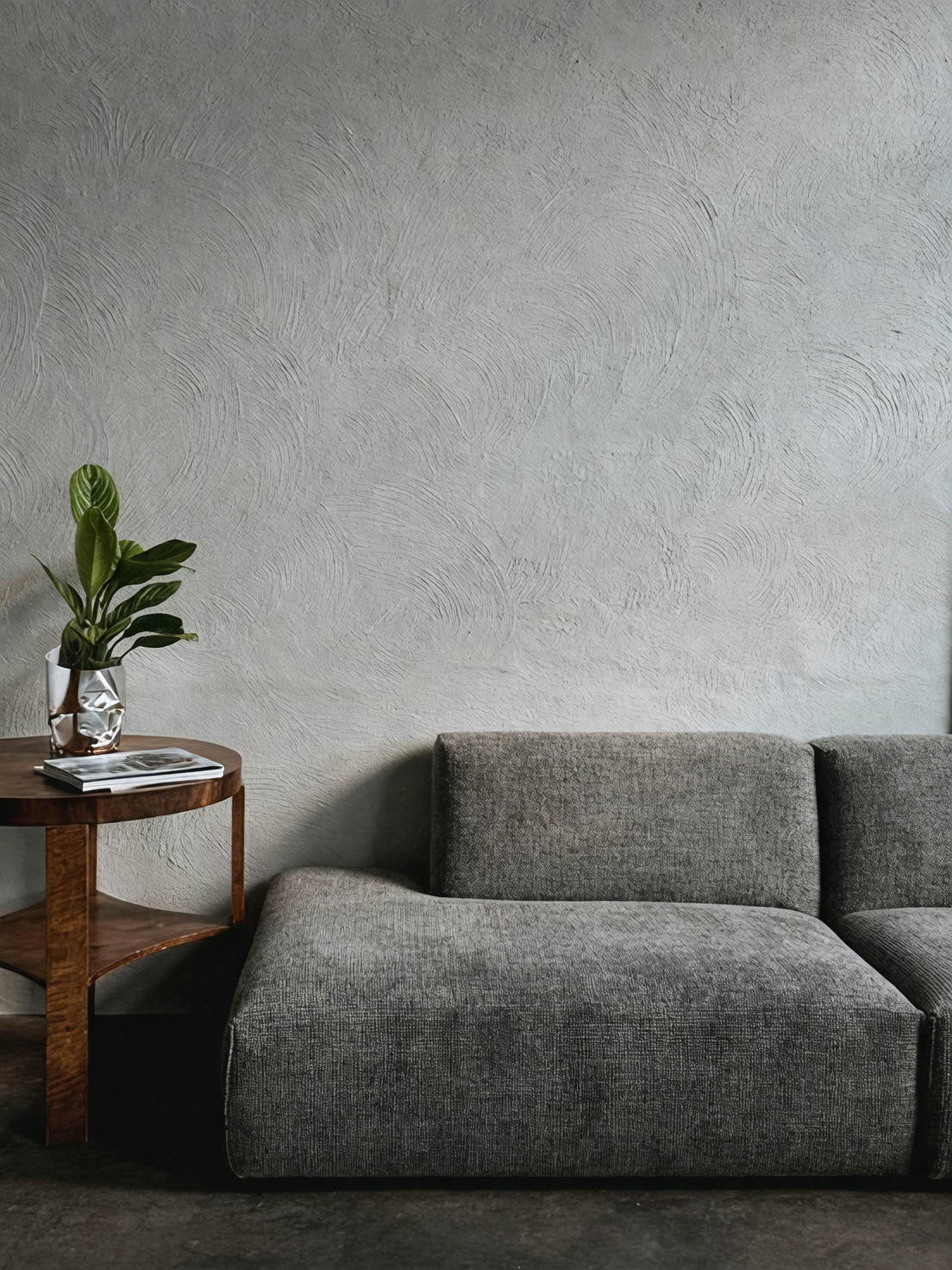
- If near seating, set it just behind a sofa back or side table so leaves don’t graze shoulders.
- Stability:
- Choose weighted or wide-base planters for tall specimens; in public spaces, consider low-profile cable ties or discreet stakes within the foliage.
- Safety:
- This plant is toxic if chewed or ingested and the sap can irritate skin and eyes. Keep out of reach of children and pets. In public interiors, use taller barrier planters or place within low millwork niches to discourage handling. Wear gloves when pruning.
Room-by-room and site-specific ideas
- Living rooms:
- East-facing window? Place 2–4 feet away for gallery-bright leaves.
- Build a reading nook: Dieffenbachia behind a lounge chair, a mid-height fern to the side, and a small trailing plant on the side table to triangulate.
- Kitchens and bright baths:
- The naturally higher humidity is a plus. Park it near a bright, sheer-draped window to counteract dry spells from exhaust fans.
- Home offices:
- Frame your video backdrop: a single tall Dieffenbachia just off-center, flanked by a low, dark-green companion. Rotate regularly for symmetrical growth on camera.
- Open-plan offices:
- Use pairs to mark zones—two identical plants at the end of a benching run to create a “soft door.”
- Along glass partitions, a staggered row at different heights adds privacy without blocking light.
- Lobbies:
- Think scale. A trio of planters—tall, medium, low—planted respectively with Dieffenbachia, a rounded Philodendron, and a trailing vine creates a welcoming, photo-worthy entry.
- Under clerestory windows, set plants back from direct beams or diffuse with sheer roller shades.
Care cues that protect the design
A few habit-friendly practices keep the show going.
- Water: keep evenly moist, not soggy. Water when the top 1–2 inches (2.5–5 cm) of mix feels dry; empty saucers. In winter, scale back to lightly moist.
- Light: bright, indirect is the sweet spot; avoid direct sun that can burn leaves and fade patterns.
- Temperature & humidity: happiest around 65–75°F (18–24°C), fine up to ~81°F (27°C). Avoid chills below ~54–59°F (12–15°C). Average indoor humidity is okay; 50%+ is even better.
- Soil & potting: a loose, well-draining, peat/coco-based mix with perlite/bark. Repot in spring when root-bound—usually every 1–3 years—only 1–2 inches up in pot size.
- Feeding: balanced liquid fertilizer every 4–6 weeks in spring–early fall; pause in winter.
- Grooming & shaping:
- Remove yellowing lower leaves as they age.
- If canes get leggy, cut back in spring to prompt fresh shoots. Stake tall canes discreetly if needed.
- Wipe leaves monthly for light capture and a crisp finish.
Pests to watch: spider mites (especially in dry air), mealybugs, and scale. Treat early with insecticidal soap or horticultural oil and boost humidity to discourage mites.
Design problems solved
- Plant looks top-heavy near a walkway: shift to a wider, heavier planter and raise it 3–5 inches on a plinth so leaves clear passersby.
- Variegation looks muddled: move closer to a bright window with sheer filtering, or add a grow light; resume a light feeding schedule in spring.
- Bare lower canes: celebrate the “cane” look, or cut one stem back to staggered heights for a purposeful layered silhouette. Alternatively, underplant with a low, solid-green companion.
Quick buying guide for a standout specimen
- Look for firm, upright canes and leaves with crisp patterning.
- Avoid mushy stems, heavy yellowing, or sticky residue (pest sign).
- Check undersides for mites or mealybugs. Clean foliage at home before placing.
A note on symbolism and the name
Dieffenbachia’s lush, vigorous foliage is often linked to prosperity and tropical abundance; in some Brazilian folk traditions it’s considered protective against negative energy. The common name “Dumb Cane” refers to the painful, temporary speech difficulty that can follow chewing the plant due to calcium oxalate crystals. Today, it’s embraced for its design presence—just be sure it’s out of reach of pets and children.
Fast facts for planners and stylists
- Botanical: Dieffenbachia seguine, family Araceae; native to the tropical Americas.
- Indoor size: typically 3–5 ft tall, about 3 ft wide; can reach higher with excellent care.
- Light: bright, indirect; tolerates lower light with softer variegation.
- Best venues: living rooms, offices, lobbies, bright baths; east or north windows, or set back from strong sun with sheers.
- Toxicity: toxic if ingested; sap may irritate skin/eyes. Handle with care; place responsibly.
When you pair Dieffenbachia’s painterly leaves with the right light, a right-sized vessel, and a few texture-savvy companions, you don’t just add a plant—you compose a living focal point that guides movement, softens architecture, and keeps spaces feeling fresh and intentional.