
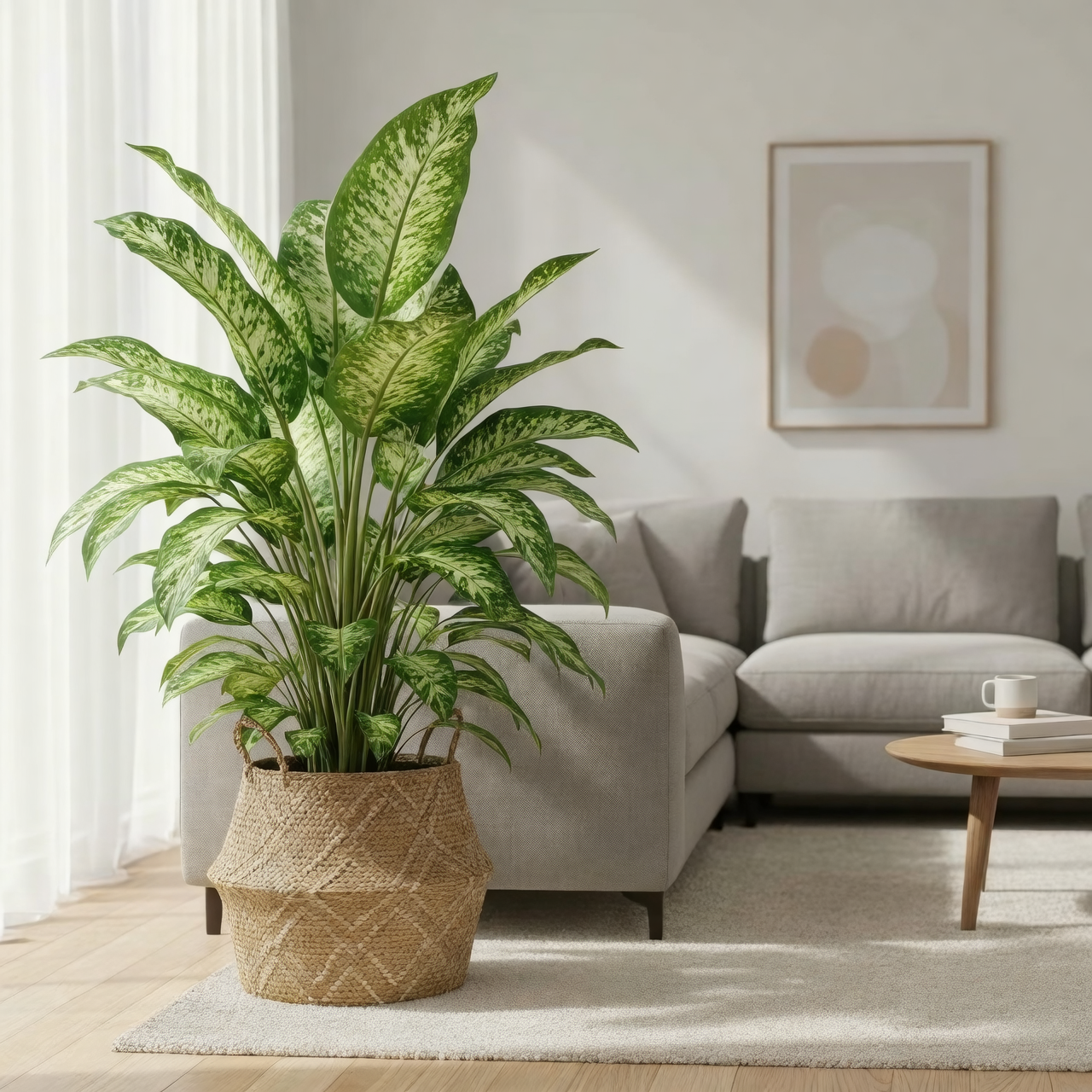
Think of Dieffenbachia seguine—better known as Dumb Cane—as the bold, easygoing roommate who looks great in every room and doesn’t ask for much. Those big, glossy, cream-splashed leaves create instant tropical drama, and with a few simple habits, you’ll keep them vivid and lush year-round.
Here’s your friendly, step-by-step guide to nailing the essentials without the guesswork.
Meet Dieffenbachia seguine (Dumb Cane)
- What it is: A cane-stemmed tropical from the Araceae family, native to the tropical Americas (Caribbean, Central America, and northern South America).
- Why people love it: Upright, architectural form and large, variegated leaves that hold their color best in bright, indirect light.
- Typical indoor size: Often 3–5 ft (0.9–1.5 m) tall, occasionally up to 10 ft (3 m) over time with excellent care. Canes become more tree-like as lower leaves naturally shed.
The essentials at a glance
- Light: Bright, indirect. Near an east or north window, or set back from a bright south/west window with a sheer curtain.
- Water: When the top 1–2 inches (2.5–5 cm) of mix is dry. Keep evenly moist, never soggy. Always empty the saucer.
- Temperature: 18–24°C (65–75°F) is the sweet spot; protect from drafts. Avoid prolonged exposure below about 12–15°C (54–59°F).
- Humidity: Comfortable at average home levels, but 50%+ keeps foliage at its best.
- Soil: Loose, well-aerated, well-draining peat or coco-based mix that holds some moisture without becoming waterlogged.
Step-by-step care
1) Light placement that preserves variegation
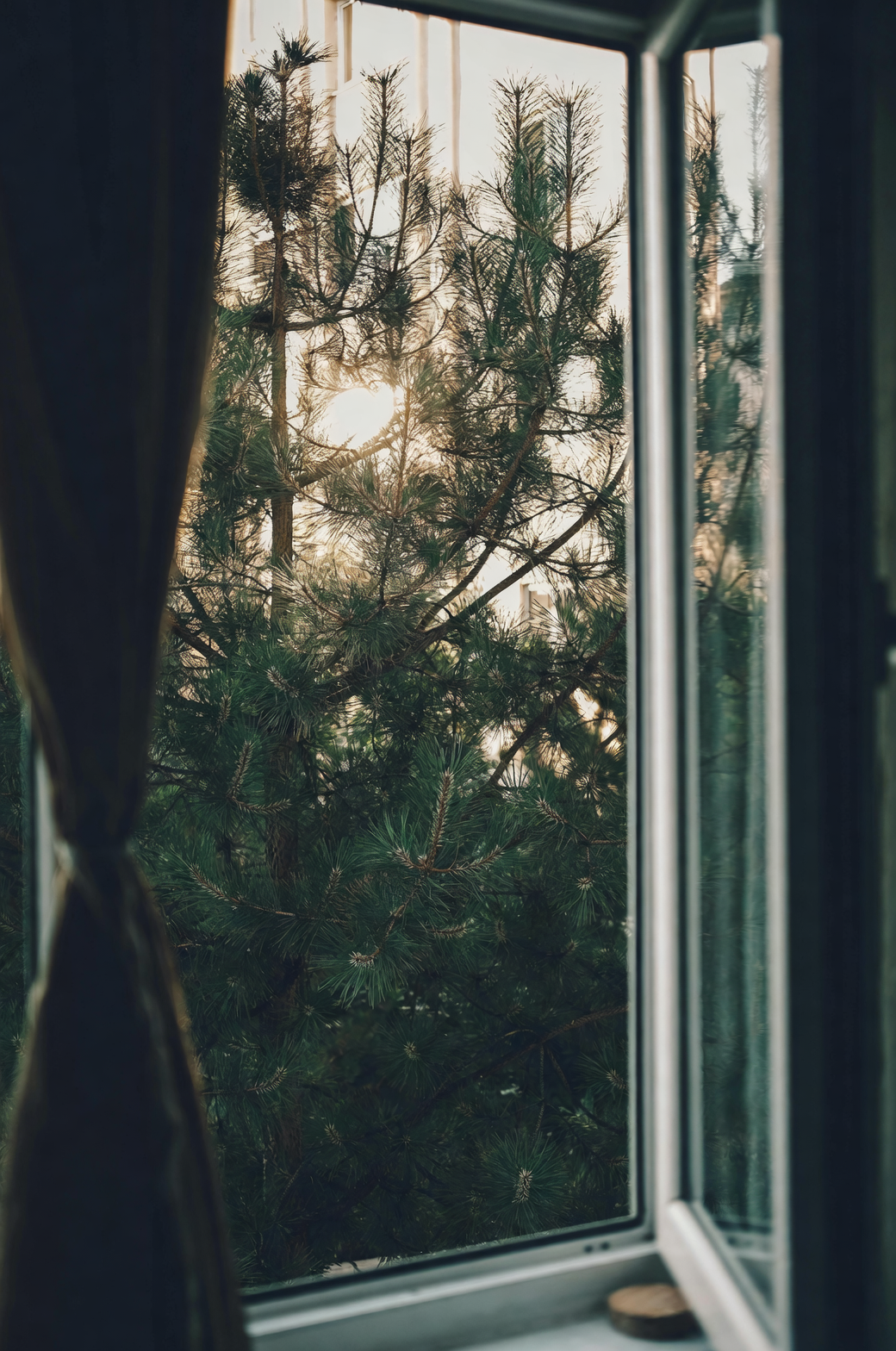
- Best spots:
- East or bright north window.
- South/west exposures filtered by a sheer curtain, or place the plant a few feet back from the glass.
- Avoid: Harsh midday sun that can scorch leaves.
- Pro tip: Rotate a quarter turn every 1–2 weeks so growth stays balanced and leaves don’t lean hard toward one side.
2) Watering, the no-rot way
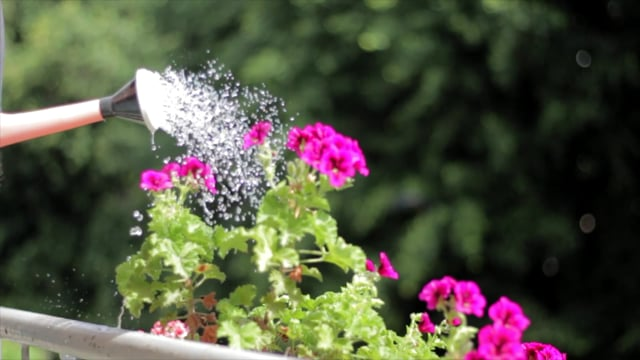
- The touch test: Water thoroughly when the top 1–2 inches (2.5–5 cm) feel dry.
- How to water:
- Water until a bit drains from the holes, then empty the saucer.
- Don’t let the pot sit in water—ever.
- Frequency guide (non-schedule): In brighter, warmer months, larger plants may need water once or twice weekly; in low light or winter, much less. The soil test is always your rule.
- Watch for signals:
- Overwatered: Mushy stems, persistent wet mix, yellowing leaves from the bottom up.
- Underwatered: Drooping, dry leaf edges, pot feels very light.
3) Temperature and airflow
- Keep it warm: 18–24°C (65–75°F), with strong growth up to ~27°C (81°F).
- Shield from: Cold drafts, AC/heat vents, or space heaters.
- Gentle airflow is helpful to reduce leaf-spotting fungi—just avoid direct blasts.
4) Humidity that makes leaves glow
- Target 50%+ if you can.
- Easy boosts:
- Set on a pebble tray with water (pot above the waterline).
- Group plants together.
- Run a humidifier in winter.
- Light misting is fine in the morning if your home is very dry, but aim leaves to dry promptly.
5) Soil and potting that prevent root rot
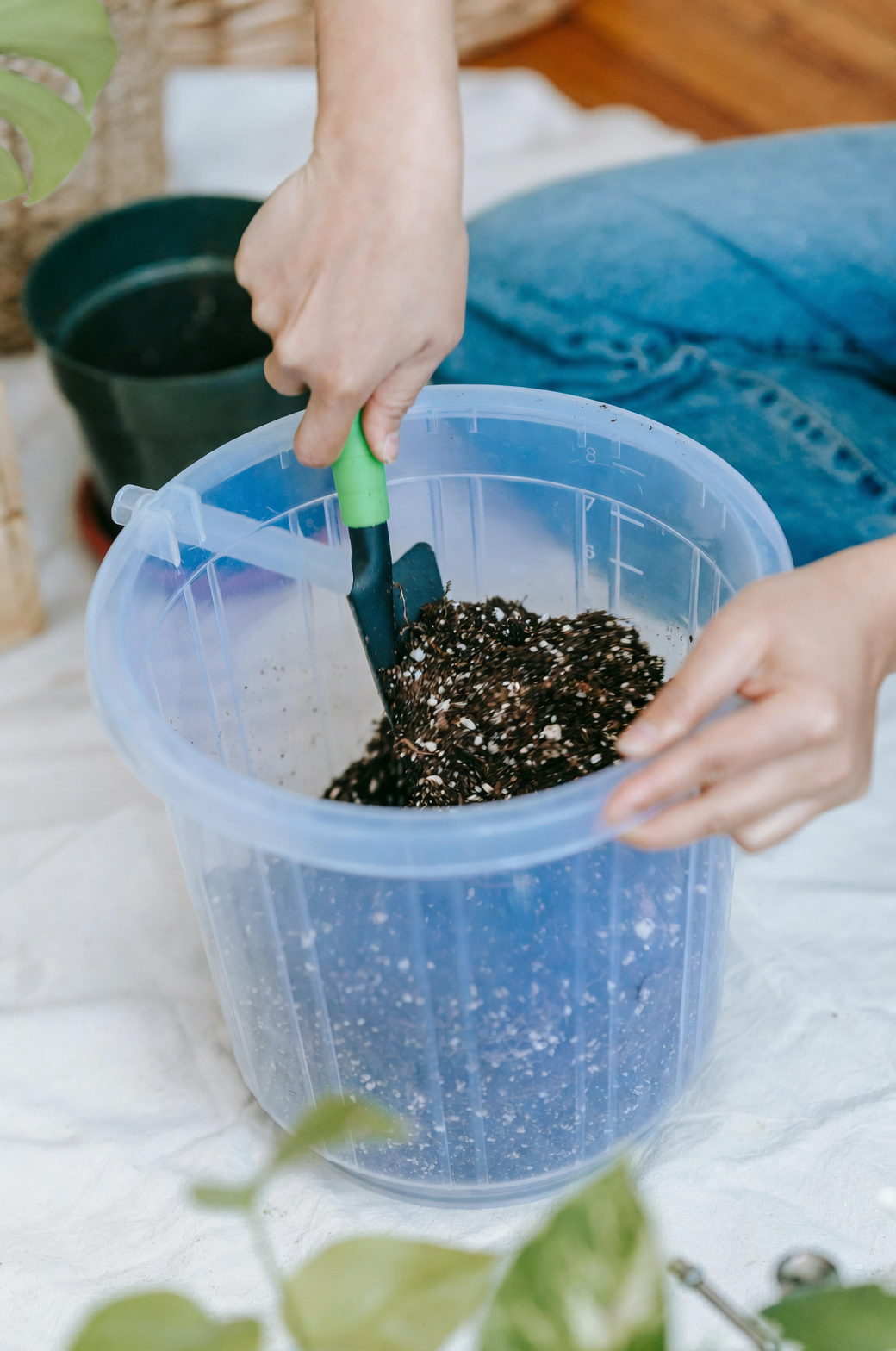
- Ideal mix (well-draining, moisture-retentive):
- 2 parts peat moss or coco coir
- 1 part perlite or pumice
- 1 part fine orchid bark or coarse composted bark
- pH: Slightly acidic to neutral is perfect.
- Pot choice:
- Must have drainage holes.
- Go up just 1–2 inches (2.5–5 cm) in diameter when repotting—oversized pots hold too much water.
- Terracotta breathes and dries faster; plastic retains moisture longer. Choose based on your home’s humidity and your watering habits.
- Smart setup:
- Use a nursery pot with holes inside a decorative cachepot so you can easily remove, water, and fully drain.
- Never let roots sit in collected water.
6) Feeding for steady growth
- When: Spring through early autumn.
- What: A balanced liquid fertilizer every 4–6 weeks (follow label; half strength if your plant is sensitive).
- Pause: In winter or if temperatures dip under ~15°C (60°F).
7) Pruning and shaping
- Routine: Snip off yellowing or tattered lower leaves—they age out naturally.
- Rejuvenation: If it gets tall and bare at the bottom, cut back leggy canes to prompt fresh shoots. Use clean, sharp tools and wear gloves—the sap can irritate skin.
8) Repotting rhythm
- When: In spring, when roots circle the pot or push through drainage holes; typically every 1–3 years.
- How:
- Water lightly the day before to reduce stress.
- Lift, tease out circling roots, trim dead bits, and settle into a pot 1–2 inches wider with fresh mix.
- Water to settle, then let the top inch dry before the next drink.
9) Propagation (easy and satisfying)
- Cane cuttings:
- Take 4–5 inch (10–13 cm) sections with 2–3 nodes.
- Let the cut ends dry for an hour or so; then root in moist mix or water in warm, bright, indirect light.
- Division: Separate clumps when repotting.
- Air layering: Great for tall canes—root new growth on the stem before cutting it free.
- Always wear gloves; avoid sap contact with eyes/skin.
Season-by-season tweaks
- Spring:
- Resume feeding and increase watering as light returns.
- Repot or propagate if needed. Move a touch closer to bright windows (still indirect).
- Summer:
- Keep evenly moist; maintain humidity and good airflow.
- Protect from direct sun, especially afternoons.
- Fall:
- Gradually reduce watering as days shorten. Taper fertilizer.
- Keep warm and away from drafts.
- Winter:
- Water sparingly—keep the mix just lightly moist.
- Hold fertilizer until spring.
- Provide bright, indirect light; consider a humidifier if indoor air is dry.
Common issues and quick fixes
- Yellowing leaves:
- Most often watering trouble (too wet or too dry), low light, or cold drafts.
- Check drainage, let the top 1–2 inches dry between waterings, and keep it above ~15°C (60°F) in bright, indirect light.
- Brown, crispy tips:
- Low humidity, underwatering, or salt buildup. Boost humidity; water thoroughly; occasionally flush the pot to leach excess salts.
- Faded variegation or stretched growth:
- Needs brighter (indirect) light. Move closer to a filtered window or add a grow light, then rotate regularly.
- Drooping:
- Usually a watering issue—check soil moisture and roots.
- Pests to watch:
- Spider mites (especially in dry air), mealybugs, scale, thrips, aphids.
- Treat early with insecticidal soap or horticultural oil and improve humidity for mite prevention.
- Rot watch:
- Symptoms: Sour smell, blackened mushy roots/stems, persistent wet soil.
- Rescue: Unpot, trim mushy roots, dust cuts with cinnamon or sulfur if desired, repot into fresh, airy mix, and reduce watering.
Styling, placement, and size
- Placement sweet spots:
- Bright living rooms, offices, lobbies, and entryways.
- A bright bathroom or kitchen offers great humidity plus filtered light.
- Scale:
- Most indoor plants stay around 3–5 ft tall and about 3 ft wide. As canes age, they naturally shed lower leaves—prune to keep a fuller shape.
Safety note for homes with kids and pets
- Highly toxic if chewed or ingested by people or pets. The sap contains calcium oxalate crystals that can cause intense burning, drooling, swelling, and temporary speech difficulty. Wear gloves when pruning or propagating, and keep well out of reach.
Origins, symbolism, and a bit of history
- Roots: Native to the tropical Americas, thriving in warm understories with bright, filtered light.
- Name story: The genus honors botanist Joseph Dieffenbach. The nickname “dumb cane” reflects the temporary speech difficulty caused by chewing plant tissues—a reminder never to sample those pretty leaves.
- Symbolism:
- Often seen as a symbol of lush, tropical abundance indoors. In some Brazilian folk traditions, it’s said to ward off negative energy—more a cultural note than a botanically grounded claim, but it hints at why people love its vigorous, life-filled foliage.
- Flowering:
- Indoors, blooms (a spathe and spadix) are rare and not the main event; the foliage is the star.
Quick FAQ
- Can Dumb Cane grow in low light?
- Yes, it tolerates it, but growth slows and variegation can fade. For bold leaf patterns, give bright, indirect light.
- How often should I water?
- When the top 1–2 inches are dry. In warm months this may translate to about once or twice a week for larger plants; in winter, much less.
- When should I repot?
- In spring when roots crowd the pot or poke through drainage holes—often every 1–3 years. Size up only one pot size.
- Is it air-purifying?
- It’s commonly listed among indoor plants that can help with air quality, but good ventilation is still the most effective way to refresh indoor air.
With bright, indirect light, a loose, well-draining mix, and a simple “water when the top inch or two is dry” routine, Dieffenbachia seguine will reward you with glossy, patterned leaves and an effortless, tropical vibe—no drama, just steady, showy growth.